
Calne
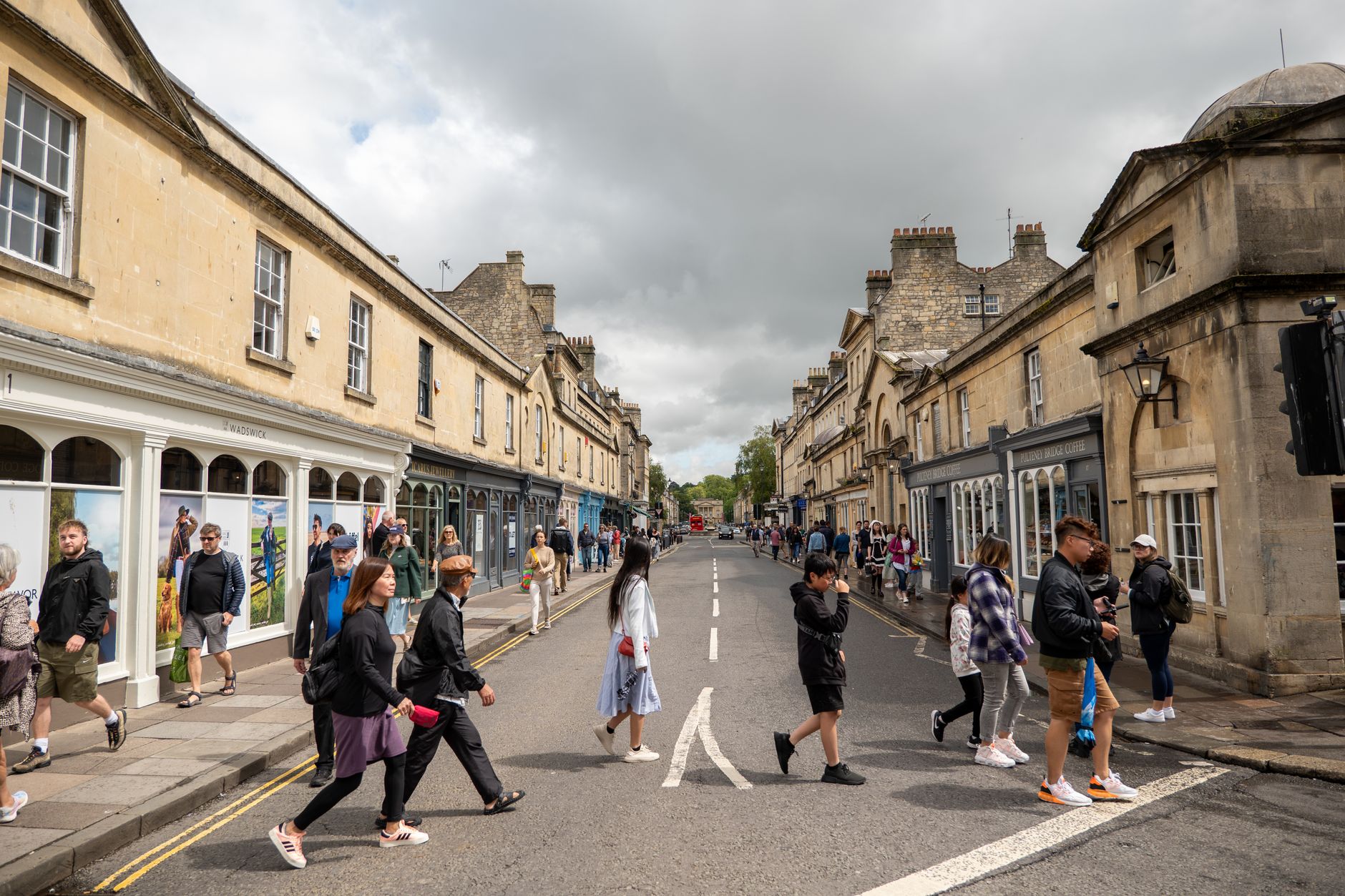
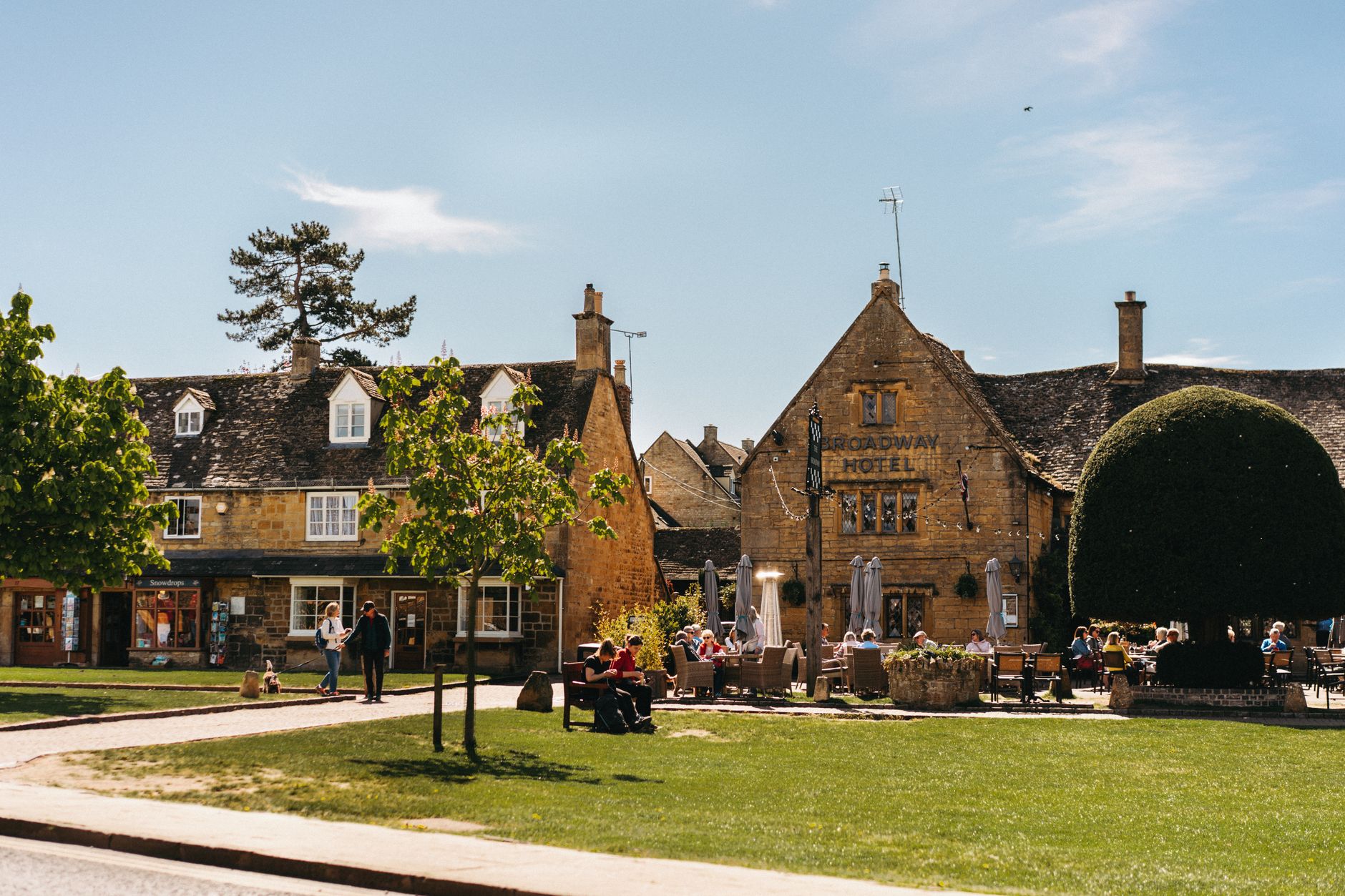
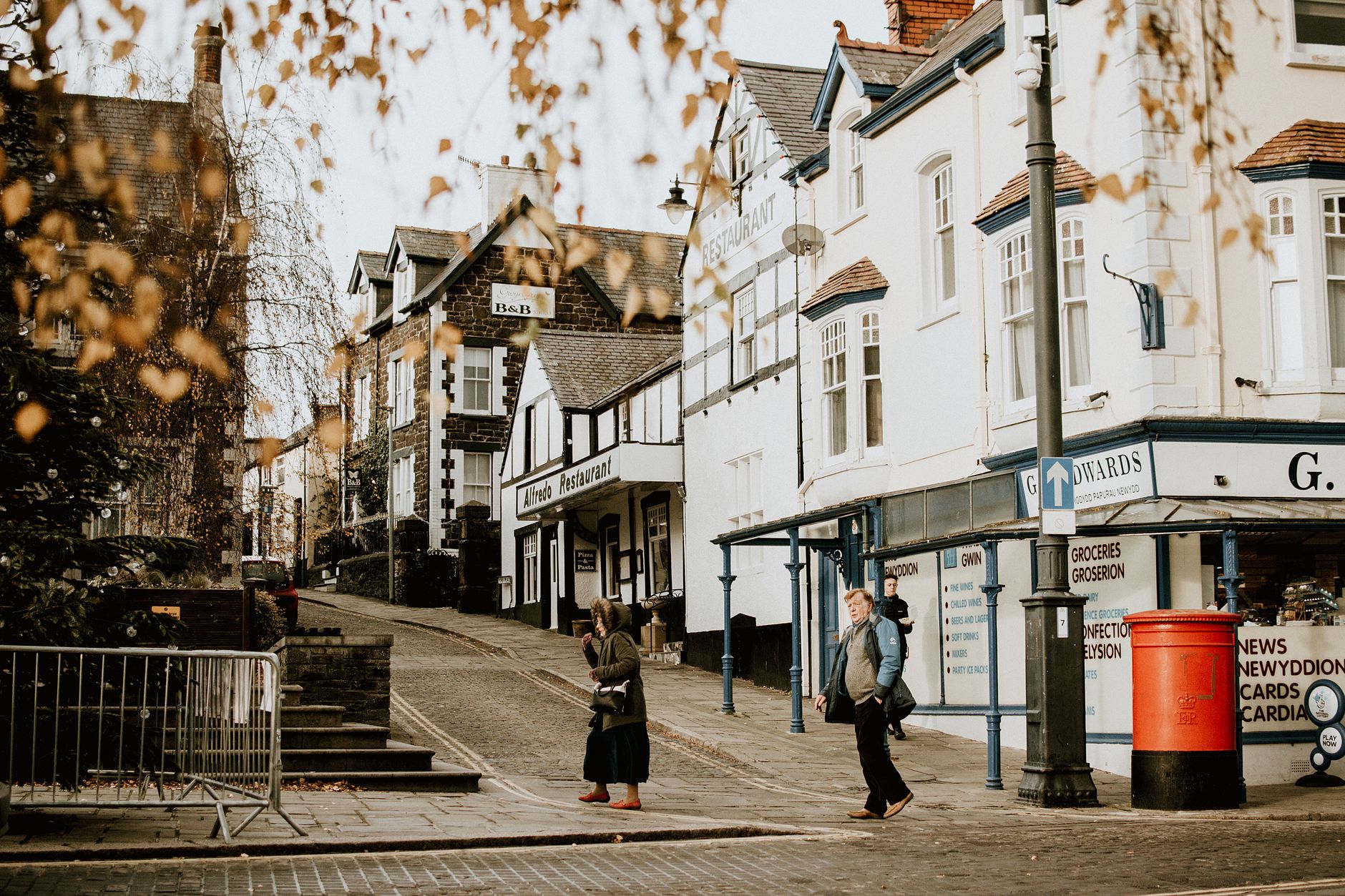
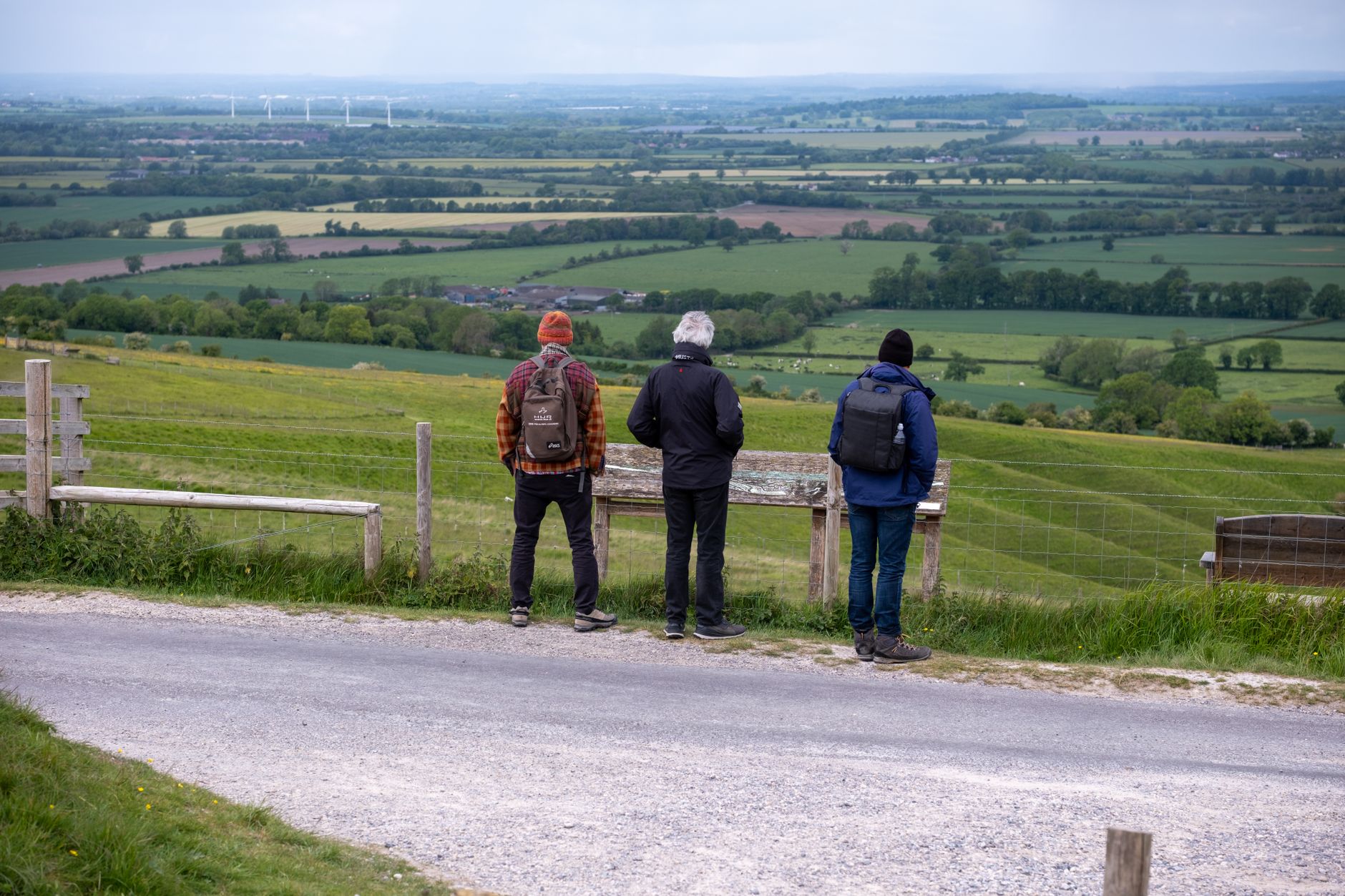

Stand on Calne's triangular green and you're surrounded by twenty-four listed buildings without having gone looking for them — clothiers' houses, the Tounson almshouses, and the Norman tower of St Mary's Church all within a short walk of each other. The river Marden, small enough to overlook, once powered fifteen water mills when this was a serious cloth town.
Calne trades quietly on its own story: a Saxon council meeting that ended in a floor collapse, the discovery of oxygen at a nearby country house, and a bacon-curing dynasty that employed most of the town for two centuries. It asks you to pay attention to the specific rather than the spectacular.
💛 What travellers fall for
People who come back tend to do the Public Art Trail on foot — roughly twenty works scattered through the streets, easy to miss if you're just driving through on the A4. Church Street and The Green reward slow walking. If you're around in July, the bike meet fills the historic centre with motorcycles of every era, entirely free.
Experiences you don't want to miss



Deals in Calne
Book directly at the provider

How Calne came to be
Calne appears in written record as early as 955 AD, named in the will of King Eadred. In 978 it hosted a meeting of the Witenagemot — the Anglo-Saxon royal council — at which Archbishop Dunstan was defending his reorganisation of the English church. According to an account written around 1000, the floor of the upper hall gave way during proceedings, killing most of Dunstan's opponents while he and his allies remained on the section still standing.
From the sixteenth century the town's identity was cloth, with fifteen mills working the river Marden at the trade's height. That gave way, eventually, to bacon. Sarah Harris and her son John arrived from Devizes and began curing pork on Church Street around 1770; the business that followed employed 1,700 people at its peak before the factory closed in 1982.
Who and what shaped it
People who shaped it
Landmark buildings
See Calne in motion
Plan your visit
On the map
When to go
Summers are mild and partly cloudy, with July averaging around 22°C — comfortable for walking the town and the downs. Winters run cold and overcast from roughly November through February, with January the bleakest month; if you visit then, the upside is that the streets around The Green are entirely your own.
Right now
Background & history adapted from Wikipedia (CC BY-SA) · specs from Wikidata (CC0) · weather from Open-Meteo · map data © OpenStreetMap contributors · photos from Wikimedia Commons / Unsplash with per-image credit. No third-party reviews or social posts reproduced.