
Burlada
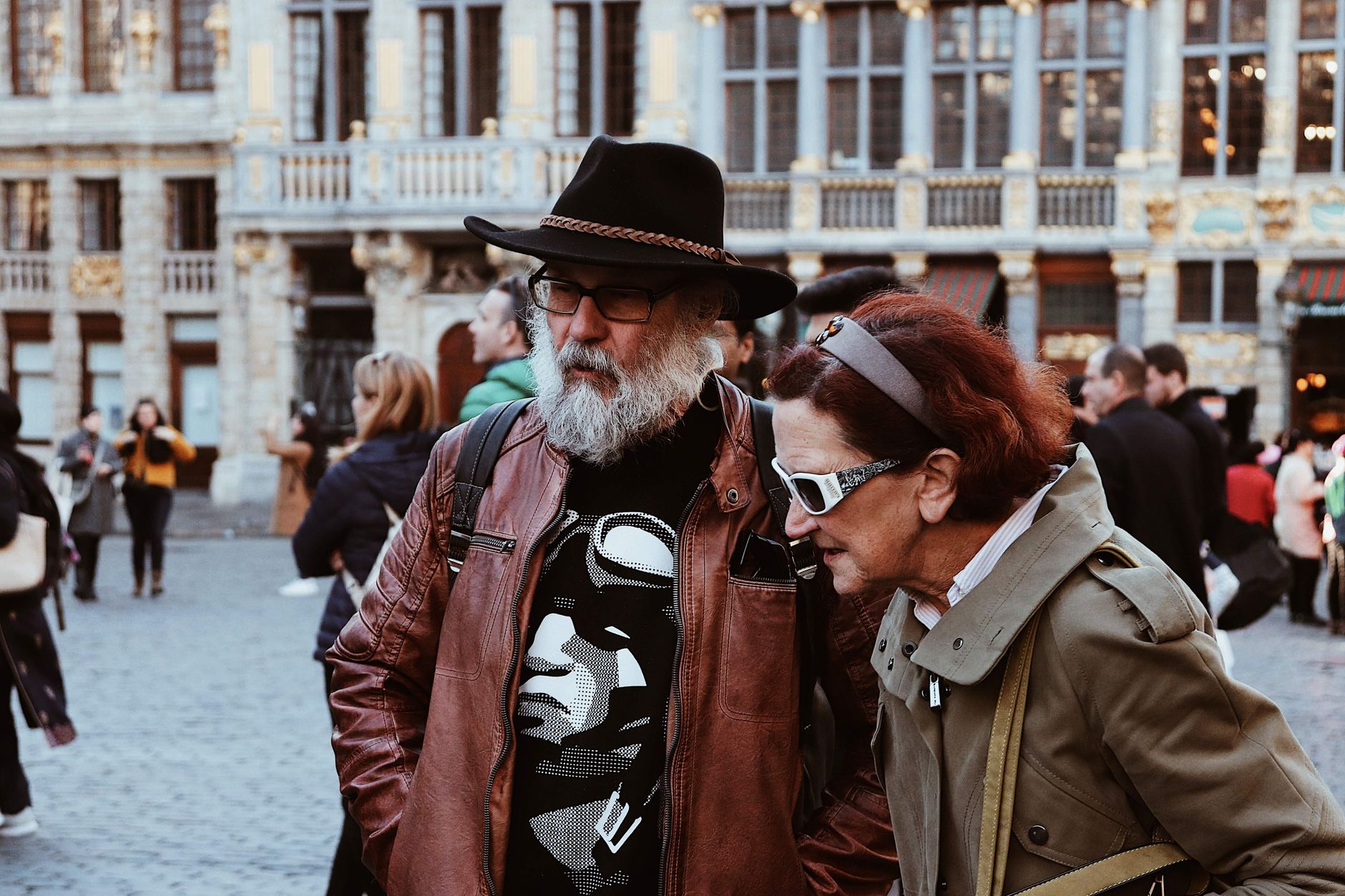
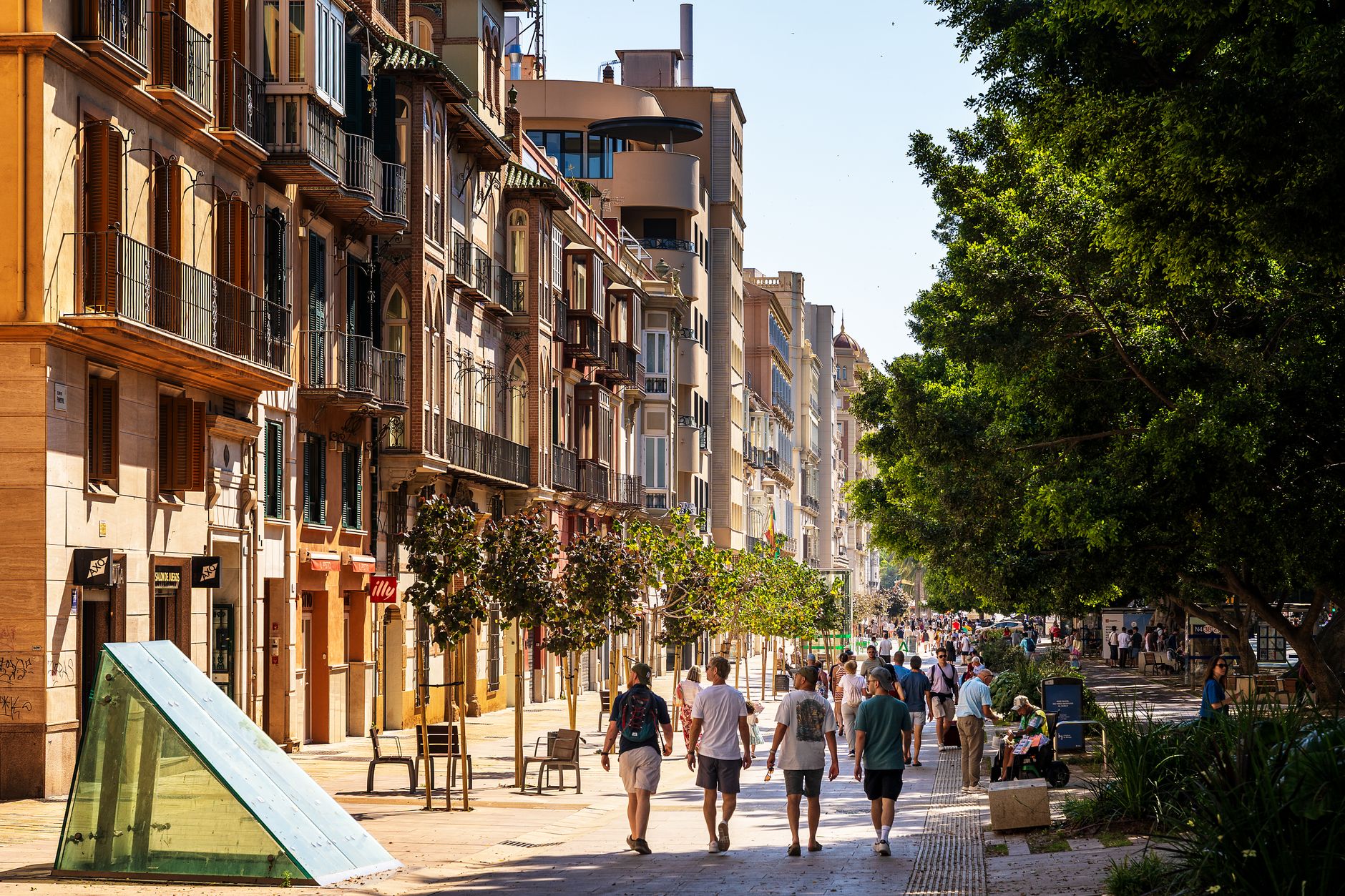
Burlada sits three kilometres from Pamplona's old walls, close enough to share a bus route, different enough to feel like a separate life. The town stands where the Ulzama River folds into the Arga, and that confluence has been drawing travellers along the Camino de Santiago for nine hundred years. The medieval bridge in the Soto area — six semicircular arches over the water — is one of the more quietly satisfying things you'll cross on foot in Navarre.
Locals here carry the old nickname bell-ringers, a title Pamplona apparently gave them, and the carnival each year plays it for all it's worth: masked figures called Joasikeroak chase down a character named Lukas de Aierbe, dance the Martingala with tambourines and brooms, then burn him in a bonfire the following morning.
💛 What travellers fall for
People who come back tend to arrive on foot from Pamplona along the river path, pause at the 16th-century Palacete Jauregia in the old quarter, then spend longer than planned in the Parque Fluvial del Arga watching the water where the two rivers meet. The Martingala carnival on the Monday and Tuesday before Lent is worth planning around.
Experiences you don't want to miss


Deals in Burlada
Book directly at the provider


How Burlada came to be
The town appears in early documents under the names Bruslada, Bruslata and Buruslata, though the exact origin of those forms isn't settled. Its defining role came from the Camino de Santiago: in the 12th century, two brotherhoods formed here specifically to protect pilgrims passing through — the Brotherhood of San Salvador and the Brotherhood of San Juan Bautista. The Bishop of Pamplona handed the church of San Salvador to the former brotherhood on the condition that it attend to the poor who arrived along the route.
The Kings of Navarre also kept a presence here, using a palace in Burlada for tournaments and court festivities — which places the town, for a time, at the edge of royal life in the medieval kingdom rather than simply on its margins.
Who and what shaped it
Landmark buildings
See Burlada in motion
Plan your visit
On the map
When to go
Summers run warm and dry, with August afternoons reaching around 27°C and nights cooling to a comfortable 15°C. Winters are cold but not severe — January days average around 10°C, with nights near freezing — and April brings the most rain, so if you're visiting in spring, pack accordingly.
Right now
Background & history adapted from Wikipedia (CC BY-SA) · specs from Wikidata (CC0) · weather from Open-Meteo · map data © OpenStreetMap contributors · photos from Wikimedia Commons / Unsplash with per-image credit. No third-party reviews or social posts reproduced.