
Burgos
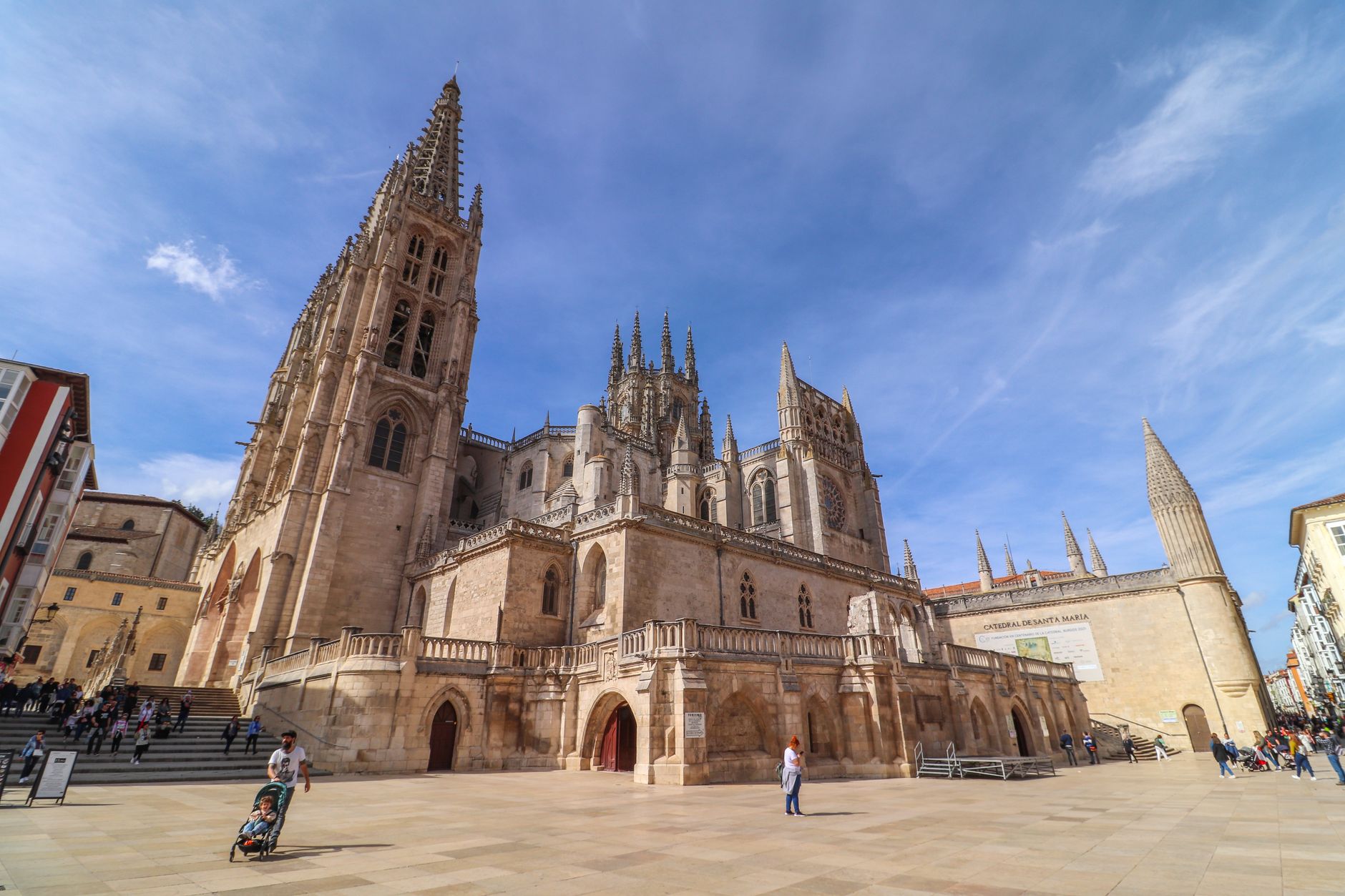
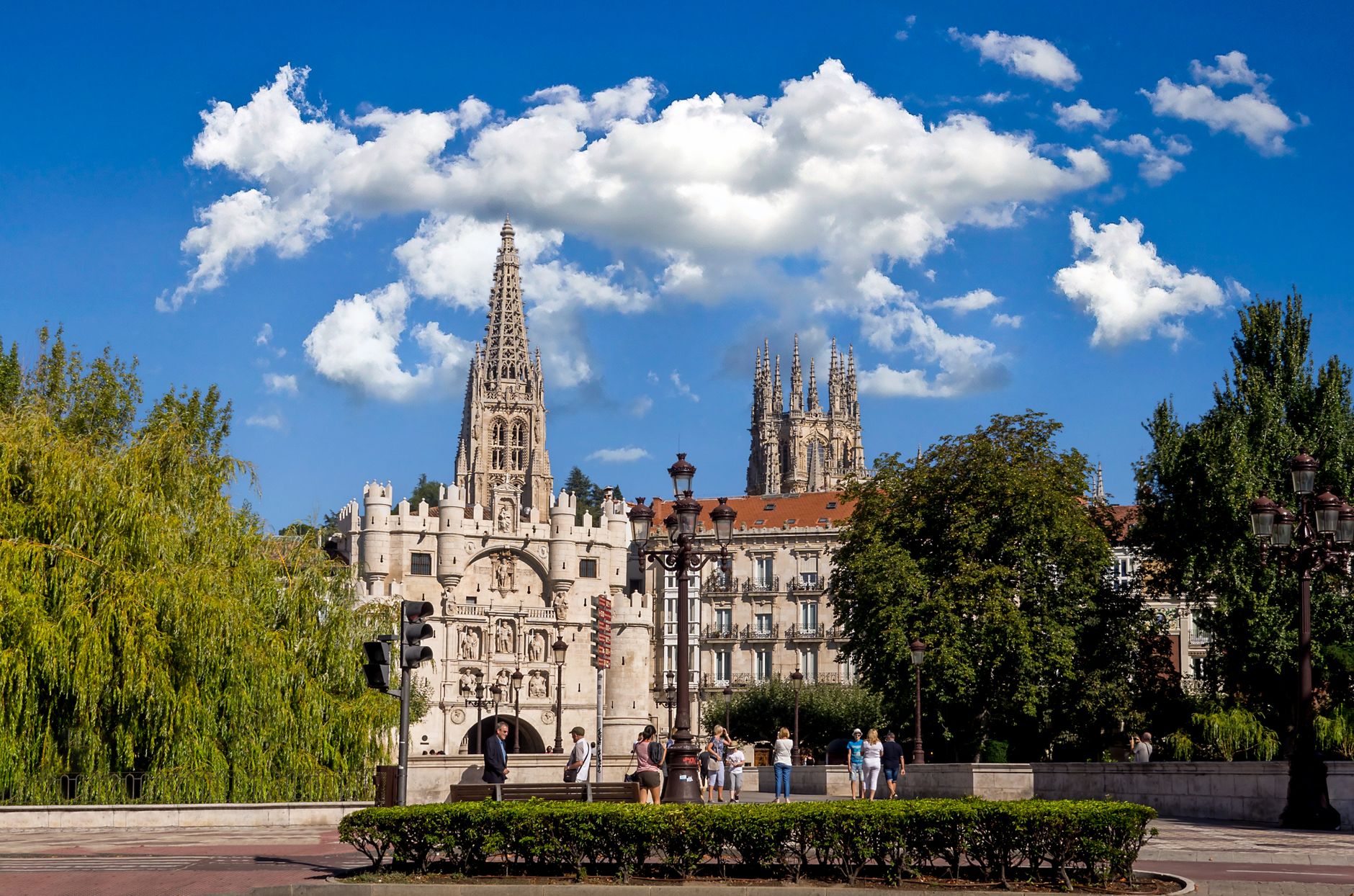
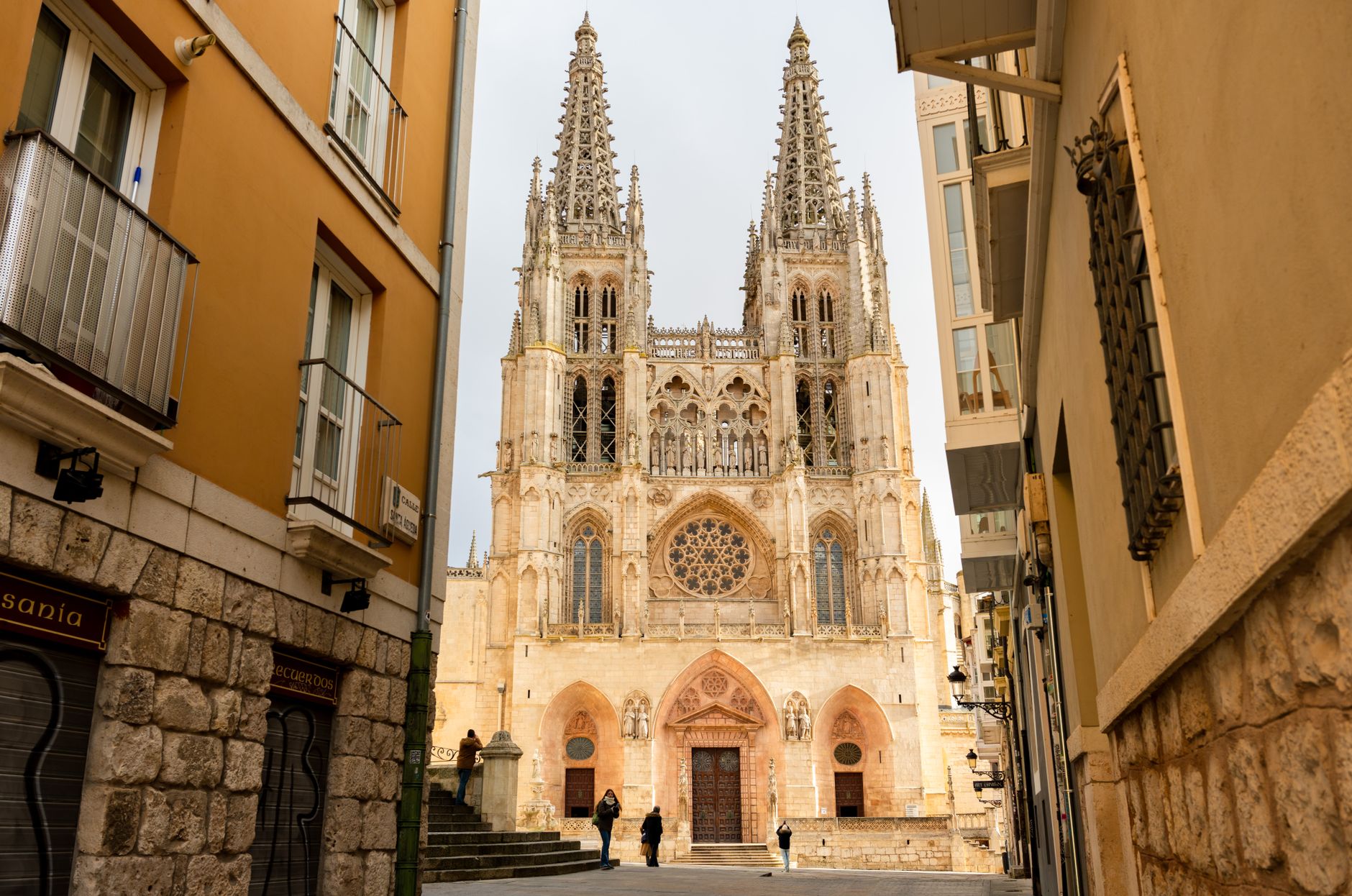
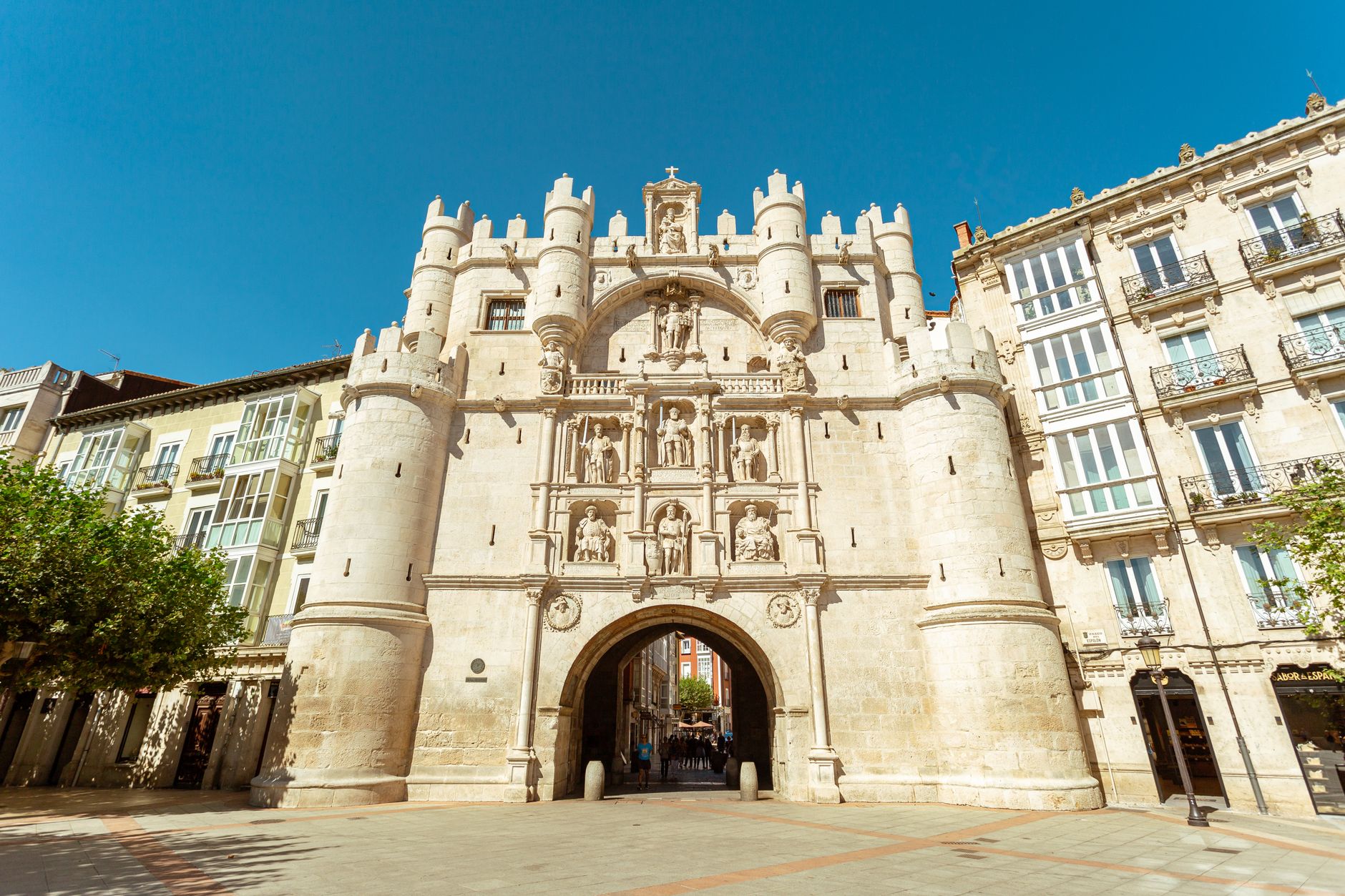
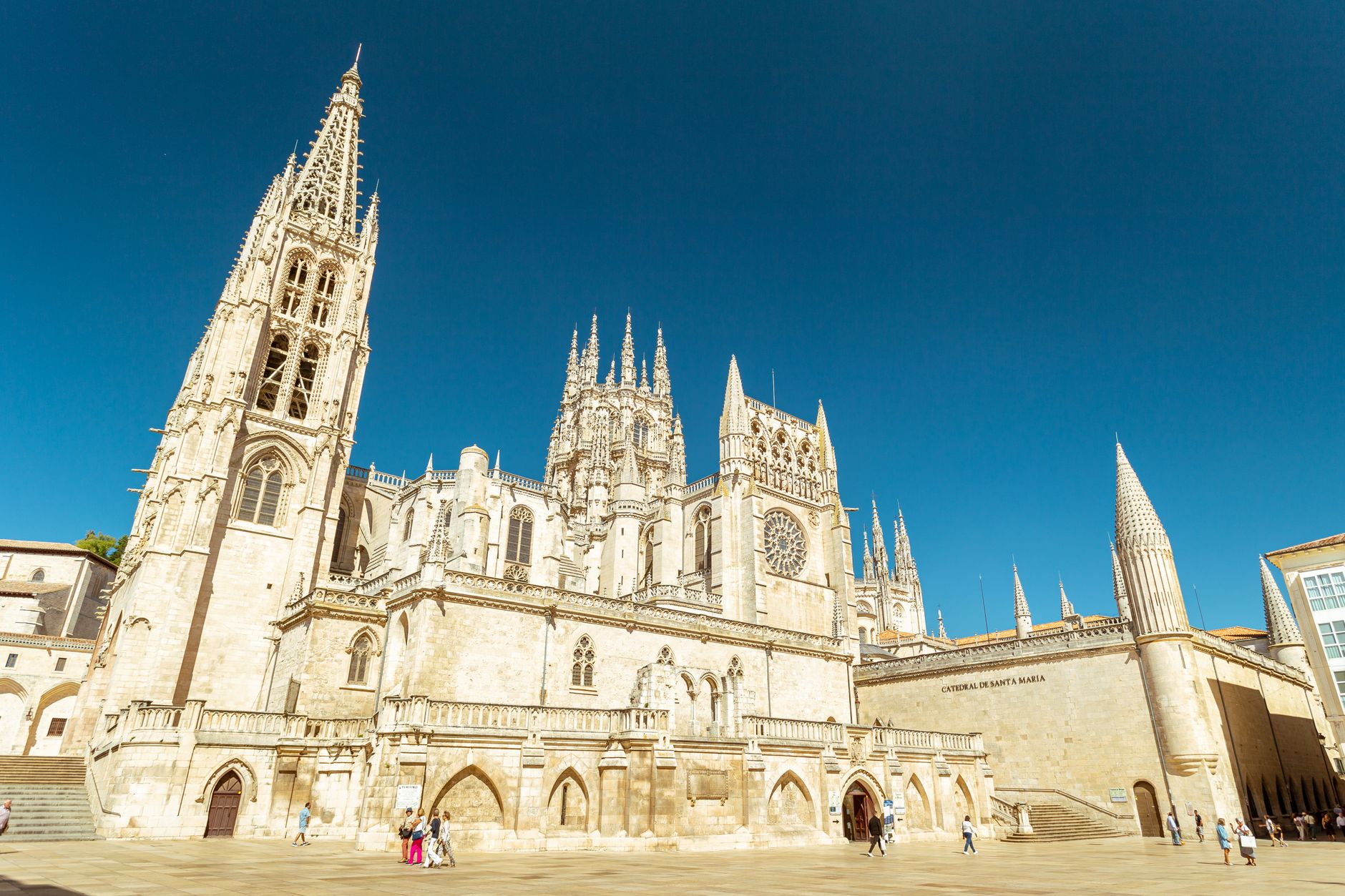
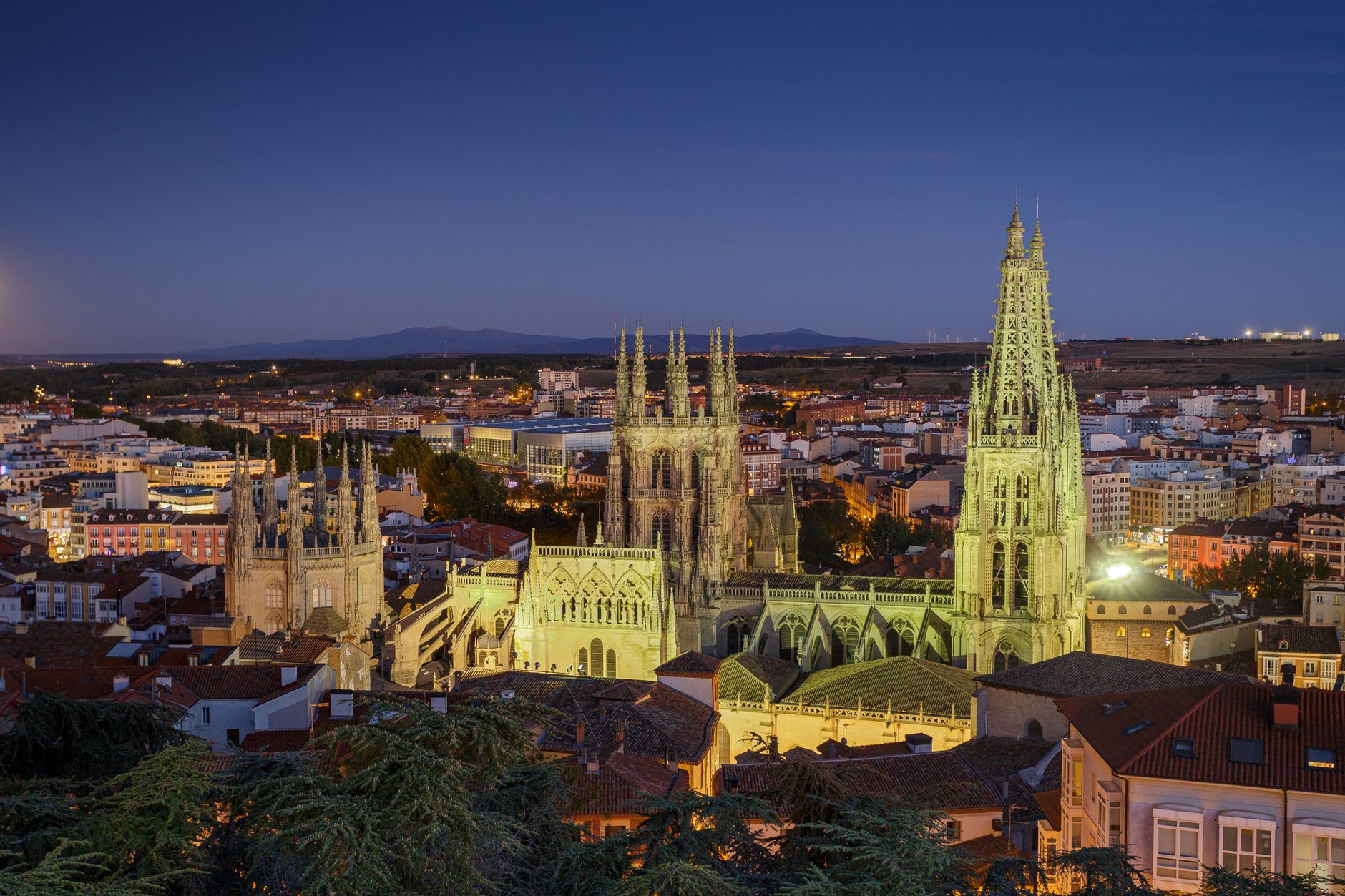
Stand inside the Burgos Cathedral long enough and your eyes adjust to the stone lacework overhead — ribs and tracery climbing toward a vault that took three centuries to finish. The building began in 1221 when Bishop Mauricio, fresh from studying French Gothic churches, set the first stone alongside King Ferdinand III. What went up around it over the following decades became the capital of medieval Castile: a wool-trade powerhouse, a Camino de Santiago waypoint, a city whose wealth and ambition left marks you can still pace out on foot.
Burgos sits on the Castilian meseta at altitude, the River Arlanzón cutting a clean line through the centre. The old city is compact enough to cover in a day, but the depth of what's here — Romanesque abbeys, a Carthusian monastery, a museum built over one of Europe's most significant fossil sites — rewards more time.
💛 What travellers fall for
People who return to Burgos tend to mention the same moment: walking out to the Cartuja de Miraflores early, before tour groups arrive, to stand in front of the alabaster royal tombs in the near-silence of a Carthusian church. They also mention the cold — bring a layer even in May, and budget time for a long lunch somewhere off the cathedral square.
Experiences you don't want to miss




Deals in Burgos
Book directly at the provider

How Burgos came to be
Count Diego Rodríguez Porcelos founded Burgos in 884 on the orders of King Alfonso III, planting a fortress on the meseta to hold the northern Christian frontier during the Reconquista. The castle he built on the hill above the river is largely gone — Napoleon's troops demolished much of it during the Peninsular War — but the city that grew below it became one of medieval Spain's most consequential.
By the 11th century Burgos was the capital of a unified Castile, and its wealth came from merino wool: in 1494 the Crown placed all of Castile's foreign wool trade under the Burgos Guild. The city also produced or sheltered figures who shaped a wider world — El Cid, born a few kilometres north in Vivar, is buried in the cathedral; Francisco de Vitoria, born here in 1483, went on to write the first systematic arguments for what we now call human rights.
Who and what shaped it
People who shaped it
Landmark buildings
See Burgos in motion
Plan your visit
On the map
When to go
Burgos has a continental edge: winters are genuinely cold, with frost common from November through March, and the wind off the meseta has teeth. Summers run hot and dry, with long sunny days. Spring and September offer the steadiest conditions for walking the city.
Right now
Background & history adapted from Wikipedia (CC BY-SA) · specs from Wikidata (CC0) · weather from Open-Meteo · map data © OpenStreetMap contributors · photos from Wikimedia Commons / Unsplash with per-image credit. No third-party reviews or social posts reproduced.