
Bressanone
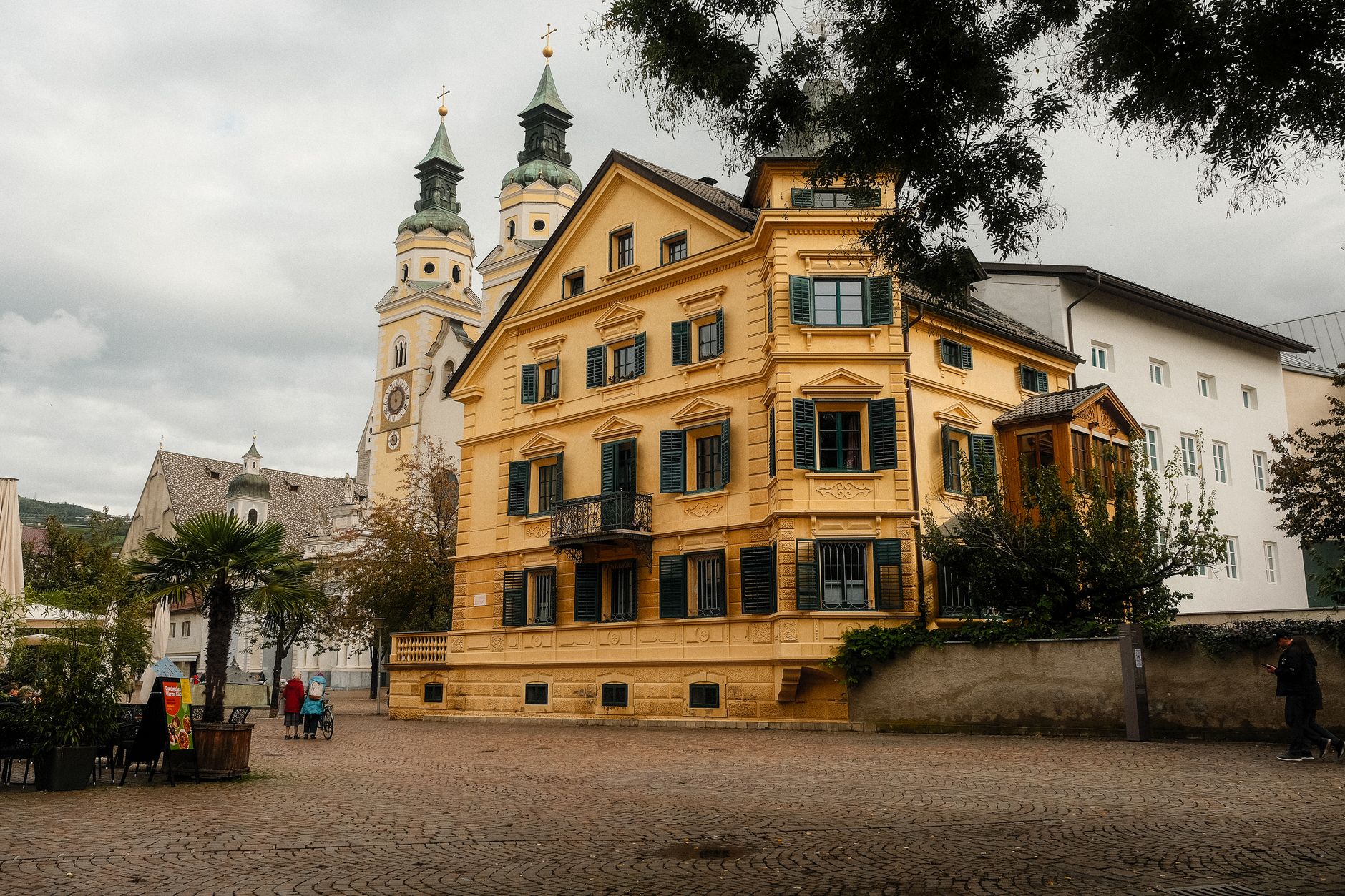
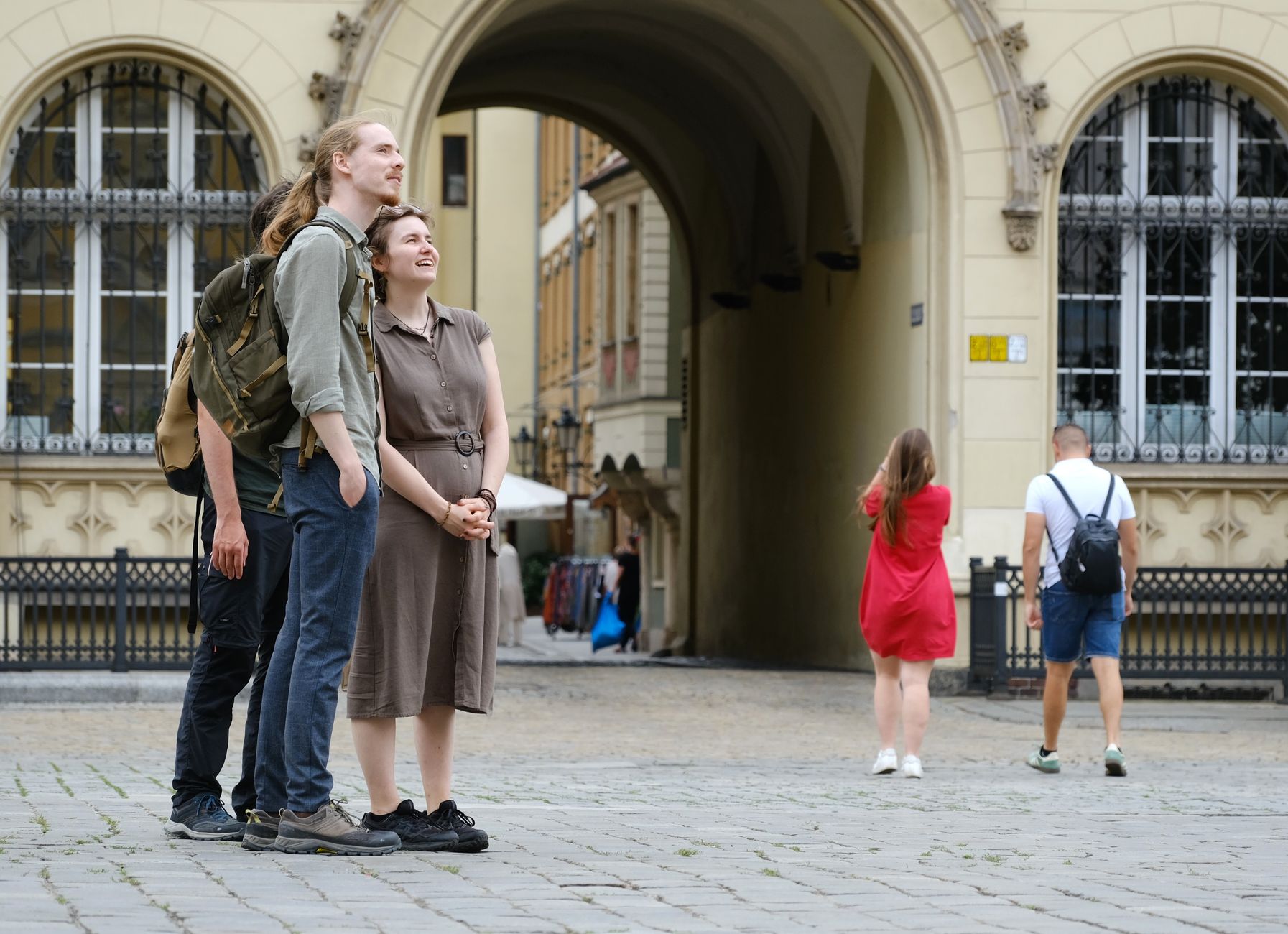
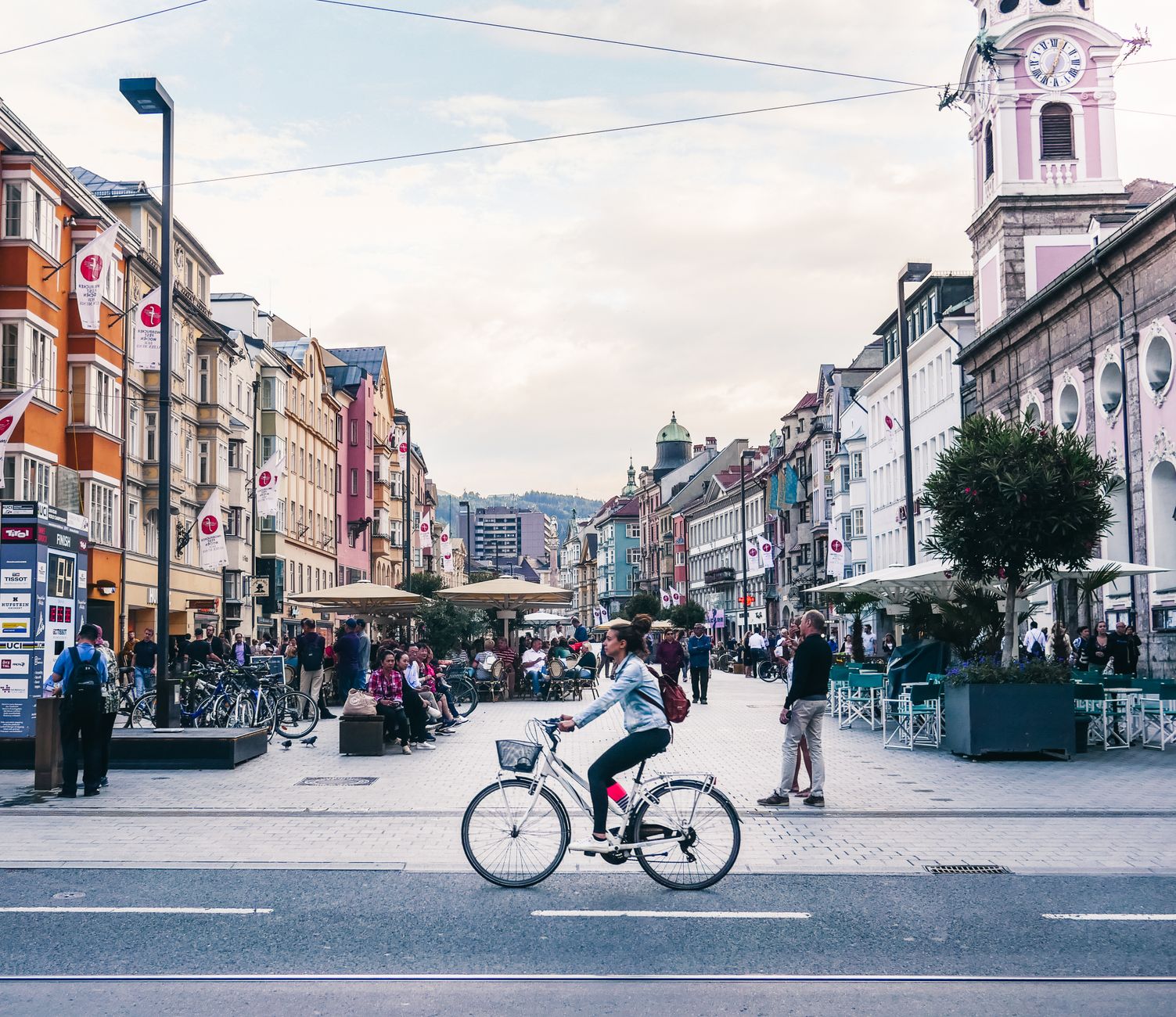
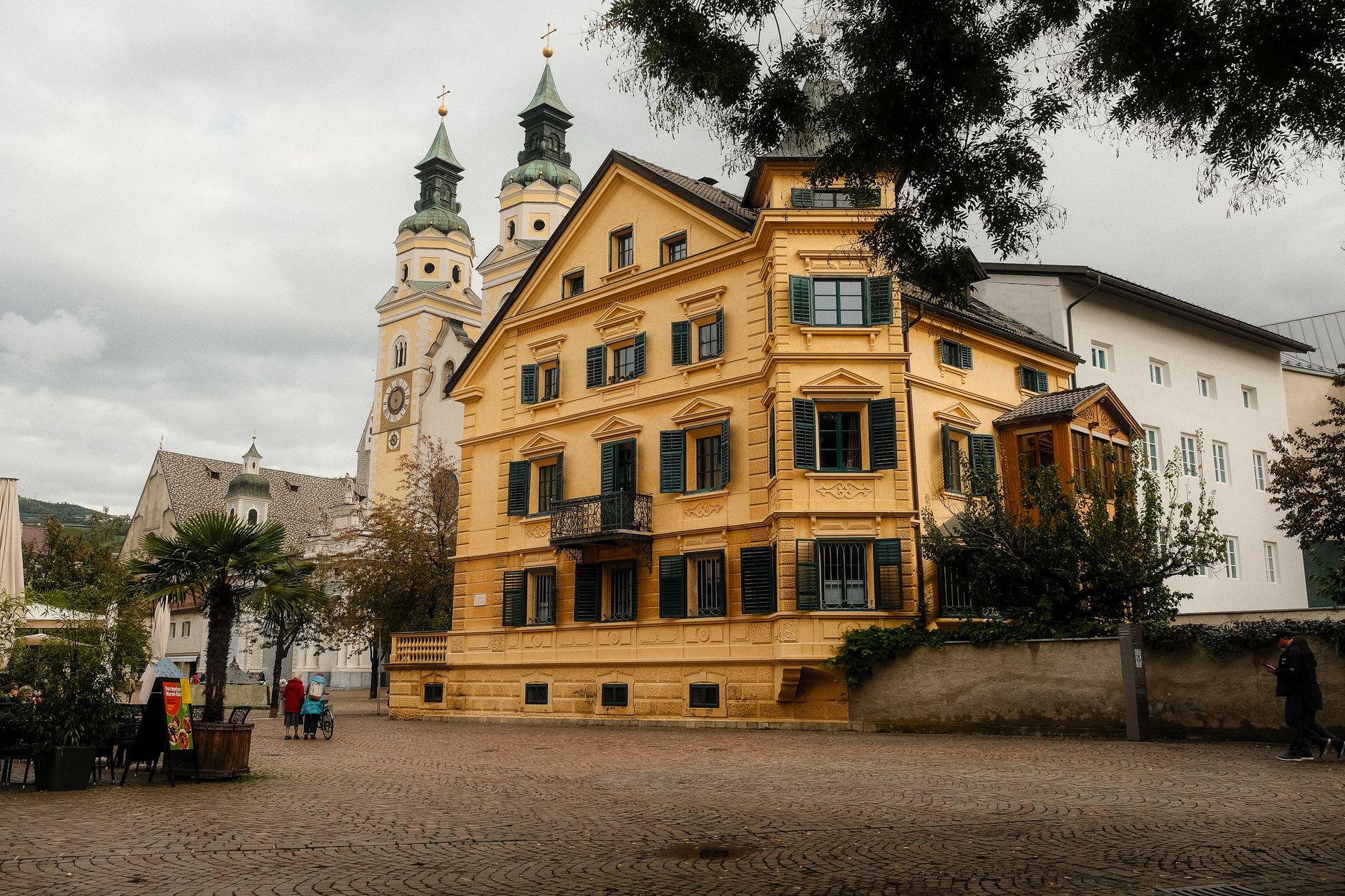
The thing that stops you on Domplatz is the scale of it — a cathedral, a parish church, a town hall, all closing in around a square that feels designed for something grander than a Tuesday morning. Bressanone is a small city in the upper Eisack valley, but for the better part of a thousand years it was the seat of a prince-bishopric, and the architecture hasn't forgotten that.
The streets run between German and Italian without quite settling on either — menus, shop signs, and conversations shift between the two, a residue of the South Tyrolean border history that shaped this valley. The old town is compact and walkable, anchored by the cathedral and the Hofburg, with the Torre Bianca marking the skyline at 71 metres.
💛 What travellers fall for
People who return tend to mention the Cathedral Cloister unprompted — the late Gothic frescoes across the archways, painted by artists from the Brixen and Bruneck schools between roughly 1370 and 1510, reward more than a single pass. The Pharmacy Museum on the main street is a quiet surprise: alchemical tools, ceramic jars, original fittings — easy to miss, worth the detour.
Experiences you don't want to miss




Deals in Bressanone
Book directly at the providerHow Bressanone came to be
The settlement appears in records as early as 827 AD under the name Pressena, but the city's founding is dated to 901, when Holy Roman Emperor Louis the Child granted it to Bishop Zacharias of Säben. Before 990, the episcopal see transferred from Sabiona Monastery down into the valley, and Bressanone became the centre of a powerful ecclesiastical principality that held sway over the region for centuries. Emperors passed through on their way across the Brenner, and the bishops built accordingly.
In 1142, Bishop Hartmann — later beatified — founded Novacella Abbey just outside the city walls, an institution that still operates today. The cathedral was repeatedly damaged by fire and rebuilt, its current Baroque interior dating to a reworking between 1745 and 1758. The prince-bishopric's authority eventually wound down, and the diocese itself relocated to Bolzano in 1964, but the city's monumental centre remains a legible record of what it once was.
Who and what shaped it
People who shaped it
Landmark buildings
See Bressanone in motion
Plan your visit
On the map
When to go
Summers are warm rather than hot, with July averaging around 7 hours of sunshine a day, though August brings frequent rain — pack accordingly. Winters are cold, with December and January dipping below freezing, and the city's Christmas market runs from late November through Epiphany.
Right now
Background & history adapted from Wikipedia (CC BY-SA) · specs from Wikidata (CC0) · weather from Open-Meteo · map data © OpenStreetMap contributors · photos from Wikimedia Commons / Unsplash with per-image credit. No third-party reviews or social posts reproduced.