
Braubach
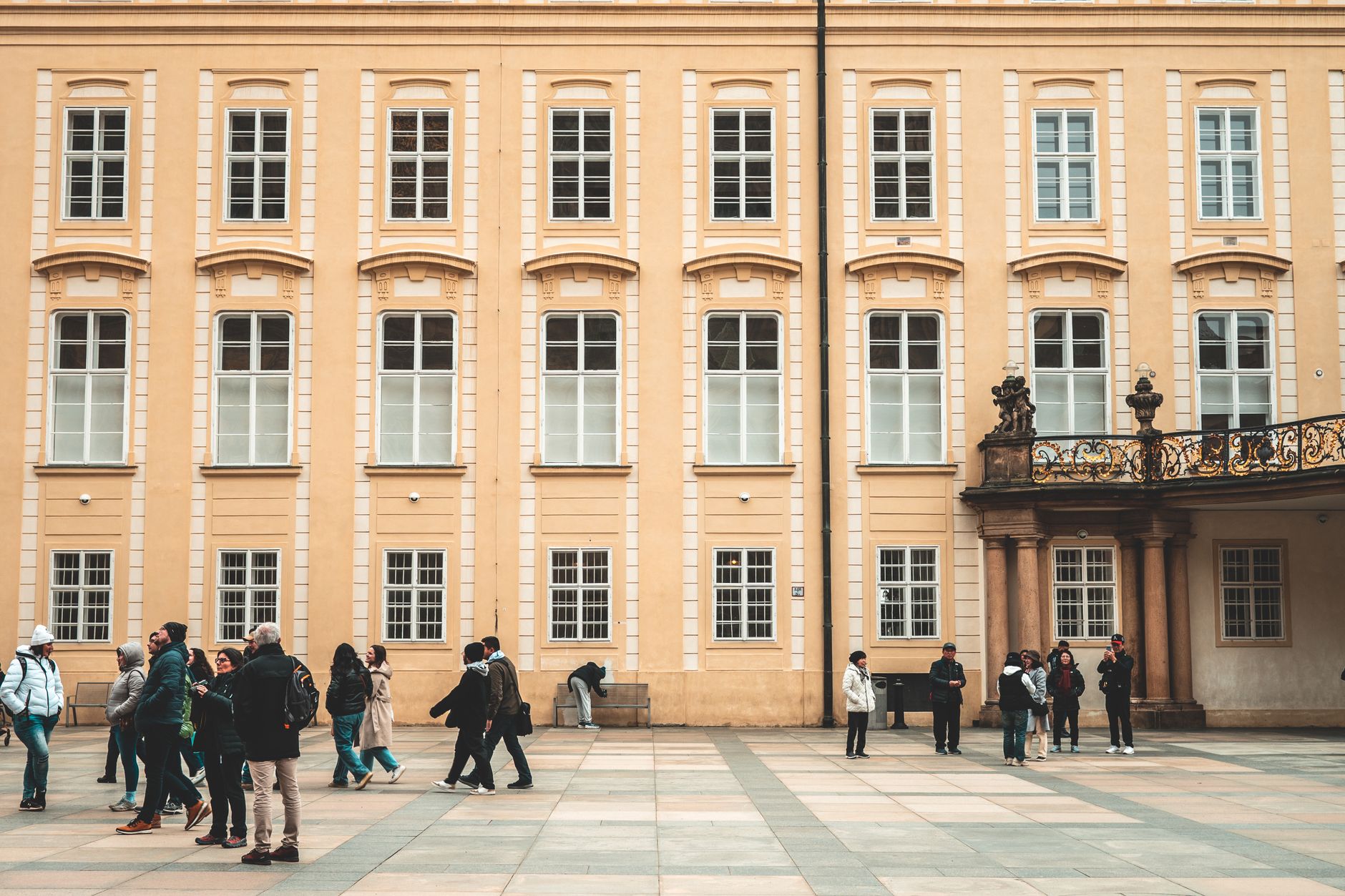
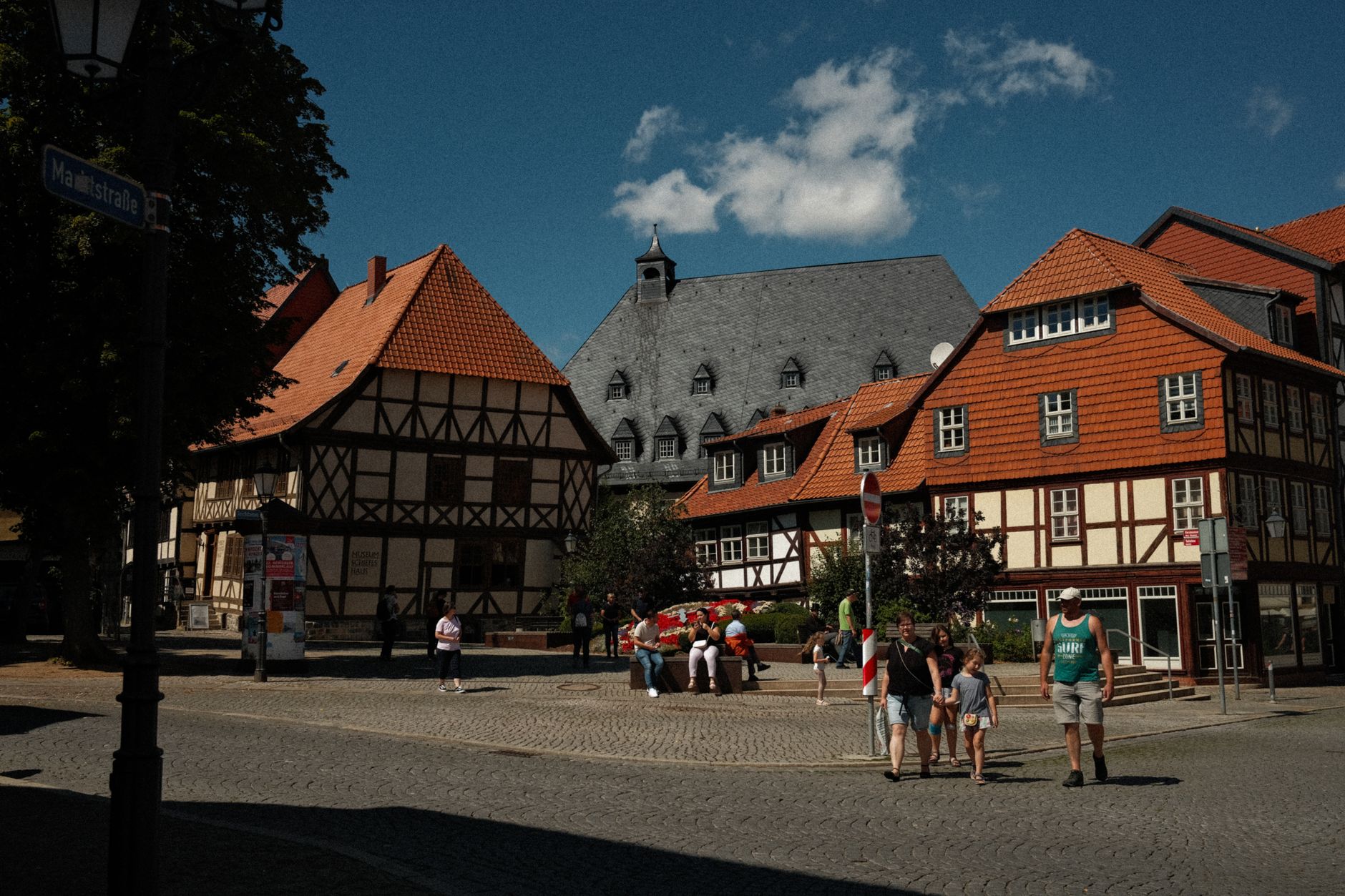
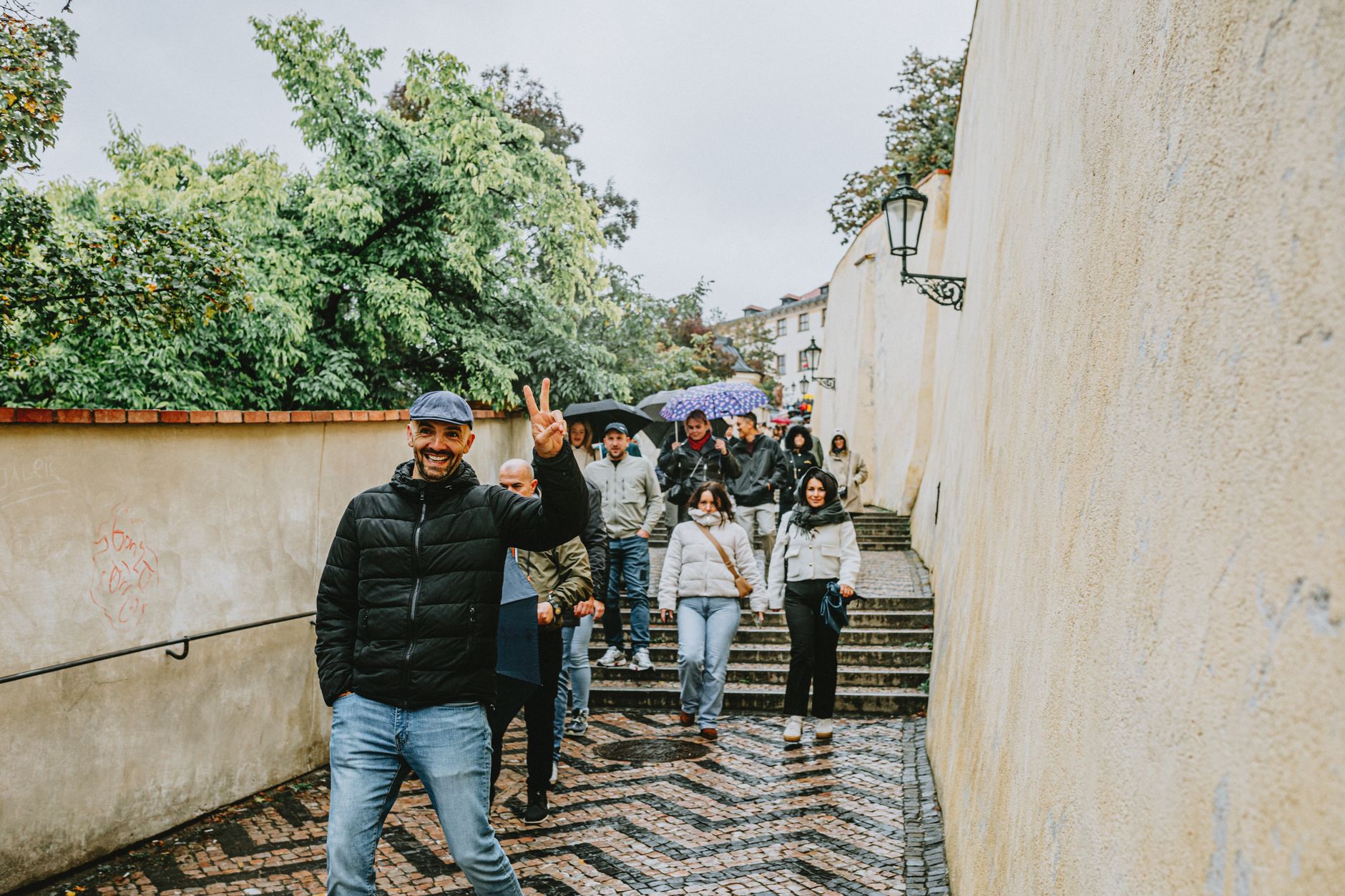
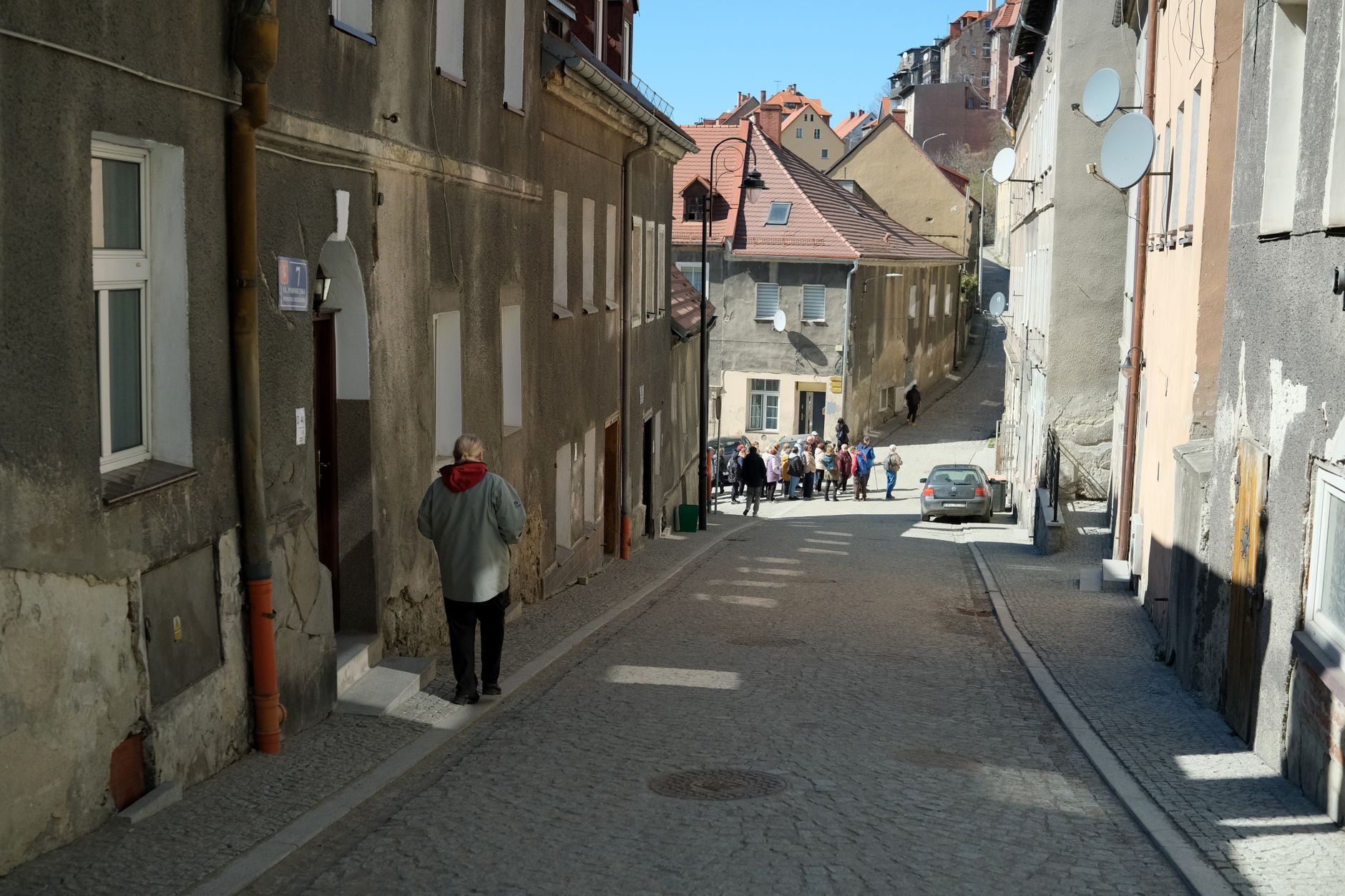
A single castle has kept Braubach honest for nine centuries. Marksburg rises from its hill above the right bank of the Rhine — 39 metres of keep at its centre, its walls never breached, never left to ruin — and the small town below arranges itself quietly around that fact. Half-timbered houses from the 1590s and 1600s line Obermarktstrasse and Rosengasse, some still carrying carved inscriptions from the year they went up.
Braubach earned its first document in 691, and that document was about wine. The counts who passed the town between them — Arnstein, Eppstein, Katzenelnbogen, eventually Hesse — all understood this. By 1443 the local cellars were moving 84,000 litres a year. The Riesling and Pinot Noir poured on the Marktplatz today are a direct continuation of that accounting.
💛 What travellers fall for
People who come back tend to time the castle tour for the 1 p.m. English-language session, then spend the rest of the afternoon at the Rose Garden by the river before the day-trippers clear out. The Eckfritz House, a 1597 half-timbered building on the square, is the reliable choice for a proper sit-down meal afterward.
Experiences you don't want to miss


Deals in Braubach
Book directly at the provider


How Braubach came to be
Braubach appears in a charter of 933, but its connection to viticulture is documented even earlier, in 691. The town passed through several hands — the Counts of Arnstein, then the Lords of Eppstein, who held Marksburg from at least 1231. In 1276, King Rudolf of Habsburg granted Braubach the status of a free city; seven years later Count Eberhard I of Katzenelnbogen bought both town and castle outright.
The Katzenelnbogen line shaped much of what survives: they built the Gothic chapel dedicated to St Mark around 1340, giving the castle its current name. When their male line died out in 1429, the Landgraves of Hesse inherited and adapted the castle for artillery. Ownership eventually passed through Darmstadt and Nassau before the German Castles Association purchased Marksburg in 1900 for 1,000 Goldmarks — one of the better bargains in Rhine Valley history.
Who and what shaped it
People who shaped it
Landmark buildings
See Braubach in motion
Plan your visit
On the map
When to go
The Rhine moderates temperatures year-round, keeping the annual average around 10°C with roughly 615 mm of precipitation spread fairly evenly across the seasons. Spring and early autumn give you the most comfortable walking weather; summer is warmer and busier, winter quieter and sometimes grey but rarely severe.
Right now
Background & history adapted from Wikipedia (CC BY-SA) · specs from Wikidata (CC0) · weather from Open-Meteo · map data © OpenStreetMap contributors · photos from Wikimedia Commons / Unsplash with per-image credit. No third-party reviews or social posts reproduced.