
Bradford on Avon
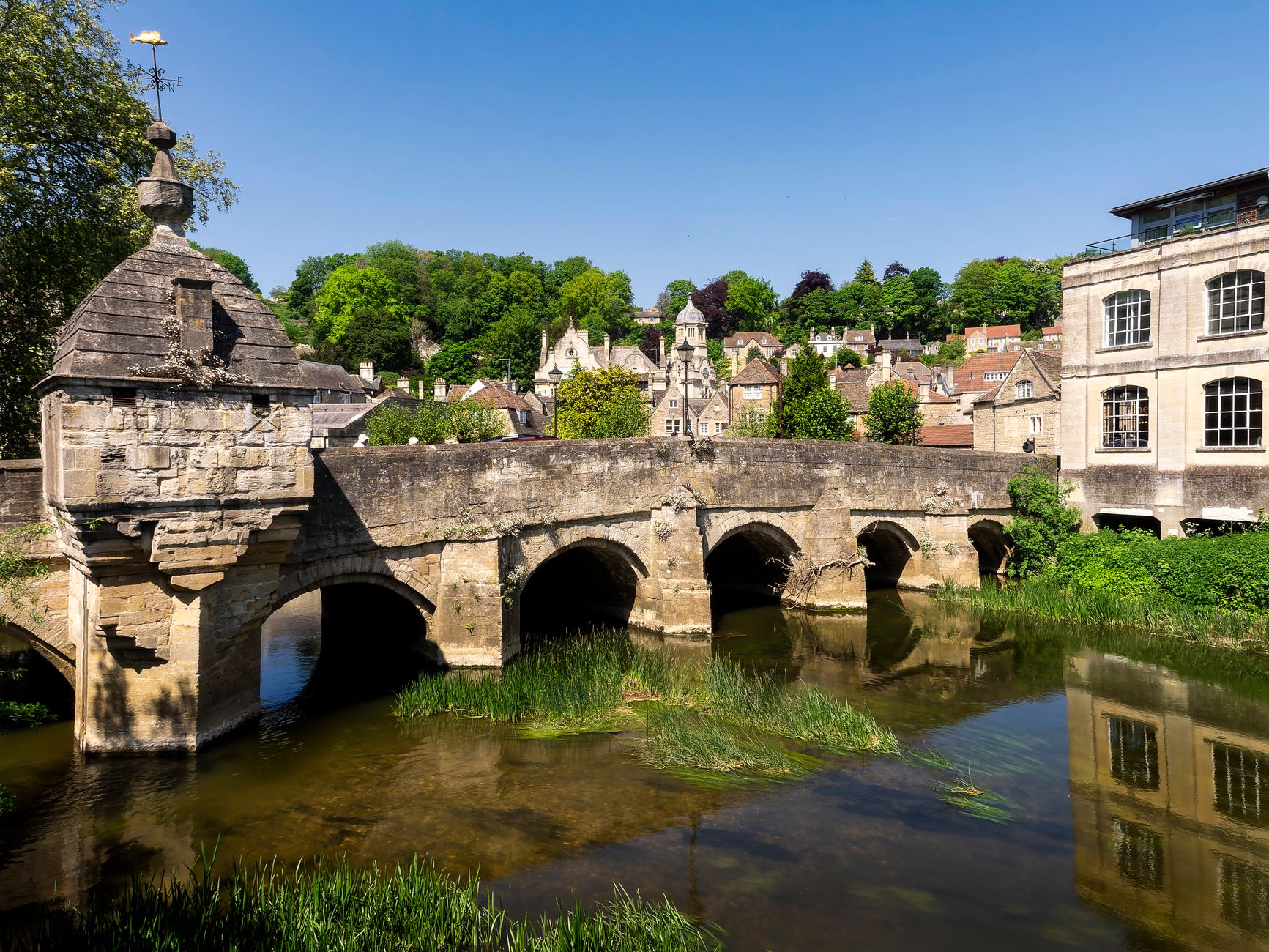
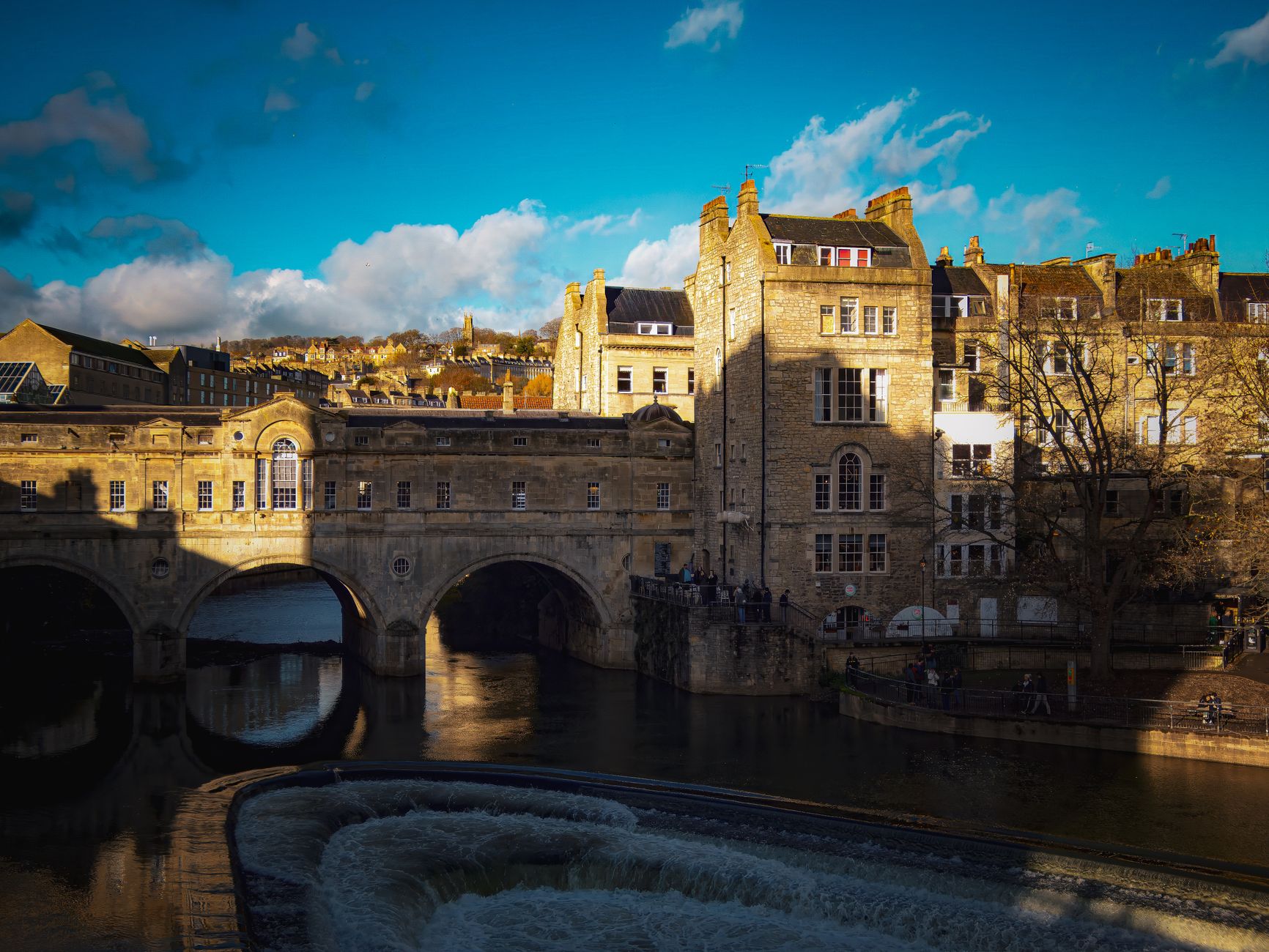
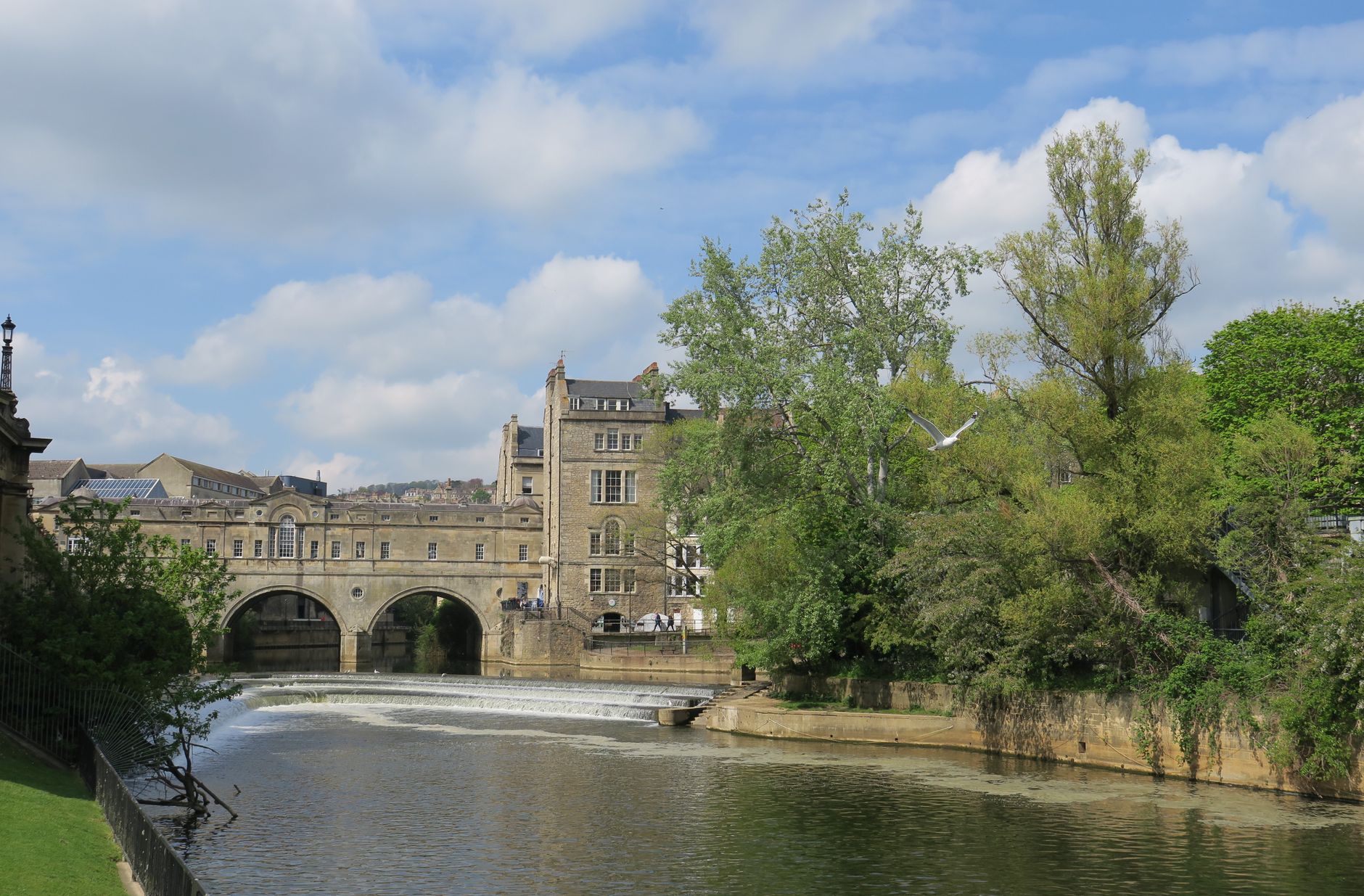
The first thing you notice in Bradford on Avon is the stone — honey-coloured Bath stone stacked up the hillsides in terraces of weavers' cottages, a Saxon church so small it spent centuries being used as a school and a lock-up before anyone remembered what it was. The River Avon cuts through the middle, and a medieval bridge carries a tiny former pilgrim chapel partway along it, its fish weather vane turning in the wind.
This is a wool town that outlasted its industry and kept its bones. Thirty mills once ran along the river; the last closed in 1905. What remains is a remarkably intact small town where the architecture spans thirteen centuries without making a fuss about it.
💛 What travellers fall for
People who come back tend to time a visit around the Tithe Barn at Barton Farm — free to enter, and genuinely vast, its 1330s oak roof doing things that make you stop mid-step. The walk along the canal towpath toward Avoncliff is a reliable second-morning ritual, and The Swan on the high street is the right place to end it.
Experiences you don't want to miss


Deals in Bradford on Avon
Book directly at the provider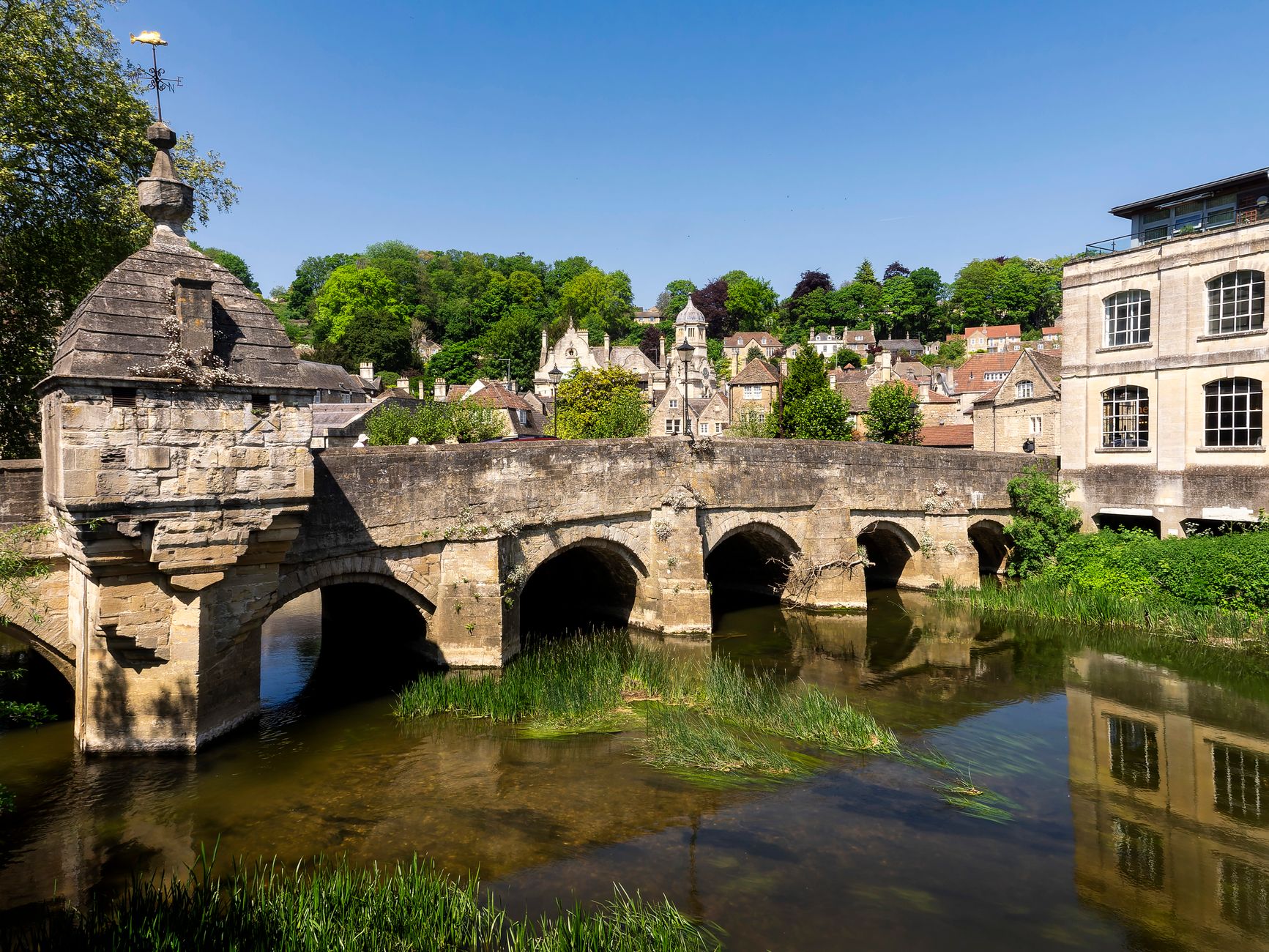
How Bradford on Avon came to be
The town's name records its origin: a broad ford across the Avon, where in 659 the Saxon king Kenwalh fought a battle. Around 700, St Aldhelm — Abbot of Malmesbury and a kinsman of King Ine — founded a small monastery here, and the tiny Church of St Laurence may date to his efforts around 705. By 1001, King Æthelred II had granted his Bradford estate to the Abbey of Shaftesbury, whose nuns later built the enormous Tithe Barn in the 1330s.
The town's second chapter came with wool. By the 17th century Bradford was prospering on the English cloth trade, and the Jacobean mansion known as The Hall, built around 1610 for mill-owner John Hall, is the period's most visible monument. The Kennet and Avon Canal opened fully in 1810, briefly extending the town's reach, but by 1905 the last mill had closed, the industry having migrated north to Yorkshire. A rubber factory established at Kingston Mill in 1848 by Stephen Moulton kept manufacturing alive until 1993.
Who and what shaped it
People who shaped it
Landmark buildings
See Bradford on Avon in motion
Plan your visit
On the map
When to go
Wiltshire winters are mild but grey and wet; the town's stone lanes and covered historic interiors make it a reasonable off-season destination. Spring and early autumn offer the best light for the terraced hillsides, with fewer visitors than the peak summer weeks.
Right now
Background & history adapted from Wikipedia (CC BY-SA) · specs from Wikidata (CC0) · weather from Open-Meteo · map data © OpenStreetMap contributors · photos from Wikimedia Commons / Unsplash with per-image credit. No third-party reviews or social posts reproduced.