Botany
The name comes from a road, and the road from a bay, and the bay from a voyage — James Cook's passage past Botany Bay in Australia left its trace here in East Auckland, where a suburb barely existed before the year 2000. Botany grew quickly around a single commercial anchor, Botany Town Centre, which opened in May 2001 and drew the streets, schools and apartment blocks in behind it.
Today the suburb reads as a working example of planned suburban growth: wide roads, ample parking, a Chinatown strip on Ti Rakau Drive stretching across nearly 7,000 square metres, and a covered market under the Hoyts car park where more than fifty food stalls operate alongside craft sellers and live entertainment. It is East Auckland's commercial centre of gravity.
💛 What travellers fall for
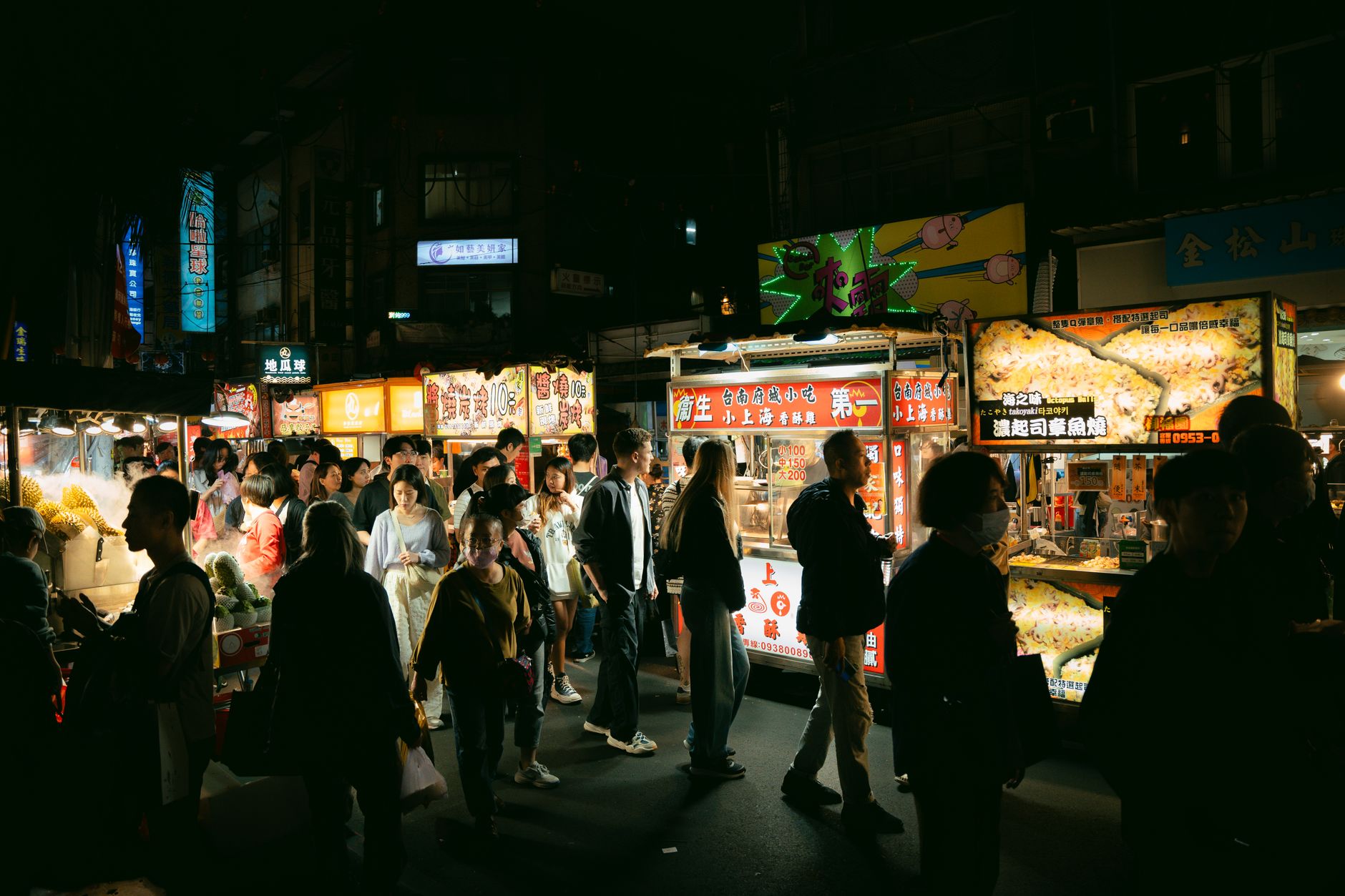
Regulars tend to know the covered market under the car park rather than the main mall floors — it runs on its own rhythm, and the food options cycle often enough to reward repeat visits. The Chinatown stretch on Ti Rakau Drive is worth a separate trip from the Town Centre proper; it's a different crowd and a different pace.
Deals in Botany
Book directly at the providerHow Botany came to be
Before Botany Road was a road, the route was likely a moa track, later shaped into inland ara — walkways — by Ngāi Tai ki Tāmaki. European settlement turned the land to farming, and it stayed that way through most of the twentieth century. In 1946, the flat land west of what would become Botany was seriously considered for Auckland's new international airport; the decision went instead to Māngere.
The suburb's name became official around 1999, and the opening of Botany Town Centre in 2001 accelerated everything. Manukau City Council embedded a library — branded an 'idealibrary' — inside the centre in 2004, signalling that this was meant to function as a community hub, not just a retail precinct. A three-area redevelopment began its first stage in May 2019.

Who and what shaped it
Landmark buildings
Plan your visit
On the map
When to go
Summers run warm around 20°C with long, dry stretches between December and February — the most comfortable time to be outdoors near the Kilkenny Drive walkway or the Chinatown strip. Winter is mild but genuinely wet, with June through August bringing the bulk of the annual 1,200mm of rain; the covered market under the car park becomes a more appealing option in those months.
Right now
Background & history adapted from Wikipedia (CC BY-SA) · specs from Wikidata (CC0) · weather from Open-Meteo · map data © OpenStreetMap contributors · photos from Wikimedia Commons / Unsplash with per-image credit. No third-party reviews or social posts reproduced.