




★★★★★
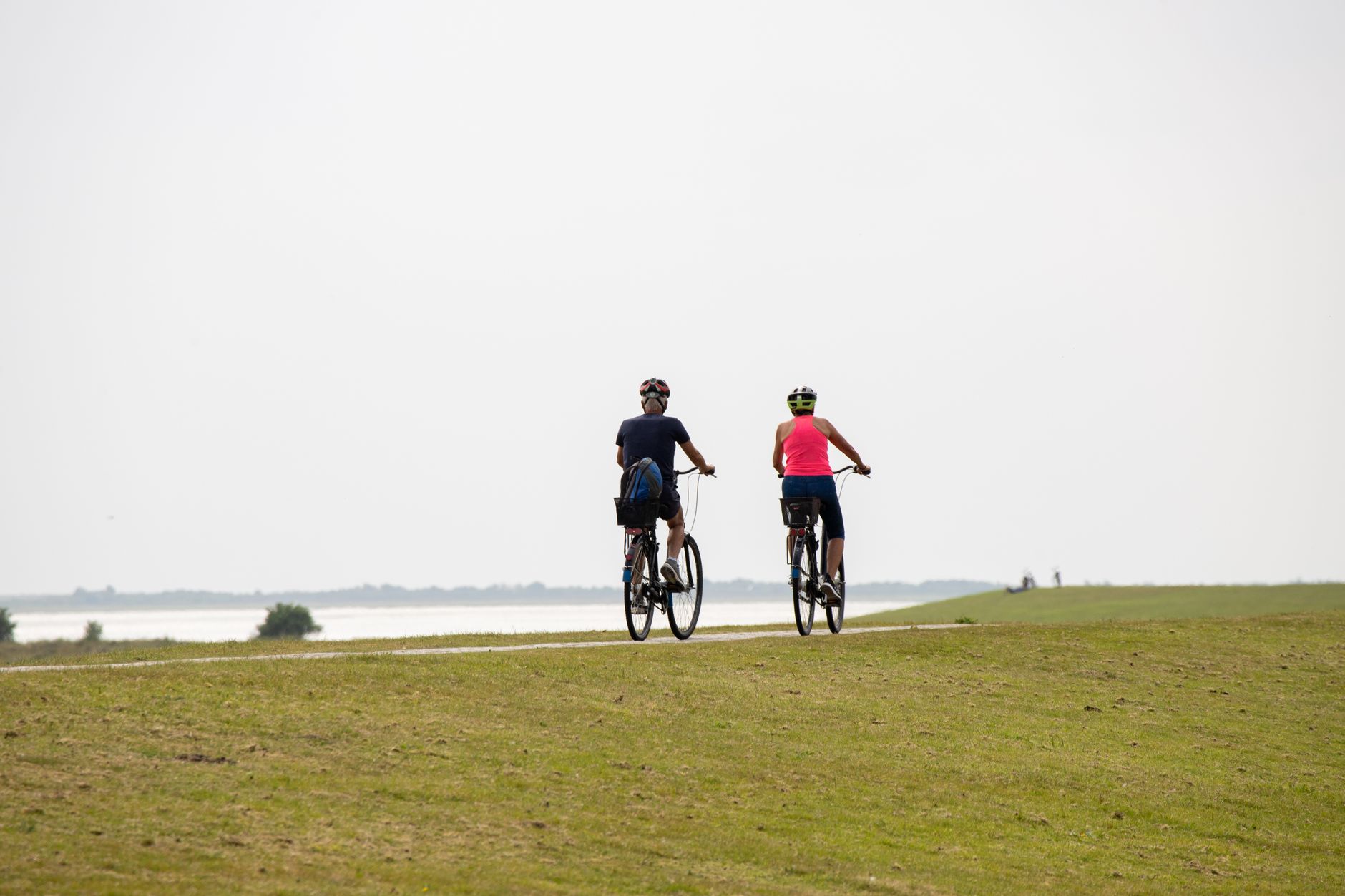
I had the nicest weekend in Borkum, I felt like living in a fairy tale. I absolutely adored going by bike in nature and admiring all the beautiful landscapes! Can't wait to go back there.
On Wilhelm Bakker Street, a fence made of whale bones still stands outside a house built by a whaling commander more than two centuries ago. That detail tells you most of what you need to know about Borkum: this is an island that carries its past in plain sight, in the bones of the animals that once made it rich, in three lighthouses built across four centuries, and in the layered architecture of a place that reinvented itself from whaling station to North Sea resort without quite erasing what came before.
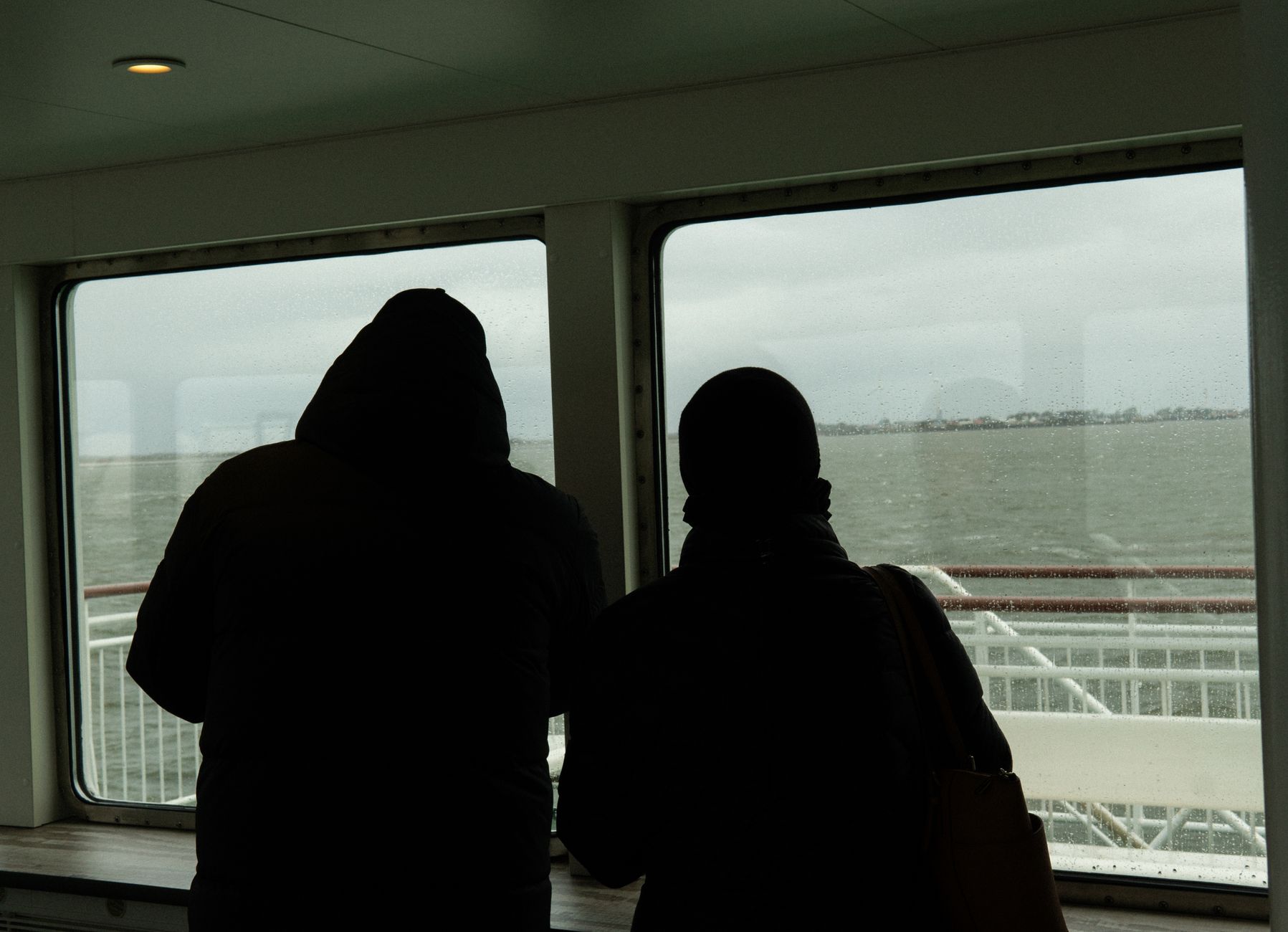
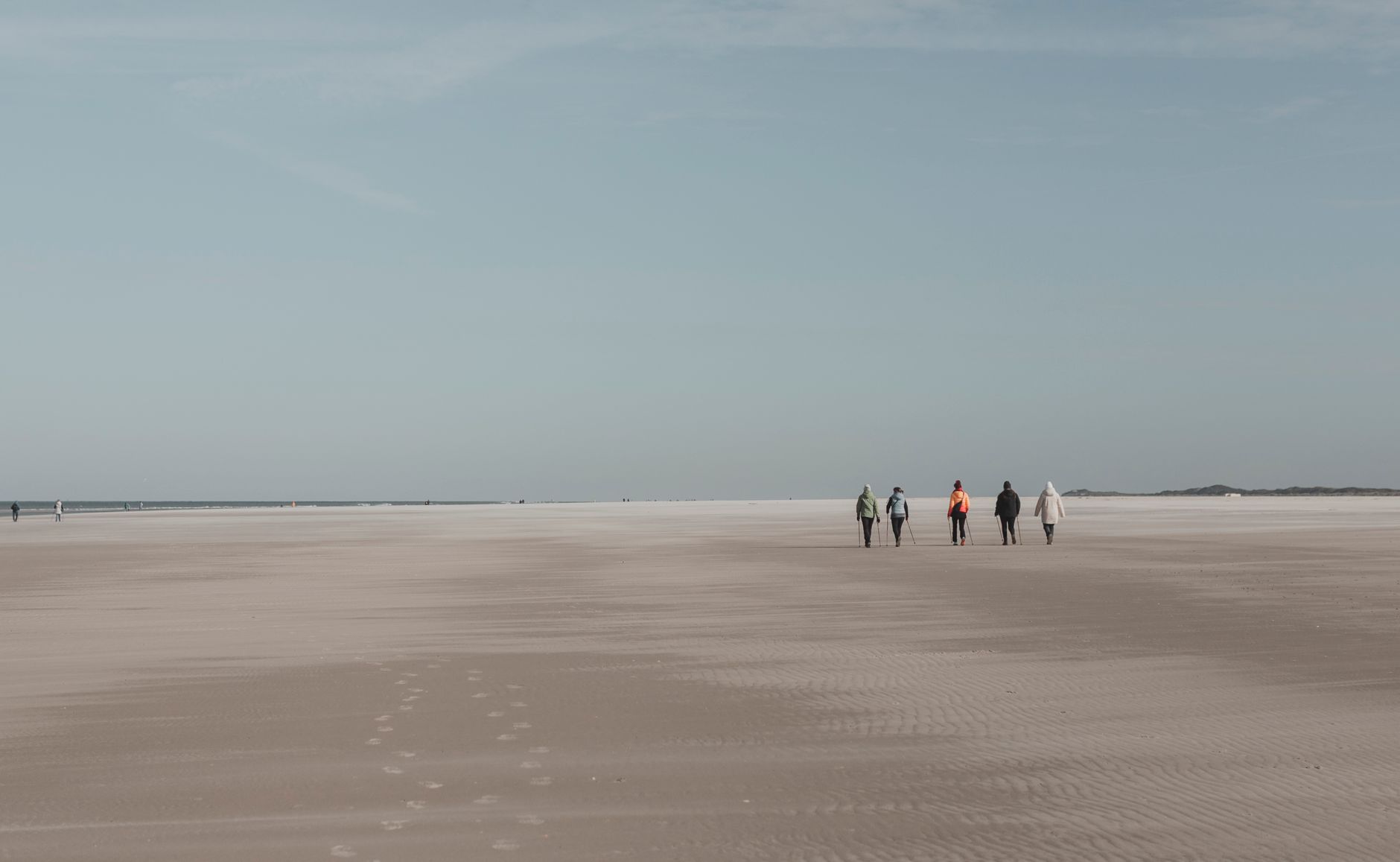
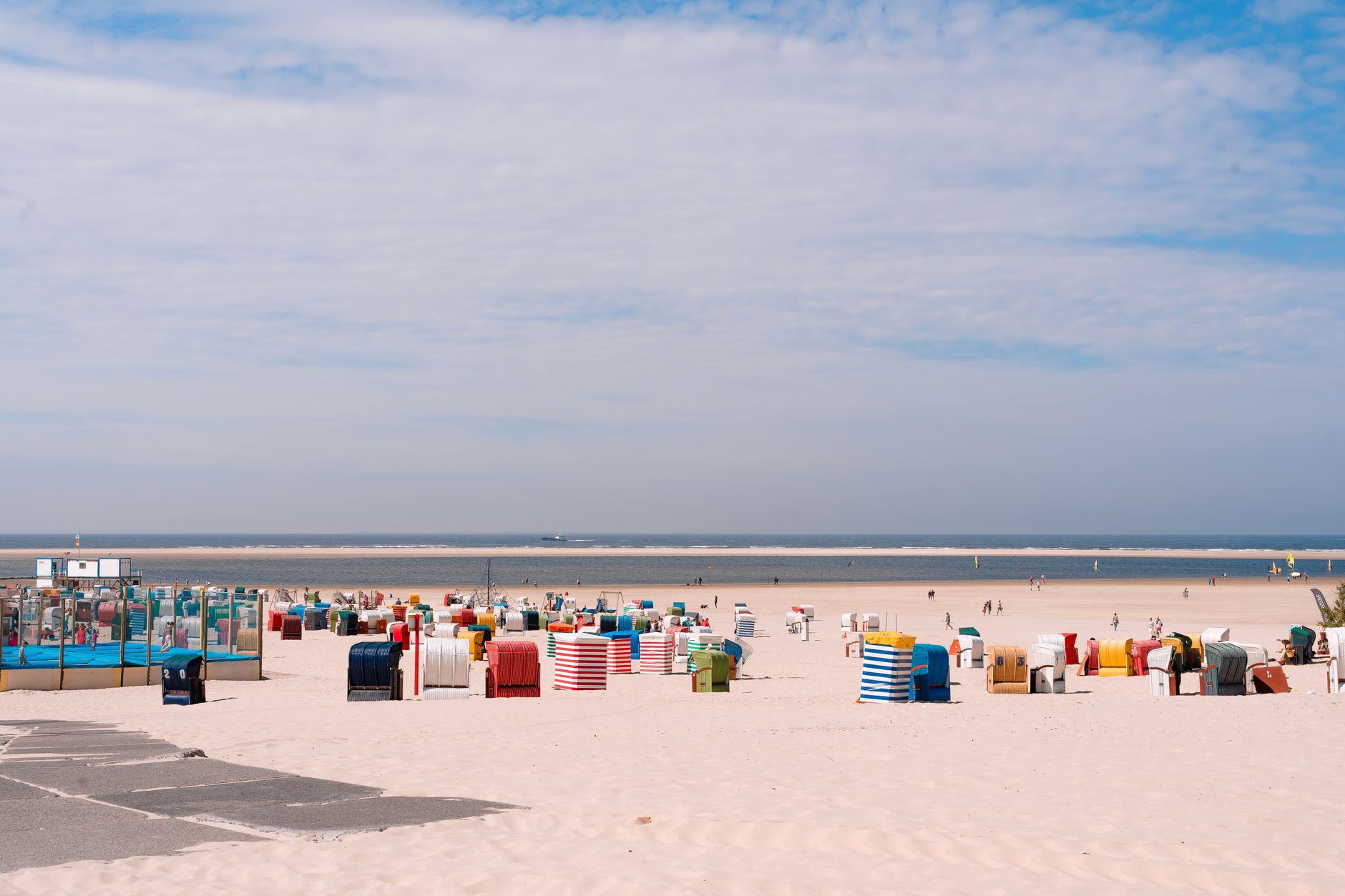
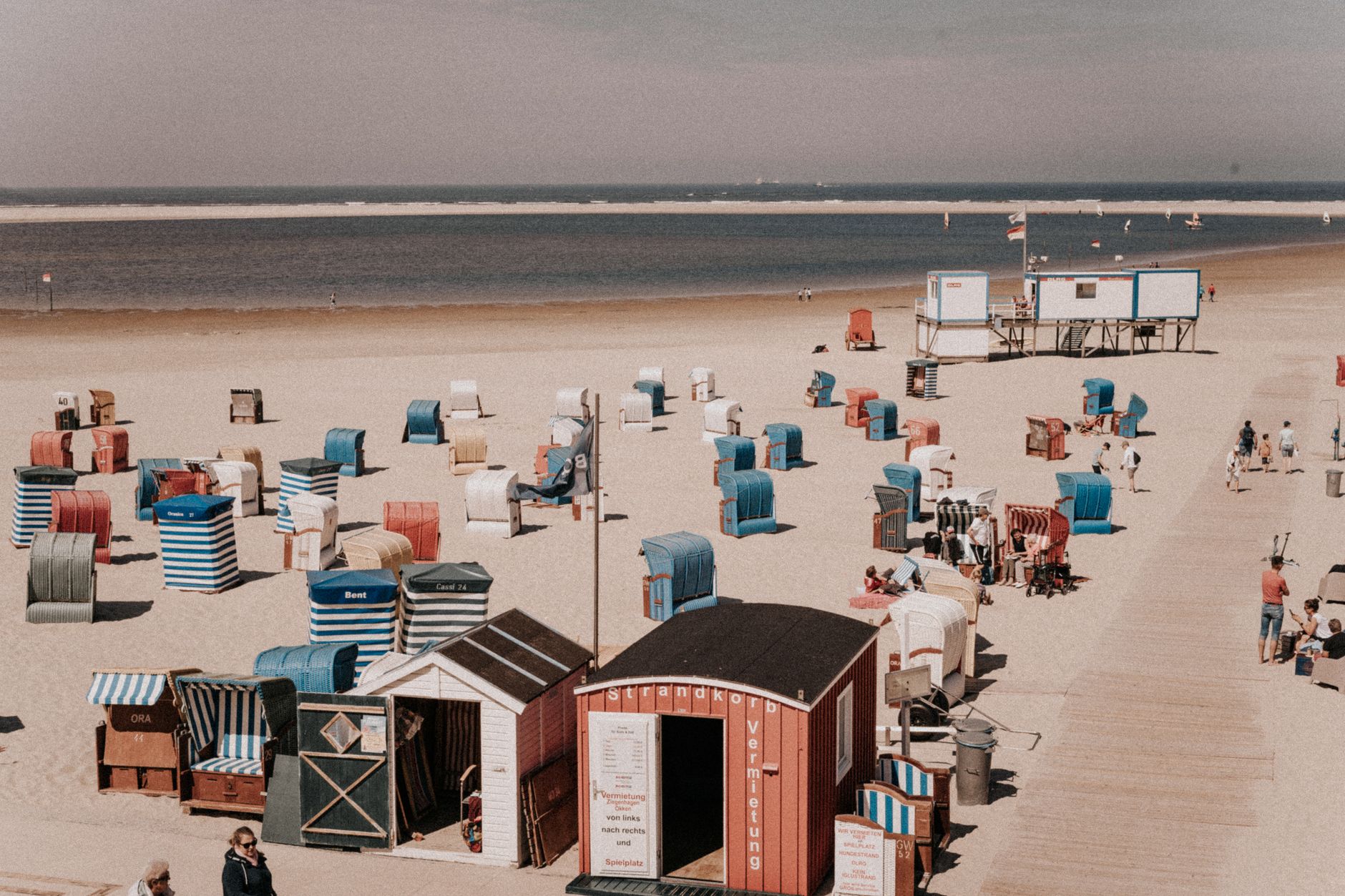
The largest of the East Frisian Islands, Borkum sits at the mouth of the Ems estuary with 26 kilometres of sandy beach and an air that genuinely feels different — salt-heavy, iodine-rich, scoured by persistent westerlies. The narrow-gauge railway that meets the ferry at the harbour has been running since the resort era; the Dykhus Museum entrance is still framed by a whale jawbone gate.
People who return tend to have a favourite lighthouse rotation — the 1576 Alter Leuchtturm at dusk, then the 60-metre west-side tower the next morning. Regulars also know to book the panoramic sauna at Gezeitenland on grey afternoons, when the North Sea light turns pewter and the indoor FlowRider suddenly makes complete sense.
Pliny the Elder and Strabo knew this island as Burchana. Its first documented mention under a recognisable name comes from 11 September 1398, and by 1484 it had passed to the Earls of East Frisia — a period when Borkum was as much a base for piracy and whaling as for anything settled. The whaling economy peaked and then collapsed: between 1776 and 1811 the population fell from 852 to 406. Storms in 1781 had already split the neighbouring island of Bant into three pieces; in 1863, two previously separate parts of Borkum itself merged into a single landmass.
The pivot came in 1834 when the first tourists arrived, and by 1844 Dr. Ripking had founded a tourist association and installed the island's first bathing facilities. The architecture followed in waves — red-brick whaler houses from the earlier centuries, then Neo-Renaissance resort hotels in the late 1800s, then the white-facade Bäderarchitektur villas with their verandas and turrets in the early twentieth century. Tönjes Kieviet, who ran the municipality from 1892 to 1932, managed much of that physical transformation. Wilhelm Busch, who visited repeatedly, helped spread the island's reputation among German readers.
Borkum has a true oceanic climate — mild rather than warm, with persistent westerly winds and skies that change their mind frequently. August is the warmest month at around 18°C on average; winter is damp and occasionally gale-driven, though hard frosts are rare.
I had the nicest weekend in Borkum, I felt like living in a fairy tale. I absolutely adored going by bike in nature and admiring all the beautiful landscapes! Can't wait to go back there.
Tip Top
I love Borkum. It's great for long walks on the beach. But my kid also found enough to keep him active all day.
Fair enough to be sincere wasn't bad at all
Nice holiday place for Beaches, good for kids and all ages. Biking and looking for good food
Background & history adapted from Wikipedia (CC BY-SA) · specs from Wikidata (CC0) · weather from Open-Meteo · map data © OpenStreetMap contributors · photos from Wikimedia Commons / Unsplash with per-image credit. No third-party reviews or social posts reproduced.
We started Yeppa because finding real travel inspiration felt harder than it should be. The site is young and we're a small team, so we genuinely need the help of early visitors like you: if anything looks broken, odd or just plain wrong, we'd love to hear about it.
Tell us what you ran into: a broken link, a wrong photo, anything odd. We read every message.
Your note is on its way to us. It makes Yeppa better for everyone.
Subscribe to the newsletter and get travel deals & inspiration for trips that start near you.
Check your inbox and confirm your subscription. From then on we'll send you travel deals & inspiration.