
Bonn
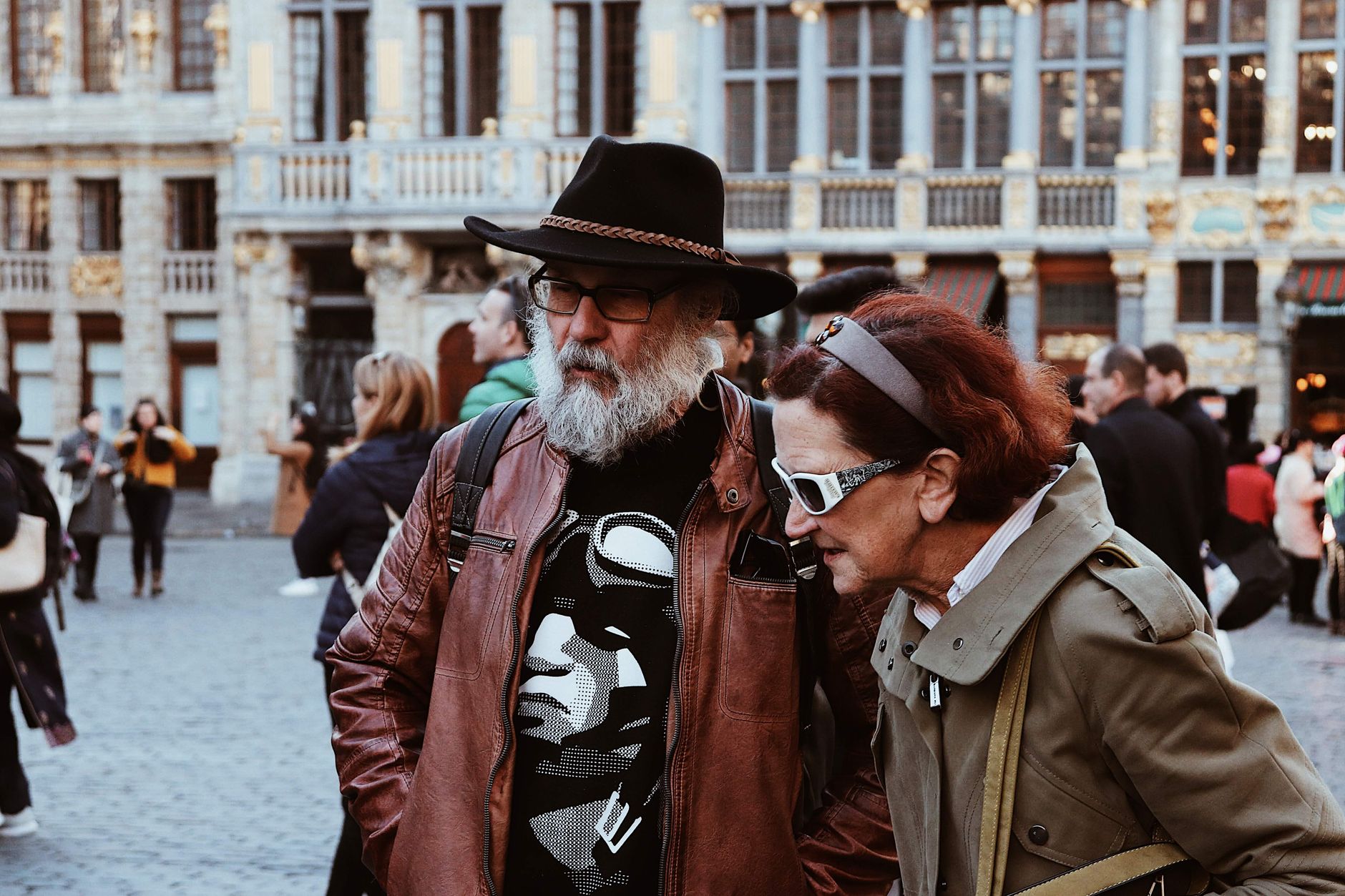
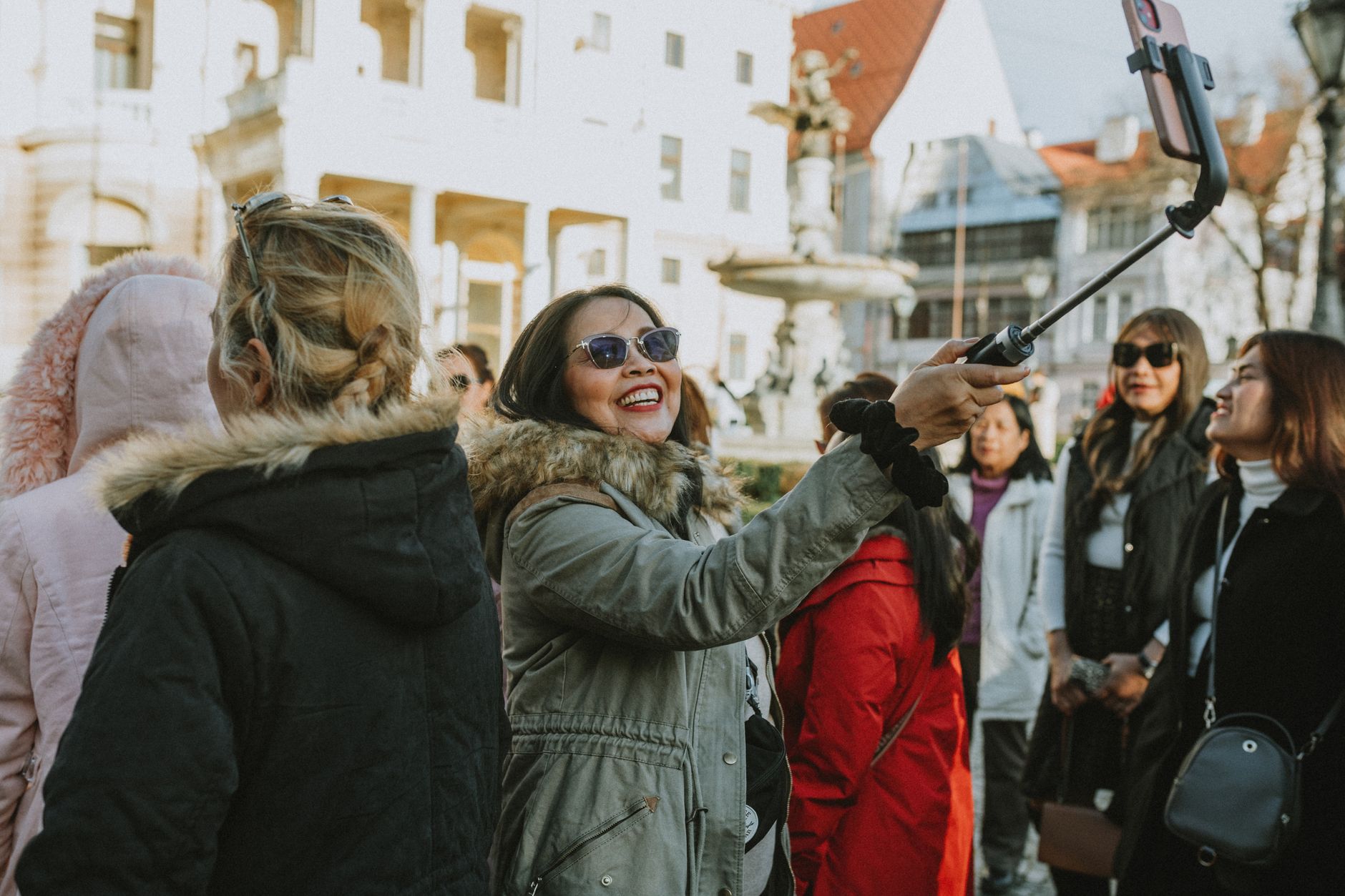
Bonn is the kind of city that keeps surprising you after you think you've figured it out. It was, for forty years, the improbable capital of West Germany — a small Rhineland university town chosen partly because it felt temporary, a placeholder until Berlin could be whole again. That provisional quality never fully left, and it gives the city a particular lightness: grand institutions beside cobbled squares, the Beethoven-Haus tucked quietly on a narrow lane off the market.
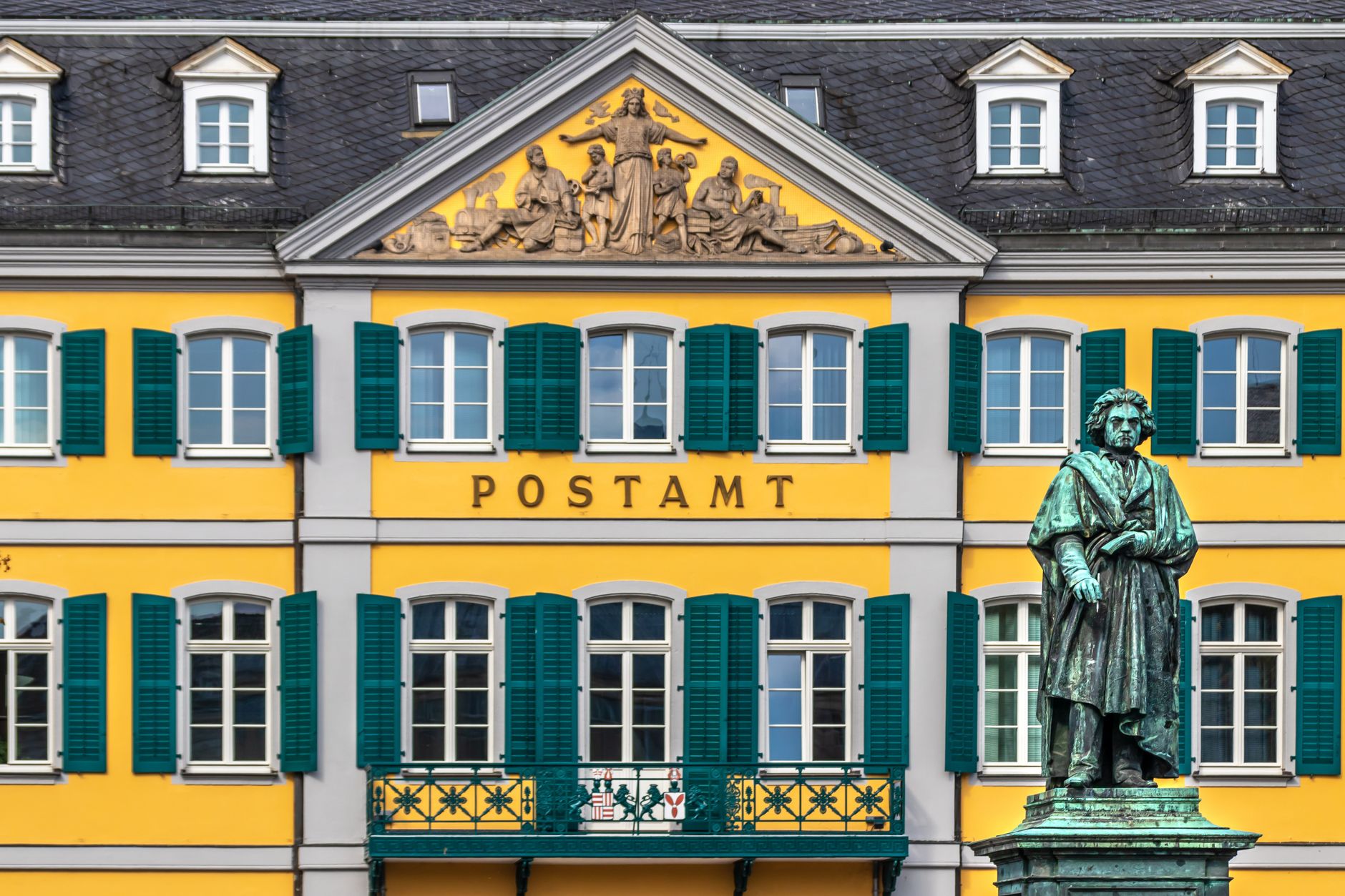
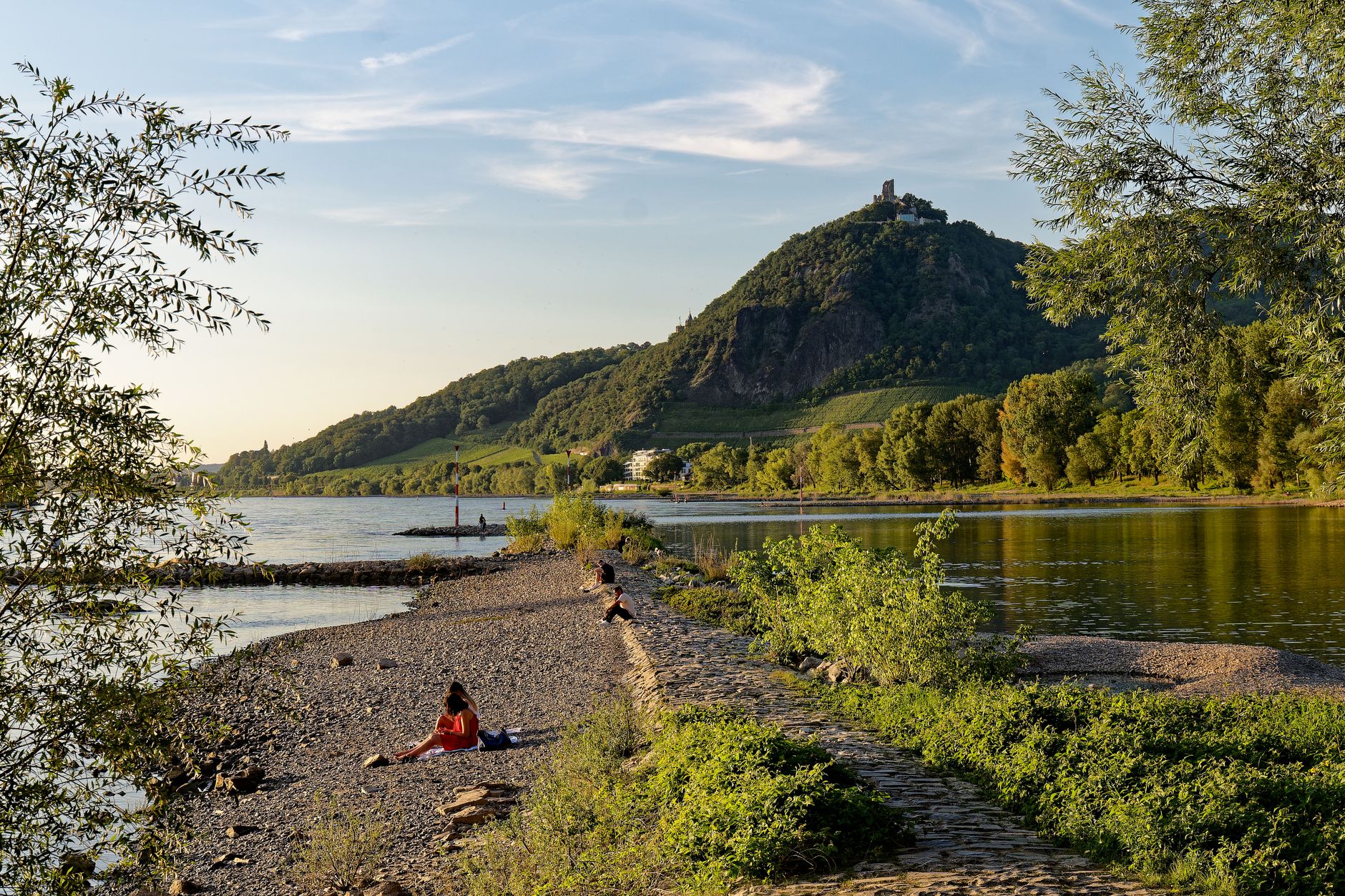
The Rhine is close but not overwhelming here. The old Electoral Palace anchors the university, students spill across the Marktplatz in front of the Rococo city hall, and the Post Tower punctuates a skyline that is otherwise firmly human-scaled.
💛 What travellers fall for
People who come back tend to spend a morning in the Beethoven-Haus on the Bonngasse — not rushing, reading the display cases slowly — then walk south past the Minster to Poppelsdorf Palace and lose an hour in the Botanical Garden. The SB 60 bus from Cologne makes a day trip easy, but an overnight earns you the quieter version of the city.
Experiences you don't want to miss


Deals in Bonn
Book directly at the provider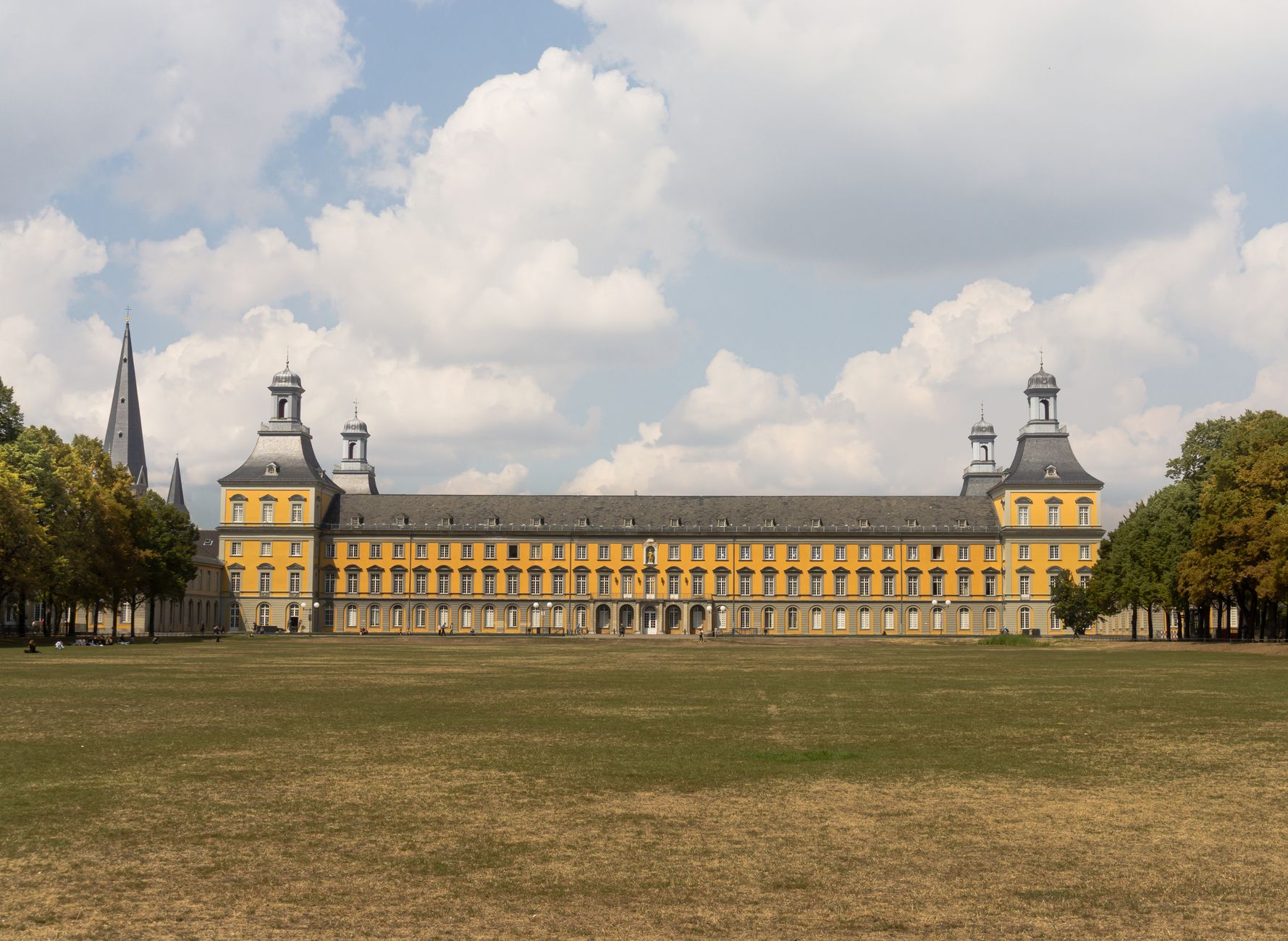
How Bonn came to be
Roman soldiers were here first. The camp that Drusus, stepson of Augustus, is credited with founding around 11 BC grew into Castra Bonnensia, a legionary base for some 7,000 men. The Minster, begun around 1050 on the site where two Roman Christian soldiers, Cassius and Florentius, were said to have been martyred, marks the long continuity between that ancient garrison and the medieval town.
For nearly two centuries, from 1597 to 1794, Bonn served as the residence of the Archbishops and Prince-electors of Cologne. After Prussia took control, Frederick William III founded the Rhenish University in 1818 — installing it in the old Electoral Palace. Then came the strangest chapter: on May 23, 1949, the Basic Law was promulgated here, and this quiet Rhine city became the capital of a new West German state, a role it held until the government finally moved to Berlin in 1999.
Who and what shaped it
People who shaped it
Landmark buildings
See Bonn in motion
Plan your visit
On the map
When to go
Bonn has a mild, temperate climate with no dramatic extremes. Summers are warm and occasionally humid; winters are grey and damp rather than harsh. March through May and September through October offer the most reliable conditions for time spent outdoors.
Right now
Background & history adapted from Wikipedia (CC BY-SA) · specs from Wikidata (CC0) · weather from Open-Meteo · map data © OpenStreetMap contributors · photos from Wikimedia Commons / Unsplash with per-image credit. No third-party reviews or social posts reproduced.