
Bolzano
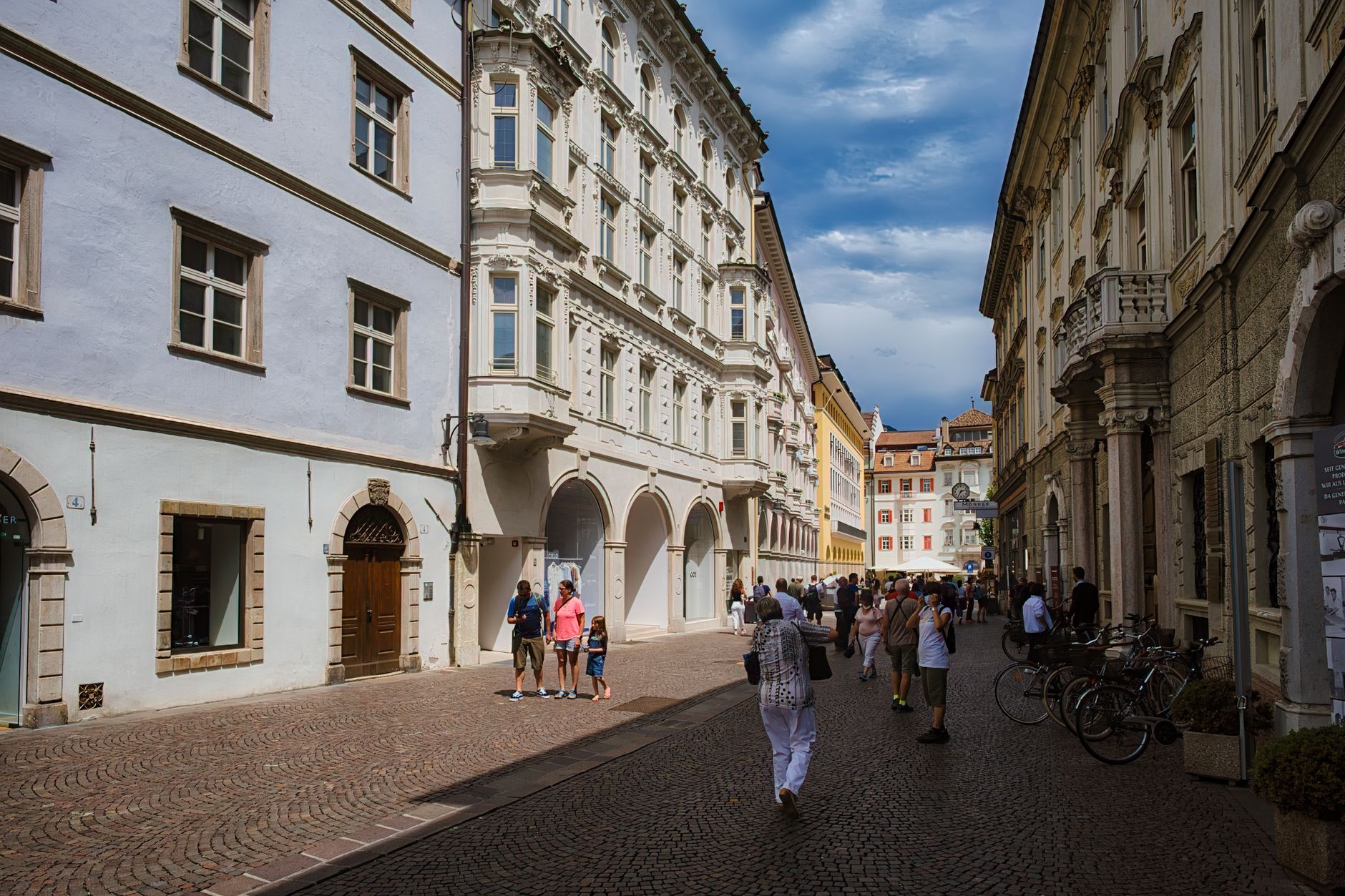
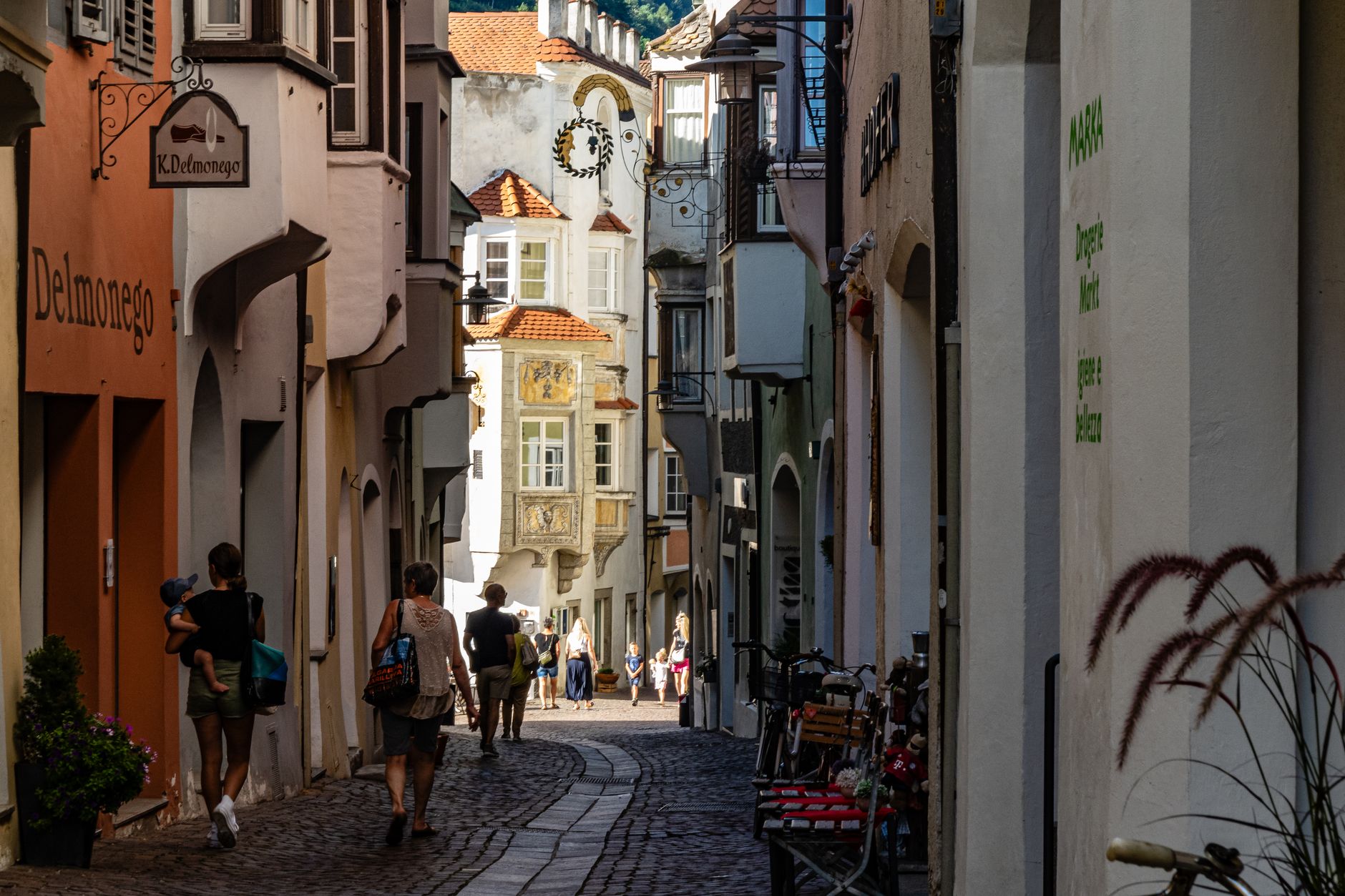
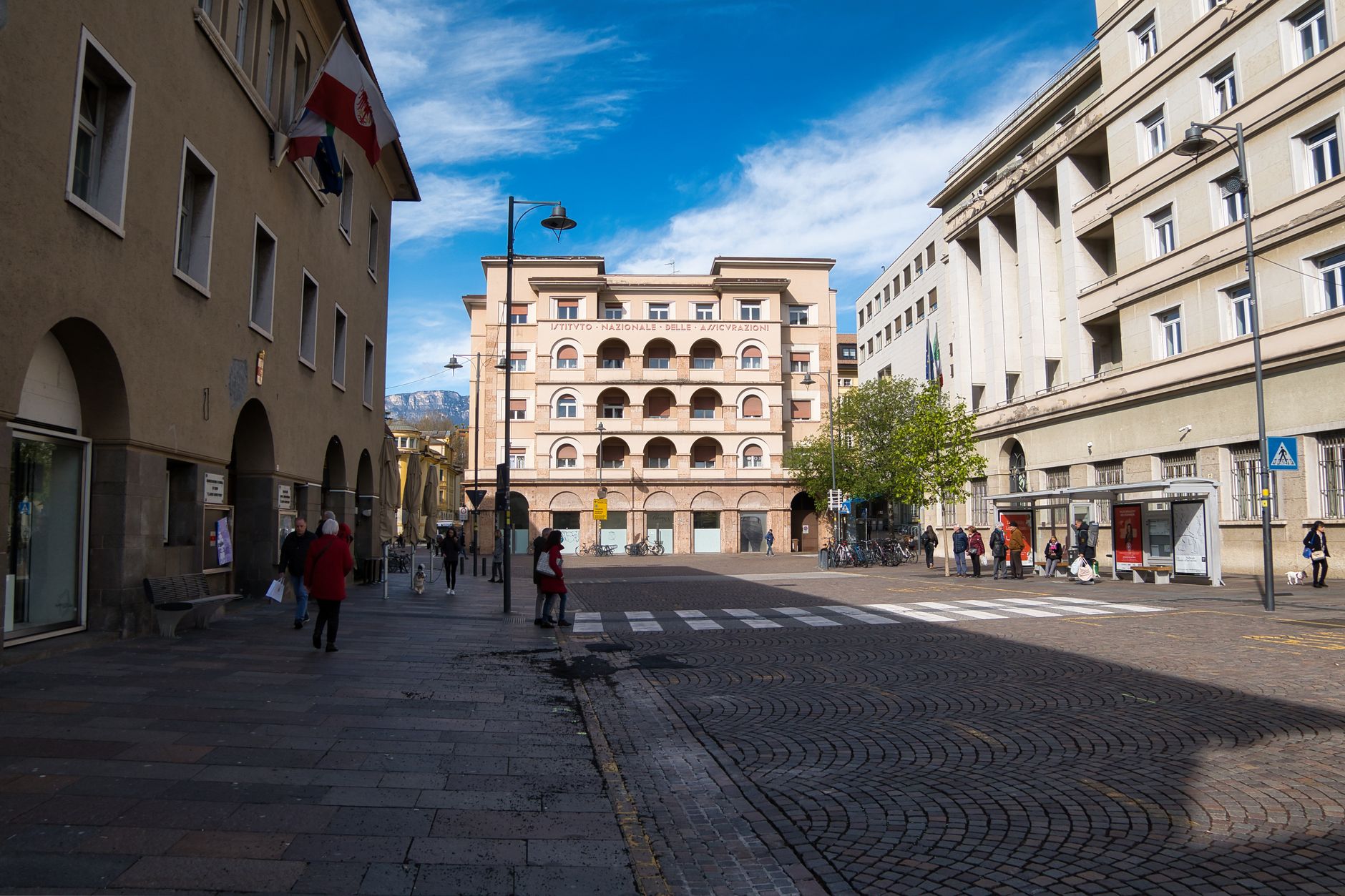
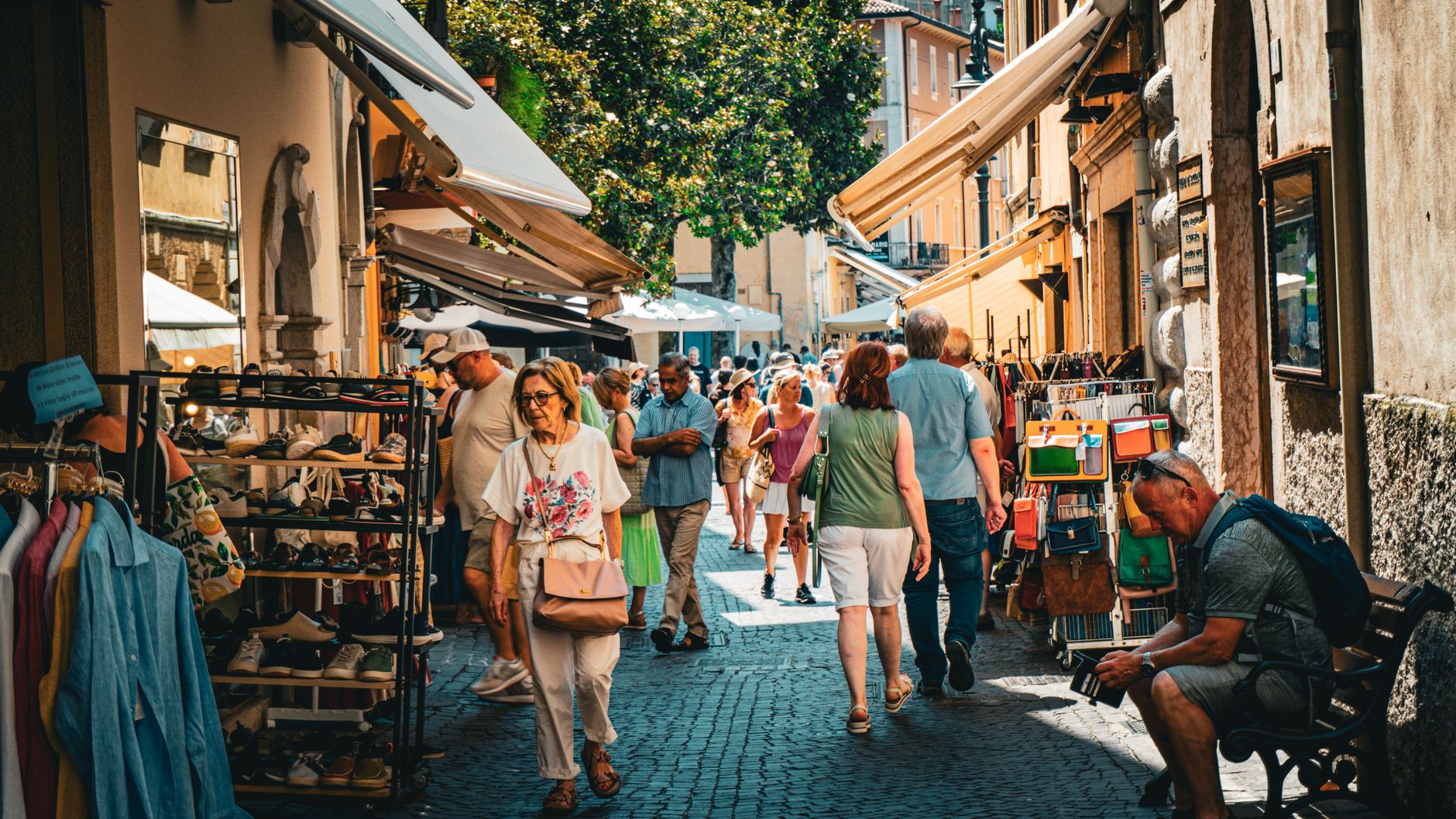
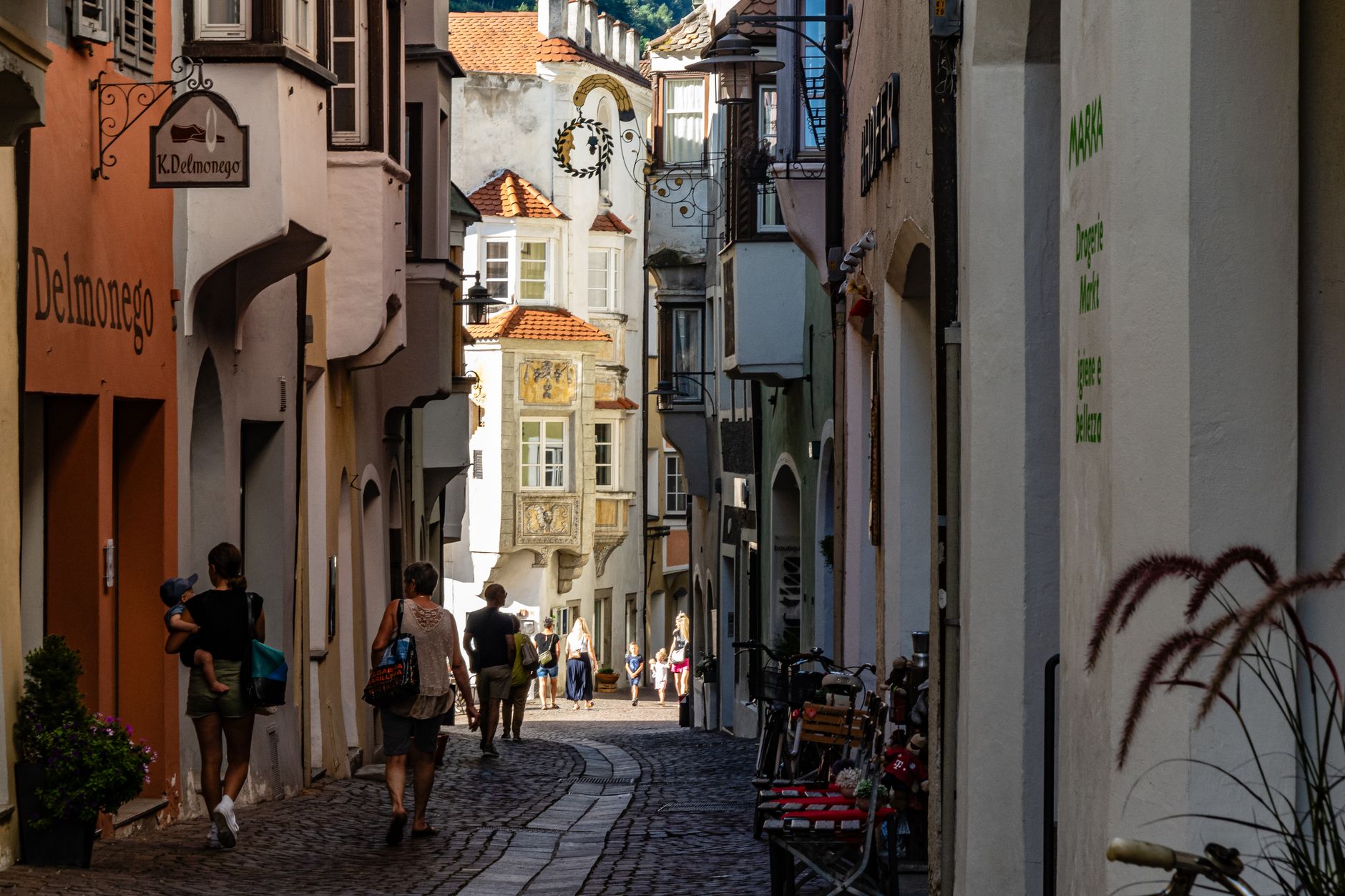
Bolzano sits at the junction of three valleys in the southern Alps, and the city itself feels like a negotiation — between Italian and German, between the Mediterranean light that floods Piazza Walther and the snow-capped Dolomite ridges visible from almost every street corner. The street signs are bilingual, the cafés serve both espresso and Kaffee und Kuchen, and the cathedral's Gothic spire rises above arcaded streets that have been commercial since the 12th century.
At the South Tyrol Archaeological Museum, a 5,300-year-old man lies in a refrigerated chamber, preserved by the glacier that swallowed him on the Similaun. Ötzi is not a gimmick — standing before him, you feel the full, strange depth of the Alps.
💛 What travellers fall for
People who come back tend to time a morning walk along Via dei Portici before the shops open, when the arcades are quiet and the light is long. They'll tell you to take the Renon Cable Car up to the plateau above the city for a view that reframes everything below. And most of them have a favourite wine bar where the Vernatsch is poured without ceremony.
Experiences you don't want to miss



Deals in Bolzano
Book directly at the provider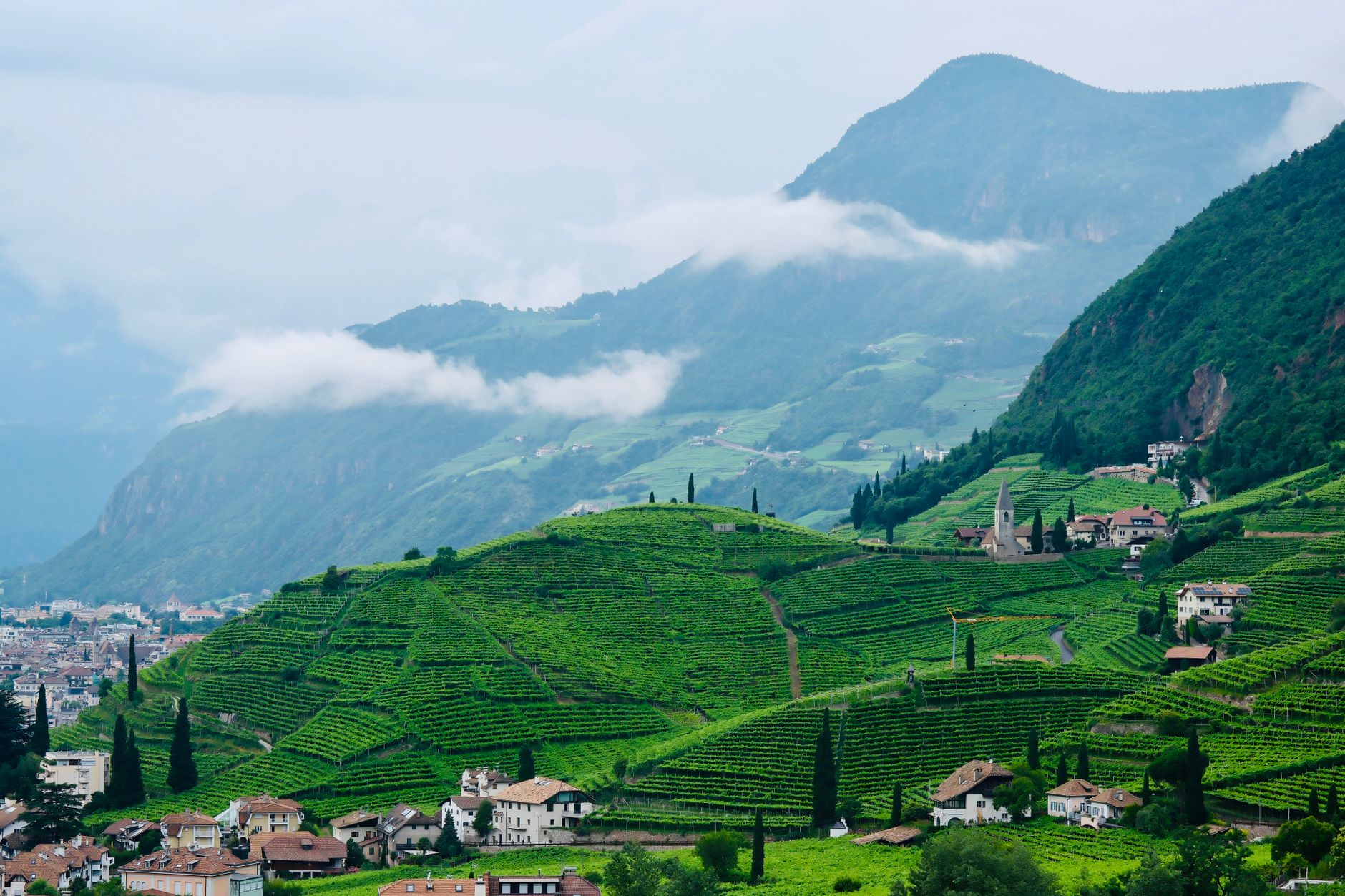


How Bolzano came to be
The Romans built a military outpost here around 14 BC, calling it Pons Drusi after a crossing of the Isarco river. The town as it exists today took shape around 1170–80, when the Prince-Bishops of Trento founded it and constructed the Via dei Portici — those arcaded streets still at the city's commercial heart. Control passed to Meinhard II, Count of Tyrol, in 1277, and then to the Habsburg dynasty when the County of Tyrol transferred to Austria in 1363, a relationship that shaped the city's architecture, language and temperament for centuries.
The 20th century was harder. The Treaty of St. Germain in 1919 handed South Tyrol to Italy, and the fascist period brought violent suppression of German-speaking culture — a Fascist march on the city in October 1922, and Mussolini's Victory Monument erected in 1928. The museum beneath that monument now documents that era plainly. Bolzano has been the regional capital since 1927 and has carried its double identity, uneasily and productively, ever since.
Who and what shaped it
People who shaped it
Landmark buildings
See Bolzano in motion
Plan your visit
On the map
When to go
Summers are warm and sunny, tempered by Alpine air — reliably pleasant for walking the city. Winters are cold and often foggy in the valley floor, though the surrounding mountains hold snow well into spring.
Right now
Background & history adapted from Wikipedia (CC BY-SA) · specs from Wikidata (CC0) · weather from Open-Meteo · map data © OpenStreetMap contributors · photos from Wikimedia Commons / Unsplash with per-image credit. No third-party reviews or social posts reproduced.