
Bingen am Rhein
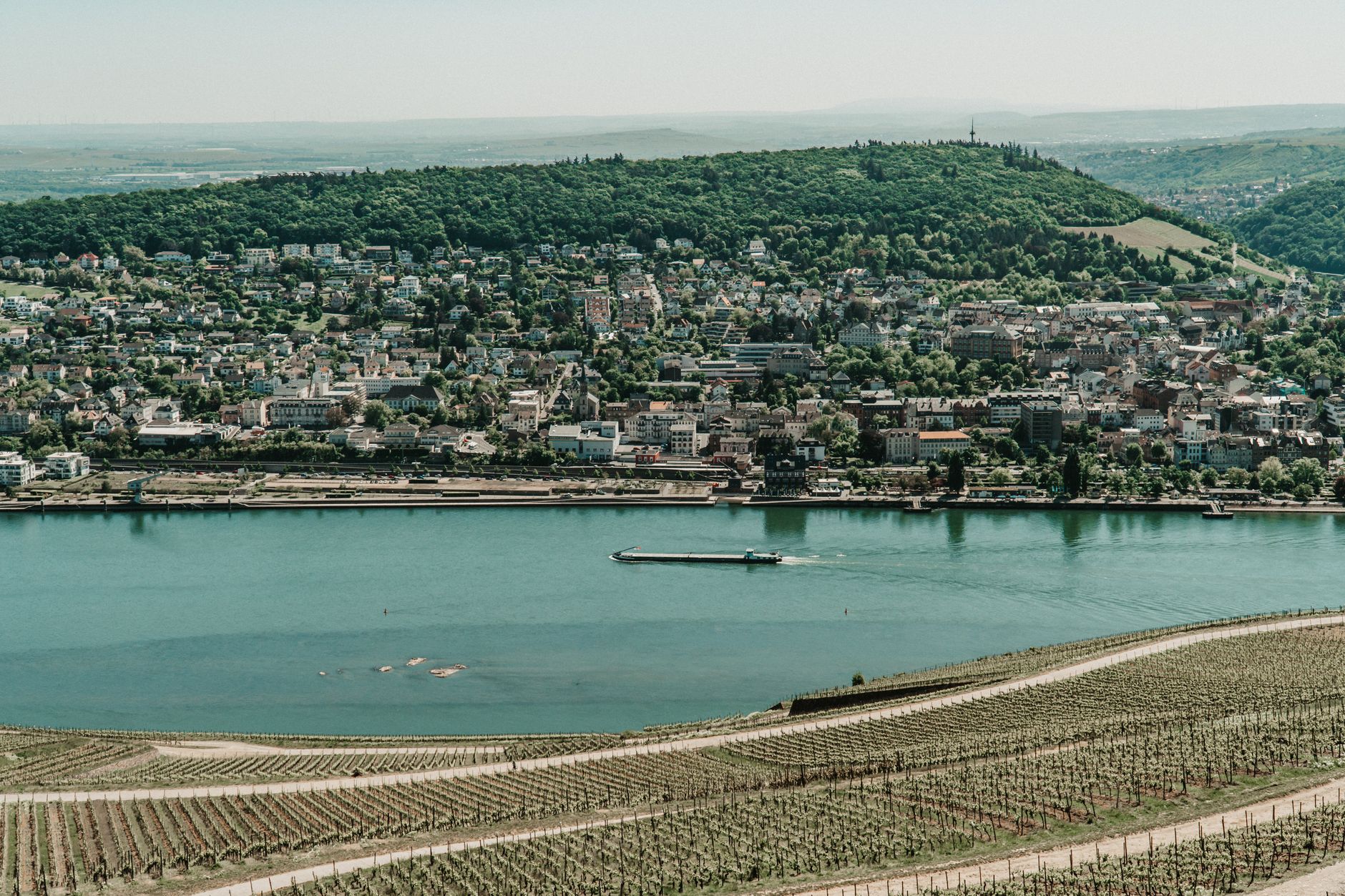
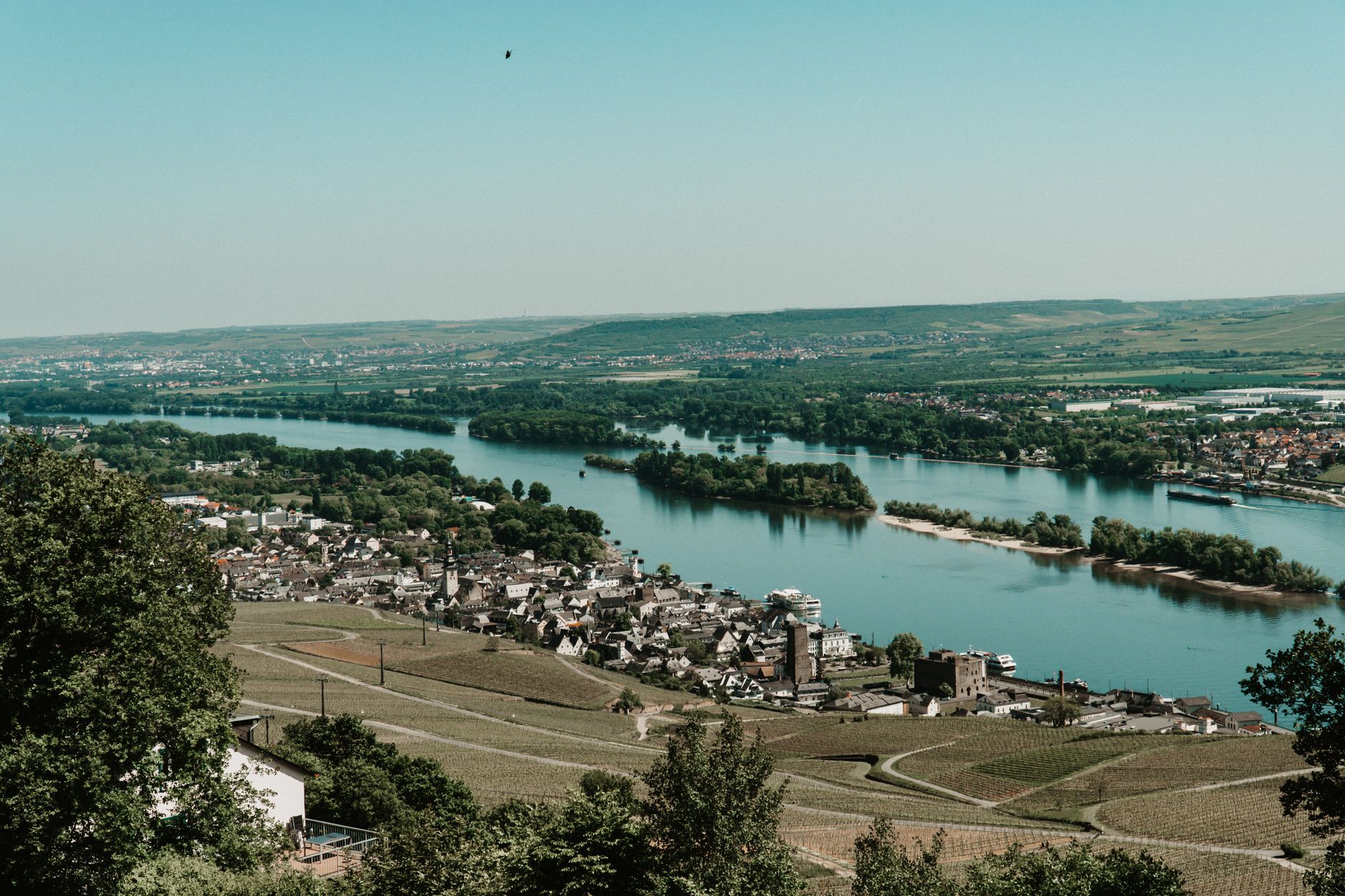

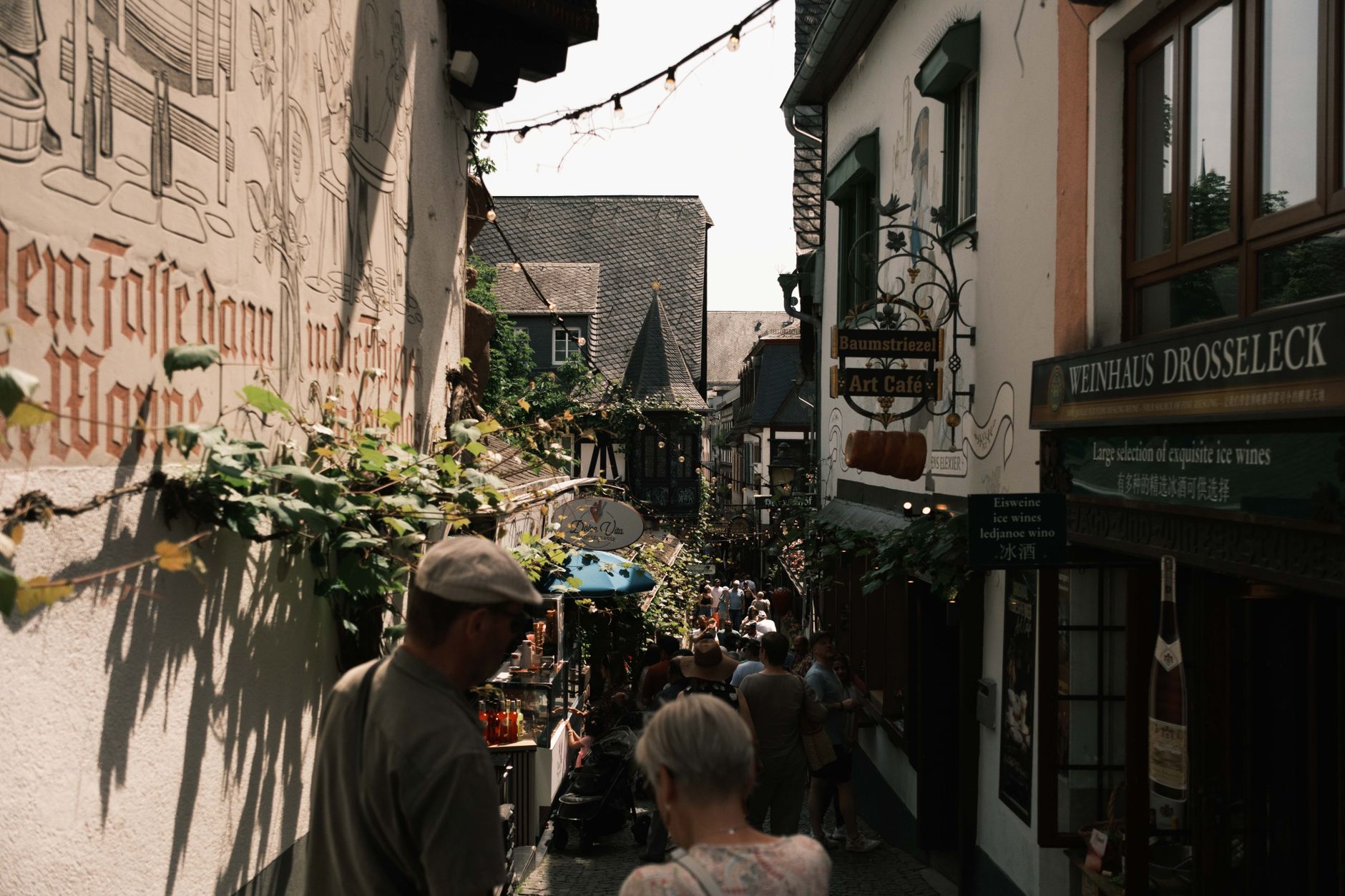
Bingen sits at the point where the Nahe meets the Rhine, and the whole town seems organized around that fact. The harbor crane — built in 1487, the oldest land crane on the Rhine — still stands at the water's edge near the Stadt station, a useful marker for getting your bearings. Out in the river, the Mäuseturm occupies its own small island, close enough to photograph from the boardwalk, where community gardens run alongside the current.
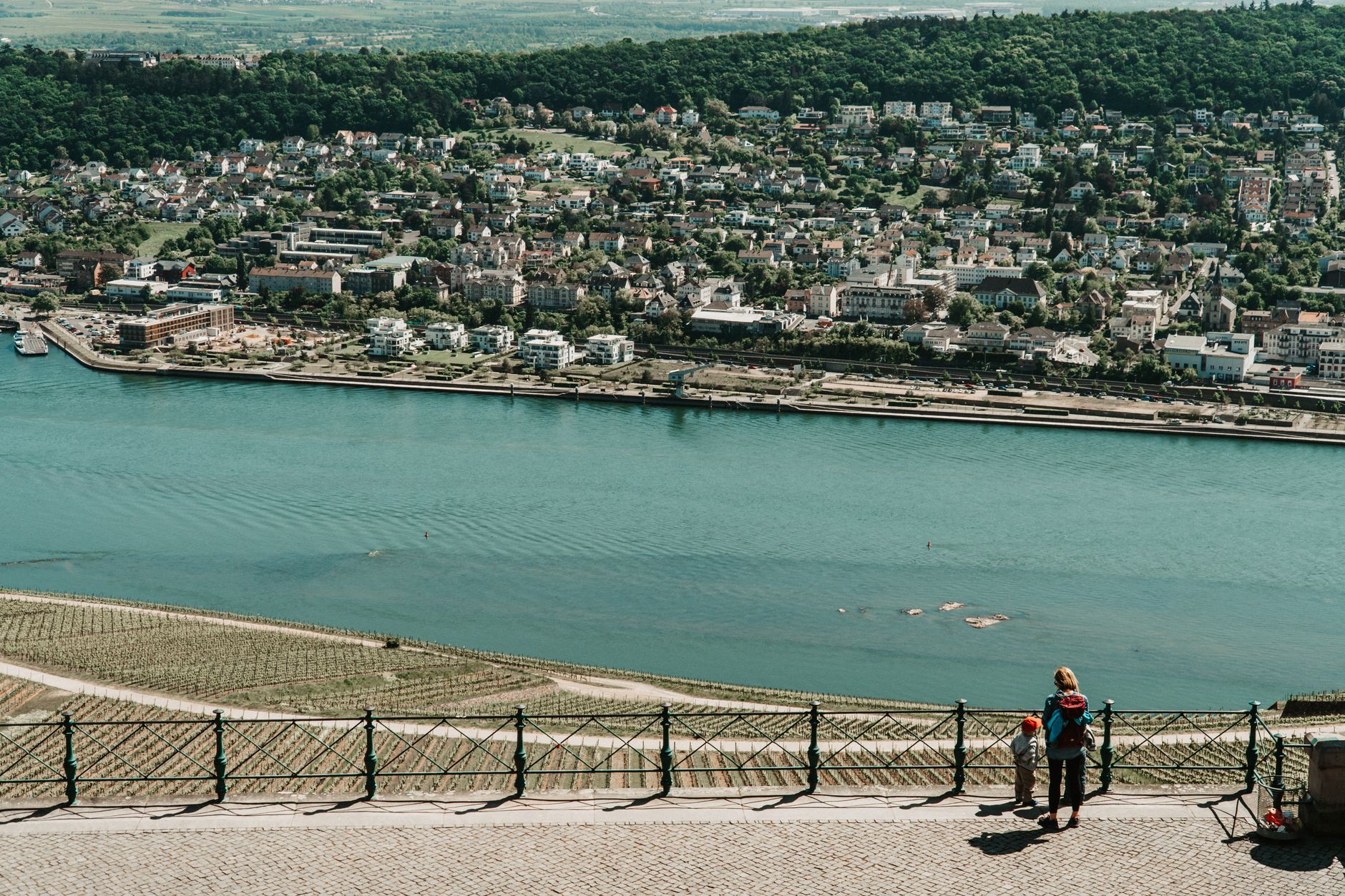
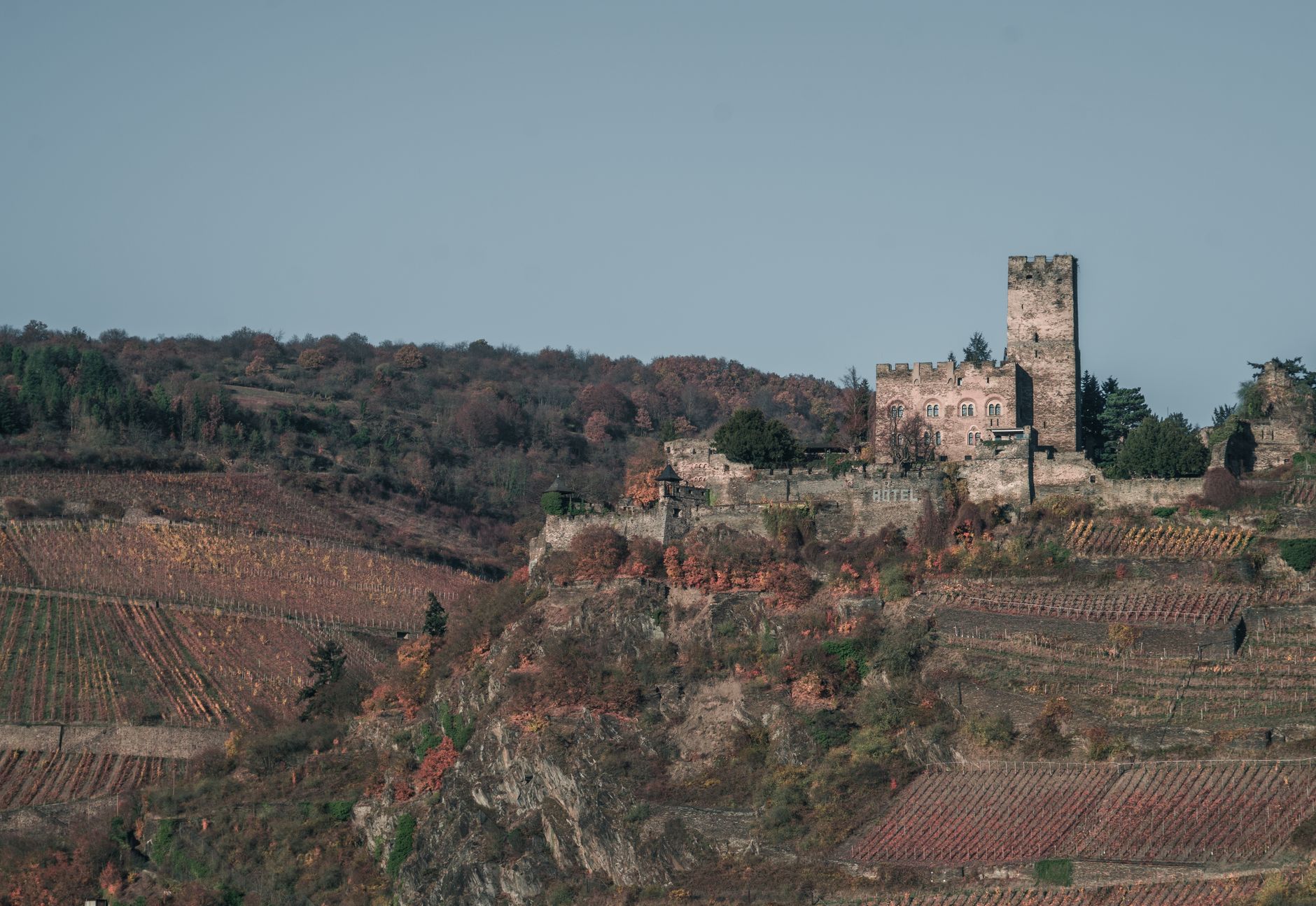
This is a working Rhine town with serious medieval bones and two railway stations that don't quite agree on where the center is. The Klopp Castle hill, rebuilt in 1854 on Roman foundations, gives you the view that explains everything else.
💛 What travellers fall for
People who come back tend to time it around the Wine Festival in late August — eleven days, a parade, and the longest such event on the Rhine. The early-July Rhine in Flames is the other anchor: fifty-plus illuminated ships on the water and fireworks staged to look like the castles are burning. Book accommodation months ahead for either.
Experiences you don't want to miss


Deals in Bingen am Rhein
Book directly at the providerHow Bingen am Rhein came to be
The Celts called this place Binge, meaning rift, and the Romans turned that into Bingium when they built a fortress here in the early first century AD. The town joined the Hanseatic League in 1254 and was absorbed by the Archbishop-Electors of Mainz in 1281, beginning five centuries of ecclesiastical rule. Napoleon's armies changed that: from 1792 to 1813 Bingen was part of the French département Mont-Tonnerre, then after the Congress of Vienna it passed to the Grand Duchy of Hesse-Darmstadt.
For decades, the Rhine itself served as a political border — Bingen on one bank, Prussian Bingerbrück on the other — until German unification in 1871. The two were only formally merged in 1969. The town adopted its current name, Bingen am Rhein, in 1982.
Who and what shaped it
People who shaped it
Landmark buildings
See Bingen am Rhein in motion
Plan your visit
On the map
When to go
Summers are comfortable and partly sunny, with July days averaging around 25°C and occasional heatwaves pushing past 30°C — good conditions for the riverfront festivals. Winters run cold and mostly overcast, with January highs between 3°C and 7°C and fewer than two hours of daylight sun on average.
Right now
Background & history adapted from Wikipedia (CC BY-SA) · specs from Wikidata (CC0) · weather from Open-Meteo · map data © OpenStreetMap contributors · photos from Wikimedia Commons / Unsplash with per-image credit. No third-party reviews or social posts reproduced.