
Biarritz
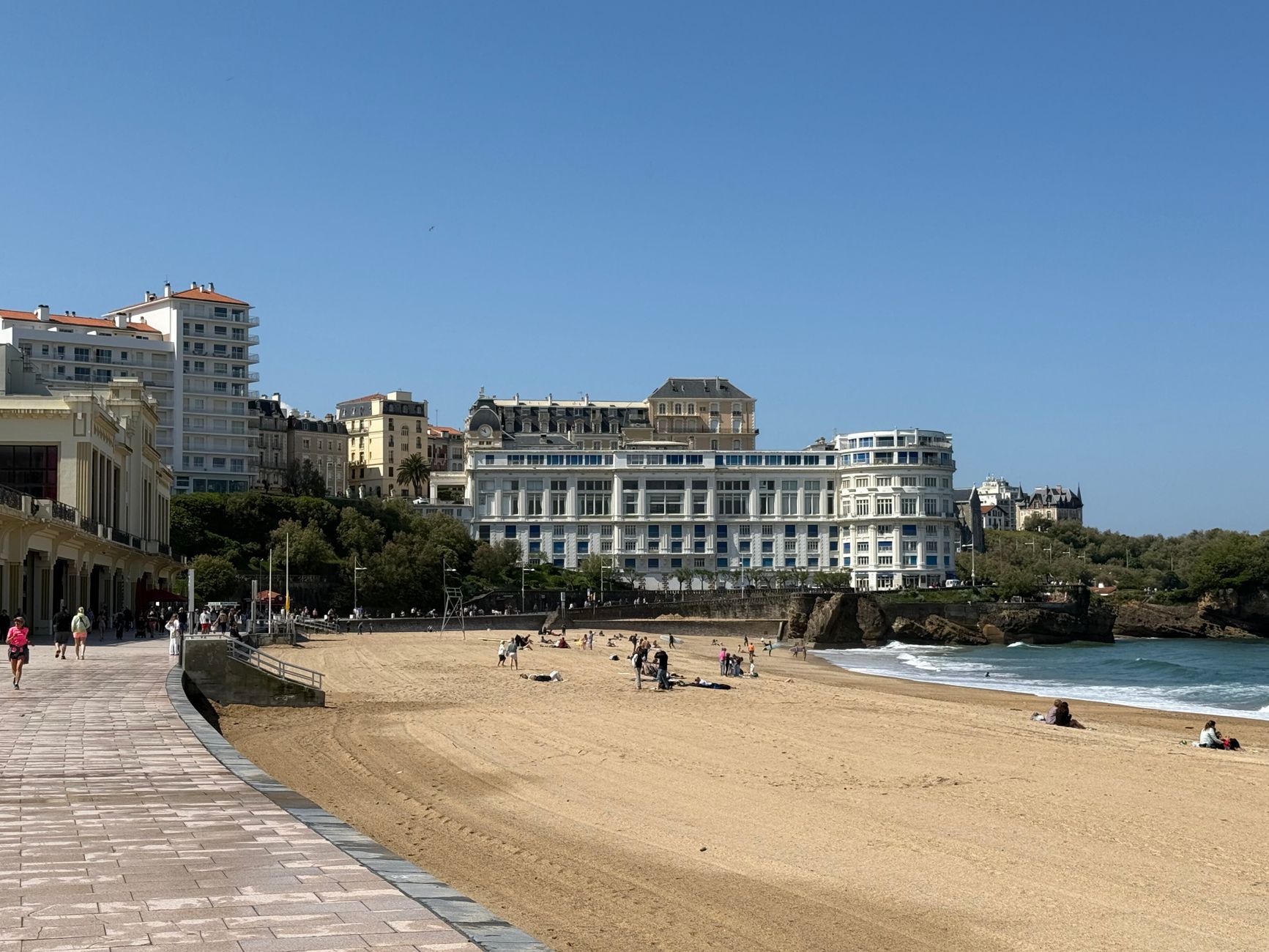
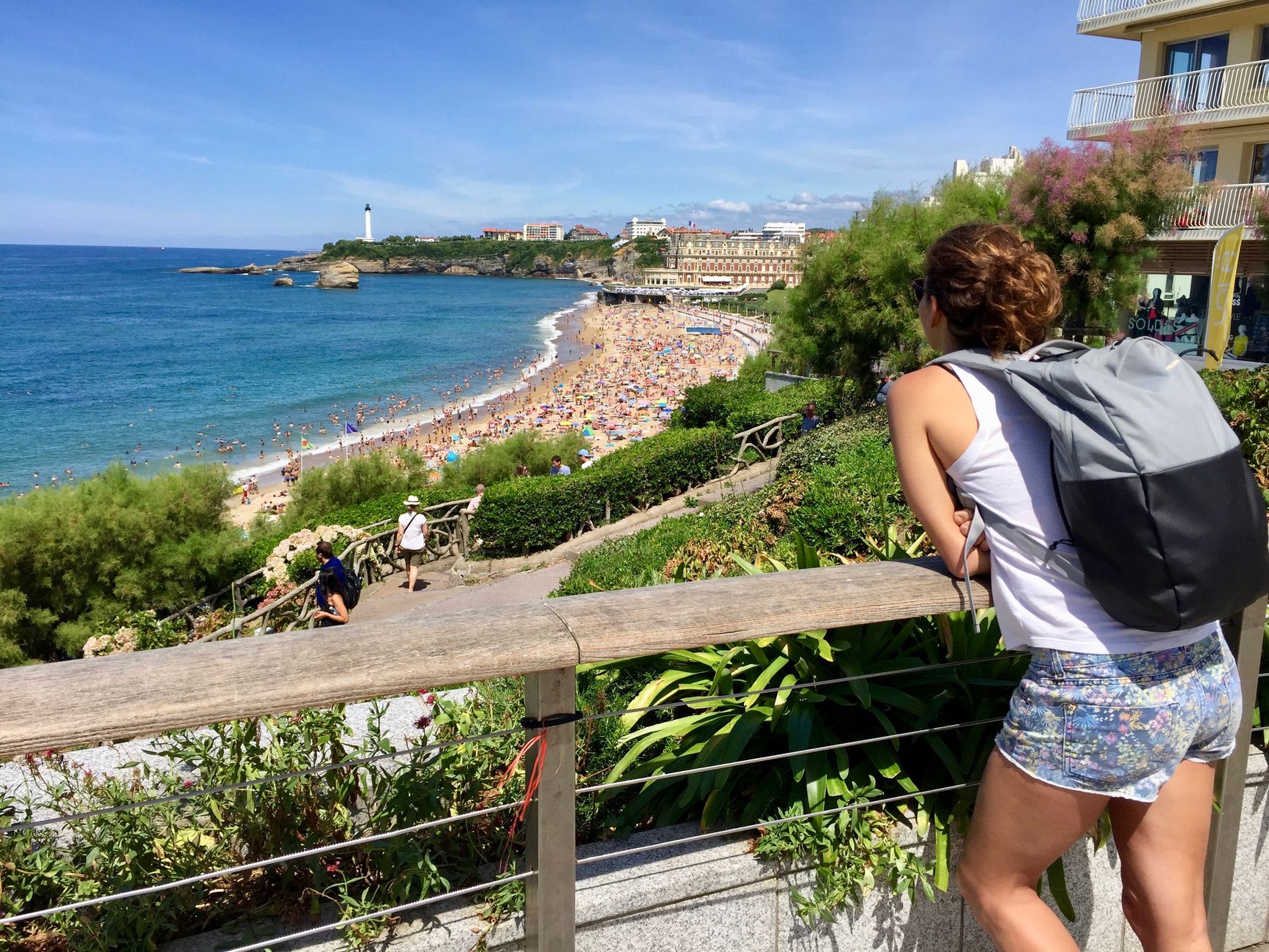
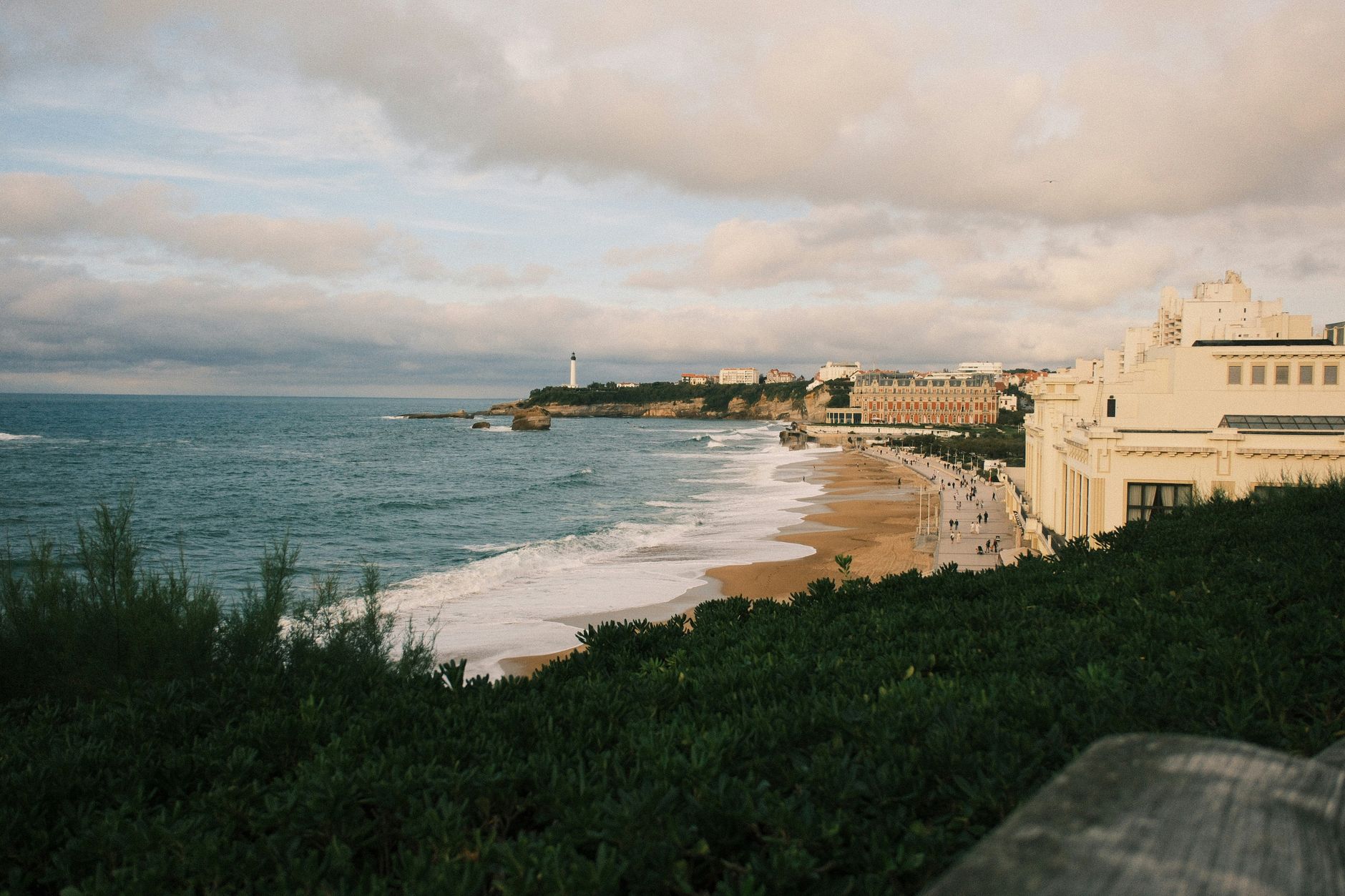
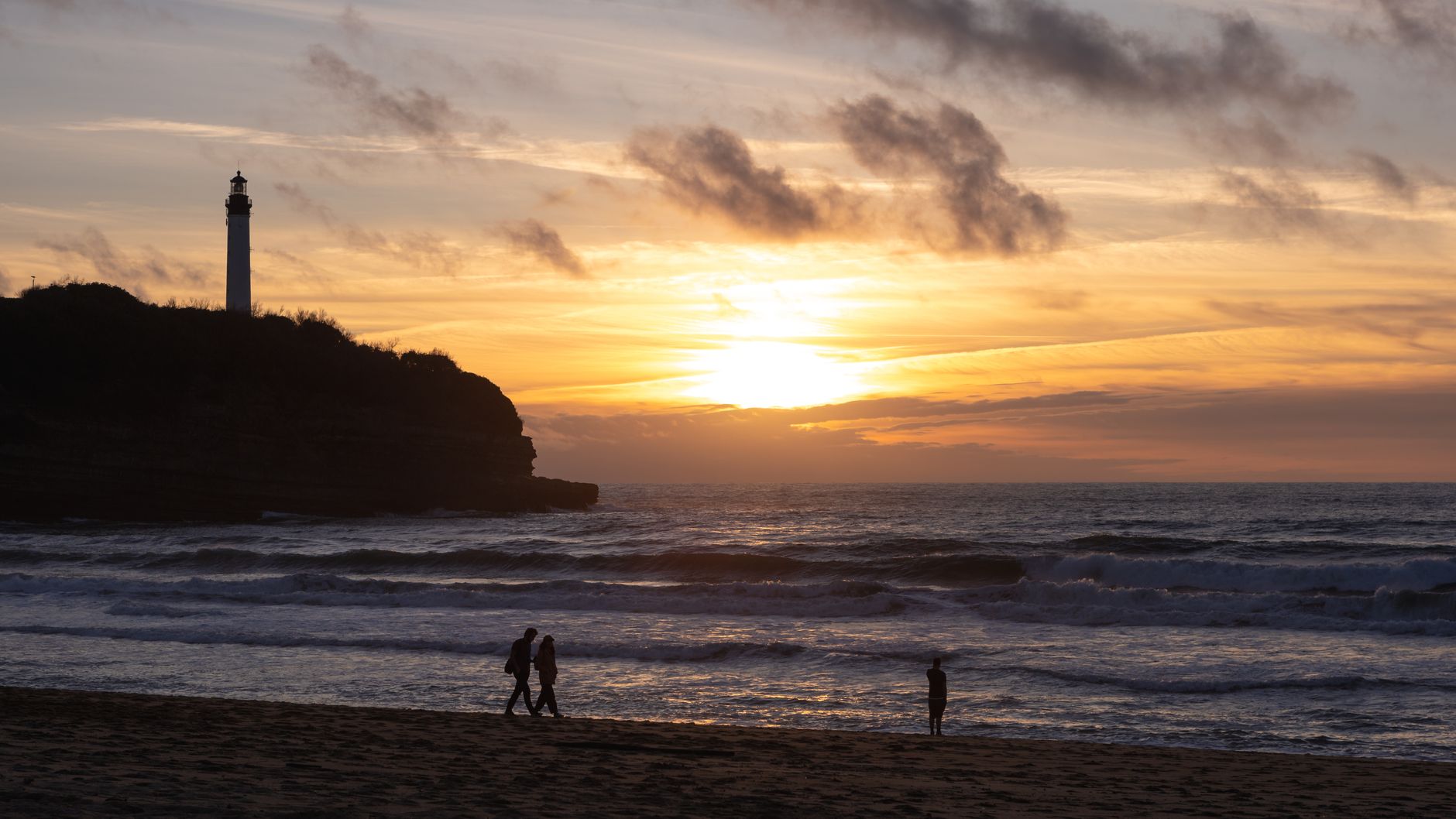
Biarritz runs on two timelines at once. The grand hotels and imperial chapels belong to the 1850s, when Empress Eugénie persuaded Napoleon III to build her a summer villa on the Atlantic shore and half of Europe's royalty followed. The wetsuits and surf racks belong to the 1960s, when the waves off the Grande Plage started drawing a different kind of pilgrim entirely. Neither era has entirely yielded to the other.
The town sits where the Basque coast begins to curve, and the ocean here is serious — green, Atlantic-cold, with the kind of swell that rewards patience. Between the cliff walks, the Art Deco casino, and a lighthouse that has stood since 1834, there is more than enough to fill the hours between tides.
💛 What travellers fall for
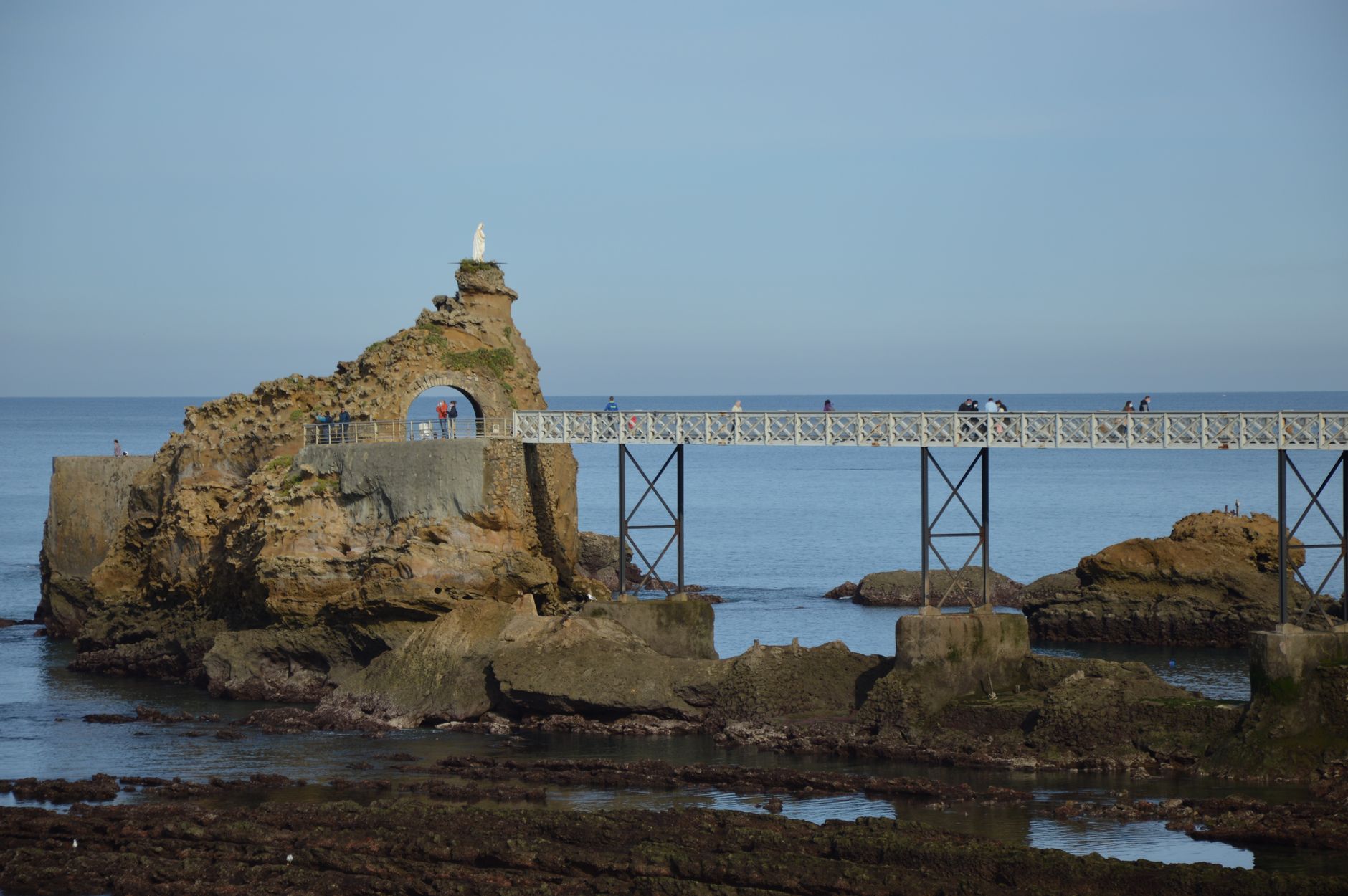
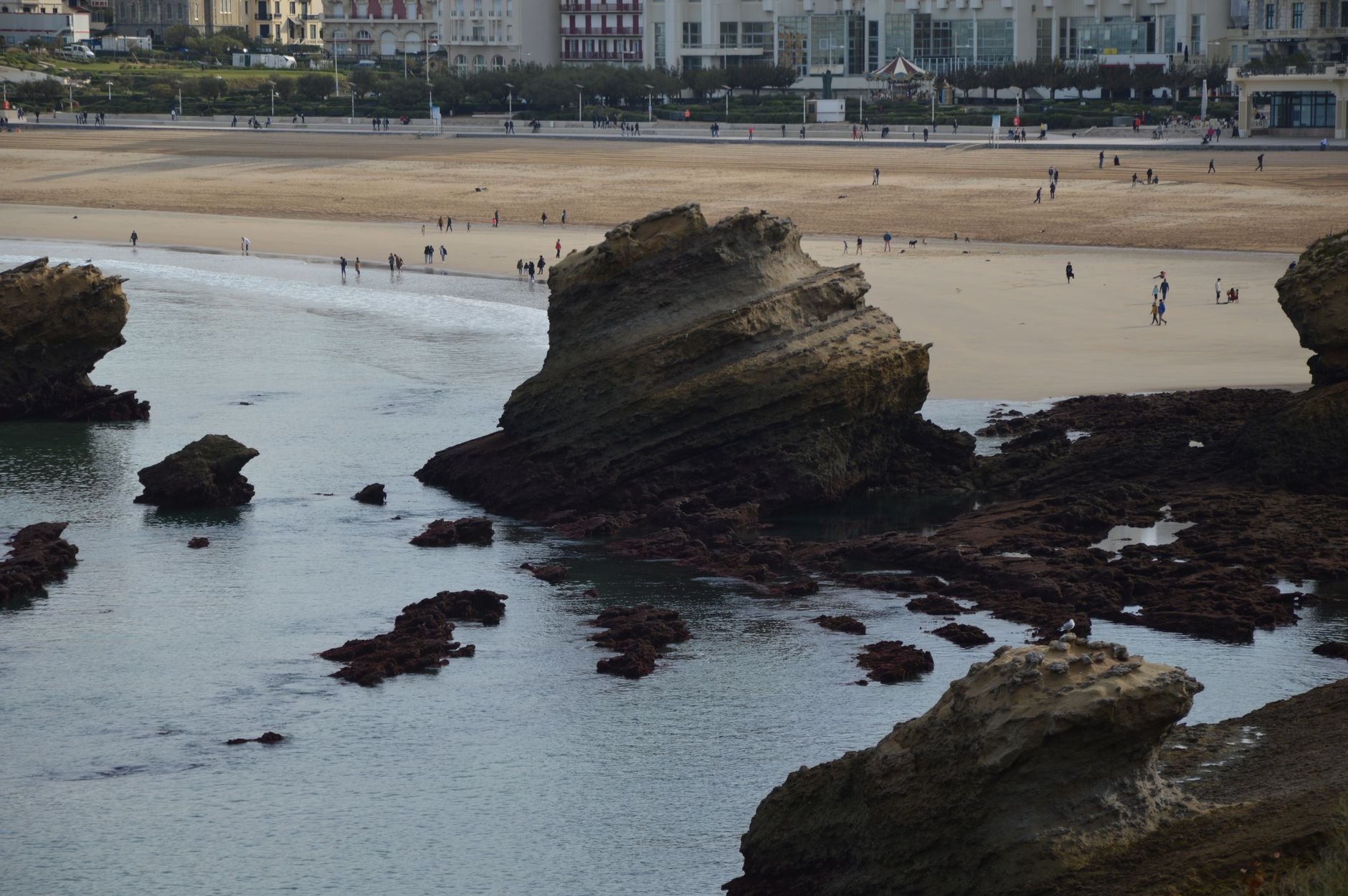
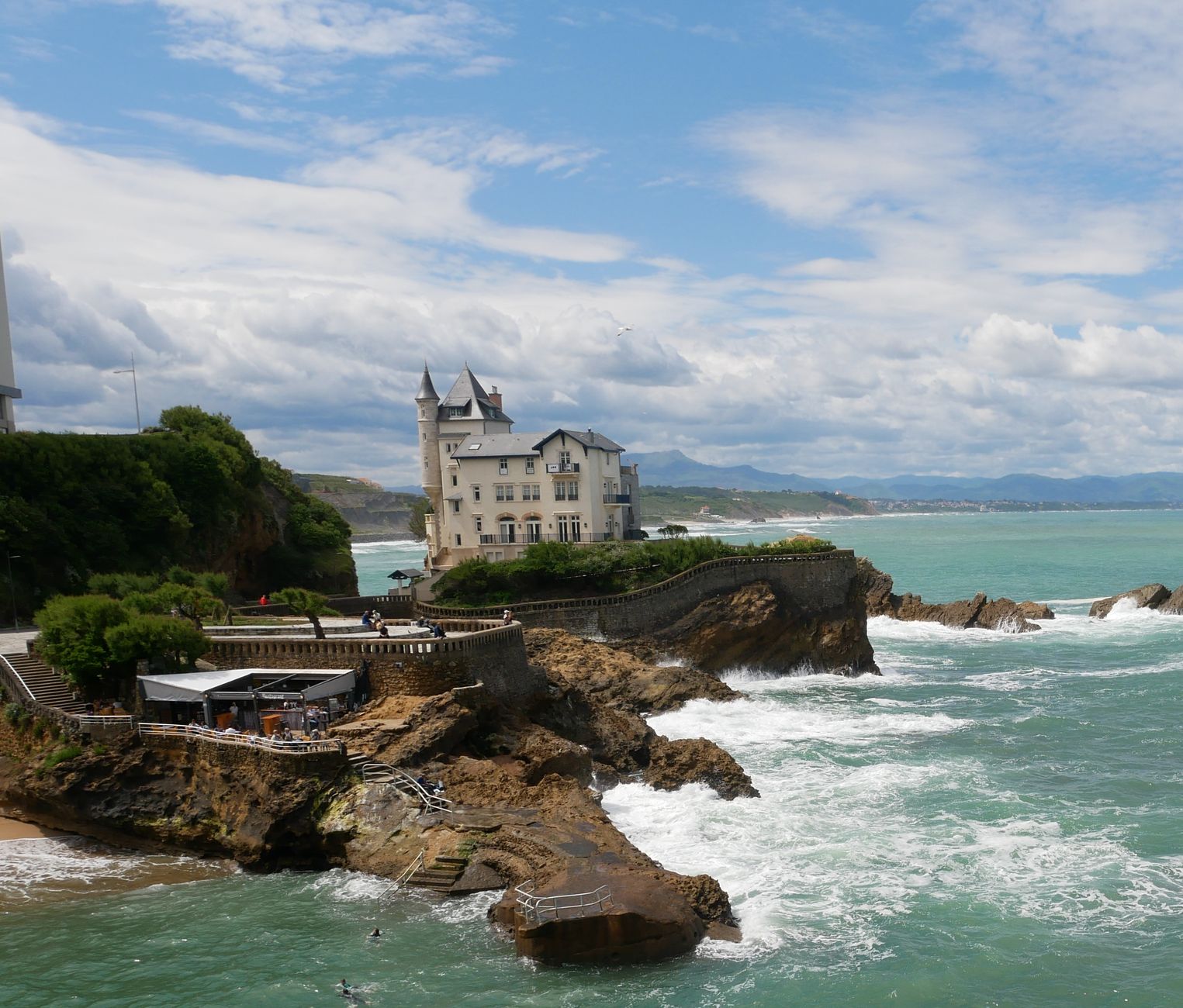
People who come back tend to time a morning around the Rocher de la Vierge at low tide, walk the cliff path to Villa Belza even though it's shuttered, and at least once climb the 248 steps of the lighthouse for the coast view. The Hôtel du Palais terrace is worth a drink even if you're not staying — the proportions of the thing are hard to understand from the street.
Experiences you don't want to miss




Deals in Biarritz
Book directly at the provider
How Biarritz came to be
The name appears in writing as early as 1186, when Biarritz was a small port living off whale hunting — a trade that sustained it through the Middle Ages and into the 17th century. Victor Hugo passed through in 1843, but the transformation came in 1854, when Napoleon III built the Villa Eugénie on the beach for his wife. The imperial couple returned every summer until 1868, and the villa became the Hôtel du Palais. British monarchs, the Spanish king Alfonso XIII, and Bismarck — who made five visits from 1862 — turned the town into one of Europe's more improbable gathering points.
The Chapelle Impériale, built between 1864 and 1866 at Eugénie's request, was dedicated to the Virgin of Guadalupe in acknowledgment of France's involvement in Mexico. In 1915, Gabrielle Chanel opened her first couture house on avenue Edouard VII. Surfing arrived in the 1960s and quietly rewrote the town's self-image without erasing what came before.
Who and what shaped it
People who shaped it
Landmark buildings
See Biarritz in motion
Plan your visit
On the map
When to go
Summers are warm and Atlantic-bright, though sea mist rolls in without much warning. Autumn stays mild well into October, with the surf at its most consistent. Winter is cool and occasionally stormy — the coast looks its most dramatic, but some businesses close.
Right now
Background & history adapted from Wikipedia (CC BY-SA) · specs from Wikidata (CC0) · weather from Open-Meteo · map data © OpenStreetMap contributors · photos from Wikimedia Commons / Unsplash with per-image credit. No third-party reviews or social posts reproduced.