
Bergen
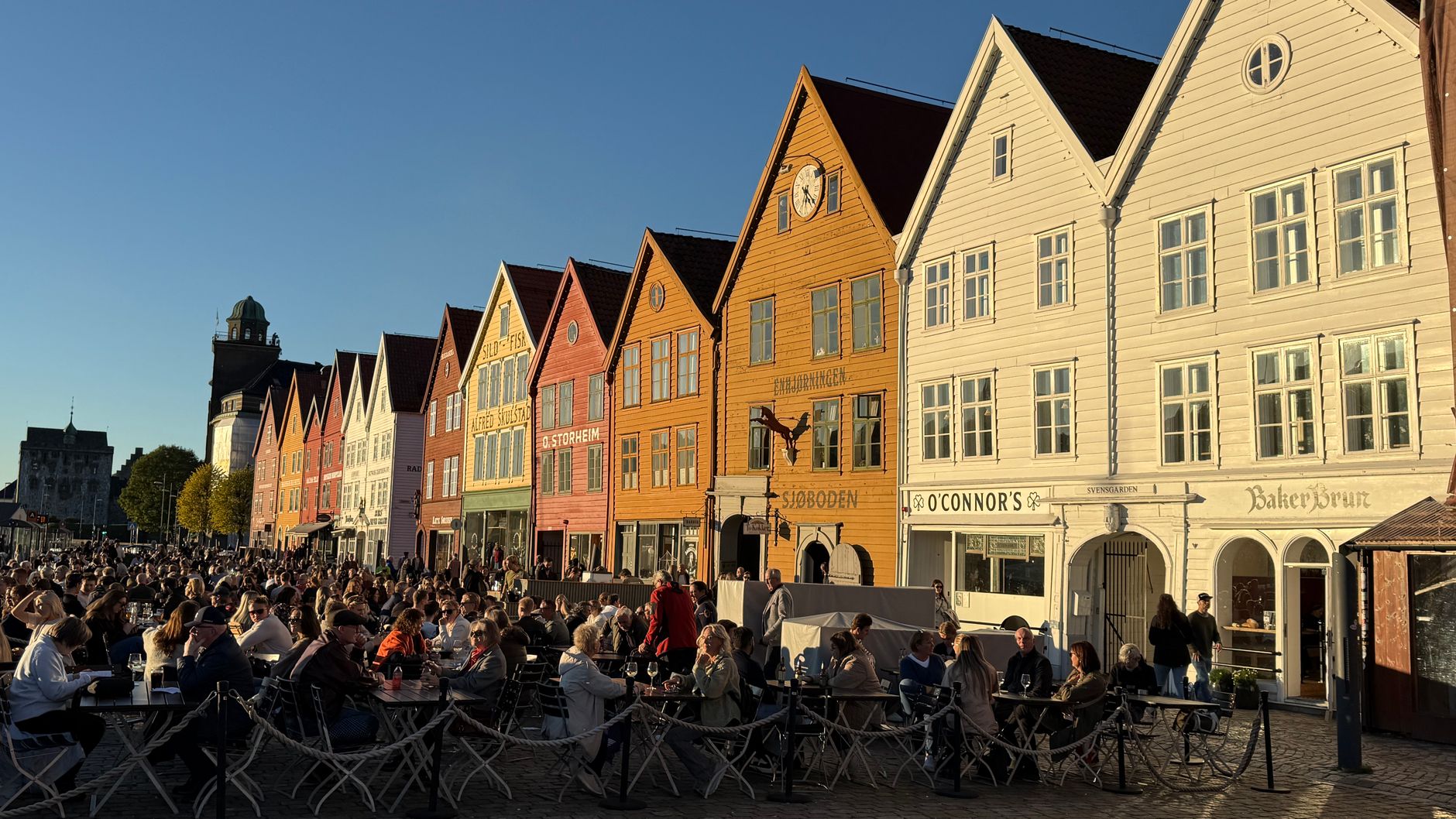
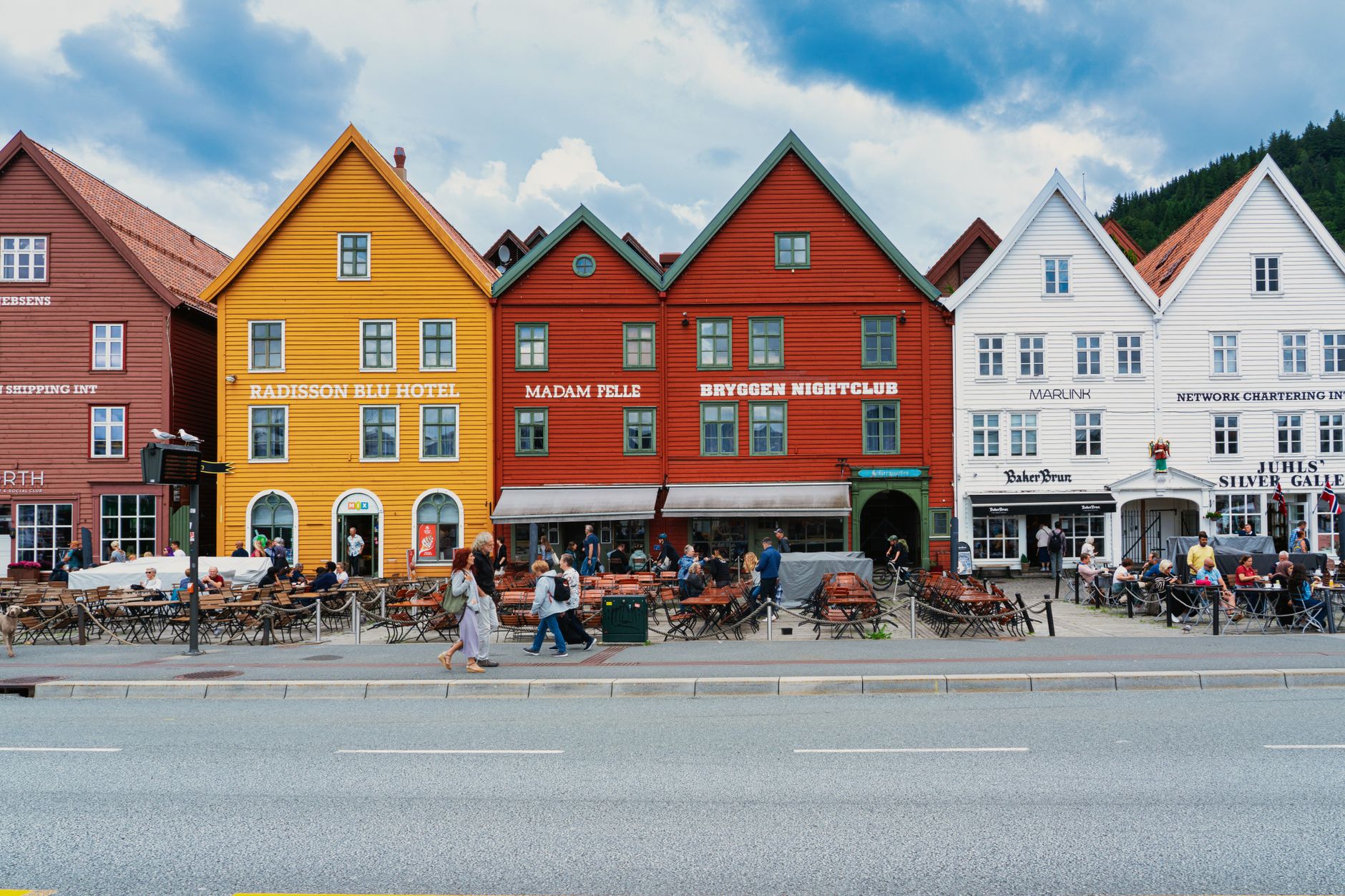
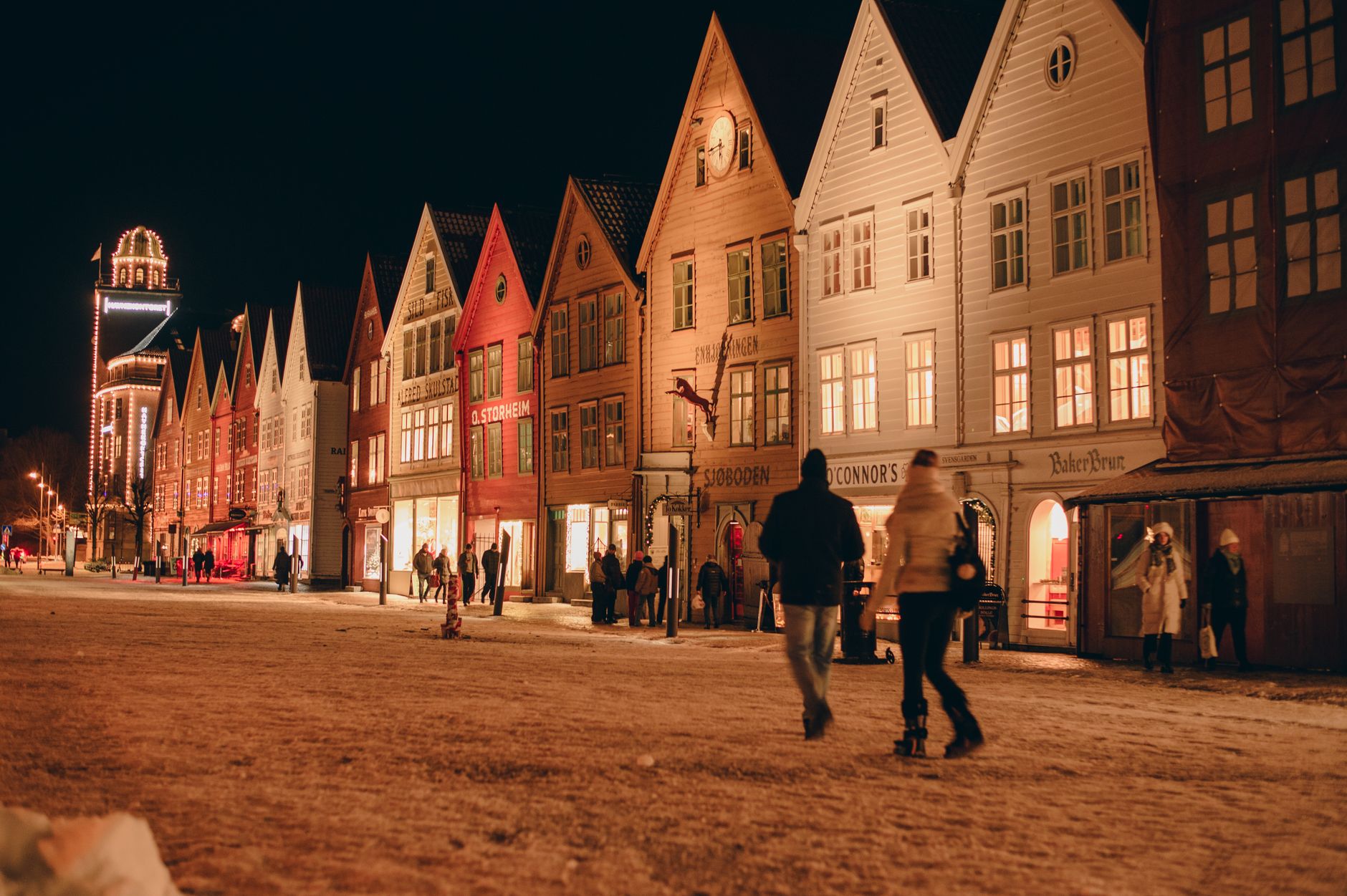
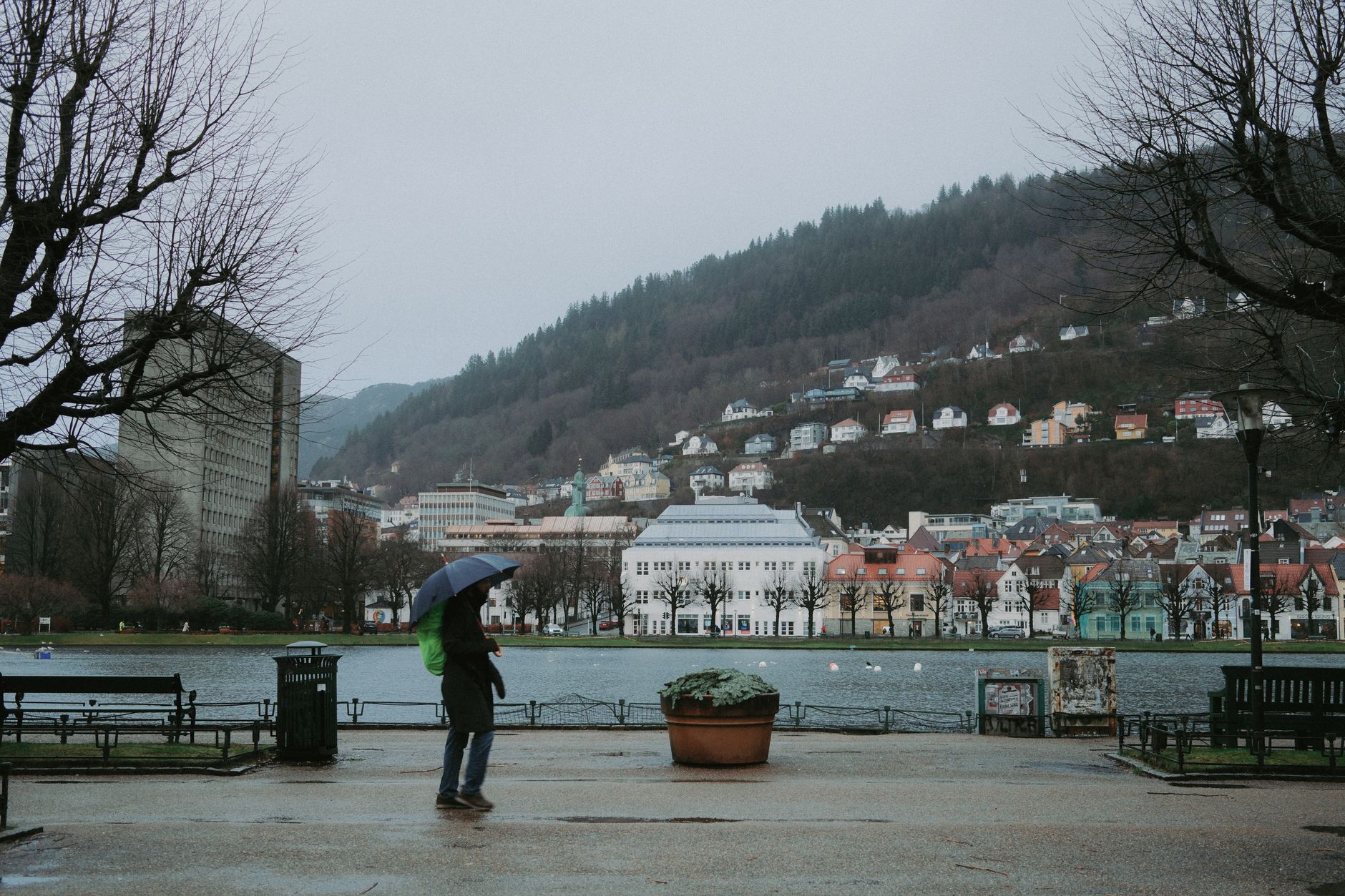
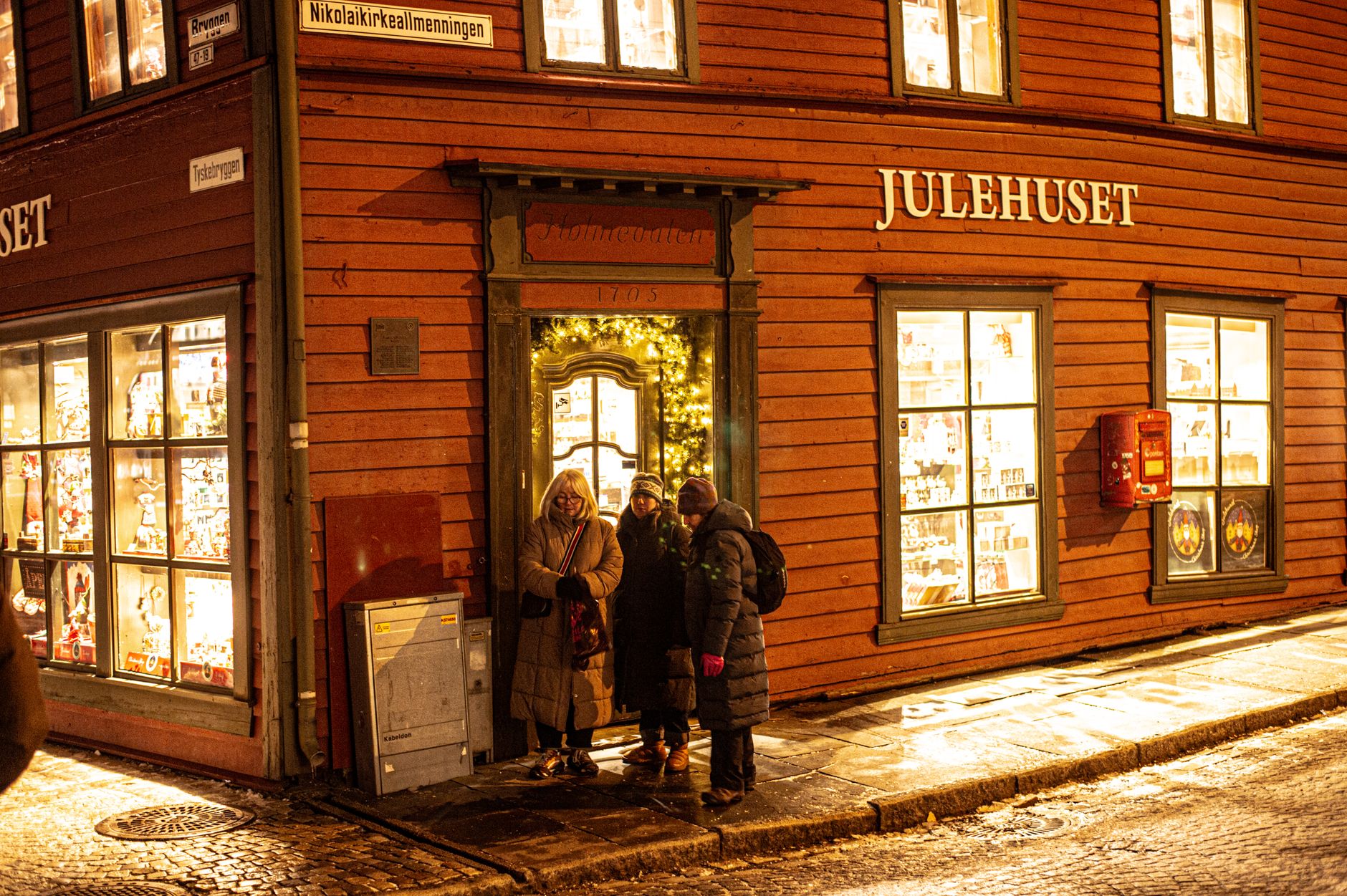
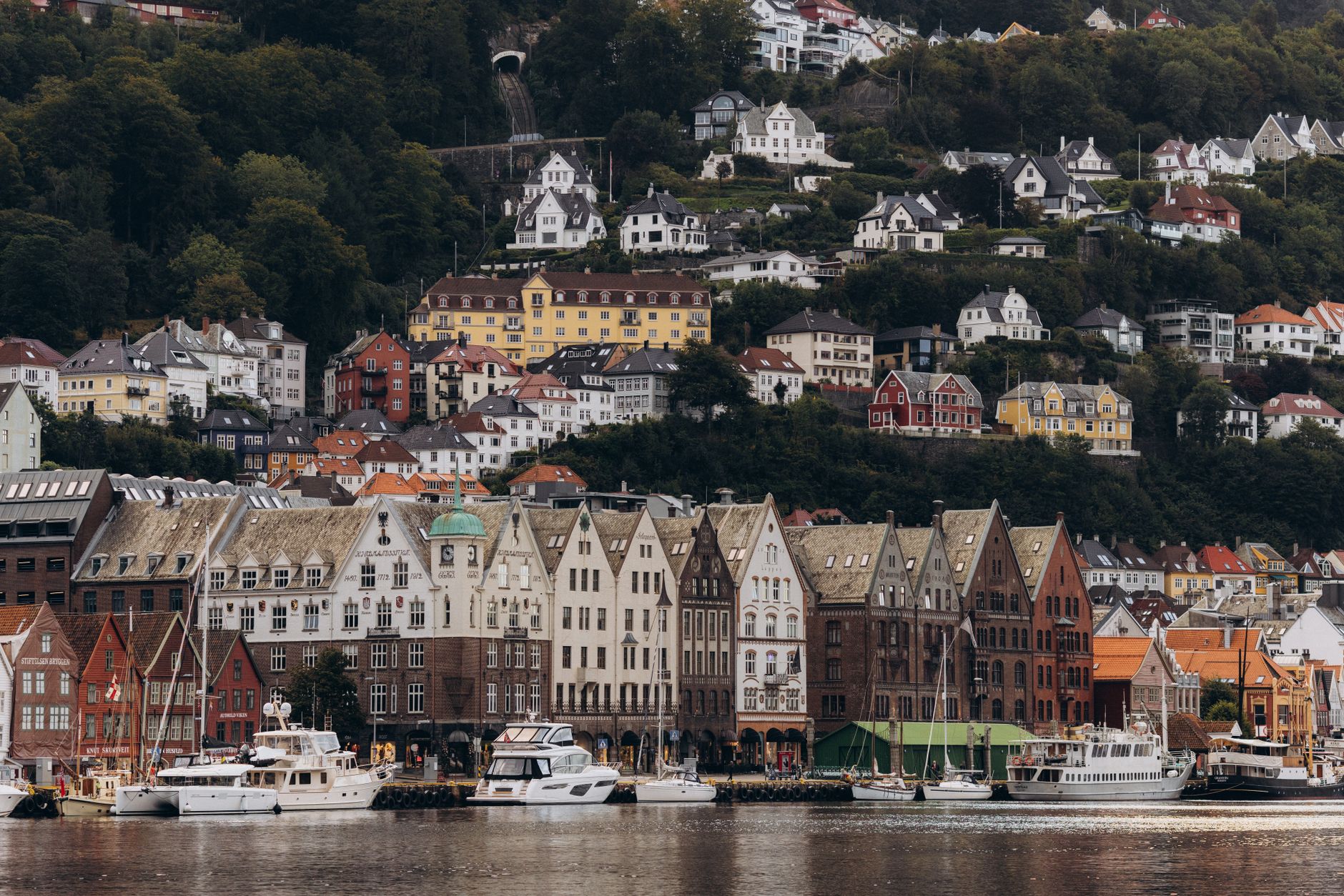
Bergen announces itself through rain and wood smoke and the particular smell of the sea meeting old timber. The seven mountains that ring the city are not a backdrop — they press in close, and on clear days you can trace their ridgelines from almost any street corner. Bryggen's coloured wharf-houses lean slightly, the way old buildings do when centuries of ground have shifted beneath them, and the fish market a few minutes' walk away has been replaced by a proper indoor hall since 2012, which locals will tell you is either an improvement or a tragedy depending on who you ask.
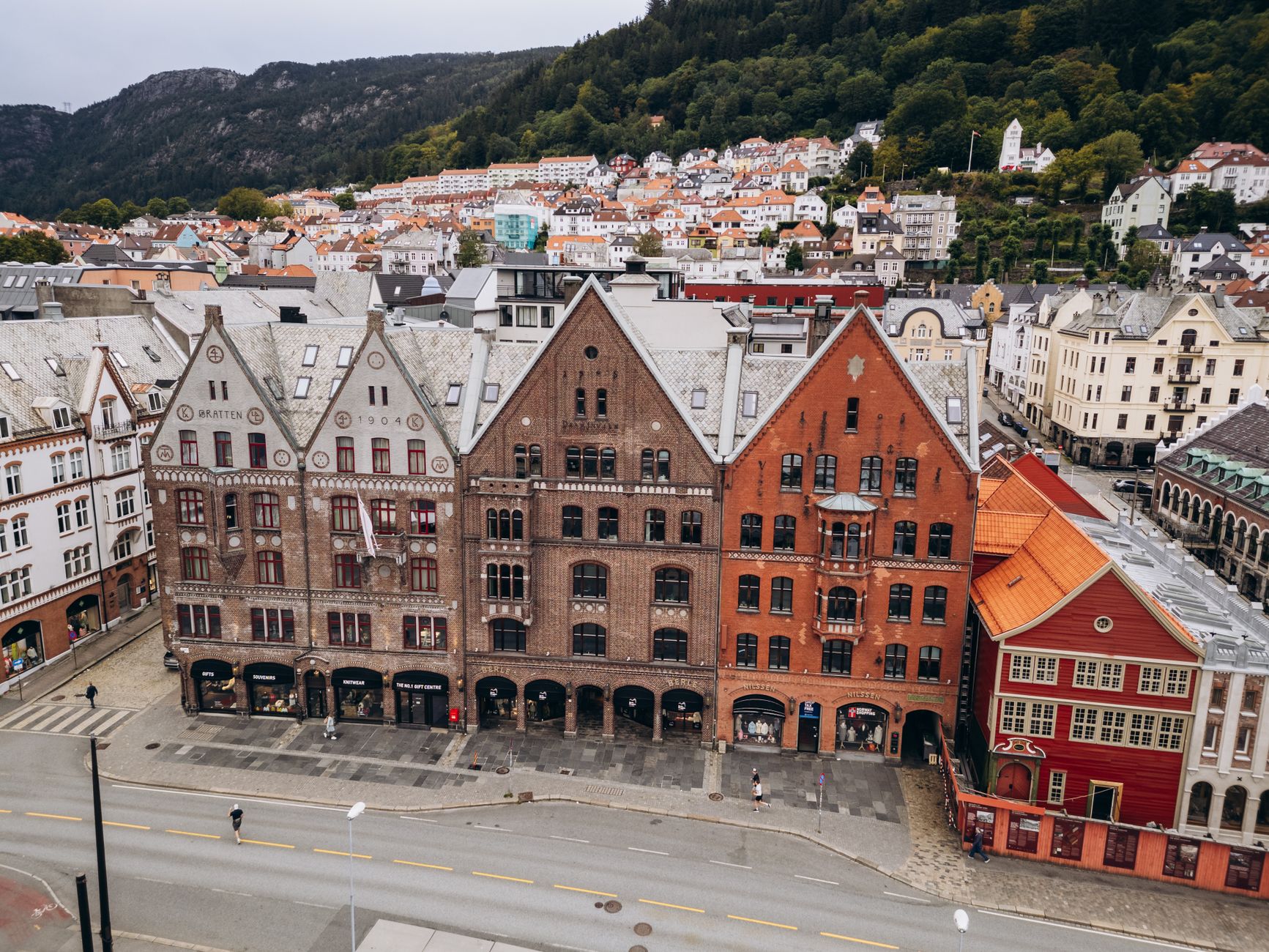
This is a city that spent five hundred years as Norway's most important port, lost that status quietly to Oslo, and has never seemed particularly bothered. The Hanseatic merchants are gone, but the wooden architecture they left behind — rebuilt after the fire of 1702 — still organises the waterfront, and the composer Edvard Grieg grew up in streets that still exist.
💛 What travellers fall for
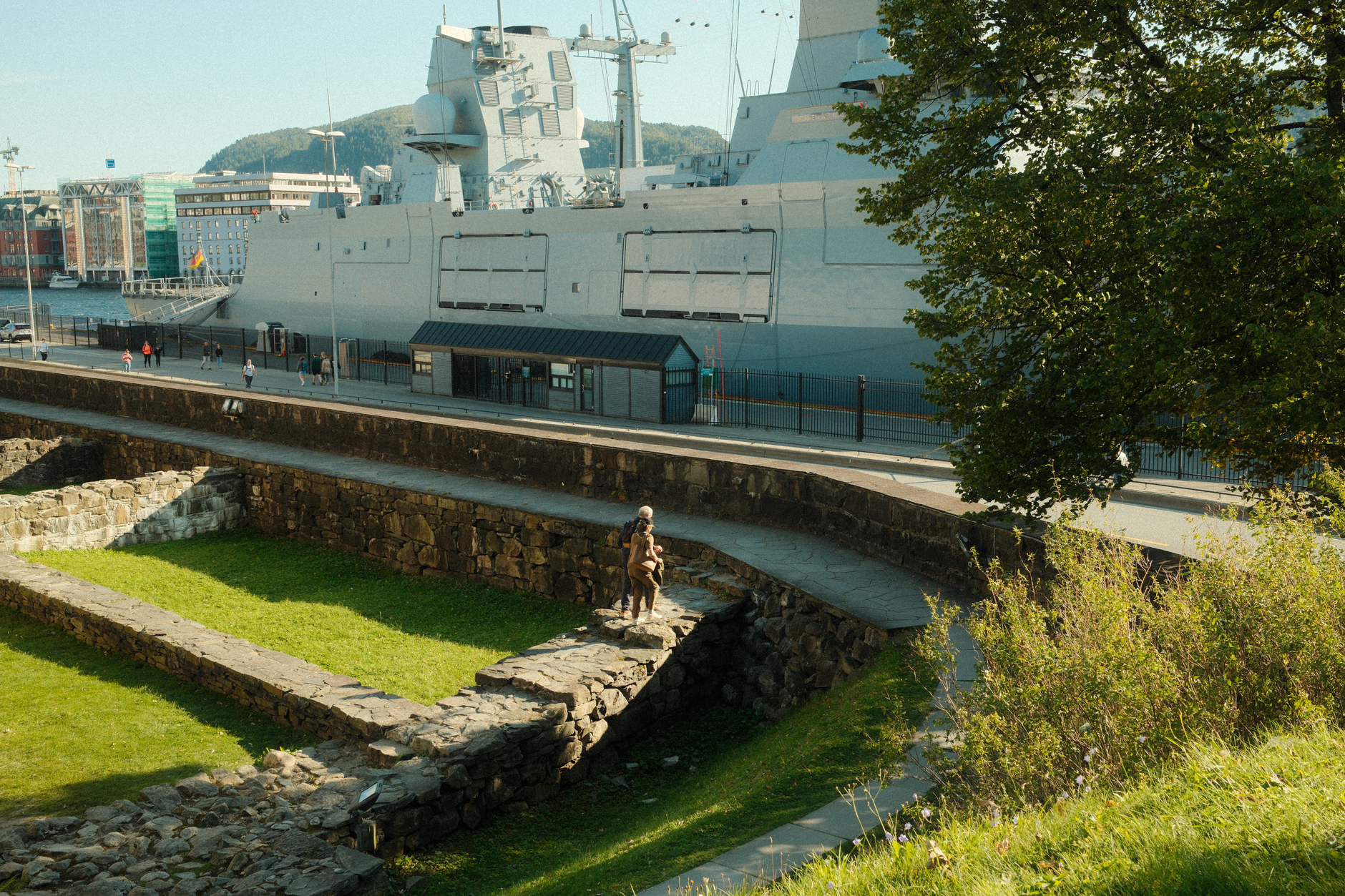
People who come back tend to have the same advice: get the Bergen Card, ride the Bybanen light rail at least once just to understand the city's geography, and walk to Bergenhus Fortress in the late afternoon when the tour groups have thinned. St. Mary's Church — Bergen's oldest building, still standing since roughly 1130 — is easy to pass without stopping. Don't.
Experiences you don't want to miss


Deals in Bergen
Book directly at the provider

How Bergen came to be
King Olav Kyrre founded Bjørgvin — 'the green meadow among the mountains' — in 1070, though archaeologists have since found evidence of a trading settlement already active in the 1020s or 1030s. Bergen functioned as Norway's de facto capital in the early 13th century before losing that role to Oslo under Haakon V between 1299 and 1319. It remained the country's largest city until the 1830s.
The Hanseatic League established Bergen as a bureau city from the late 13th century, giving German merchants a trading monopoly that shaped the waterfront — and St. Mary's Church, which served as the Germans' own church from 1406 to 1766. Fires in 1702, 1855, and 1916 repeatedly destroyed the wooden city; Bryggen's current form dates from the rebuilding after 1702. In 1873, Bergen-based physician Gerhard Henrik Armauer Hansen identified the bacterium that causes leprosy — a discovery made here, in this city, in a specific laboratory on a specific street.
Who and what shaped it
People who shaped it
Landmark buildings
See Bergen in motion
Plan your visit
On the map
When to go
Bergen is one of the wettest cities in Europe, with rain possible in any month — pack accordingly and treat a dry day as a gift rather than a guarantee. Summer brings the longest light and the most visitors; autumn is quieter, the mountains turn, and the rain, if anything, suits the old timber architecture.
Right now
Background & history adapted from Wikipedia (CC BY-SA) · specs from Wikidata (CC0) · weather from Open-Meteo · map data © OpenStreetMap contributors · photos from Wikimedia Commons / Unsplash with per-image credit. No third-party reviews or social posts reproduced.