
Benito Juárez
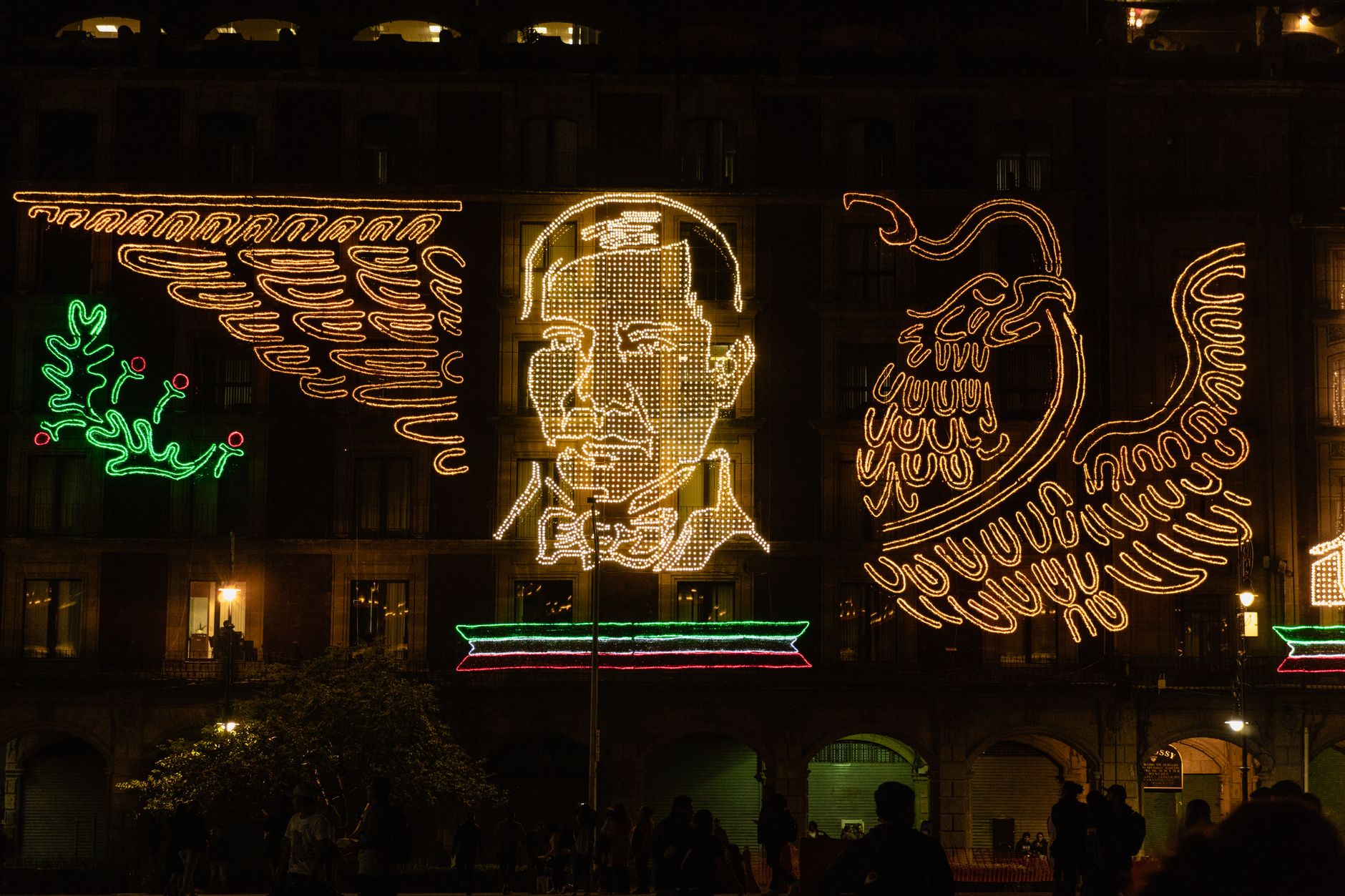
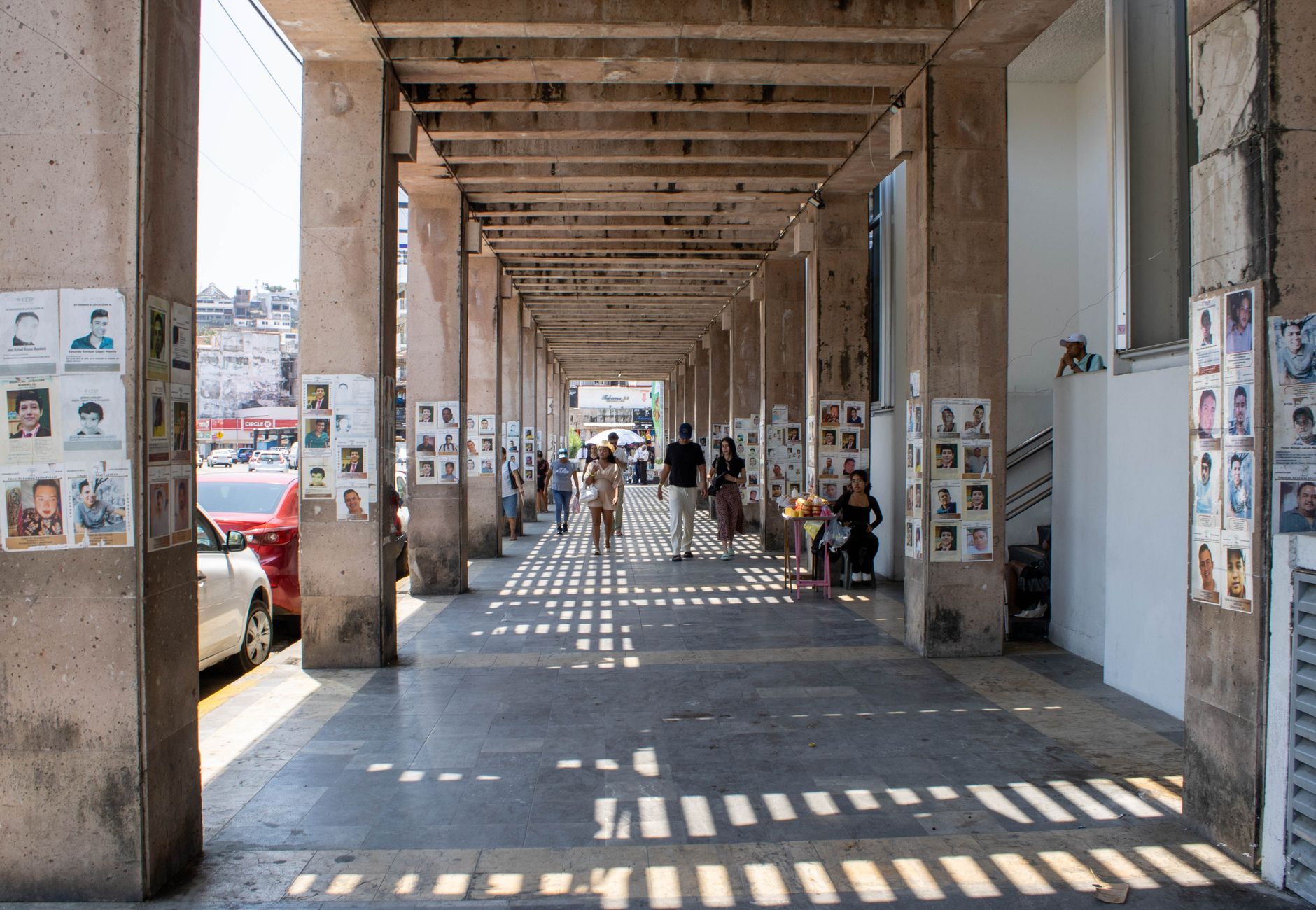
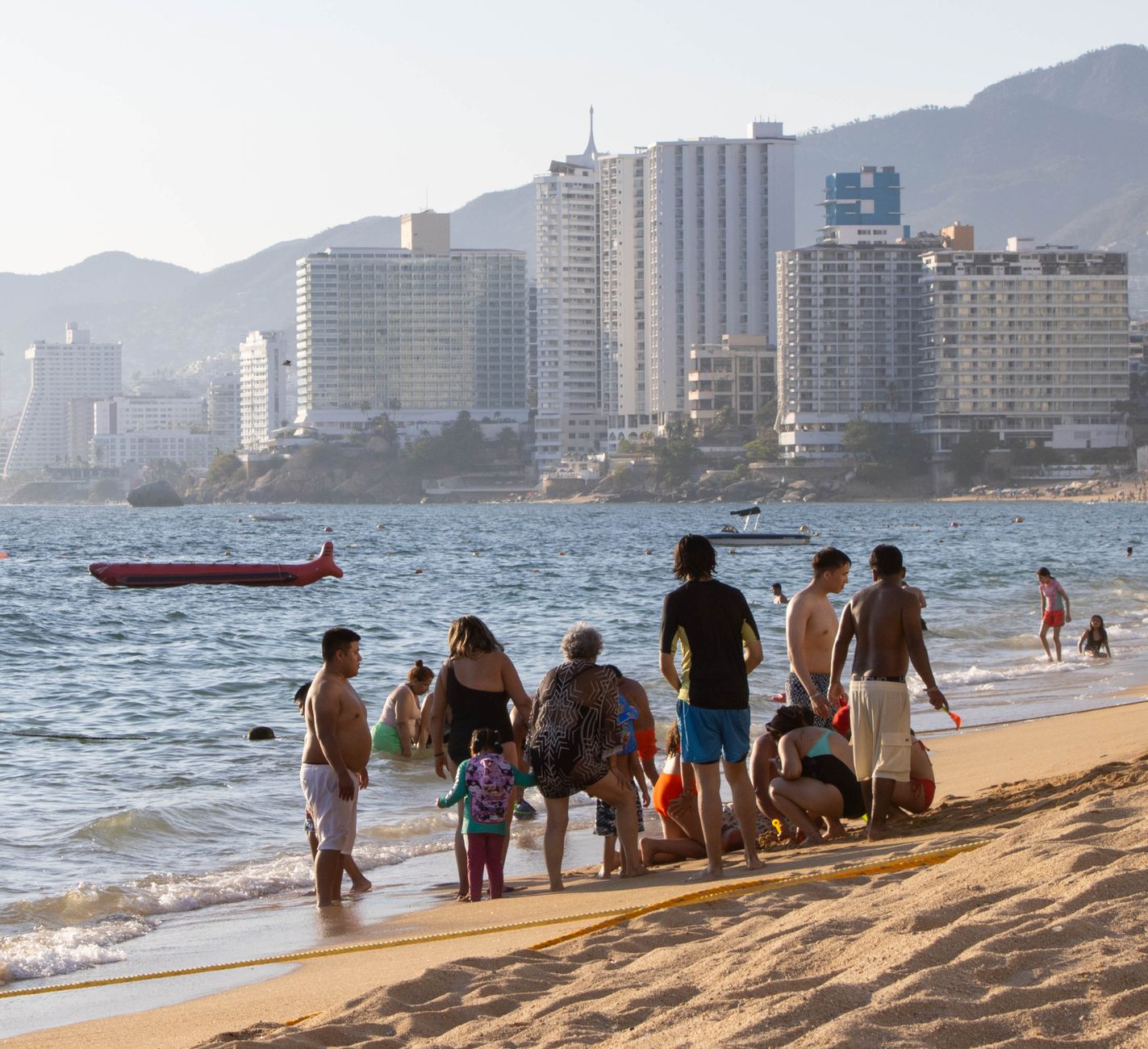
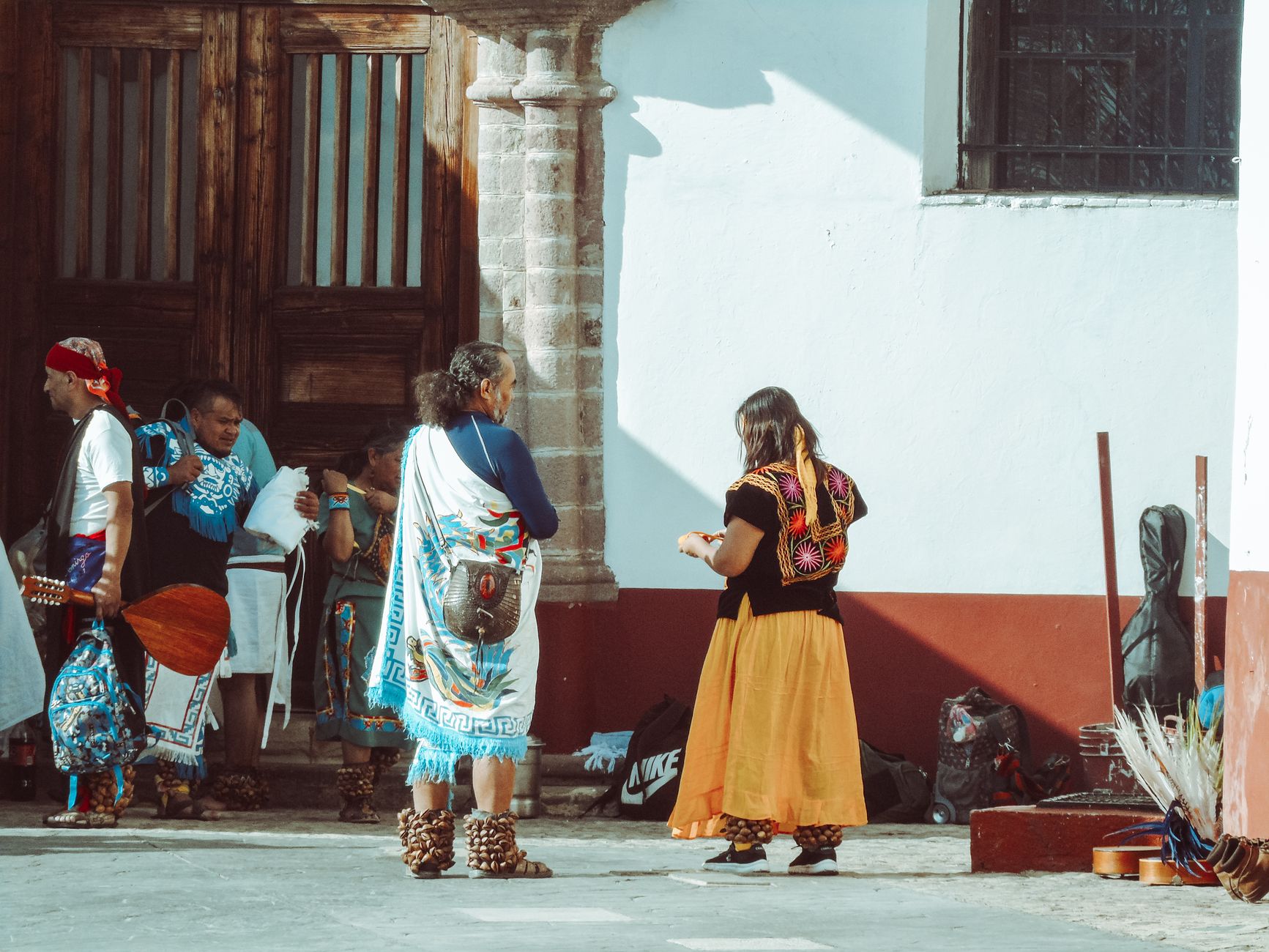
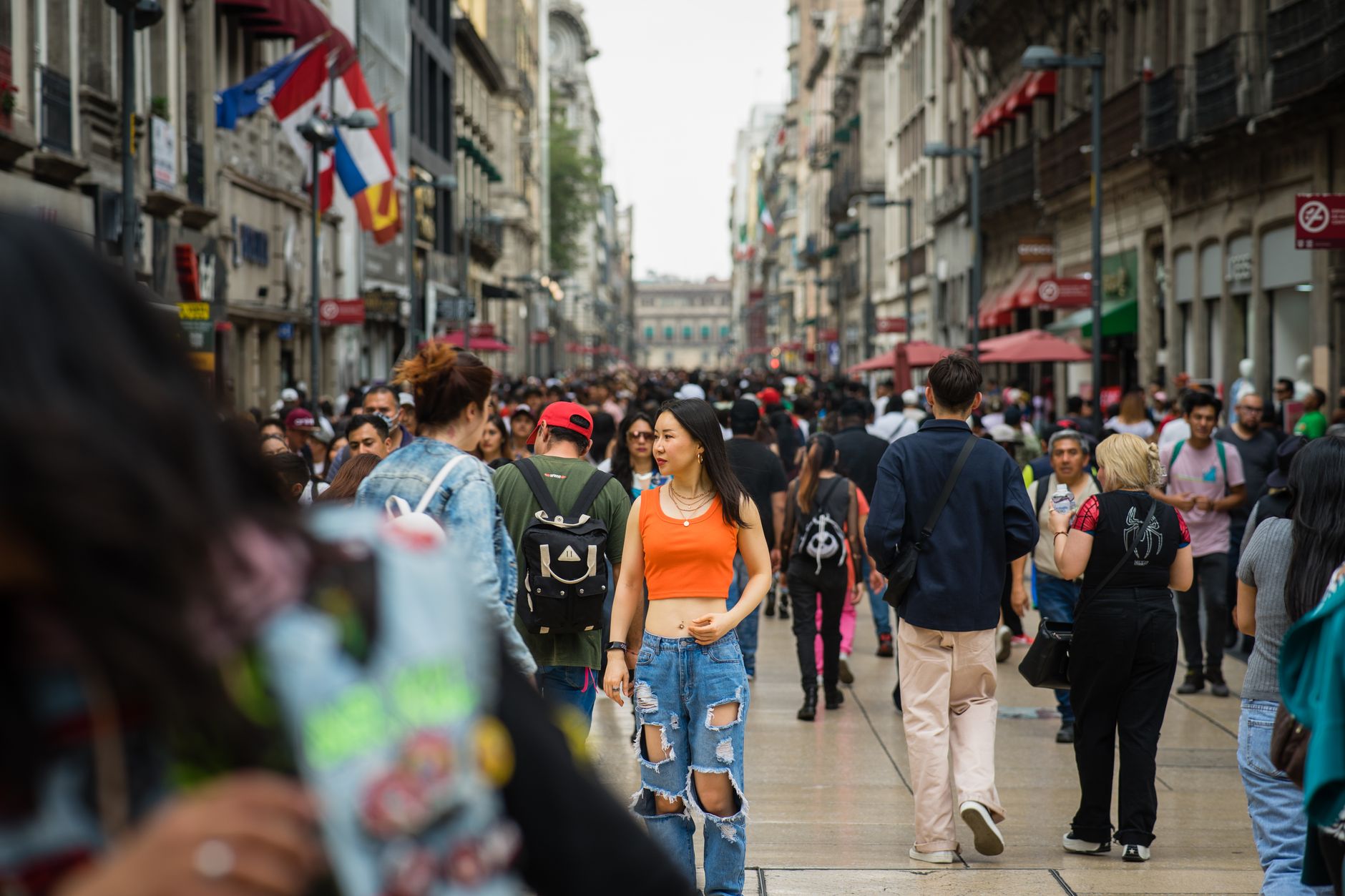
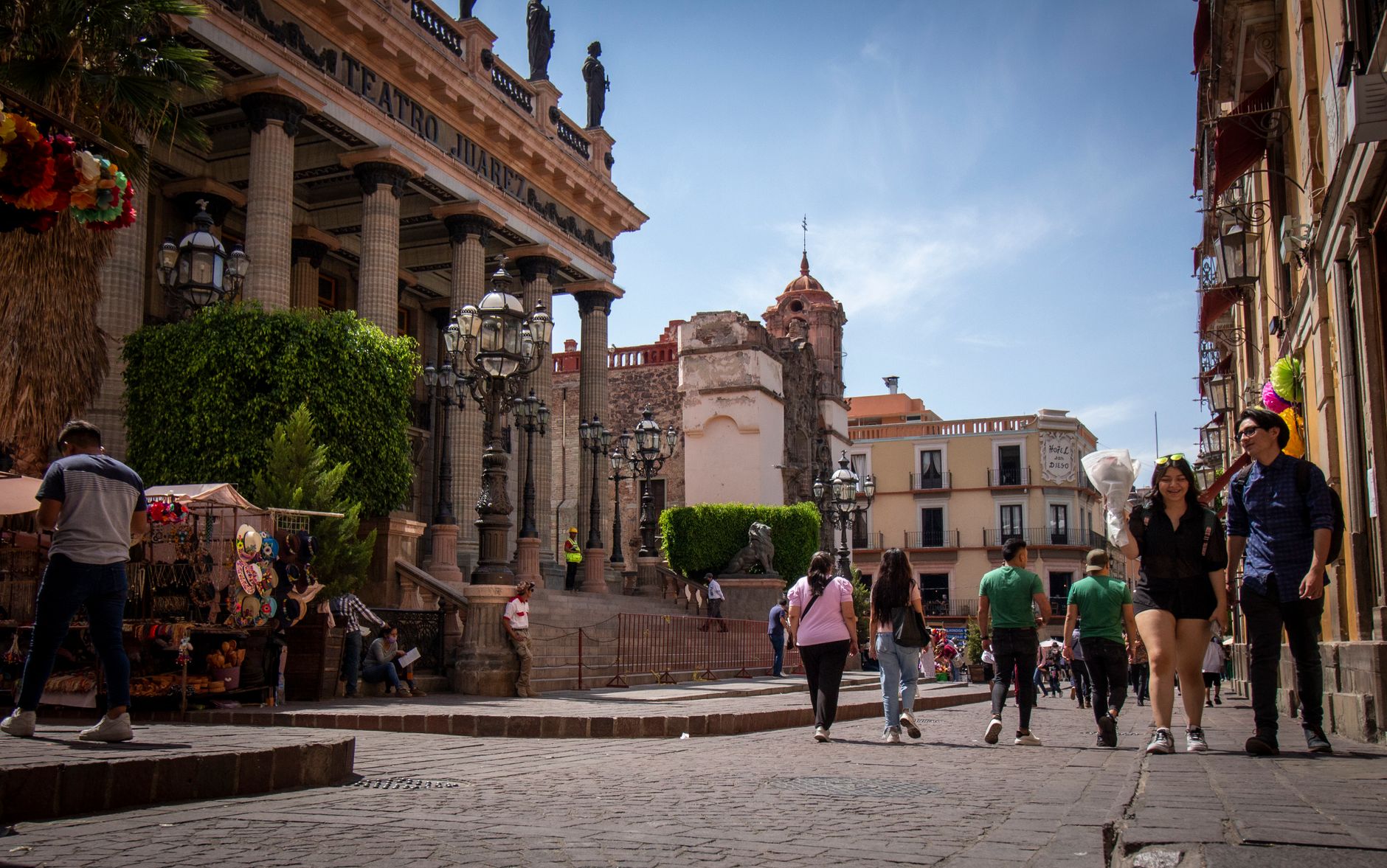
Stand at the corner of Insurgentes and any cross street in Benito Juárez and you'll notice something the rest of Mexico City rarely offers: room to breathe. This central-southern borough of 26 square kilometres was, within living memory, a patchwork of haciendas and brick-making villages; by 1960 it was considered fully urbanised, its old ranches absorbed into colonias with names like Del Valle and Narvarte. The speed of that transformation left an architectural record you can still read block by block.
Today Benito Juárez is where a great deal of ordinary Mexico City life actually happens — morning runs through Parque Hundido, pulque poured at a bar founded in 1942, a mural the size of a football pitch turning slowly overhead. It rewards the walker who slows down.
💛 What travellers fall for
People who return to Benito Juárez tend to anchor themselves in Narvarte or Del Valle and work outward. The standing advice: go to Parque Hundido on a weekday morning when it's nearly empty, track down Pulquería La Paloma Azul in Portales for an afternoon drink, and save the Polyforum for a late visit when the crowds thin and the mural has the light to itself.
Experiences you don't want to miss



Deals in Benito Juárez
Book directly at the provider

How Benito Juárez came to be
Before it had its current name, this territory supplied Mexico City with bricks and agricultural produce through the colonial era and into the nineteenth century. Villages like Mixcoac, La Piedad and Santa Cruz Atoyac dotted land that would later be parcelled into residential colonias. Streets began to be paved between 1909 and 1910, and through the 1920s developers carved old hacienda land into subdivisions — loosely planned, often unregulated — initially conceived as country retreats for city residents.
The delegation was formally named Benito Juárez on 30 December 1972, honouring the Zapotec-born lawyer who served as Mexico's 26th president and pushed through the liberal reforms separating church and state. The name arrived late; the urbanisation had already run its course, the apartment buildings of the 1950s having replaced the last remaining houses well before the official designation was made.
Who and what shaped it
People who shaped it
Landmark buildings
See Benito Juárez in motion
Plan your visit
On the map
When to go
Benito Juárez sits at 2,232 metres, which keeps temperatures mild year-round — expect cool mornings and evenings even in summer, and jacket weather from November through February. The rainy season runs roughly May to October, with afternoon downpours that pass quickly; carry a light layer regardless of the month.
Right now
Background & history adapted from Wikipedia (CC BY-SA) · specs from Wikidata (CC0) · weather from Open-Meteo · map data © OpenStreetMap contributors · photos from Wikimedia Commons / Unsplash with per-image credit. No third-party reviews or social posts reproduced.