
Belém
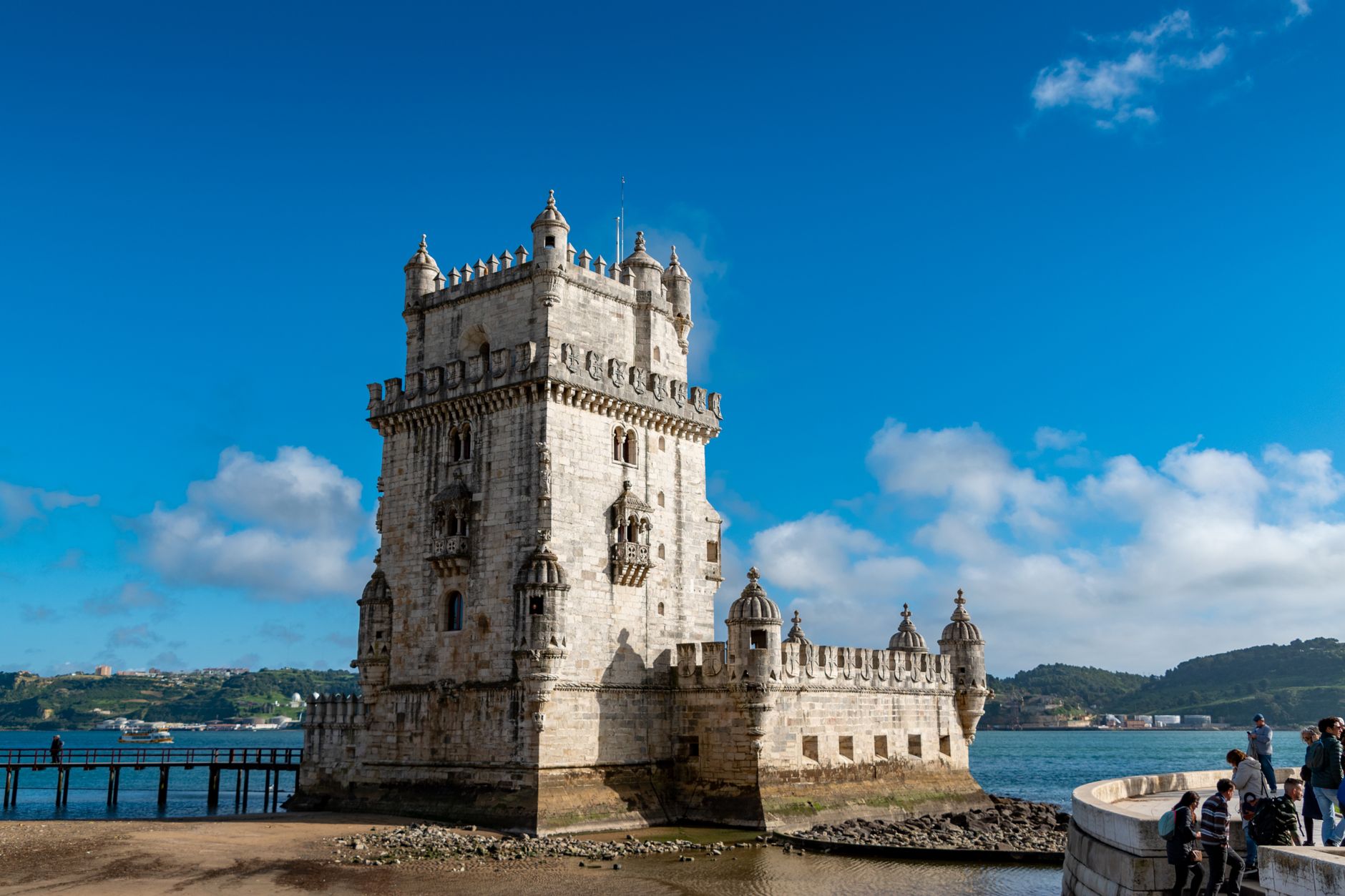
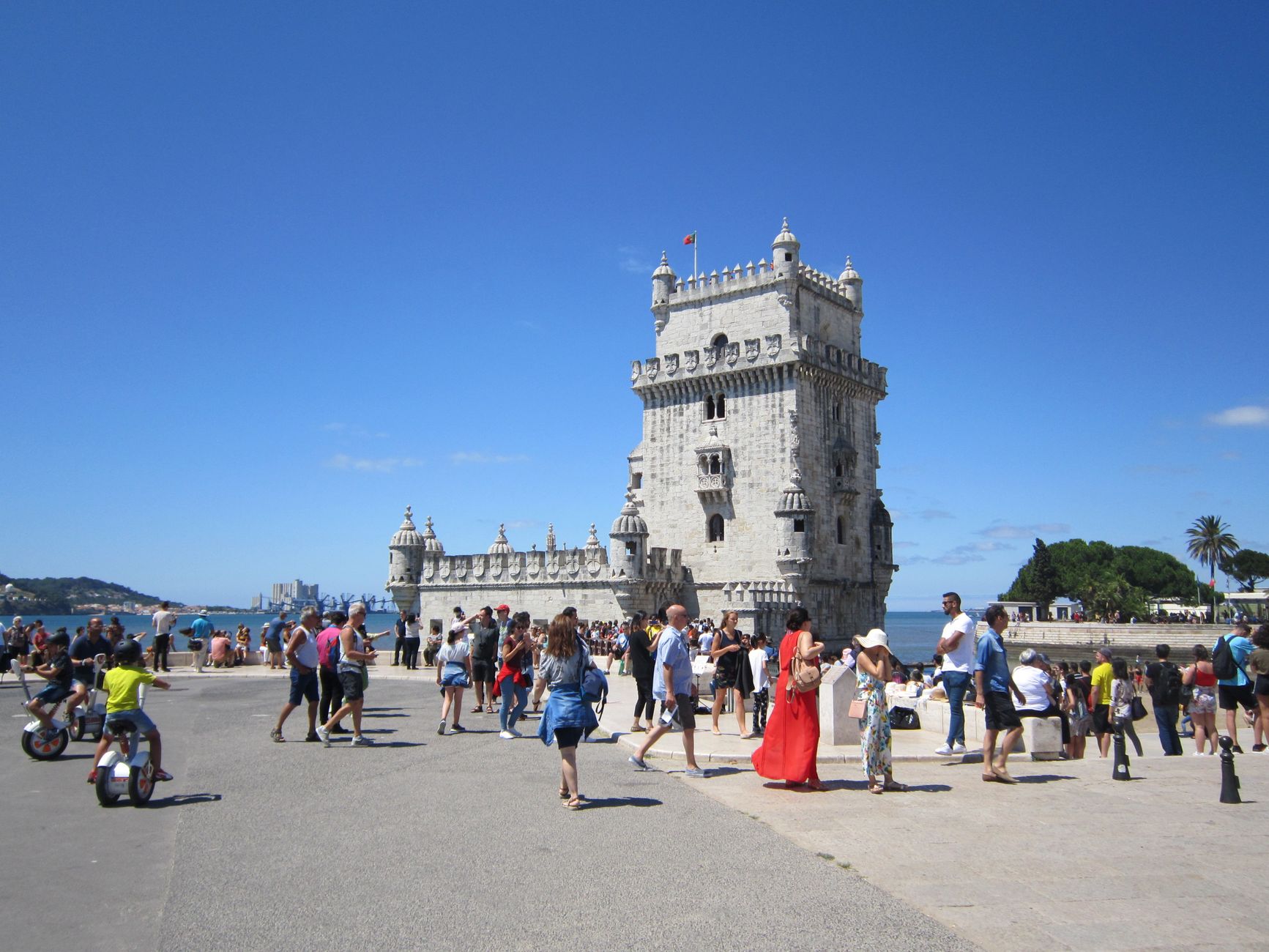
Belém sits where the Amazon meets the Atlantic — or close enough that the river here is so wide you can't see the other bank, and the air carries the weight of both jungle and salt. The city made its money from rubber in the late nineteenth century, and the architecture still carries that confidence: a neoclassical opera house on a square shaded by mango trees, iron market pavilions imported from Europe, a Portuguese fort that has stood at the mouth of Guajará Bay since 1616.
What keeps people here longer than planned is usually the food. The Ver-o-Peso market opens before dawn, and the stalls sell things you won't find anywhere else — açaí by the bucket, dried river fish, tucupi broth, and herbs whose names you'll need to ask twice.
💛 What travellers fall for
People who come back tend to say the same thing about Ver-o-Peso: go at first light, before the heat settles in. The Teatro da Paz tour on a Wednesday costs nothing and the guide usually has time to talk. Skip the taxi queue at the airport and use 99 — it's cheaper and the app works fine.
Experiences you don't want to miss




Deals in Belém
Book directly at the provider


How Belém came to be
On January 12, 1616, Portuguese captain Francisco Caldeira Castelo Branco anchored in Guajará Bay and built a wooden fort he called Presépio — the Nativity scene — on the promontory that still bears its name. The settlement around it was christened Feliz Lusitânia. For over a century and a half it remained a Portuguese colonial outpost, only formally joining Brazil in 1775.
The city's transformation came with rubber. Between 1879 and 1912, Belém became one of the wealthiest cities in Brazil — a conduit for the latex that kept the industrial world moving. Engineer José Libúrcio Pereira Magalhães drew up the Teatro da Paz, whose foundation stone was laid in 1869; Italian decorator Domenico de Angelis painted its interior. The Ver-o-Peso market got its current iron-framed structure in 1901. When synthetic rubber collapsed the trade, the money stopped, and the city has been living with that beautiful, slightly melancholy inheritance ever since.
Who and what shaped it
People who shaped it
Landmark buildings
See Belém in motion
Plan your visit
On the map
When to go
Belém is equatorial year-round — temperatures rarely stray from 27–32°C and humidity is a constant companion. The drier months run roughly August to October, when rainy days drop to seven or eight a month and mornings can be genuinely clear; the wet season, January to May, brings near-daily downpours and occasional flooding around the waterfront.
Right now
Background & history adapted from Wikipedia (CC BY-SA) · specs from Wikidata (CC0) · weather from Open-Meteo · map data © OpenStreetMap contributors · photos from Wikimedia Commons / Unsplash with per-image credit. No third-party reviews or social posts reproduced.