
Beddgelert
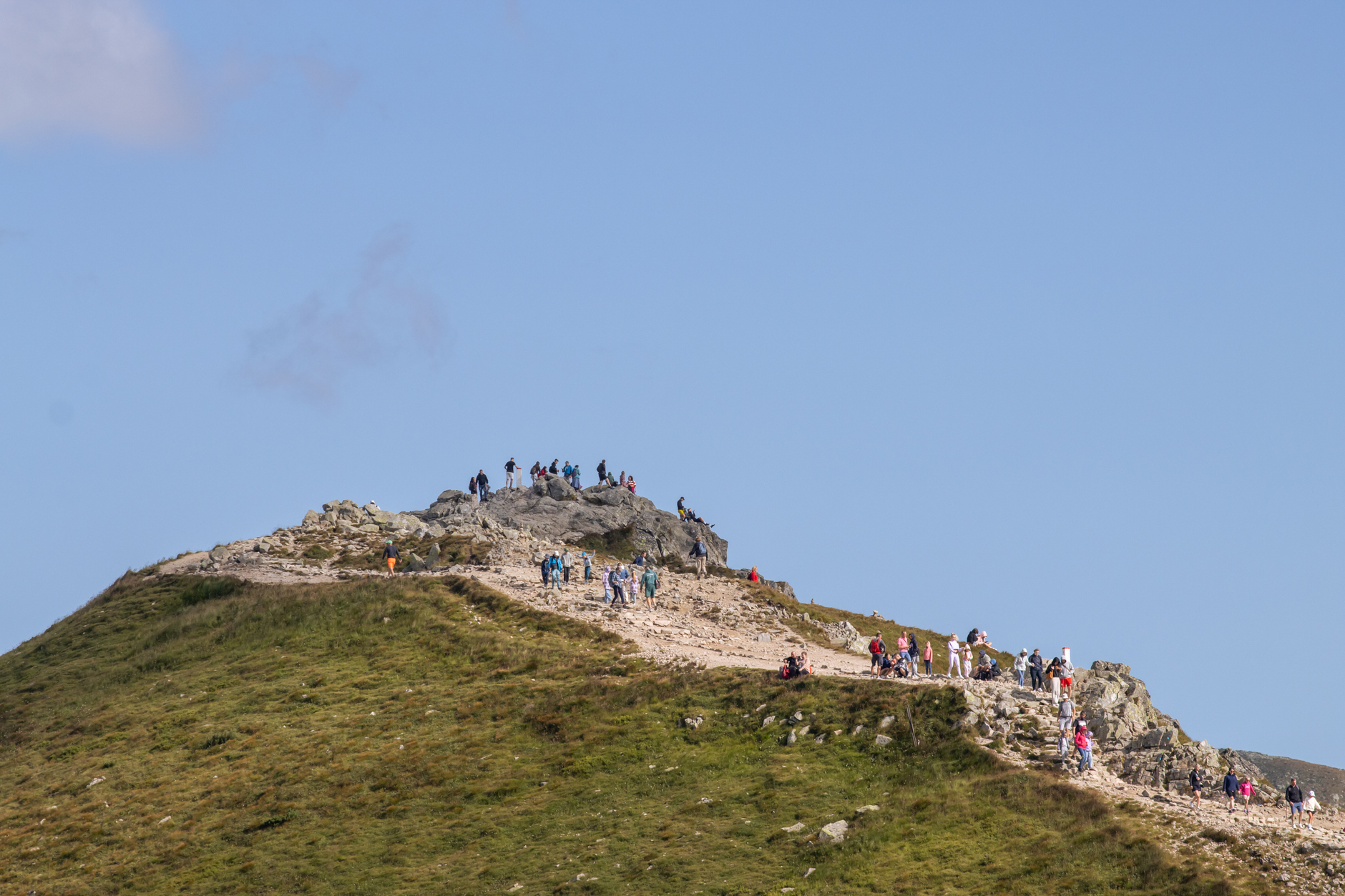


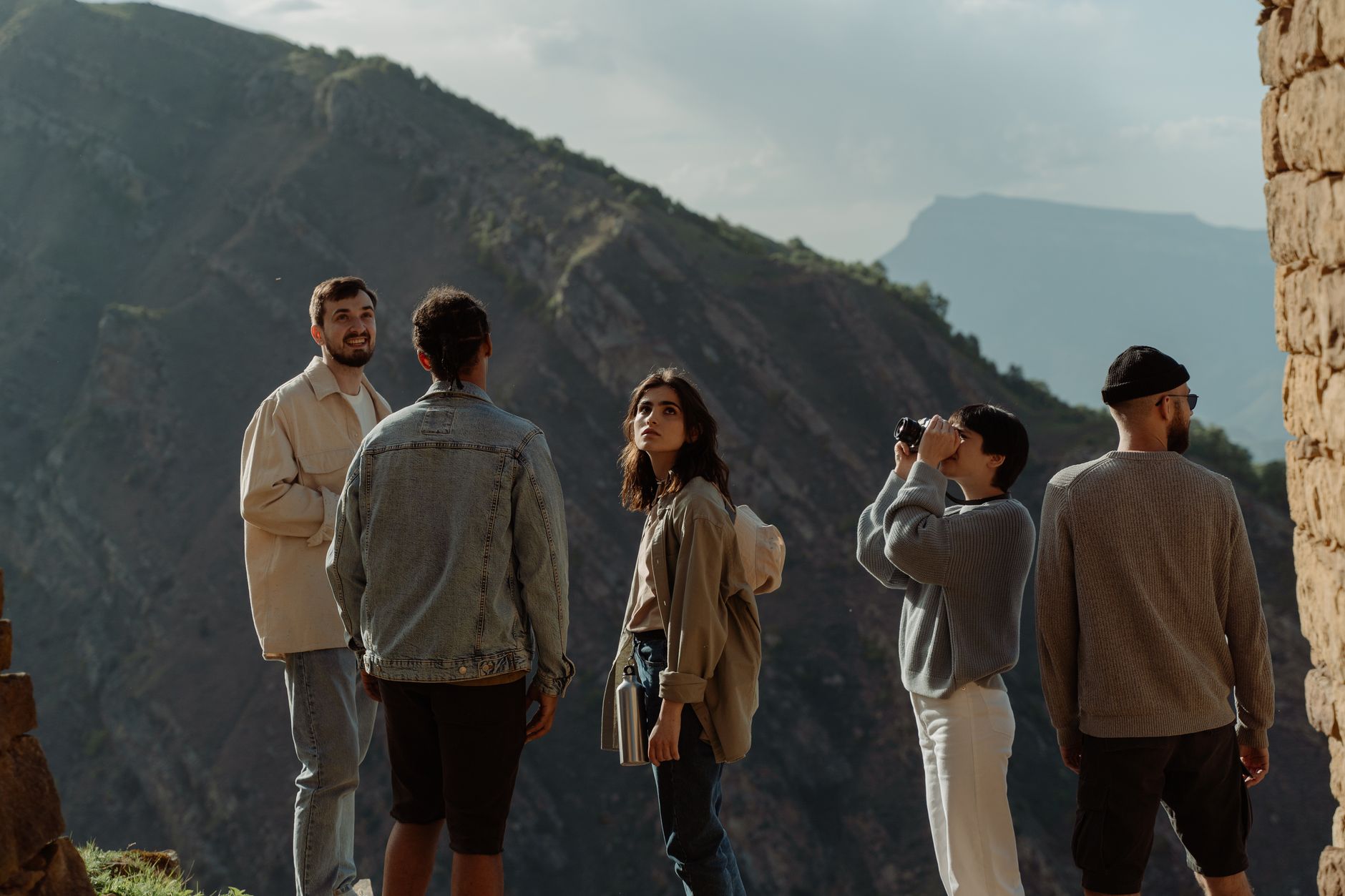

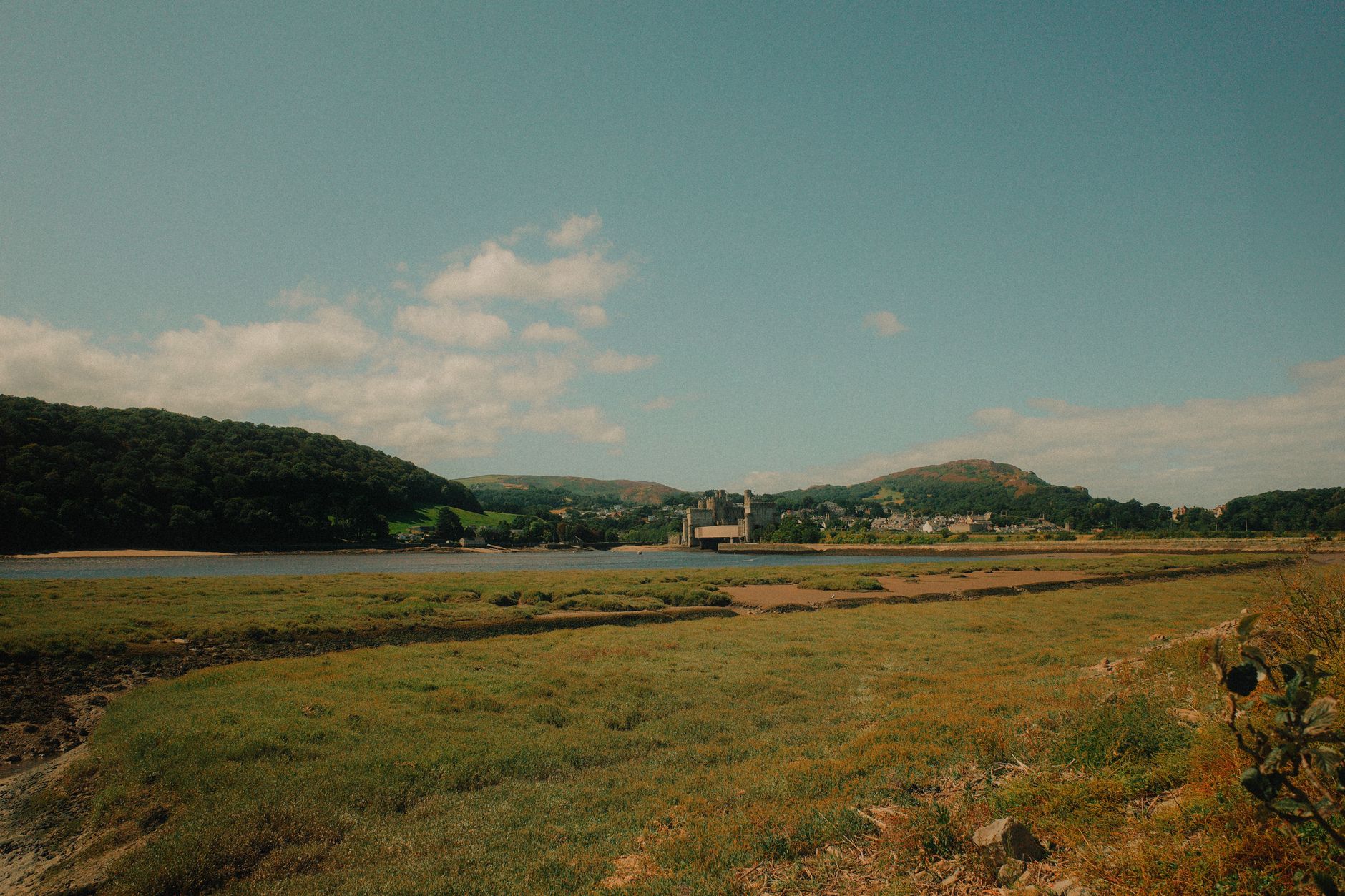
Beddgelert sits at the point where the Glaslyn and the Afon Colwyn meet, its houses built from the same dark stone as the mountains pressing in on either side. The village is small — 460 people at the last count — and the scale of everything around it is not. Snowdon stands four miles to the north, and on a clear morning the ridgeline fills the end of the valley like a wall.
Most of what you see was built in the nineteenth century, but the ground underneath it is much older: a Celtic missionary settlement, a medieval priory, copper mines the Romans worked. The story of a faithful hound buried here turns out to be a clever piece of Victorian myth-making, which is itself worth knowing.
💛 What travellers fall for
People who come back tend to arrive on the Welsh Highland Railway from Porthmadog — the approach through the Aberglaslyn Pass, windows down, is the thing they mention first. They also tend to seek out Llywelyn's Cottage before the National Trust shop opens, just to stand in front of the oldest building on the main street without anyone else around.
Experiences you don't want to miss


Deals in Beddgelert
Book directly at the provider


How Beddgelert came to be
The name records a real person: Gelert, an eighth-century Celtic Christian missionary who settled in this valley. The earliest written form, 'Bekelert', appears in a document from 1258. St Mary's Church stands on ground that had been a place of worship since at least the seventh century — a Celtic clas predating the Augustinian priory formally established here in the early thirteenth century, and traditionally counted among the oldest religious foundations in Wales.
The famous grave in the meadow is a different matter. Around 1802, David Pritchard, the first tenant-manager of the Goat Hotel, raised a mound and attached to it the legend of Llewelyn Fawr's loyal hound Gelert — a story he revived and, by most accounts, substantially embellished. It worked. The village's reputation was made, and the hotel filled.
Who and what shaped it
People who shaped it
Landmark buildings
See Beddgelert in motion
Plan your visit
On the map
When to go
Beddgelert receives around 1,500 mm of rain a year — the mountains earn it — so a waterproof is worth carrying in any season. July is the warmest month at around 19°C, May the sunniest; December is both the wettest and the coldest, with daytime temperatures rarely climbing above 6°C.
Right now
Background & history adapted from Wikipedia (CC BY-SA) · specs from Wikidata (CC0) · weather from Open-Meteo · map data © OpenStreetMap contributors · photos from Wikimedia Commons / Unsplash with per-image credit. No third-party reviews or social posts reproduced.