
Beaune
The roofline of the Hospices de Beaune stops you before you've even reached the door — those geometric diamonds of glazed tile, gold and rust and green, arranged in patterns that belong more to a fever dream than a hospital courtyard. Yet a hospital is exactly what it was, from 1442 until the 1970s, built by a chancellor who owned half of Burgundy and apparently wanted to square things with God.
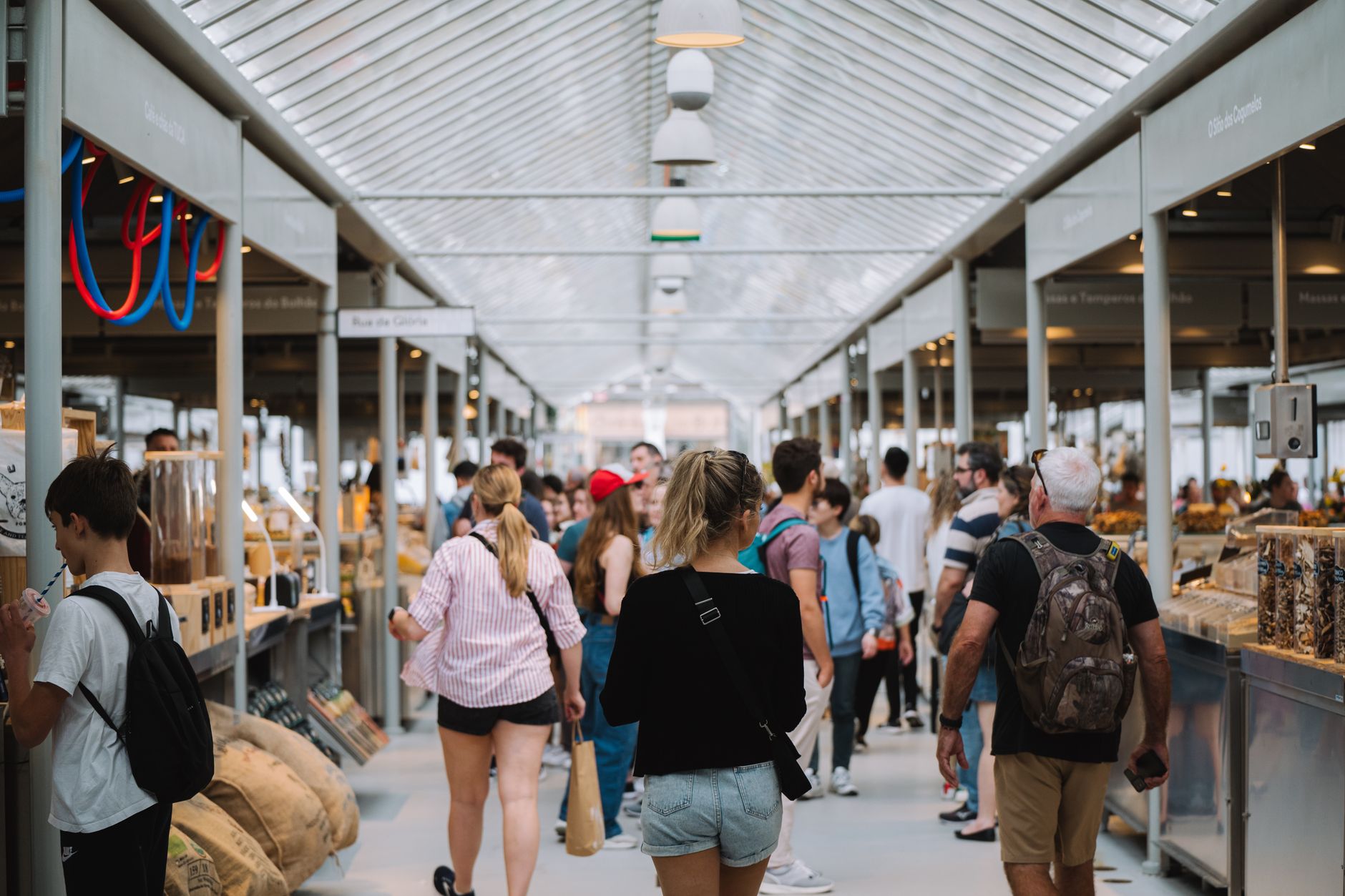
Beaune sits at the center of one of the world's most scrutinized stretches of vineyard, and the town knows it. The ramparts still ring the old city in a near-perfect circle, the Wednesday and Saturday markets fill the covered halles as they have for centuries, and the wine cellars run beneath almost everything.
💛 What travellers fall for
People who come back tend to time a visit around the Wednesday or Saturday market, then spend an afternoon in the Musée du Vin de Bourgogne — less crowded than the Hospices and unexpectedly absorbing. The Collégiale Notre-Dame rewards a second look after the Hospices crowds thin out; go on a weekday afternoon, not a Saturday.
Experiences you don't want to miss


Deals in Beaune
Book directly at the providerHow Beaune came to be
Celtic settlement, Roman castrum, Burgundian ducal seat — Beaune accumulated identities over two millennia without ever growing large enough to lose its shape. The Romans called it Belna and built a substantial fort; Saint Martin passed through in the 370s dismantling pagan shrines. For roughly six hundred years the Dukes of Burgundy used the town as a base, until France absorbed it in 1478.
Prosperity came and went: the revocation of the Edict of Nantes in 1685 drove out Huguenot weavers and leather workers and left the economy hollowed out, but the wine trade rebuilt it through the 18th century. The town was inscribed as part of the UNESCO Climats, terroirs of Burgundy site in 2015 — recognition that the land itself, mapped and tended for centuries, is the real monument.
Who and what shaped it
People who shaped it
Landmark buildings
See Beaune in motion
Plan your visit
On the map
When to go
Summers are warm and dry, ideal for walking the ramparts and eating outside; spring brings cool mornings and the first green on the vines. Autumn — harvest season — is when the light turns amber and the town fills with négociants and buyers. Winters are cold and quiet, with occasional frost, but the Hospices and wine cellars are reliably open year-round.
Right now
Background & history adapted from Wikipedia (CC BY-SA) · specs from Wikidata (CC0) · weather from Open-Meteo · map data © OpenStreetMap contributors · photos from Wikimedia Commons / Unsplash with per-image credit. No third-party reviews or social posts reproduced.