
Bayrischzell
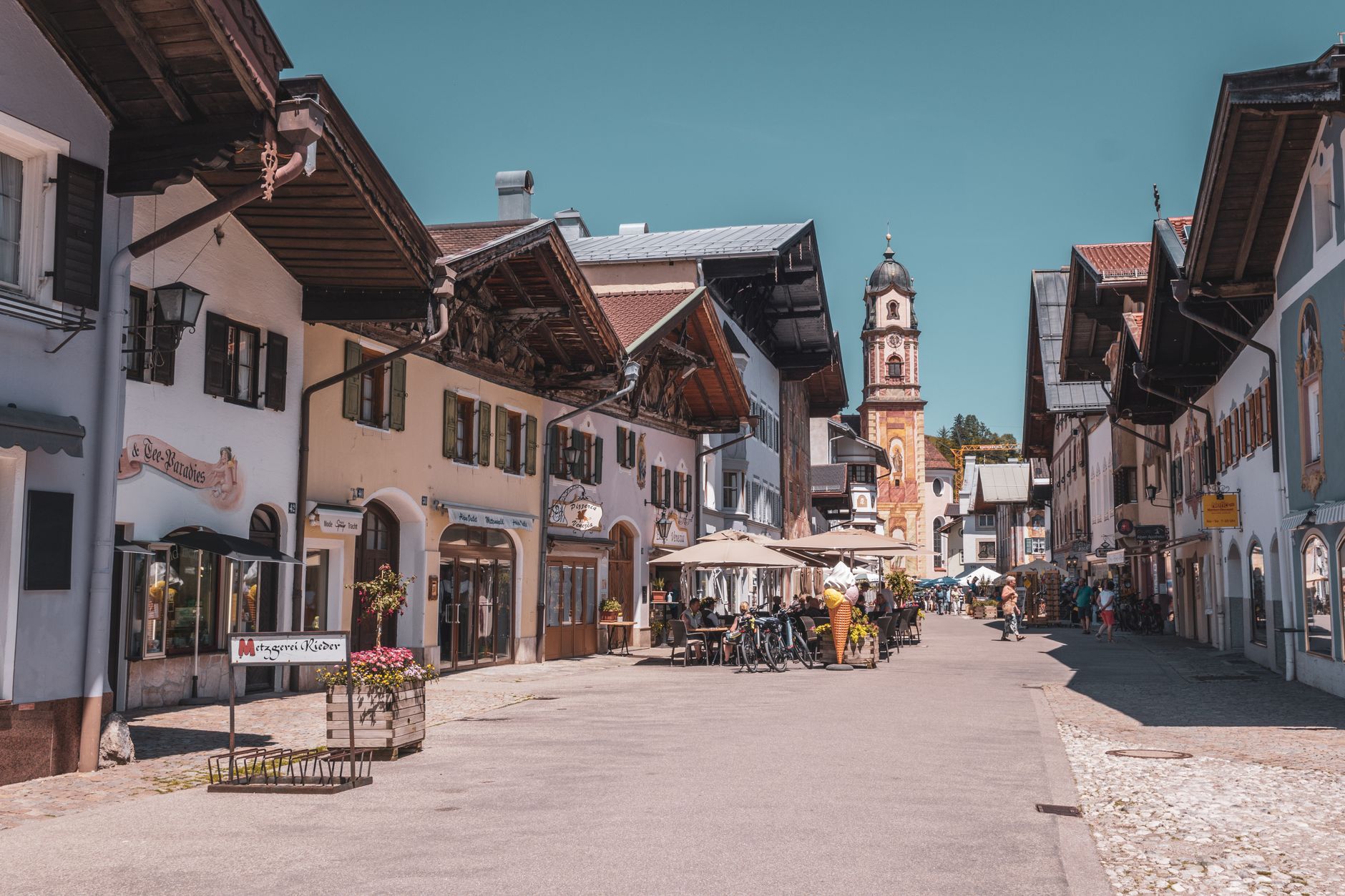
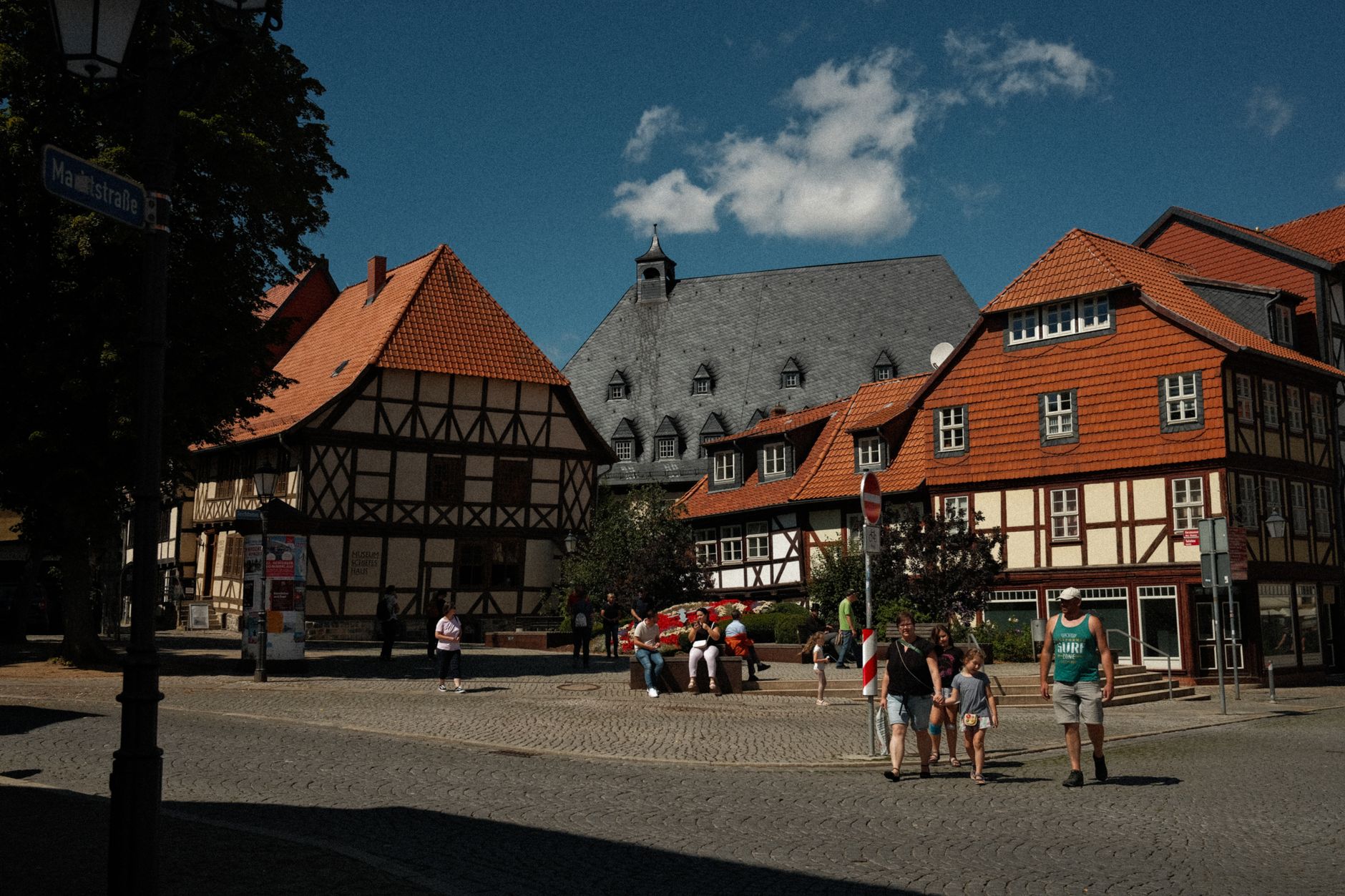
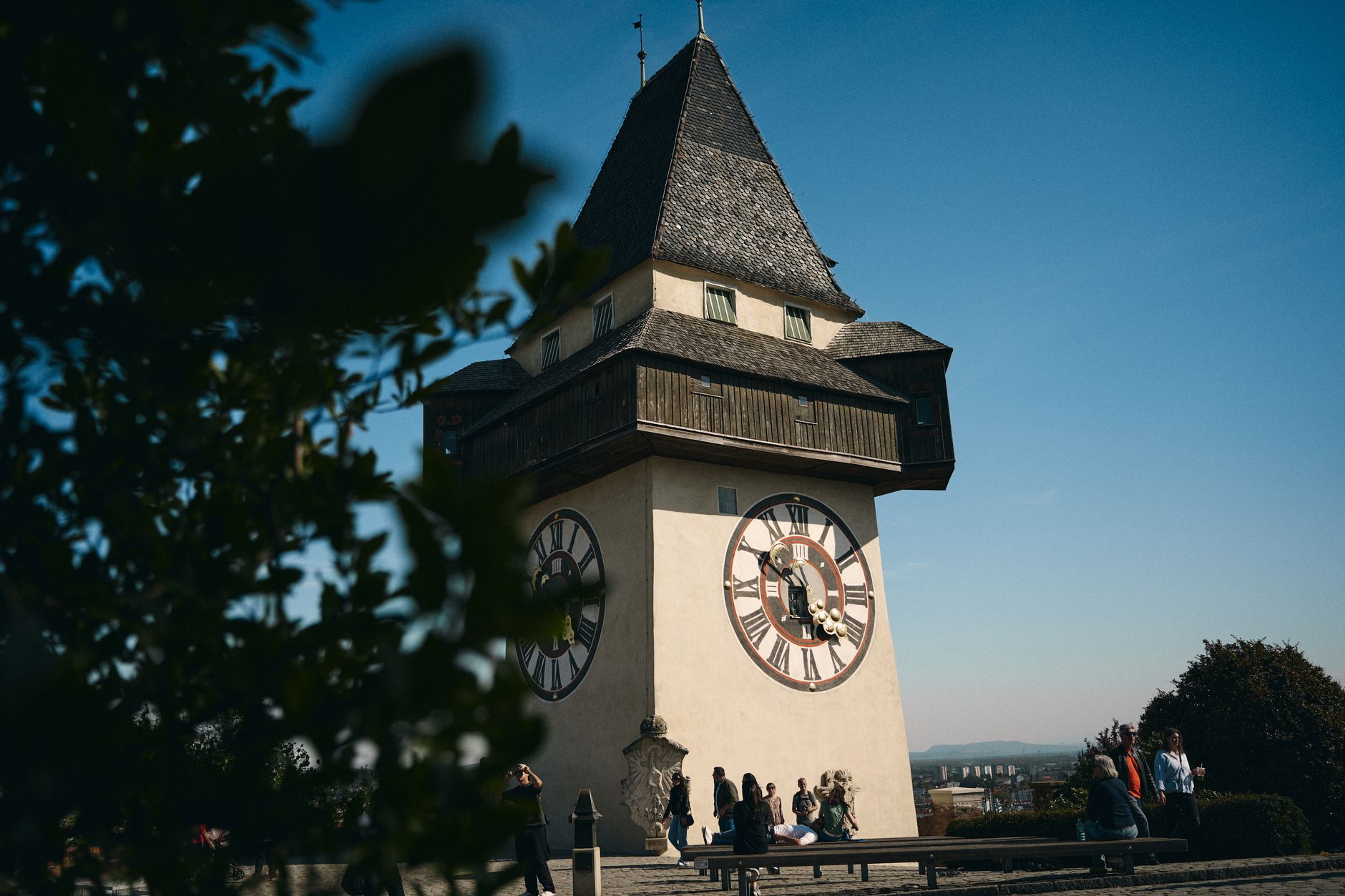
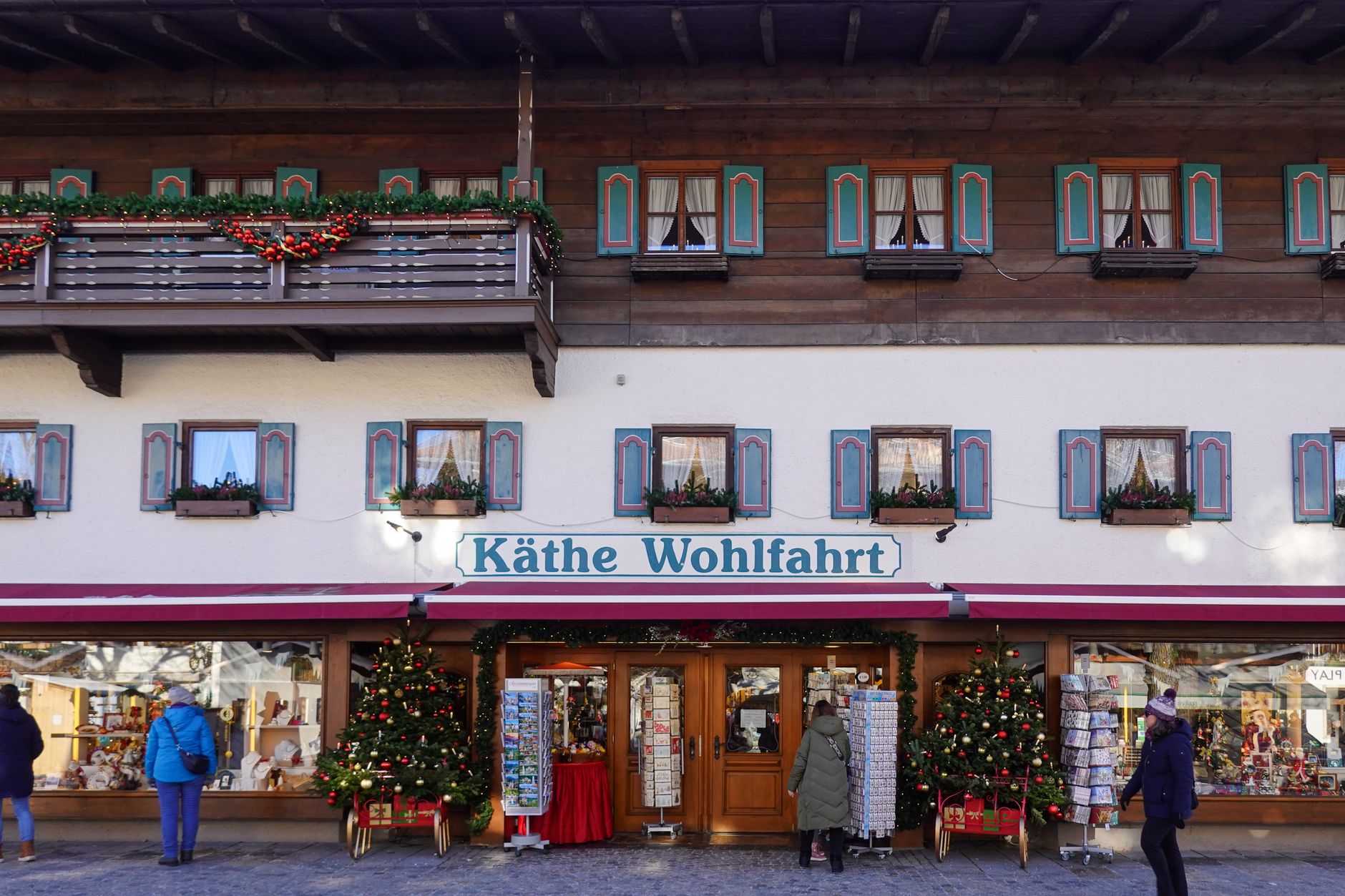
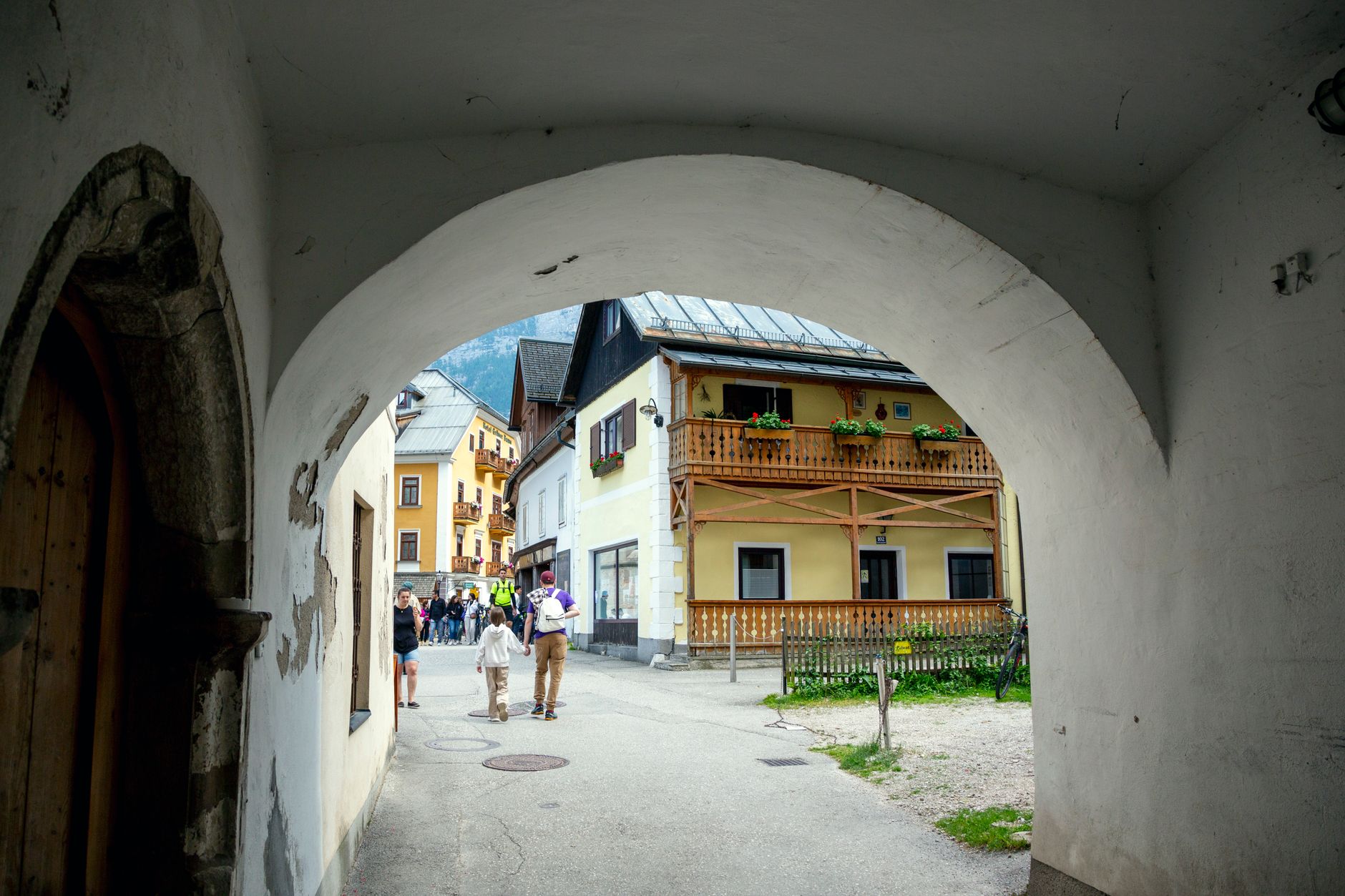

At 800 metres, Bayrischzell sits at the end of the railway line — literally. The BOB train from Munich terminates here, and the village has the particular calm of a place that sees arrivals but no through-traffic. The Wendelstein rises to 1,838 metres on one side; the Sudelfeld's 31 kilometres of ski runs spread across the other. About 2,000 people live here year-round, and the Baroque church of St. Margareth anchors the Kirchplatz where a monument to teacher Josef Vogl marks the village's unexpected claim on Bavarian cultural history.
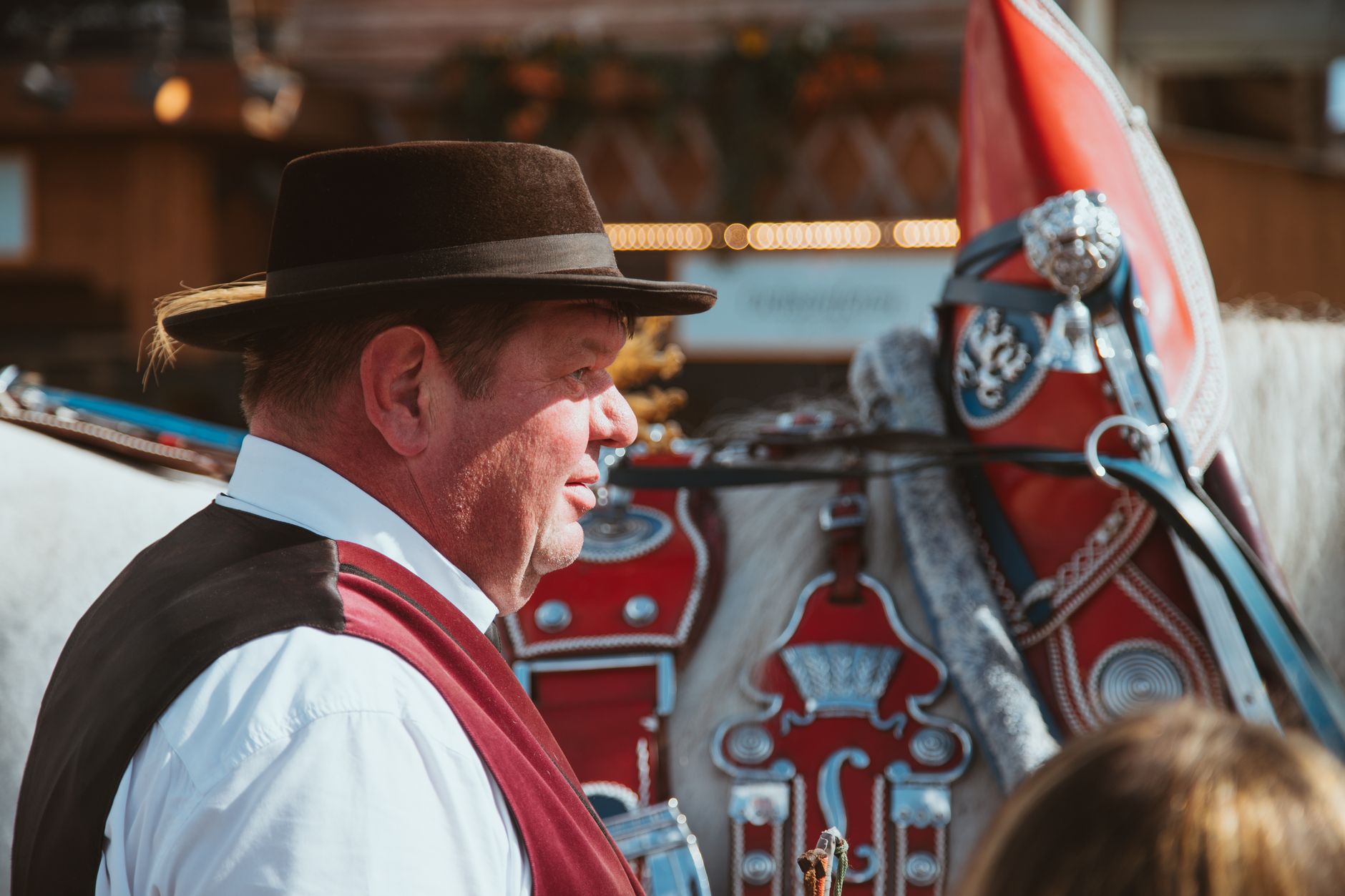
Bayrischzell is where the modern folk costume movement — the Tracht revival — took root in the late 19th century. Vogl founded the first folk costume association at the Gasthof Neuwirt, and the tradition held. The brass band, the Bayerischzeller Musikkapelle, has been playing since 1867. The Music Pavilion in the spa gardens opened in 1932 and still hosts concerts.
💛 What travellers fall for
People who come back tend to mention the same few things: taking the Wendelstein cable car from Osterhofen on a weekday morning before the weekend crowds, swimming in the Alpenfreibad when the water is heated and the surrounding peaks are still sharp, and the fact that the RB 55 from Munich Hauptbahnhof makes the whole trip car-free without any real planning.
Experiences you don't want to miss



Deals in Bayrischzell
Book directly at the provider

How Bayrischzell came to be
The land was first cleared between 500 and 700 AD. In 1076, Haziga — wife of Palatine Count Otto II of Scheyern-Wittelsbach — founded a hermitage here with a chapel dedicated to St. Margarethe. It became a monastery in 1079, then relocated to Fischbachau six years later. The settlement that remained grew slowly, only becoming an independent parish in 1811–12 and taking its current name, Bayrischzell, in 1832. The silver diamonds on the 1959 coat of arms still reference those Wittelsbach origins.
Tourism arrived around 1900, accelerated by the railway completed in 1911. The Alpenrose hotel went up beside the station in 1912, the same year work began on the Wendelstein cog railway. By 1913–14, the village was recording more than 22,000 overnight stays annually. The first spa concerts followed in 1926, a post-WWI gesture toward peacetime leisure that the Music Pavilion, opened in 1932, was built to formalise.
Who and what shaped it
People who shaped it
Landmark buildings
See Bayrischzell in motion
Plan your visit
On the map
When to go
Summers are mild rather than hot — July and August average around 22°C — but the mountains generate serious rainfall, especially in June (the wettest month, with around 219 mm). Winter is proper: January averages nearly 19 snow days, and temperatures regularly drop below -5°C overnight, which is exactly what the ski runs at Sudelfeld require.
Right now
Background & history adapted from Wikipedia (CC BY-SA) · specs from Wikidata (CC0) · weather from Open-Meteo · map data © OpenStreetMap contributors · photos from Wikimedia Commons / Unsplash with per-image credit. No third-party reviews or social posts reproduced.