
Bayonne
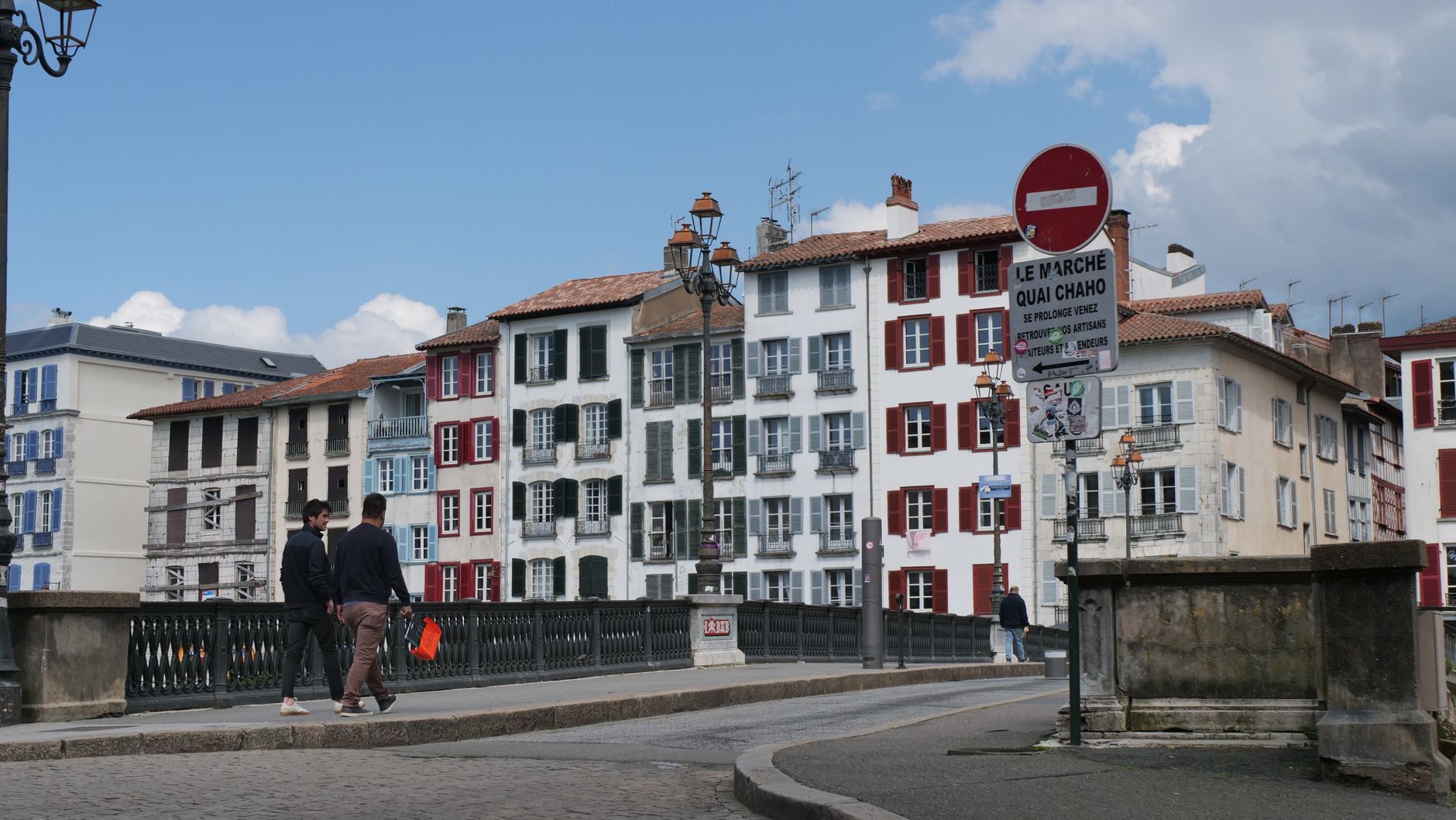
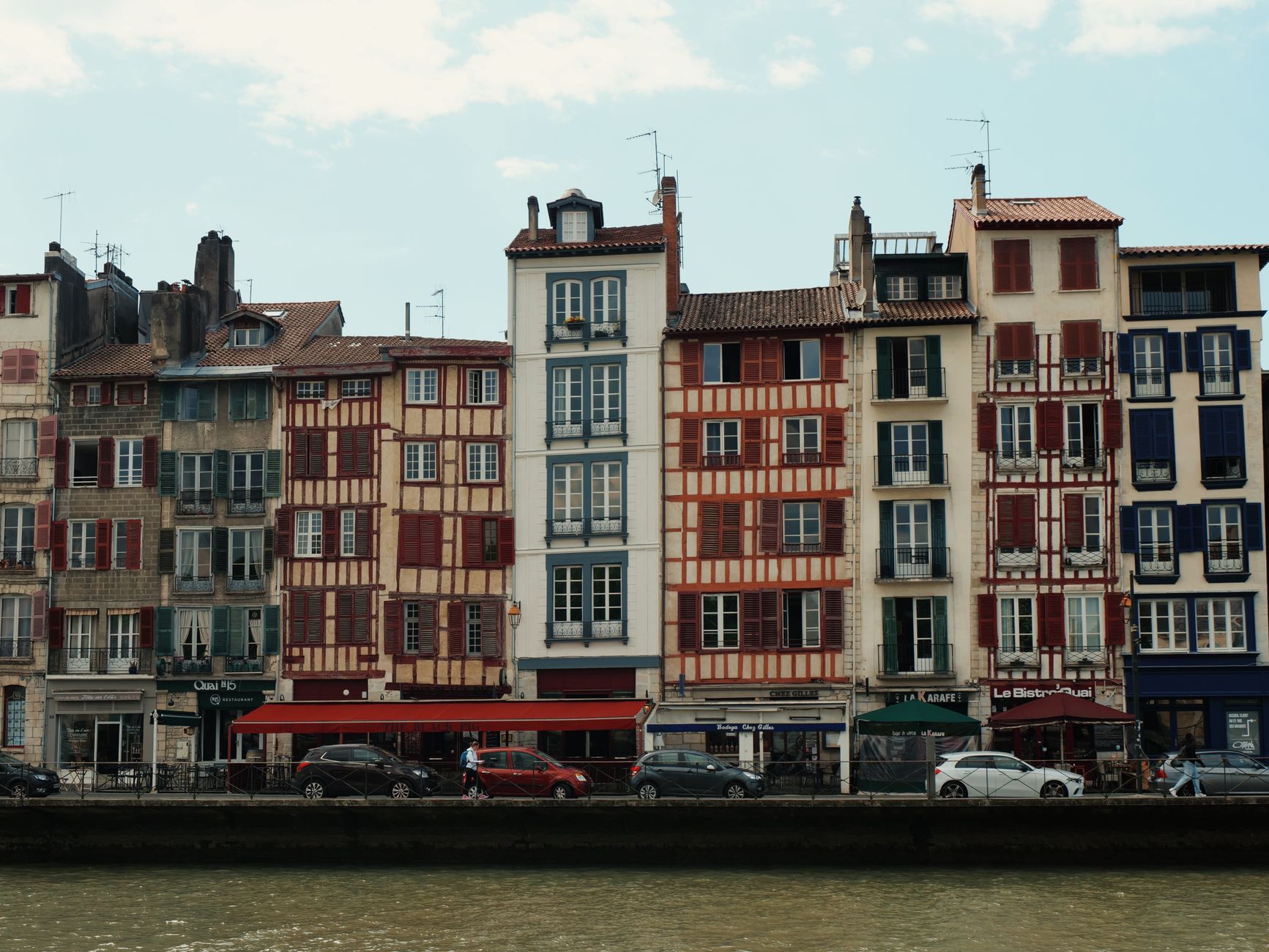
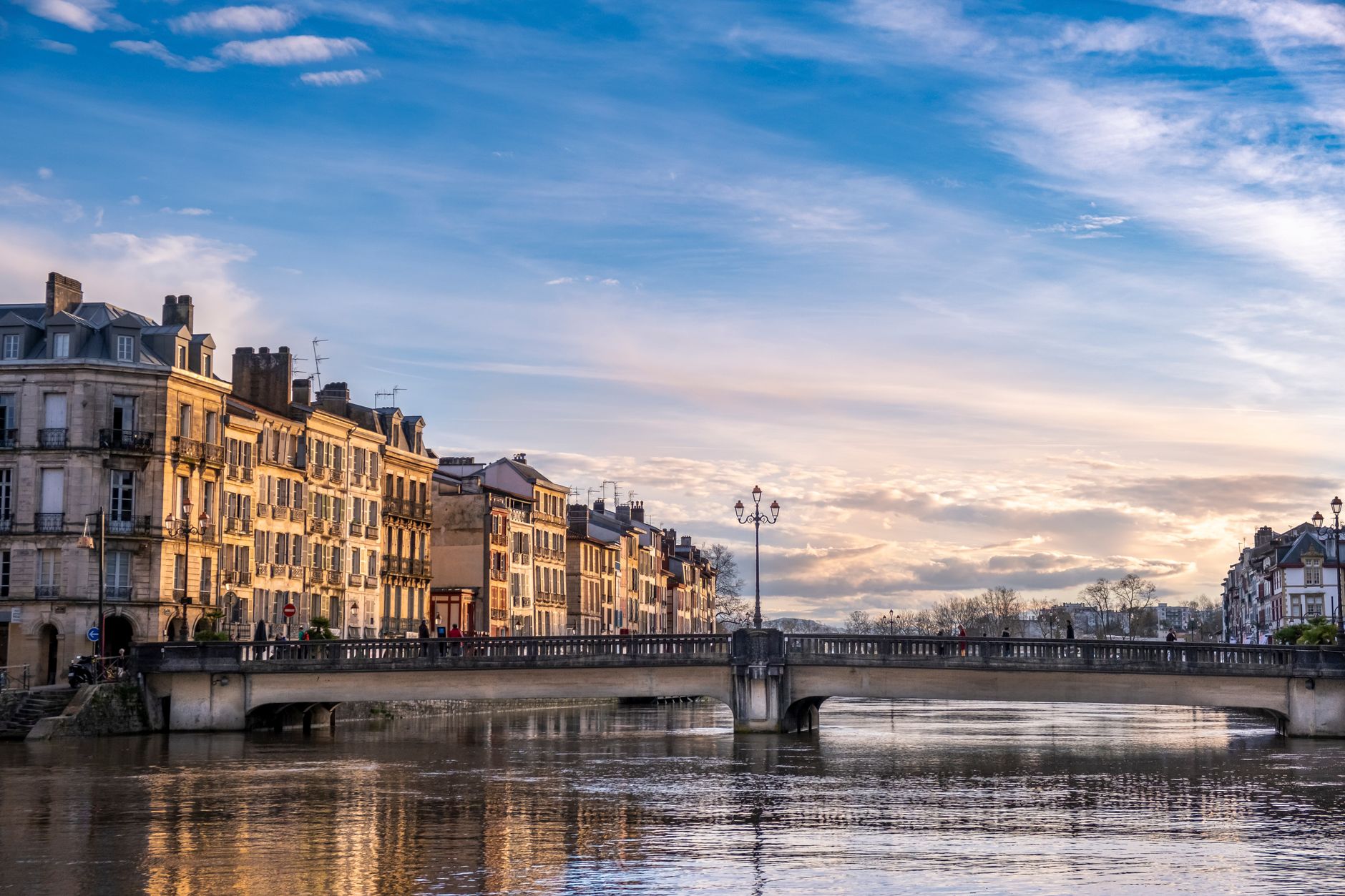
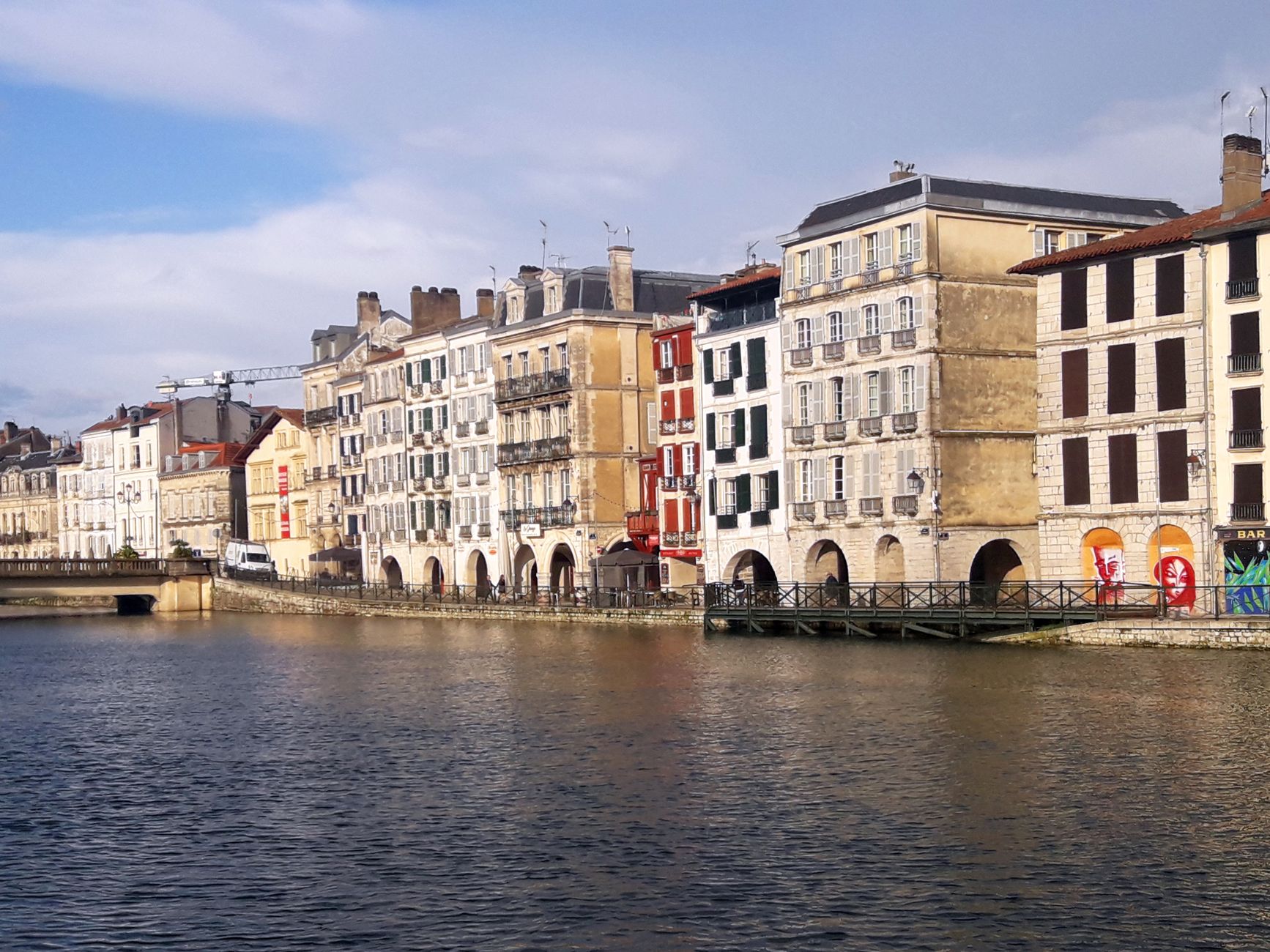
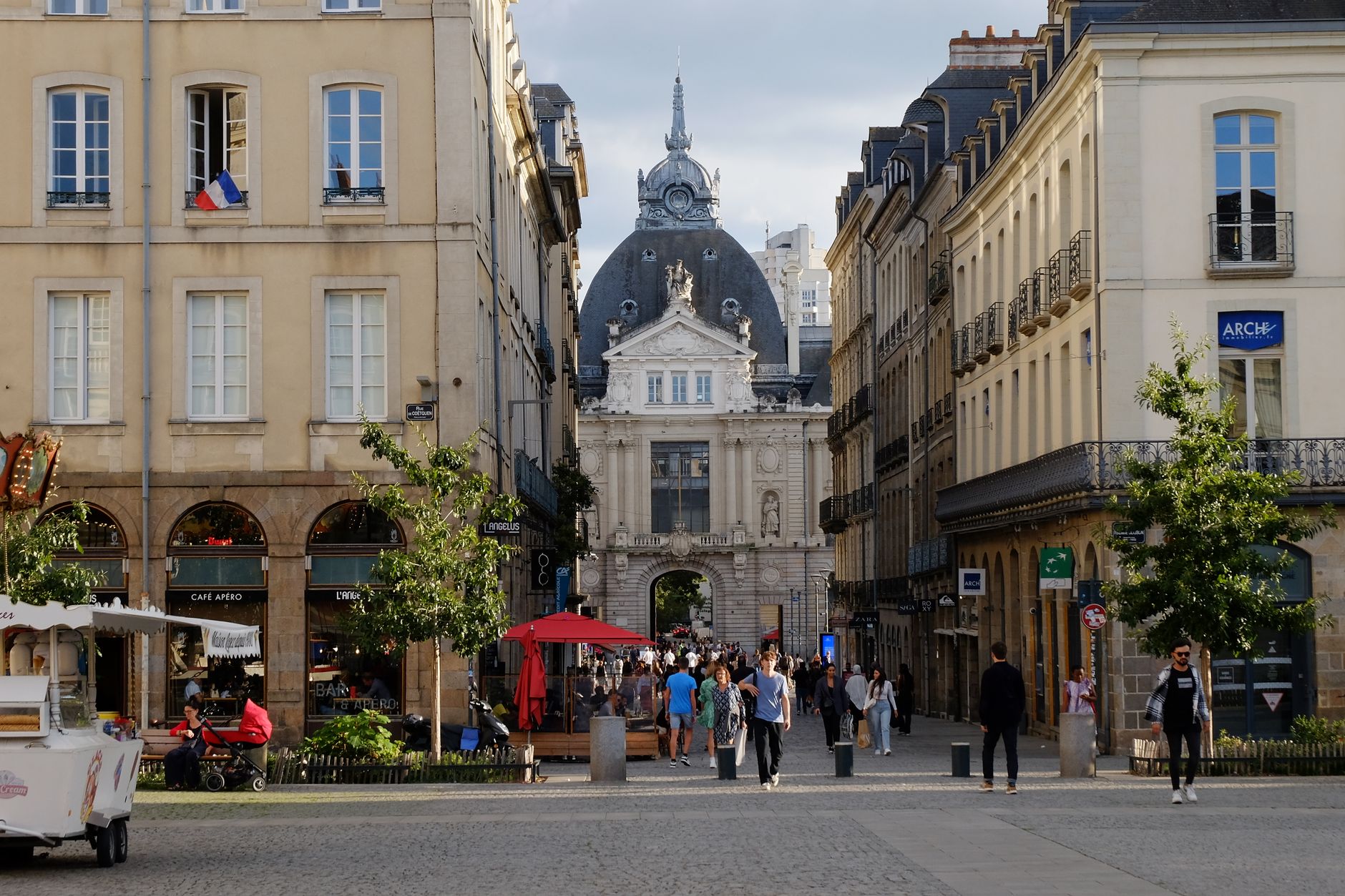
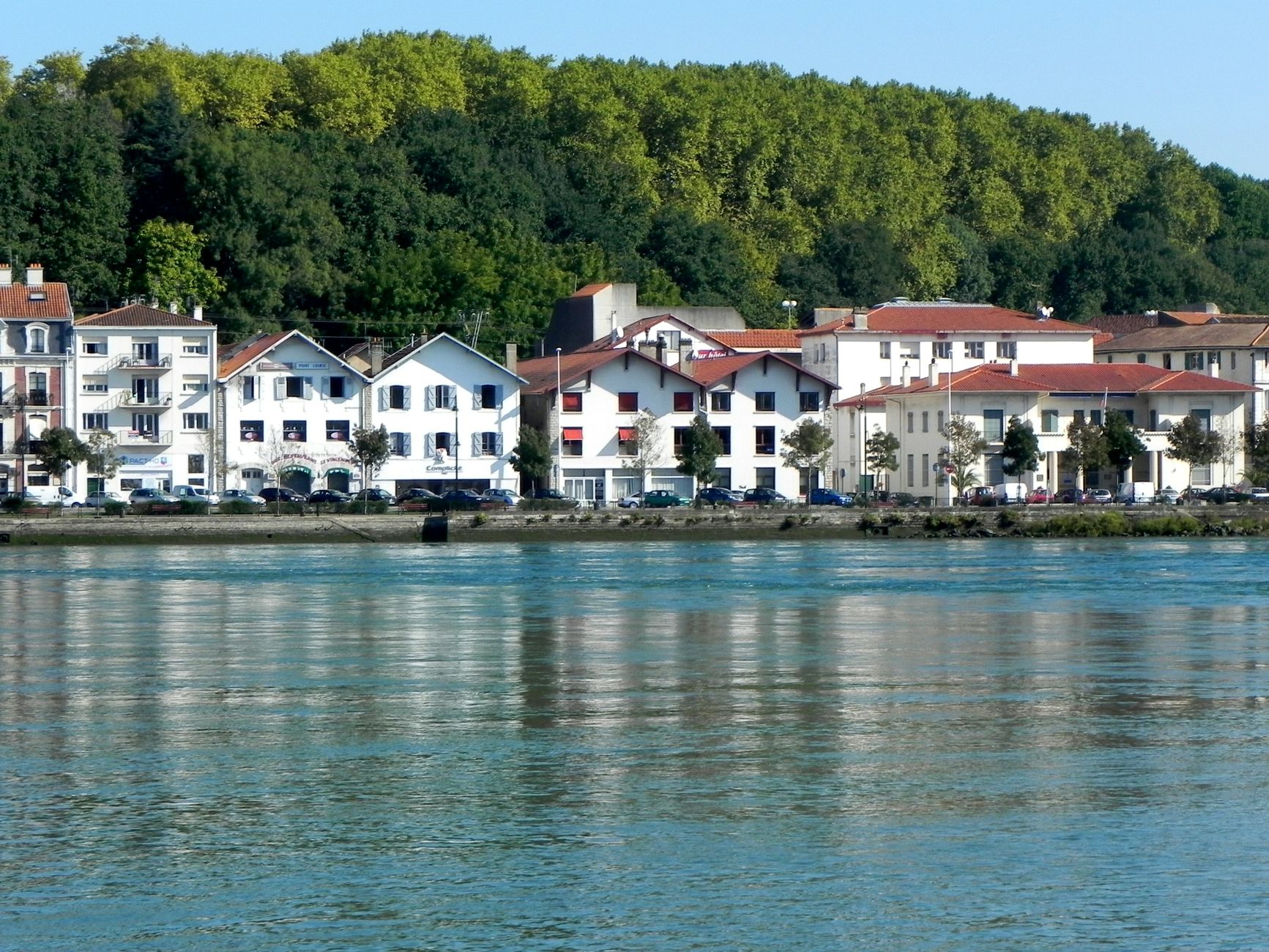
Two rivers meet at Bayonne — the Adour and the Nive — and the city has been defined by that fact for close to two thousand years. The old Roman castrum stood here first, then English lords held it for three centuries, then the French took it back after the Hundred Years' War, and the ramparts Vauban raised under Louis XIV still ring the city today. What you get is a place with genuine layers: Gothic cathedral spires that only arrived in the 19th century, a Basque museum in a 17th-century merchant's warehouse, and a Jewish community old enough to have built a synagogue in 1837.
The city divides neatly across the Nive. Grand Bayonne holds the cathedral and the old commerce; Petit Bayonne is smaller-scaled, with the Musée Basque and the Château-Vieux, which a regiment of marine infantry parachutists now use as their mess.
💛 What travellers fall for
People who come back tend to mention the cloister before anything else — the medieval arcades of Sainte-Marie are free to enter and among the largest surviving examples in France, and on a quiet morning you can have them almost to yourself. The Musée Basque on the Nive is worth the better part of a half-day if you want to understand why this corner of France feels so distinctly itself.
Experiences you don't want to miss



Deals in Bayonne
Book directly at the provider

How Bayonne came to be
Bayonne began as the Roman castrum Lapurdum in the 4th century, and by 1023 it was the capital of Labourd. The city's long English chapter opened in 1152 when Eleanor of Aquitaine's marriage brought it under English control; Richard the Lionheart separated it from the Viscountcy of Labourd in 1177. That English grip lasted until 1451, when France claimed the city at the close of the Hundred Years' War — Charles VII promptly built Château-Vieux and Château Neuf to keep watch over his new acquisition.
Vauban reshaped the city's defences under Louis XIV, raising the ramparts and citadelle that still frame Bayonne today. The final Napoleonic chapter closed on 5 May 1814, when Marshal Soult's garrison surrendered to Wellington's coalition forces after the Siege of Bayonne.
Who and what shaped it
People who shaped it
Landmark buildings
See Bayonne in motion
Plan your visit
On the map
When to go
Bayonne sits close enough to the Atlantic to stay mild through much of the year, with warm, occasionally wet summers and gentle winters. Spring and September offer the most comfortable conditions for walking between the two banks; July and August bring heat and more visitors, partly drawn by the proximity of Biarritz.
Right now
Background & history adapted from Wikipedia (CC BY-SA) · specs from Wikidata (CC0) · weather from Open-Meteo · map data © OpenStreetMap contributors · photos from Wikimedia Commons / Unsplash with per-image credit. No third-party reviews or social posts reproduced.