
Barmouth
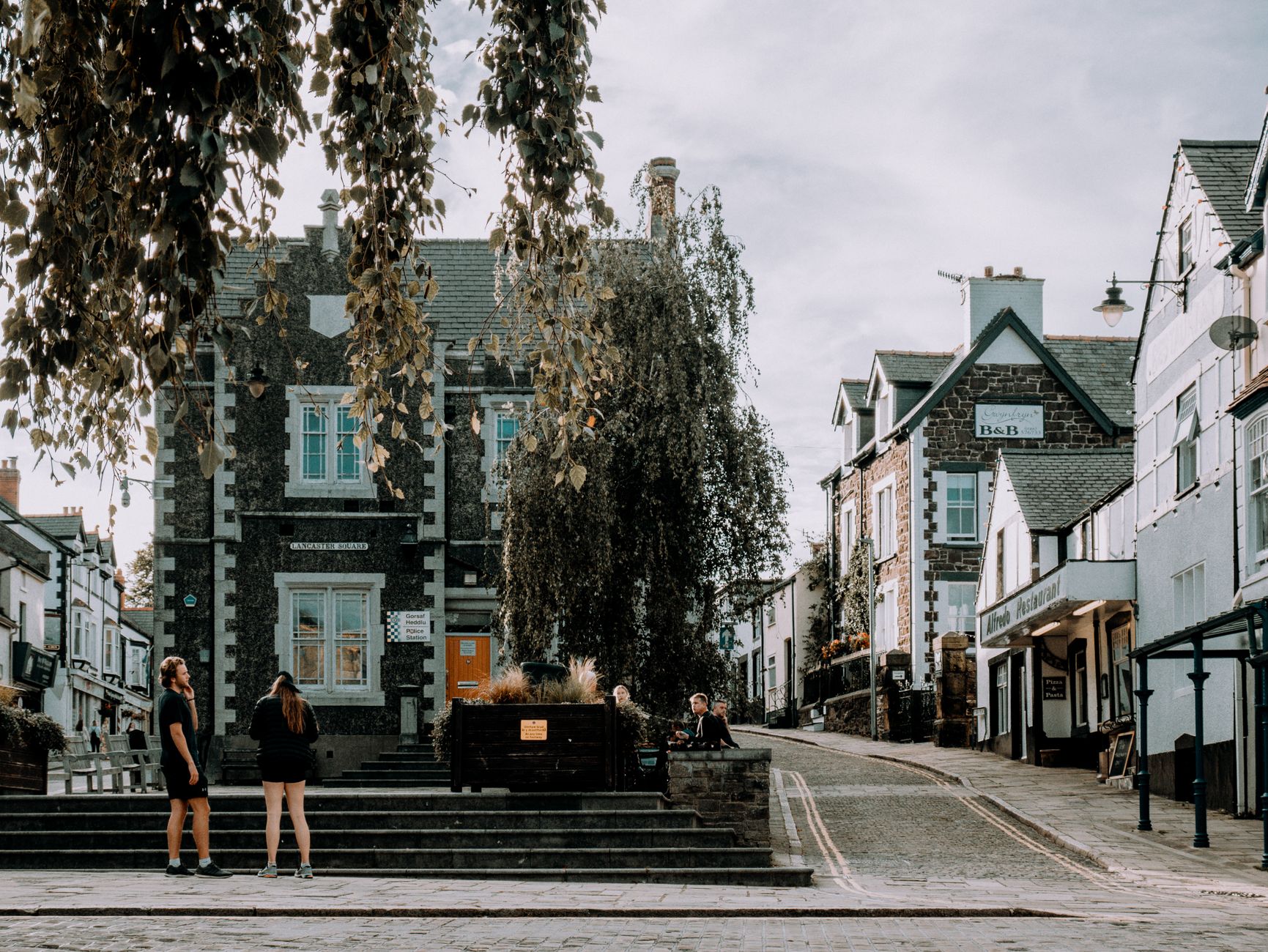
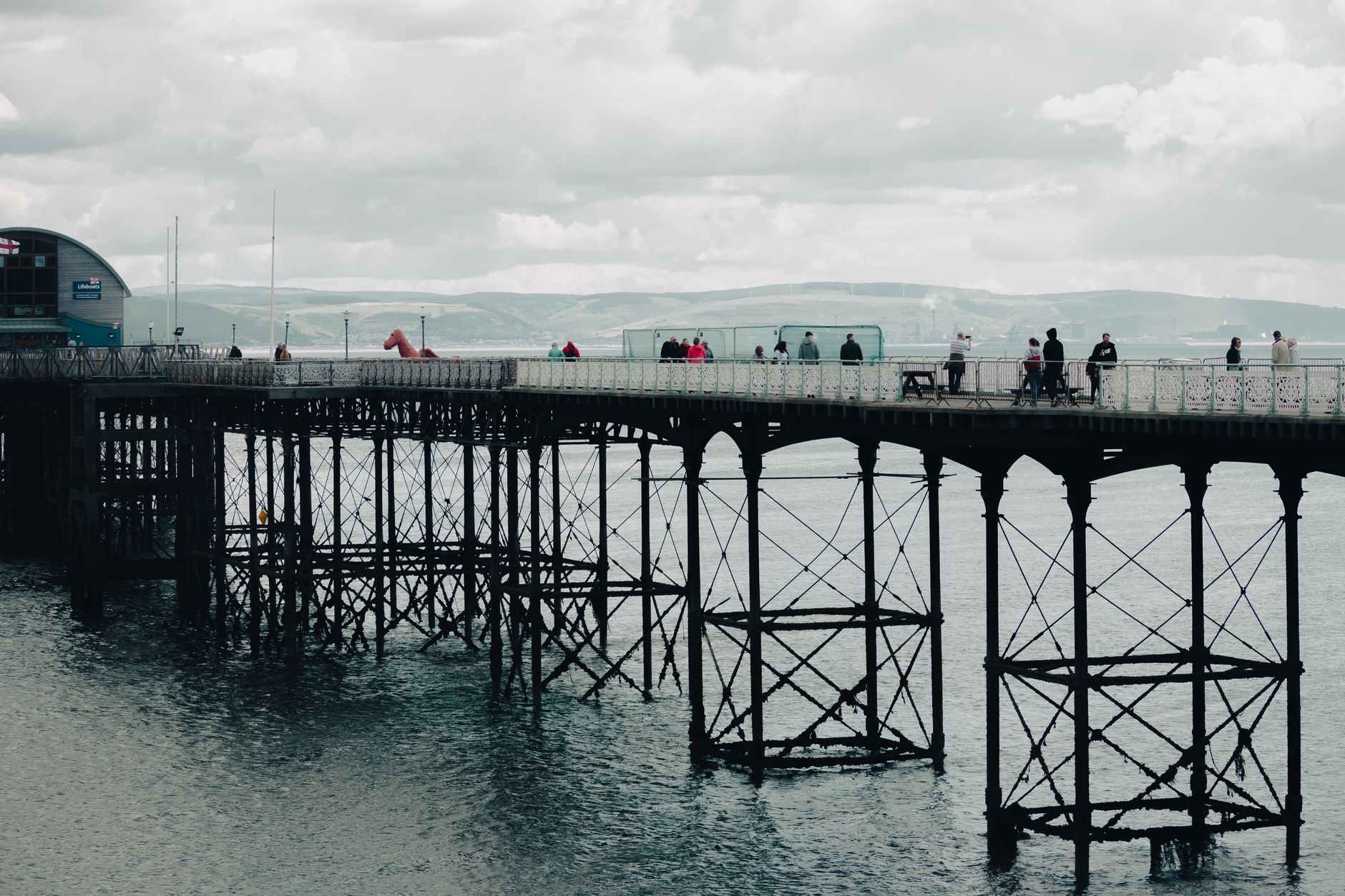
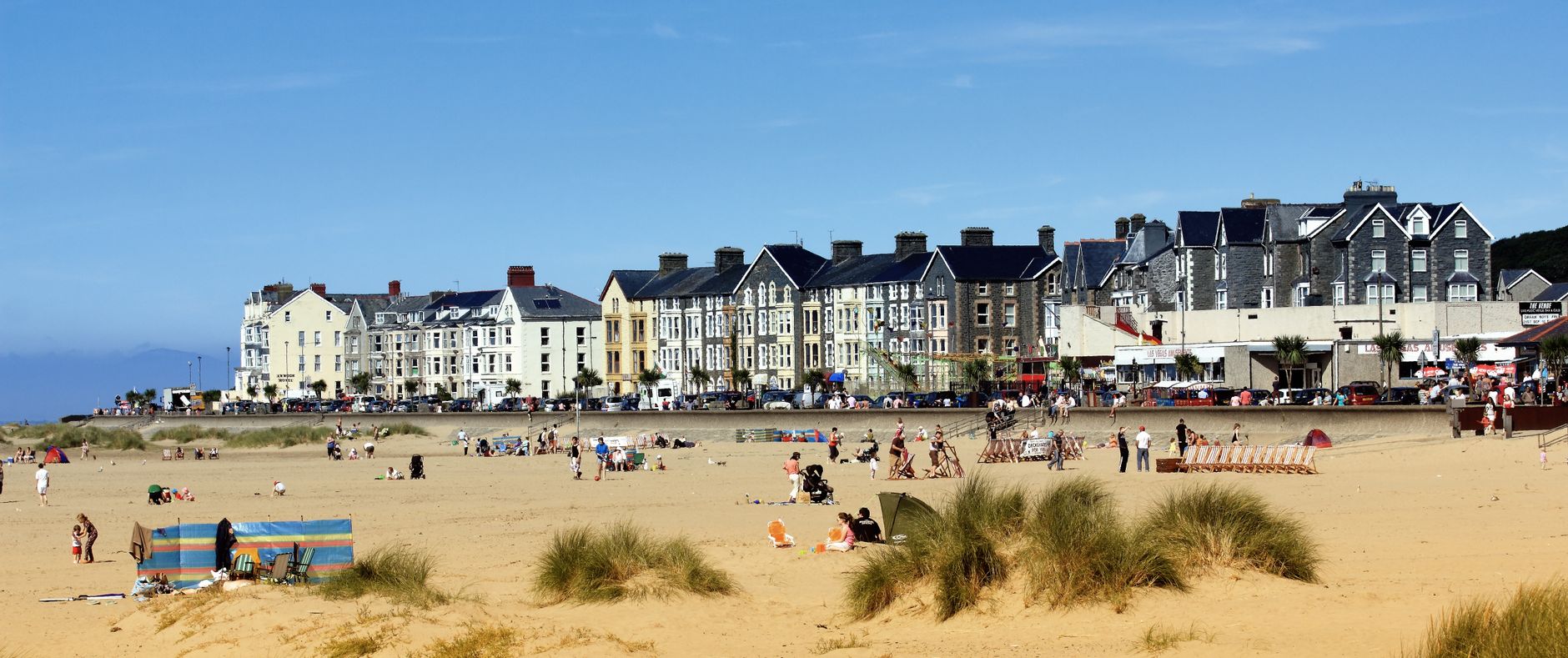
Barmouth sits where the Mawddach Estuary meets the sea, with the Rhinog mountains pressing close enough behind the town that the streets climb steeply and then stop. The longest wooden railway viaduct in Britain — roughly 900 metres of Victorian timber — carries trains across the water here, and you can walk it too, the estuary spreading wide on both sides.
The town has been drawing visitors since the 1750s, long before the railway arrived in 1867 and made it properly easy to reach. That long habit of welcoming people gives Barmouth an unforced quality: a working place that also knows how to be a destination.
💛 What travellers fall for
People who keep coming back tend to mention the Panorama Walk at low tide, when the estuary flattens into something almost Scandinavian. They also find their way to Tŷ Gwyn — the 15th-century building down by the water that now holds a maritime museum and the Davy Jones' Locker restaurant — early in the day, before the waterfront fills up.
Experiences you don't want to miss


Deals in Barmouth
Book directly at the providerHow Barmouth came to be
In 1565 a survey recorded just four houses here. Two centuries of coastal trade changed that: shipbuilding began in the 1750s, and by 1795 a hundred ships were registered at Barmouth, their cargoes tied closely to the Merioneth wool trade. An Act of Parliament in 1797 formalised the harbour's expansion, and over the estuary's lifetime more than 300 vessels were built along its shores.
Tourism and industry overlapped from the start — sea bathing infrastructure arrived in the first half of the nineteenth century, and the railway in 1867 tipped the balance decisively toward visitors. The same decade saw John Ruskin's Guild of St George establish a small utopian settlement here, thirteen cottages on Rock Terrace donated by philanthropist Fanny Talbot, who would later give Dinas Olau — the first property ever acquired by the National Trust — to the nation.
Who and what shaped it
People who shaped it
Landmark buildings
See Barmouth in motion
Plan your visit
On the map
When to go
Summers are mild and often bright, with long evening light over the estuary, though sea mist can roll in without much warning. Winter is raw and wet; the mountains catch the worst of it, but the town itself stays relatively sheltered from the north.
Right now
Background & history adapted from Wikipedia (CC BY-SA) · specs from Wikidata (CC0) · weather from Open-Meteo · map data © OpenStreetMap contributors · photos from Wikimedia Commons / Unsplash with per-image credit. No third-party reviews or social posts reproduced.