
Bariloche
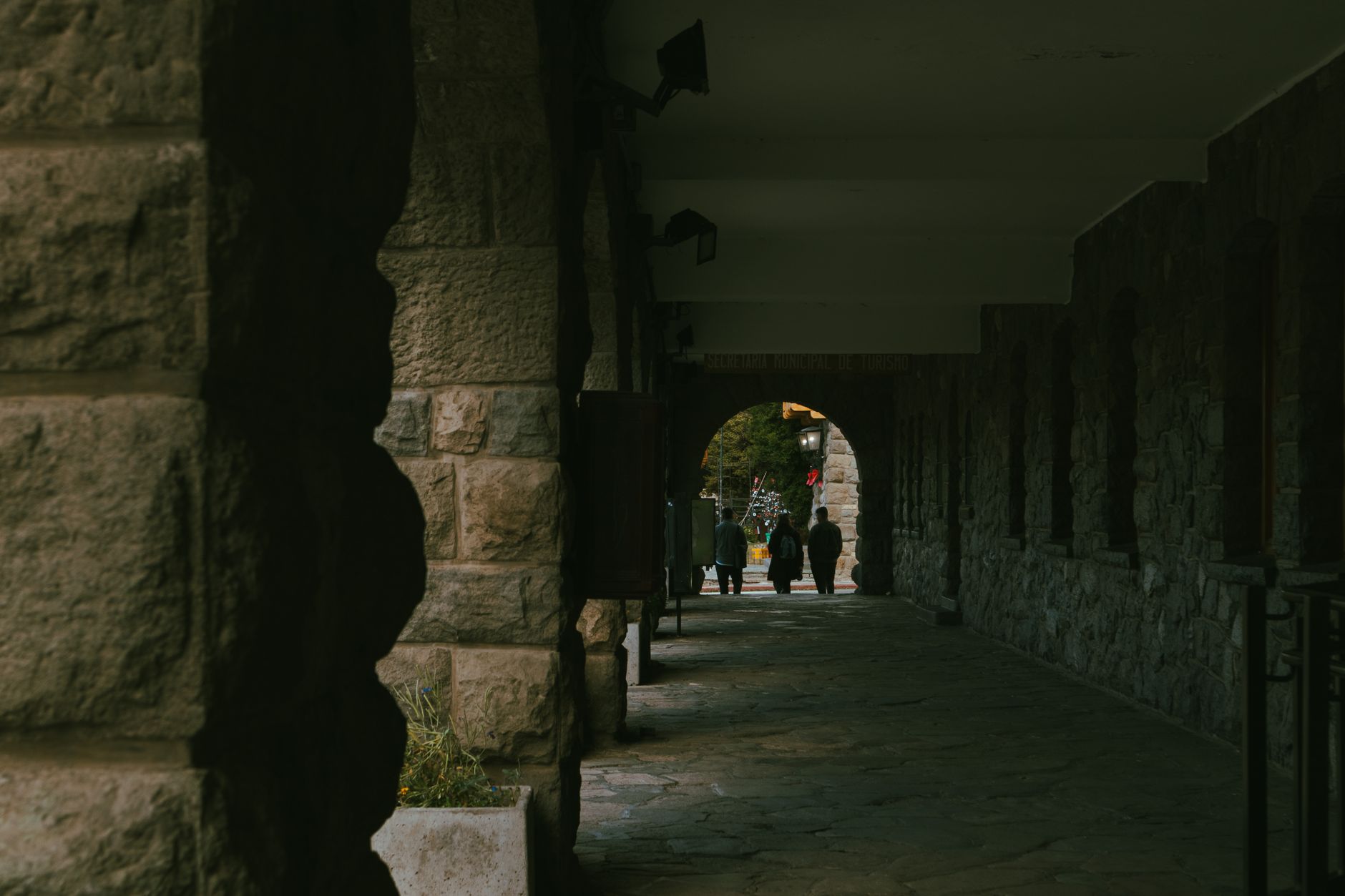
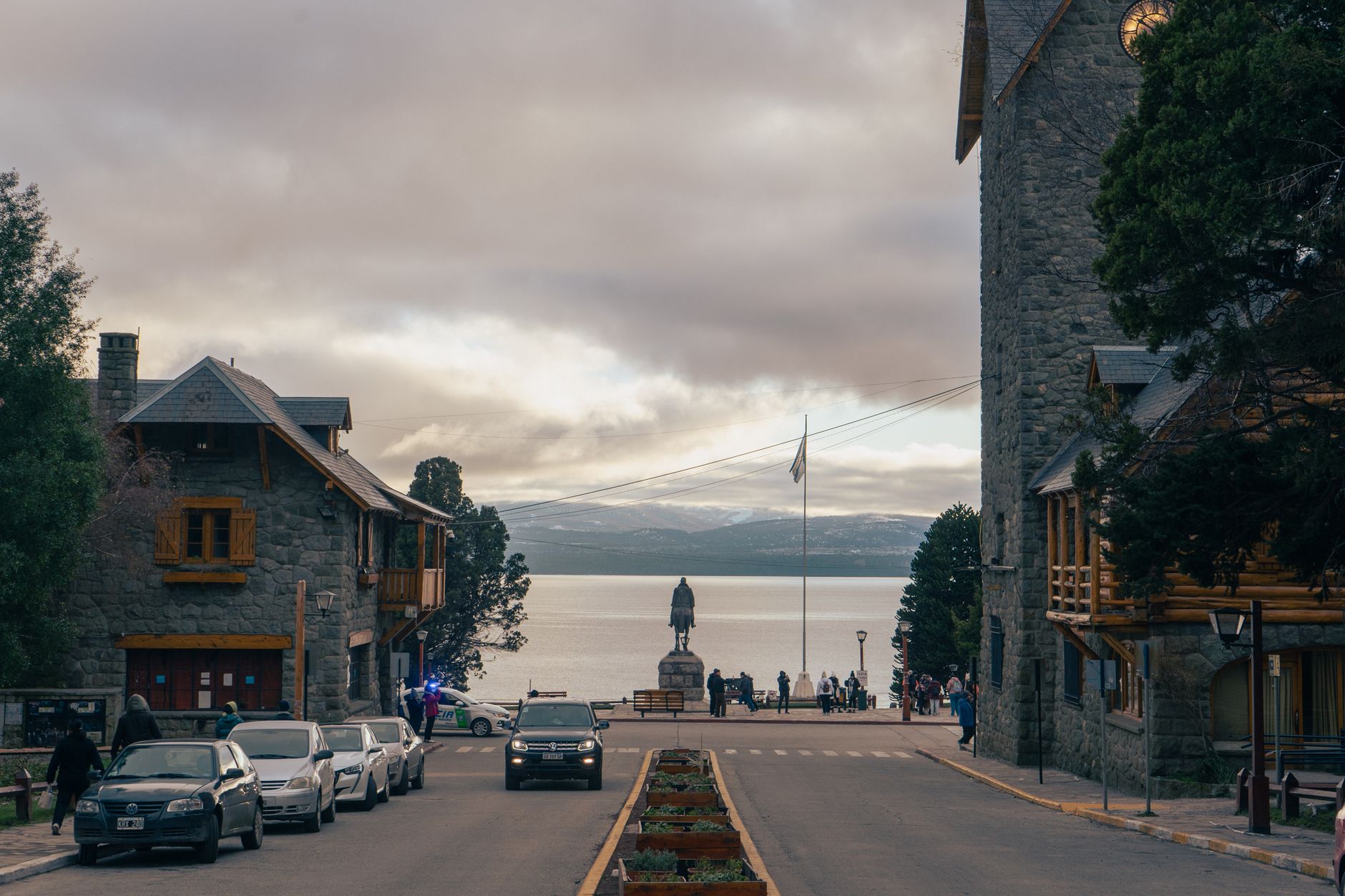
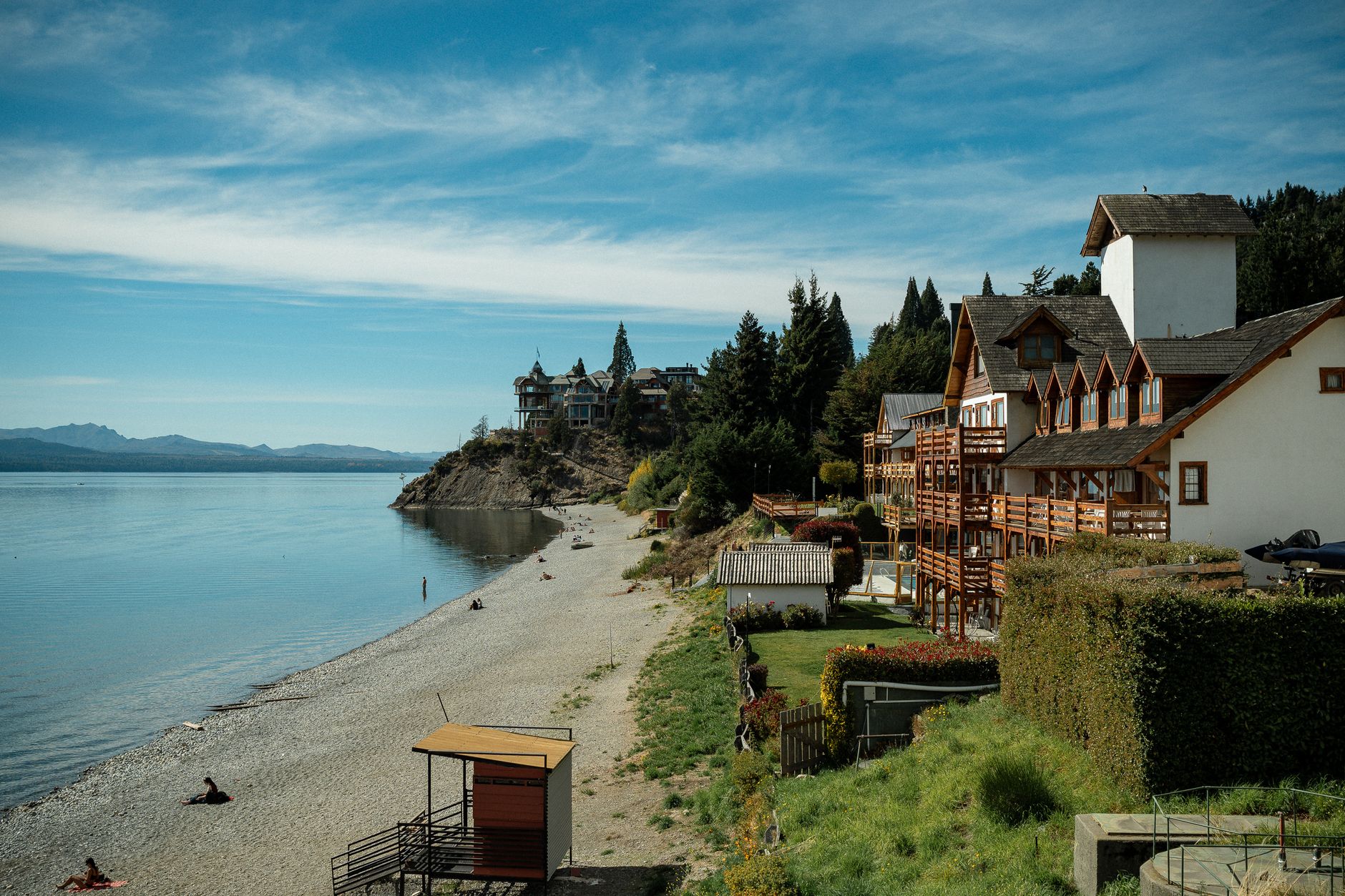
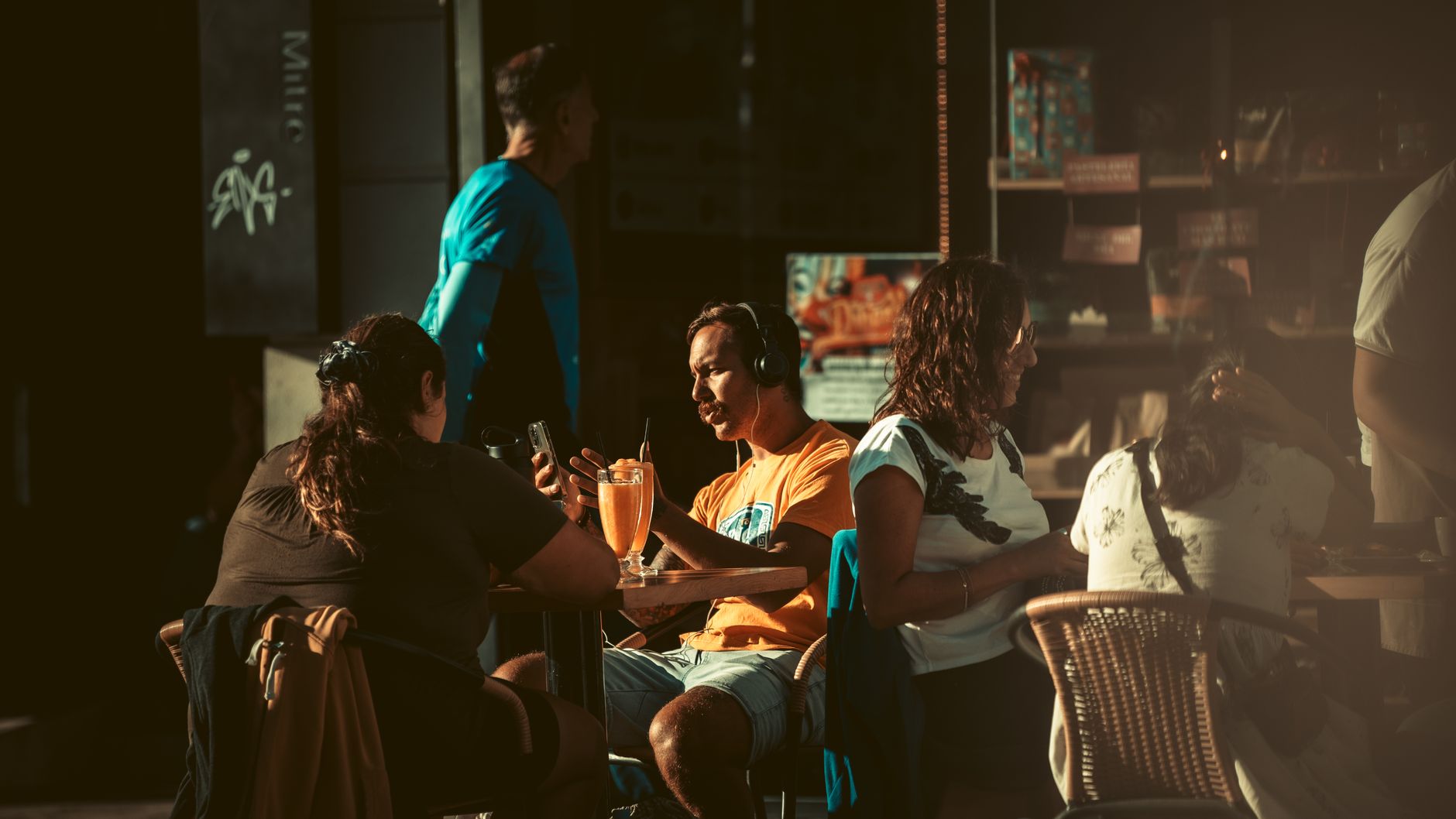
The first thing you notice on Bartolomé Mitre Street is the chocolate — shop windows stacked floor to ceiling with it, the smell drifting out onto the pavement. Bariloche has worn the nickname "Argentina's chocolate capital" long enough that it's stopped being a joke. But walk a few blocks toward the lake and the Civic Centre appears in grey stone and dark wood, and the mountains behind it reframe everything.
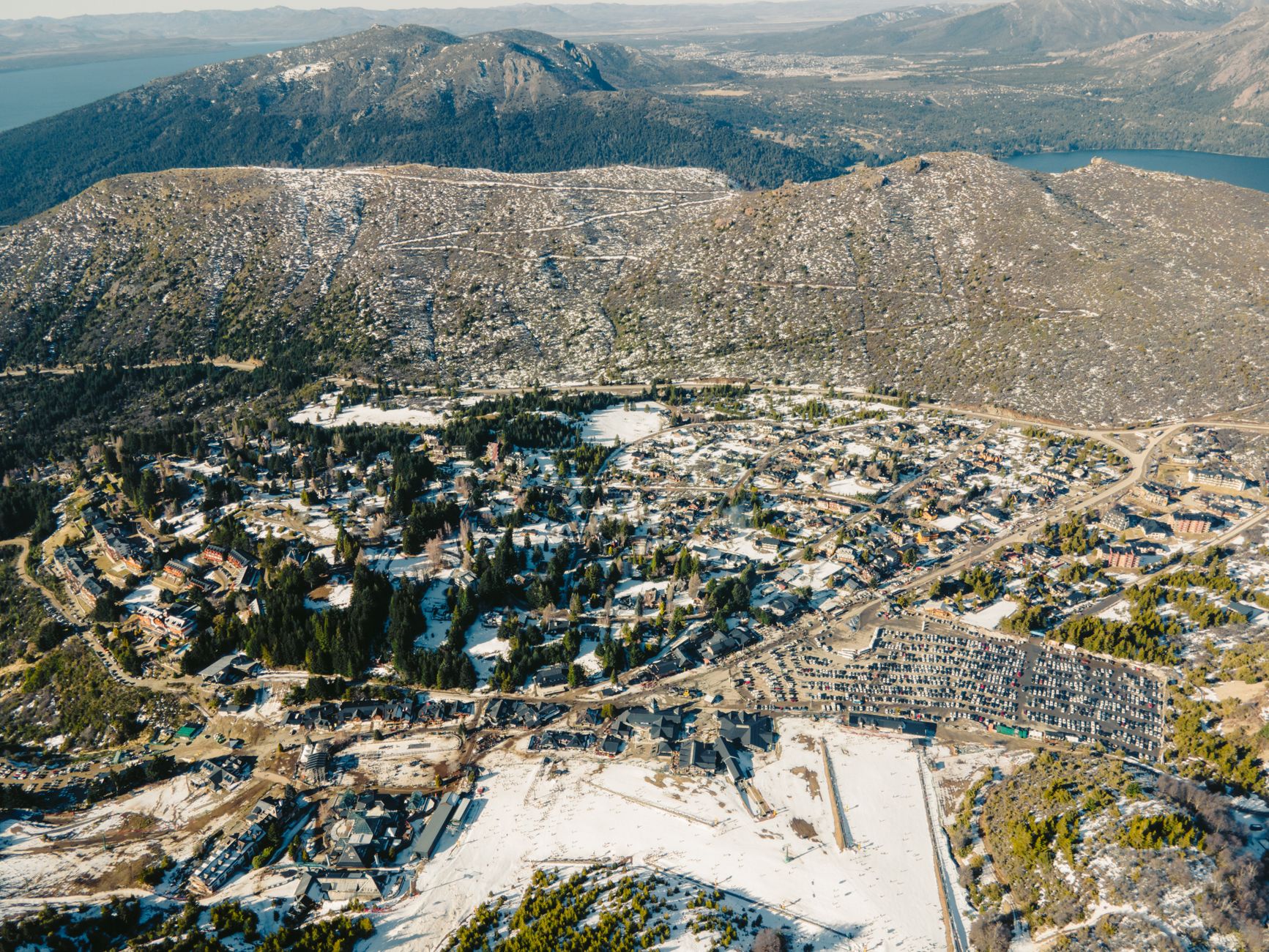
This is a city that grew around Nahuel Huapi, the vast glacial lake at its doorstep, and the Andes that close off the horizon to the west. It functions as a real town — university, research institute, bus terminal — while also being the gateway to Cerro Catedral, the largest ski resort in South America.
💛 What travellers fall for
People who come back tend to time it deliberately: skiers arrive in July when the snowpack is deepest and the vertical drop of 1,150 metres earns its reputation, while hikers wait for January's dry, long-lit days. The recurring advice is to get a SUBE card at the bus terminal early — it's the only way to pay on the Mi Bus lines, including the run out to Llao Llao.
Experiences you don't want to miss


Deals in Bariloche
Book directly at the provider

How Bariloche came to be
A German immigrant named Carlos Wiederhold opened a general store here in 1895, and when the settlement was formally incorporated in 1902 it took his first name — San Carlos, later shortened to Bariloche, from the Mapuche word "Vuriloche," meaning people from behind the mountains. The town remained remote until 1934, when the first train arrived from the Atlantic coast and Nahuel Huapi was declared Argentina's first national park, largely through lands donated by explorer Francisco "Perito" Moreno.
The man who shaped what you see today is architect Alejandro Bustillo. Working through the 1930s and into the 1940s under his brother Exequiel, who ran the National Parks Administration, he gave the city its stone-and-timber civic grammar — the Centro Cívico inaugurated in 1940, the Cathedral of Our Lady of Nahuel Huapi near the lake shore, and the Llao Llao Hotel, which opened in 1939 and fixed the template for Patagonian resort architecture. The Balseiro Institute, one of Latin America's leading physics research centres, arrived in 1955 and has quietly shaped the city's character ever since.
Who and what shaped it
People who shaped it
Landmark buildings
See Bariloche in motion
Plan your visit
On the map
When to go
Summers (December through February) are mild and mostly dry, with daytime highs around 20–22°C and cool nights — the best window for hiking and lake activities. Winters are cold and snowy, with June the wettest month and July the coldest; ski season runs roughly July through September, when nighttime temperatures regularly dip below freezing.
Right now
Background & history adapted from Wikipedia (CC BY-SA) · specs from Wikidata (CC0) · weather from Open-Meteo · map data © OpenStreetMap contributors · photos from Wikimedia Commons / Unsplash with per-image credit. No third-party reviews or social posts reproduced.