
Balestrand


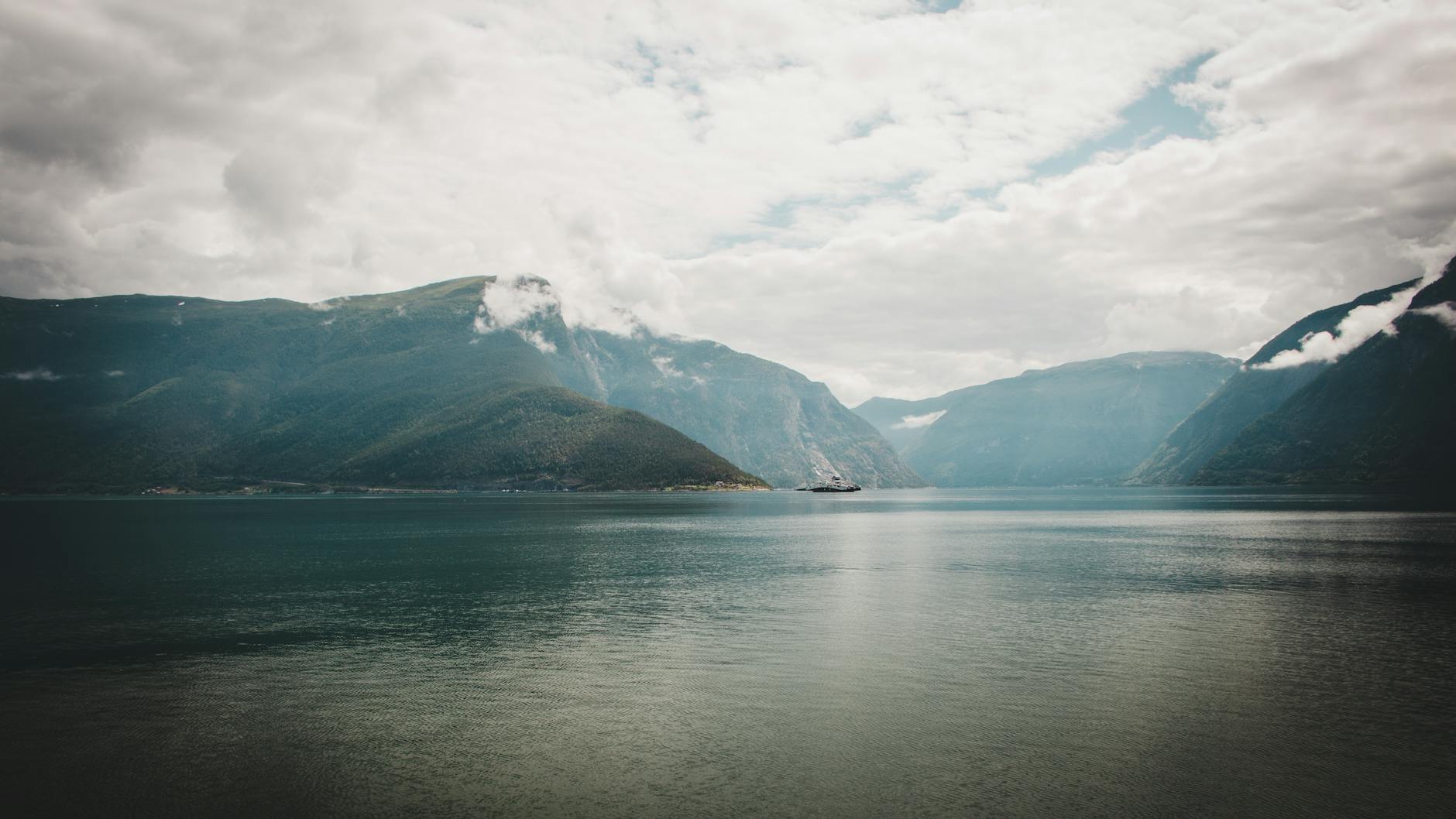
The name Balestrand was coined by a poet — Henrik Wergeland wrote it into existence in 1832, and the place has been attracting people with an eye for atmosphere ever since. Painters came first: Hans Dahl, Anders Askevold, Johannes Flintoe, all drawn to the particular quality of light where the Sognefjord widens and the orchards run down to the water.
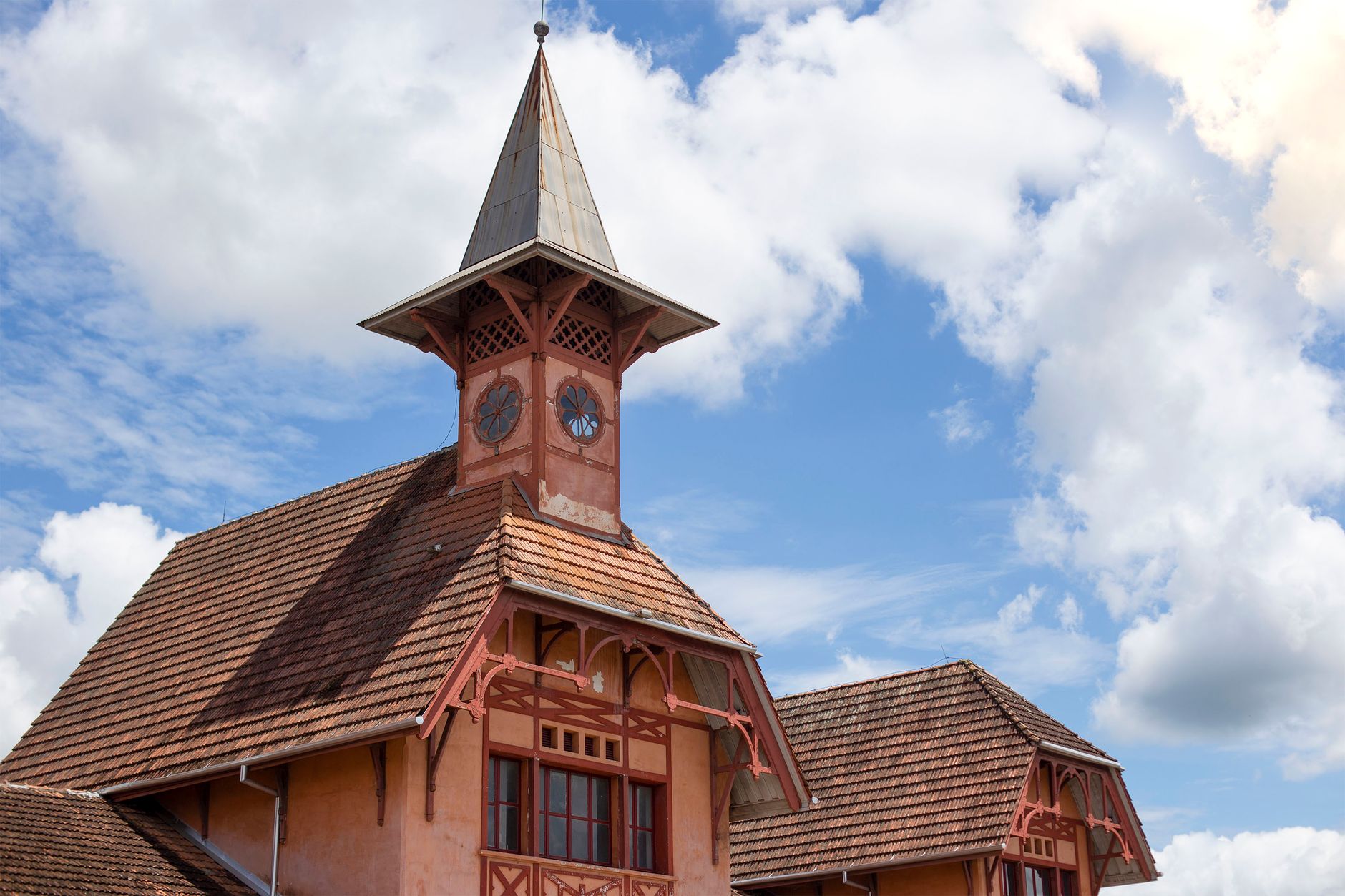
The village sits on the southern shore of the fjord, small enough to walk end to end in twenty minutes, with a promenade of dragon-style timber villas that face the water like a line of old friends. A cidery, an aquarium carved into rock, a tiny Anglican church built to look like a stave church — Balestrand accumulates these quiet surprises.
💛 What travellers fall for
People who come back tend to time it around the ferry arrival from Bergen — watching a boat that size slide through the fjord at dusk is something. They also steer toward the Høyvik Room in Kviknes Hotel even if they're not staying there: every piece of furniture made by a single craftsman over a lifetime, and almost no one else in the room.
Experiences you don't want to miss



Deals in Balestrand
Book directly at the provider

How Balestrand came to be
Foreign tourists began arriving in the mid-19th century, following in the wake of painters and salmon anglers who had spread word of the Sognefjord. The Kvikne family took over their hotel in 1877, and by the early 1900s it was hosting Kaiser Wilhelm II on summer holidays — the German Emperor arriving by warship, which was its own kind of spectacle. In July 1914 he was sitting in the hotel's wood-carved lounge when telegrams about the outbreak of war reached him. He left and never came back, and with him went Balestrand's first era of international tourism.
The village was its own municipality from 1850 until 2020, when it was folded into Sogndal. St. Olaf's Church, an Anglican chapel built in 1897 in imitation of a stave church, still falls under the Bishop of Gibraltar — a small administrative fact that tells you something about who once came here and stayed.
Who and what shaped it
People who shaped it
Landmark buildings
See Balestrand in motion
Plan your visit
On the map
When to go
Summers are mild and long-lit, with temperatures in the mid-teens Celsius and occasional rain that clears fast. Winter brings short days and a stripped-back quiet; the fjord doesn't freeze, but most visitors arrive between May and September.
Right now
Background & history adapted from Wikipedia (CC BY-SA) · specs from Wikidata (CC0) · weather from Open-Meteo · map data © OpenStreetMap contributors · photos from Wikimedia Commons / Unsplash with per-image credit. No third-party reviews or social posts reproduced.