
Bad Reichenhall
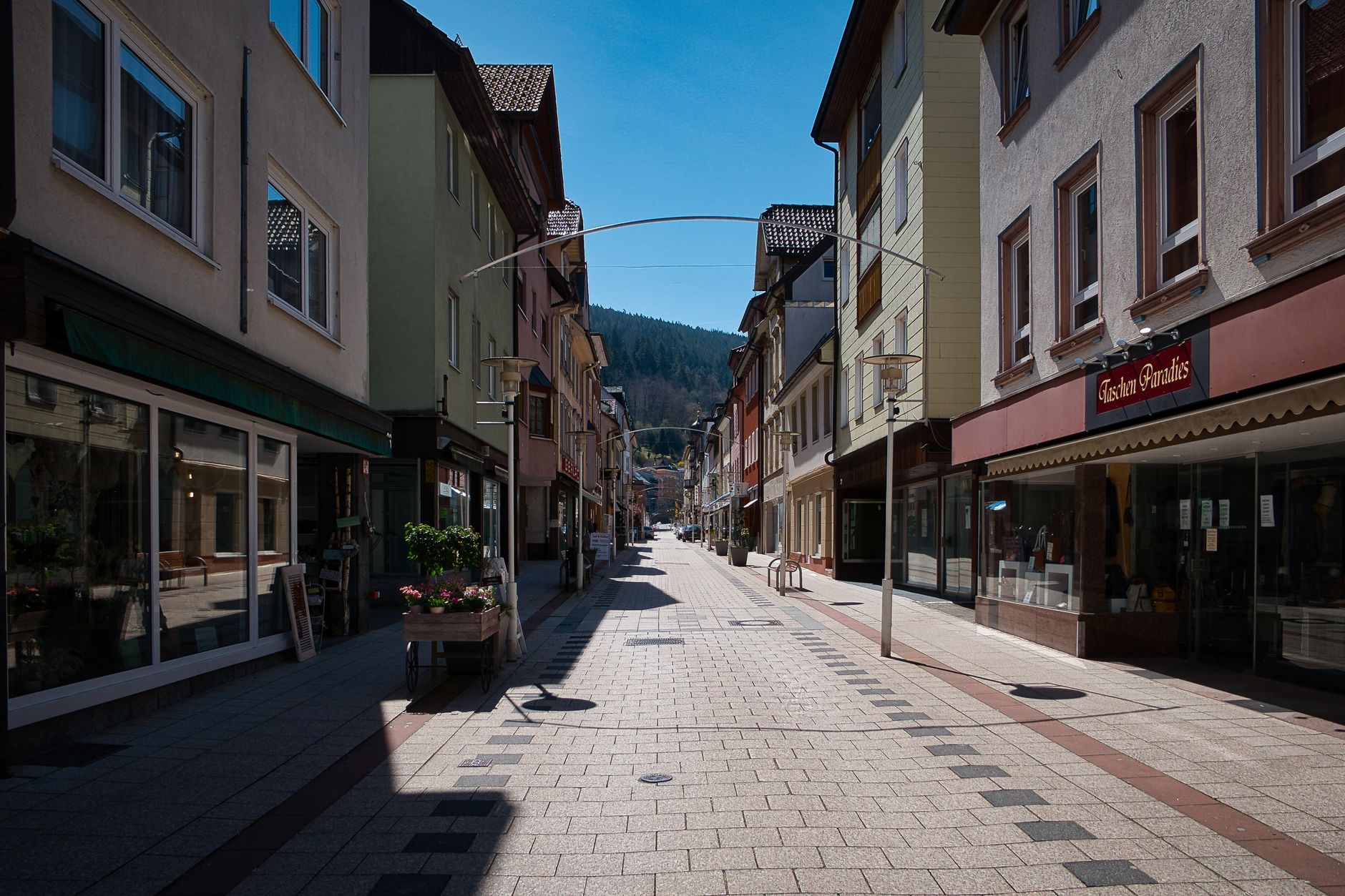
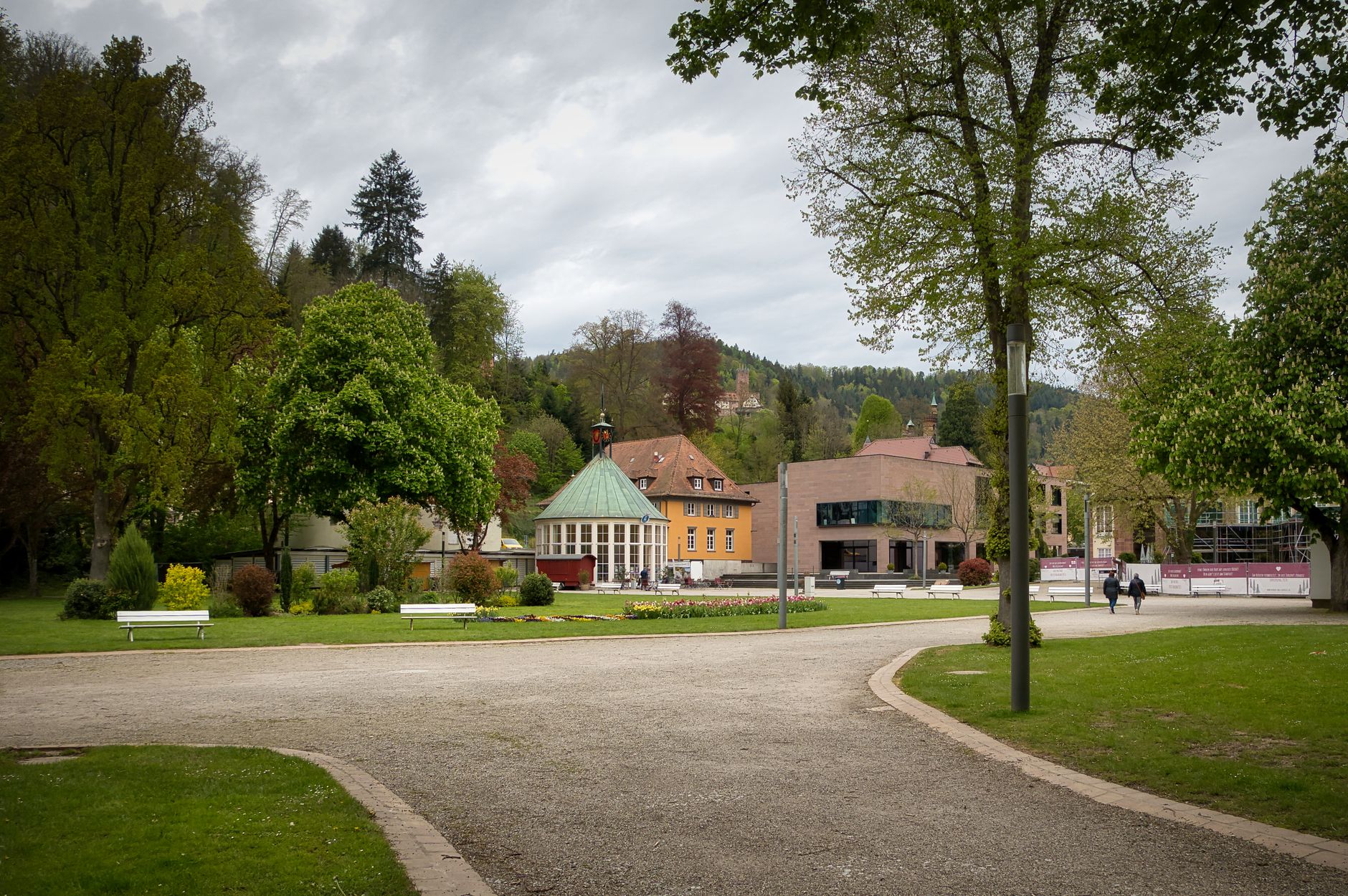
The smell hits you before anything else — a faint brine on the air, mineral and clean, drifting from the Gradierwerk where 400,000 litres of Alpine salt water trickle daily through 100,000 blackthorn bundles. Bad Reichenhall has been in the salt business for roughly 2,500 years, and the town hasn't forgotten it.
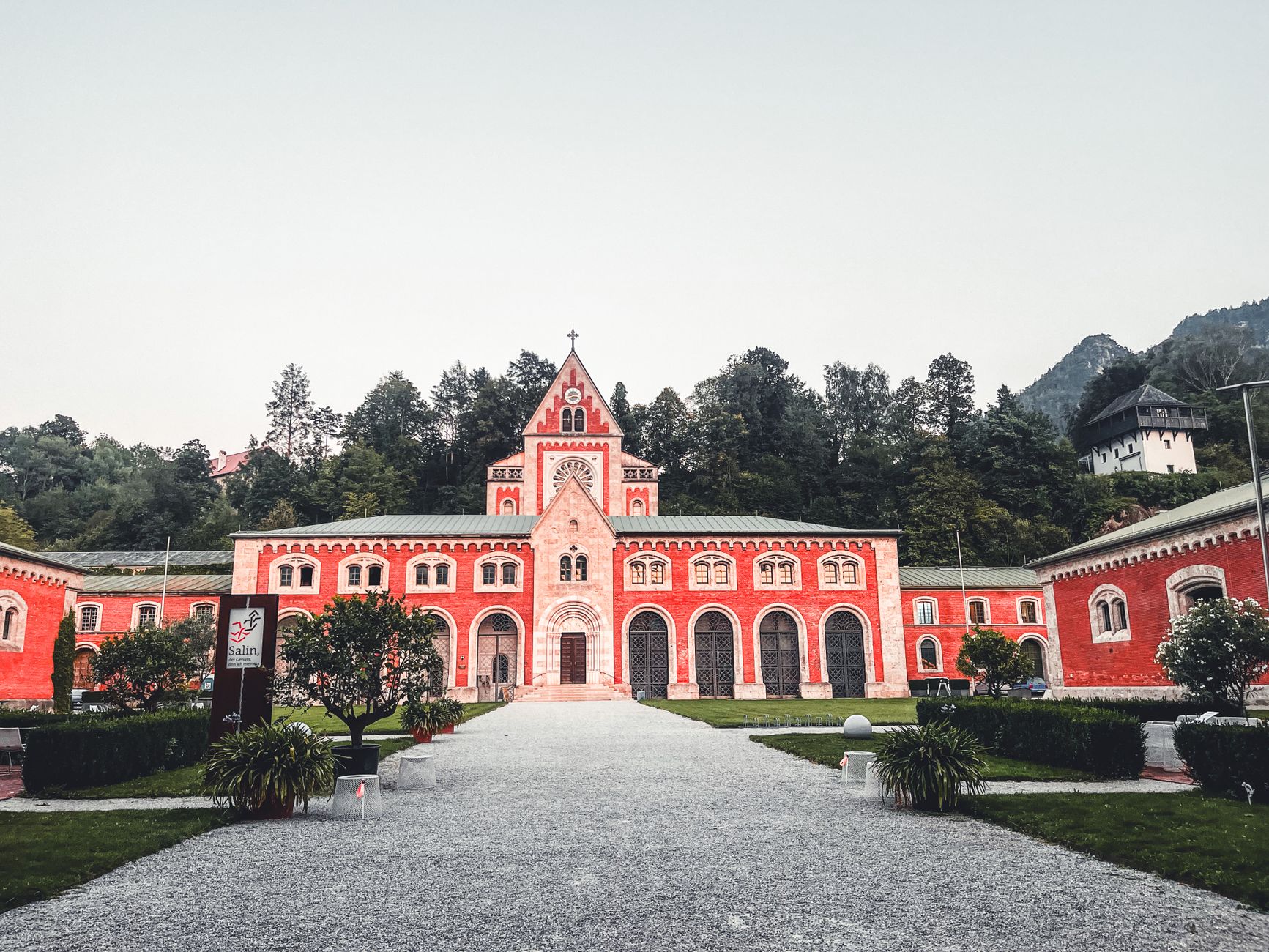
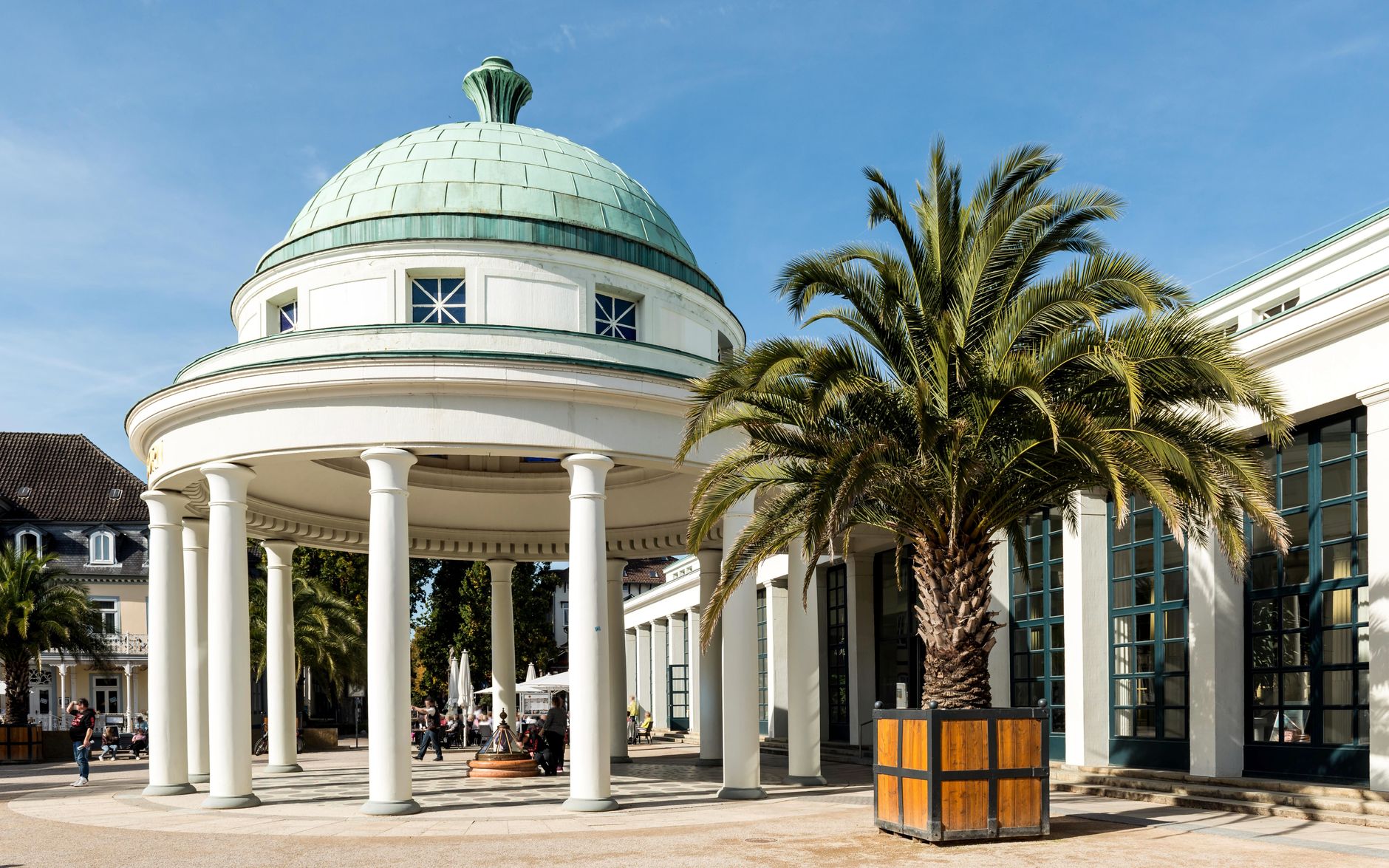
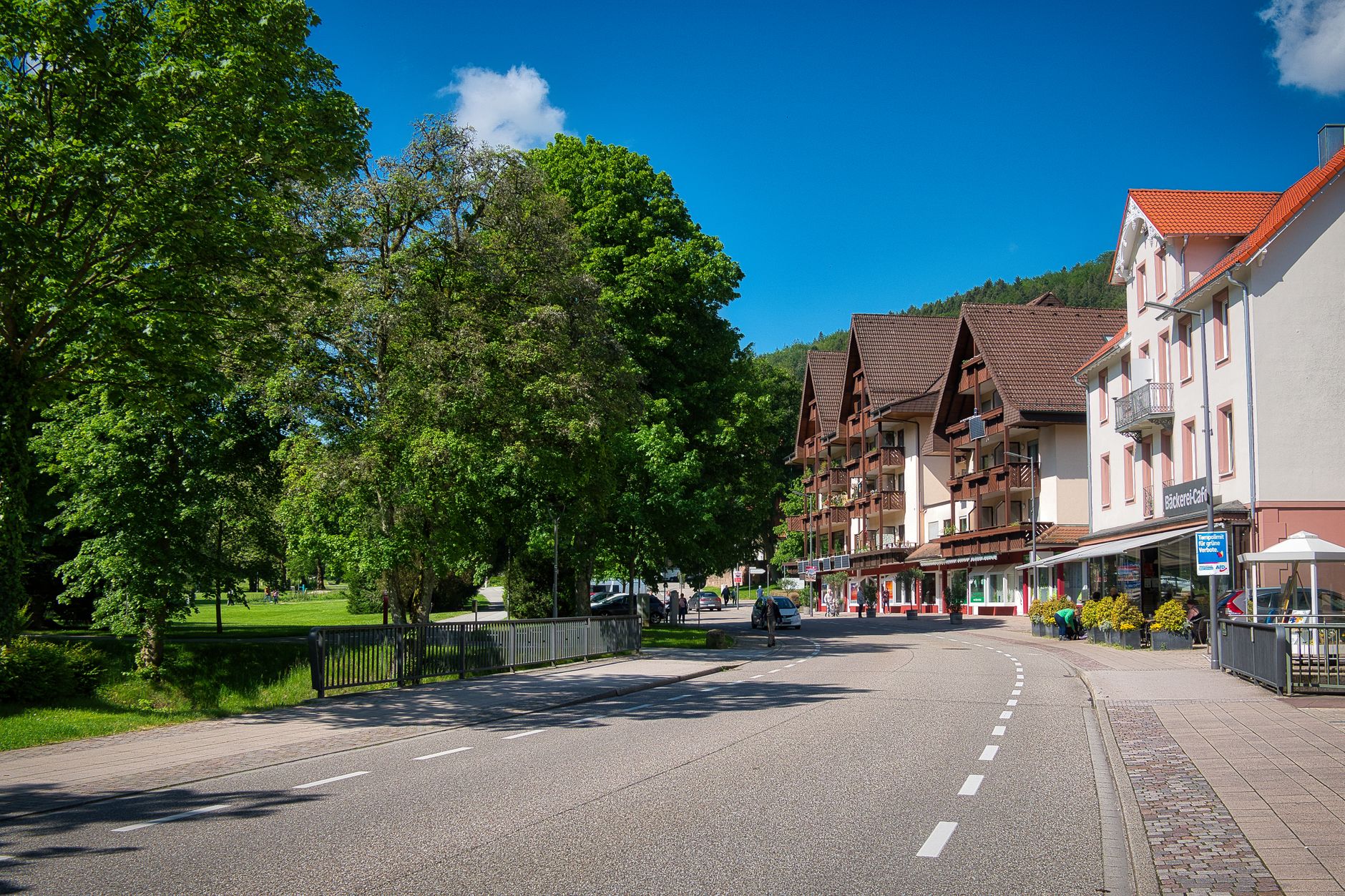
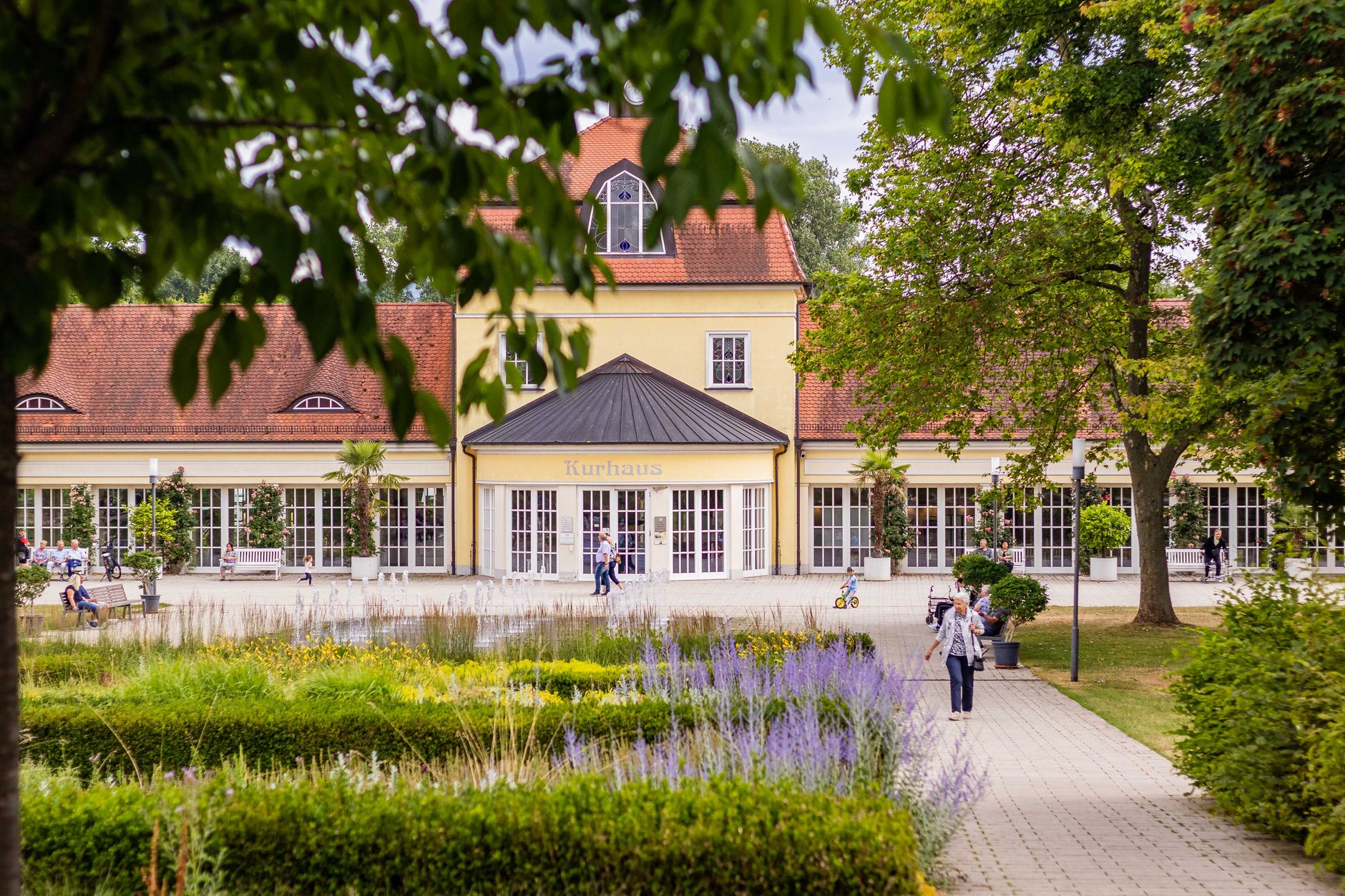
What you find here is a compact Bavarian spa town with serious infrastructure: the Alte Saline still pumping, the Predigtstuhl cable car climbing since 1928, a Romanesque basilica older than the idea of Germany as a country. The Kurpark and thermal baths are the draw for many, but the medieval quarter around Florian Square and the brewery running on the same site since 1494 give it enough texture to hold your attention past a single afternoon.
💛 What travellers fall for
People who come back tend to time it around the Predigtstuhlbahn — going up early before cloud rolls in, then descending in time for the Alte Saline's afternoon guided tour. The 400-metre underground path with its 200 steps is cooler than you expect. The Bürgerbräu terrace afterward is not a coincidence.
Experiences you don't want to miss


Deals in Bad Reichenhall
Book directly at the provider
How Bad Reichenhall came to be
People have been extracting salt from the springs here since at least 450 B.C., and the Romans formalised things after 15 B.C. when the region became part of Noricum. The Augustinian monastery of St. Zeno followed in 1136, and by 1617 the town had engineered a 31-kilometre wooden pipeline carrying brine uphill to Traunstein — an extraordinary piece of pre-industrial logistics. A fire in 1834 took two-thirds of the buildings; King Ludwig I responded by commissioning architect Joseph Daniel Ohlmüller to rebuild the salt works between 1840 and 1851, the complex you can walk through today.
The spa designation came in 1890 — the same year the town installed Germany's first AC electric plant — and by 1899 it held the title of Bavarian State Spa. Allied bombing on 25 April 1945 destroyed much of the centre again, killing 200 people, before American forces took governance through 1948.
Who and what shaped it
People who shaped it
Landmark buildings
See Bad Reichenhall in motion
Plan your visit
On the map
When to go
The annual rainfall sits around 1,870 mm, so pack accordingly regardless of season — summer days are comfortable but reliably wet, and the mountains generate their own weather. Winters are cold and snowy, which suits the town's pace; the thermal spa and indoor salt works make the shorter days easy to fill.
Right now
Background & history adapted from Wikipedia (CC BY-SA) · specs from Wikidata (CC0) · weather from Open-Meteo · map data © OpenStreetMap contributors · photos from Wikimedia Commons / Unsplash with per-image credit. No third-party reviews or social posts reproduced.