
Augsburg
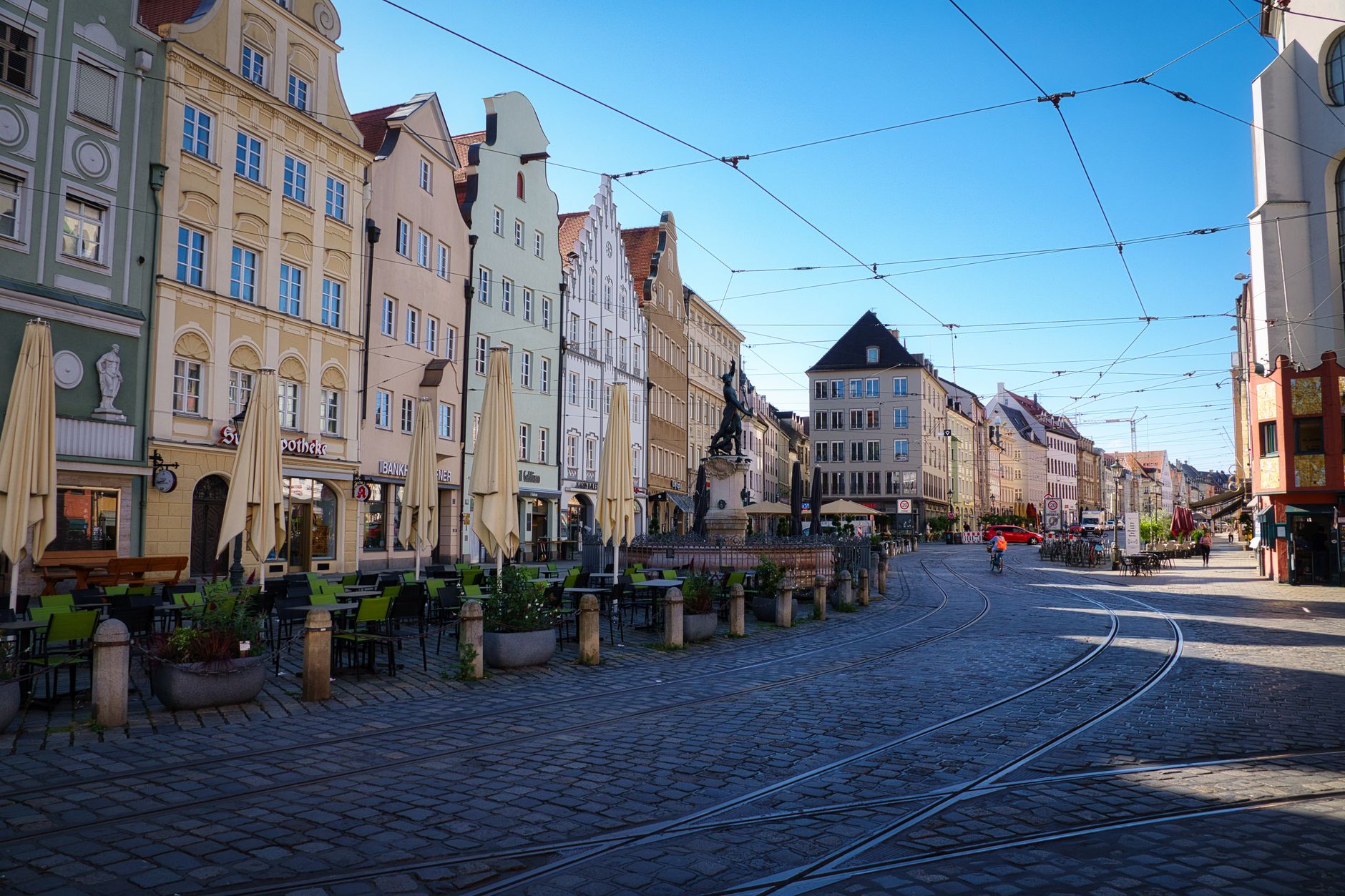
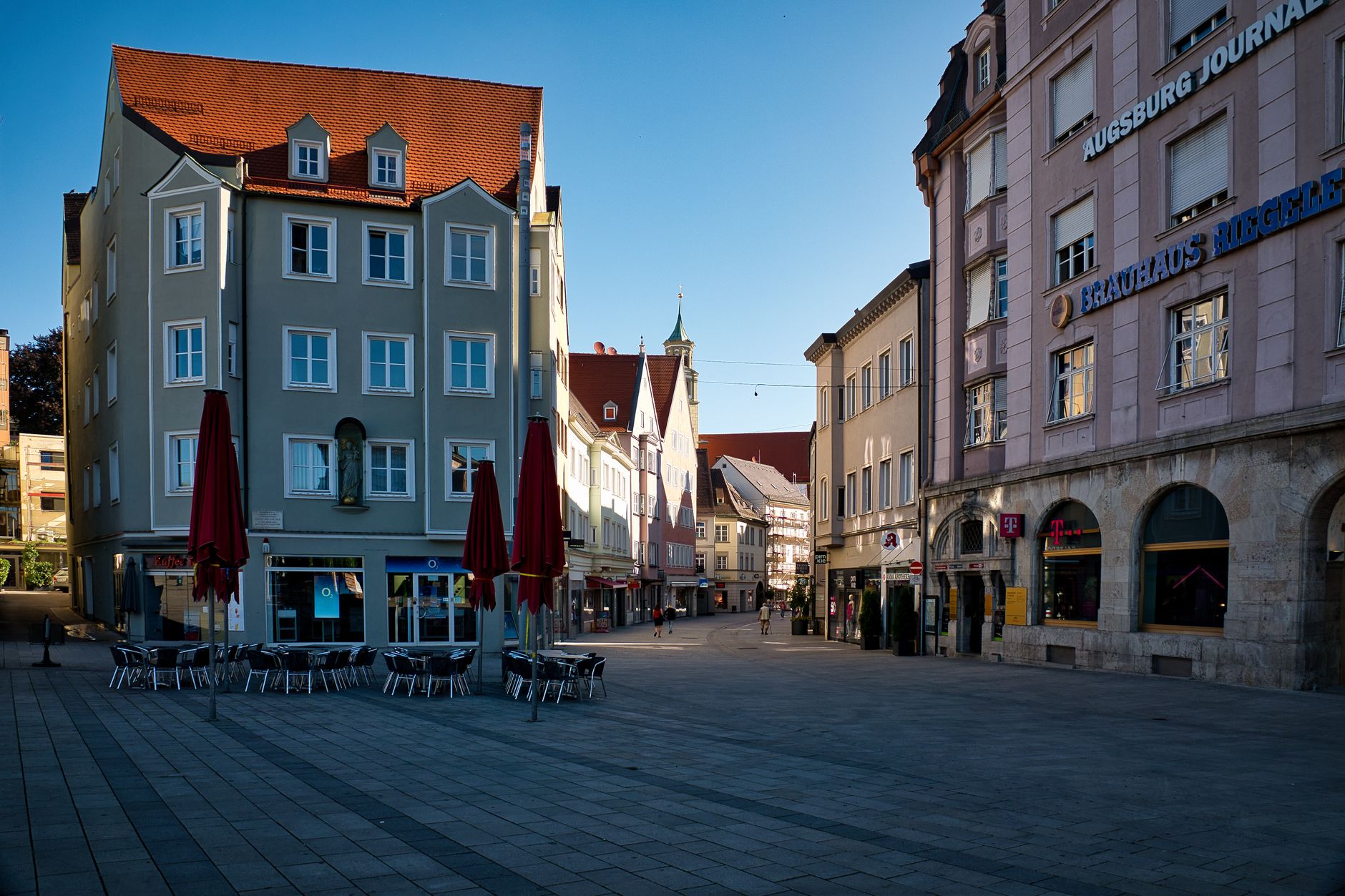
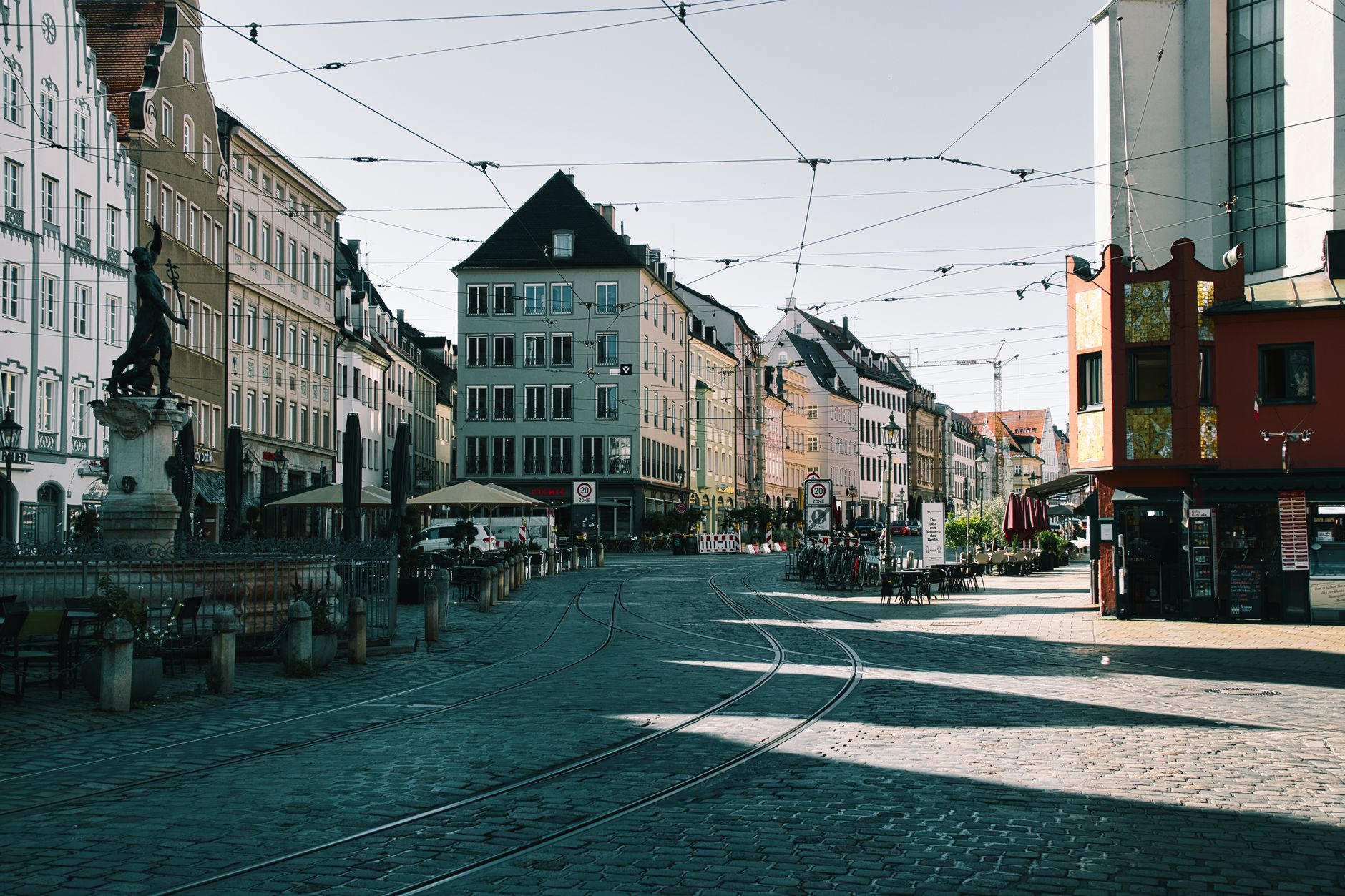
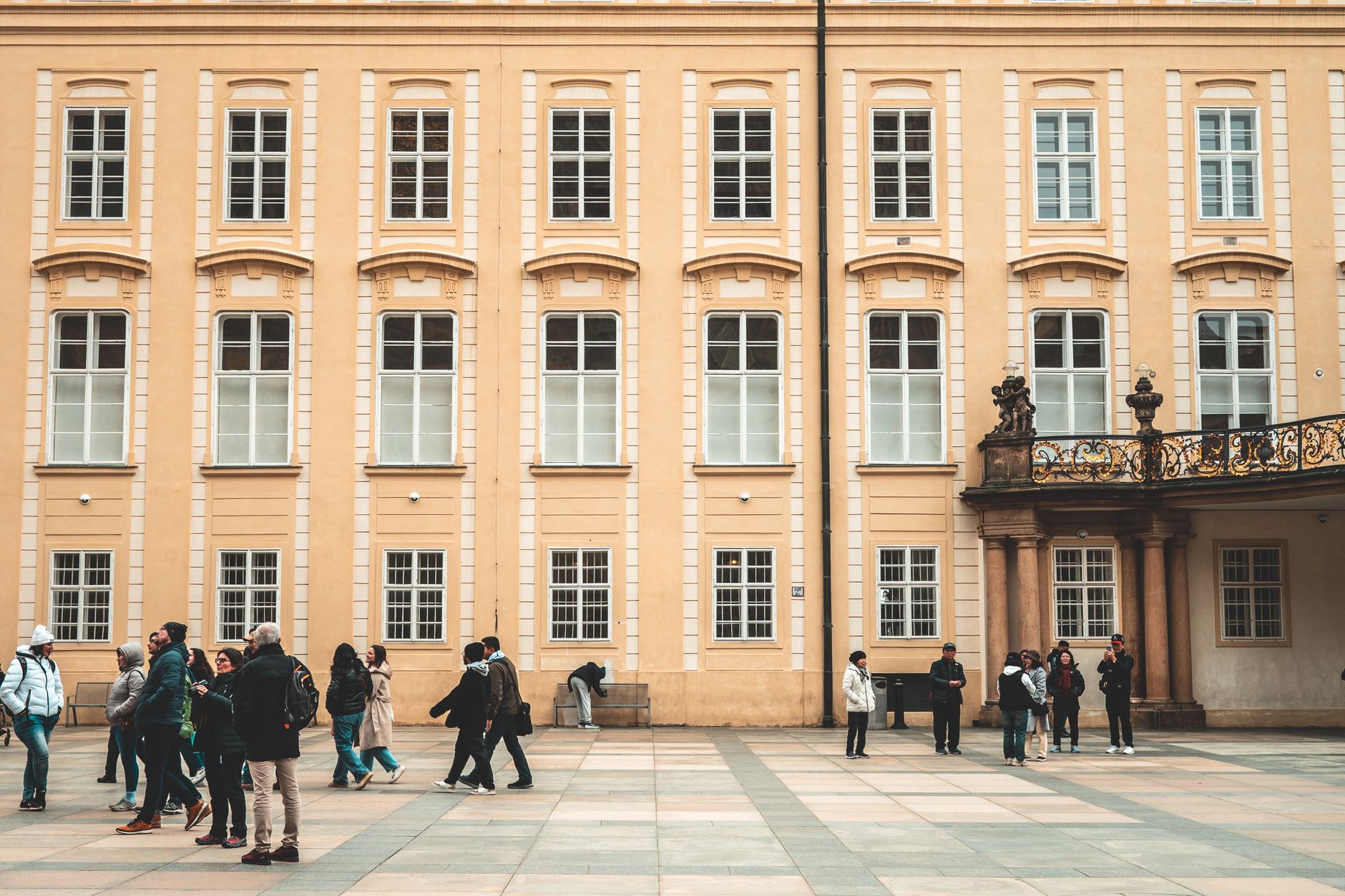
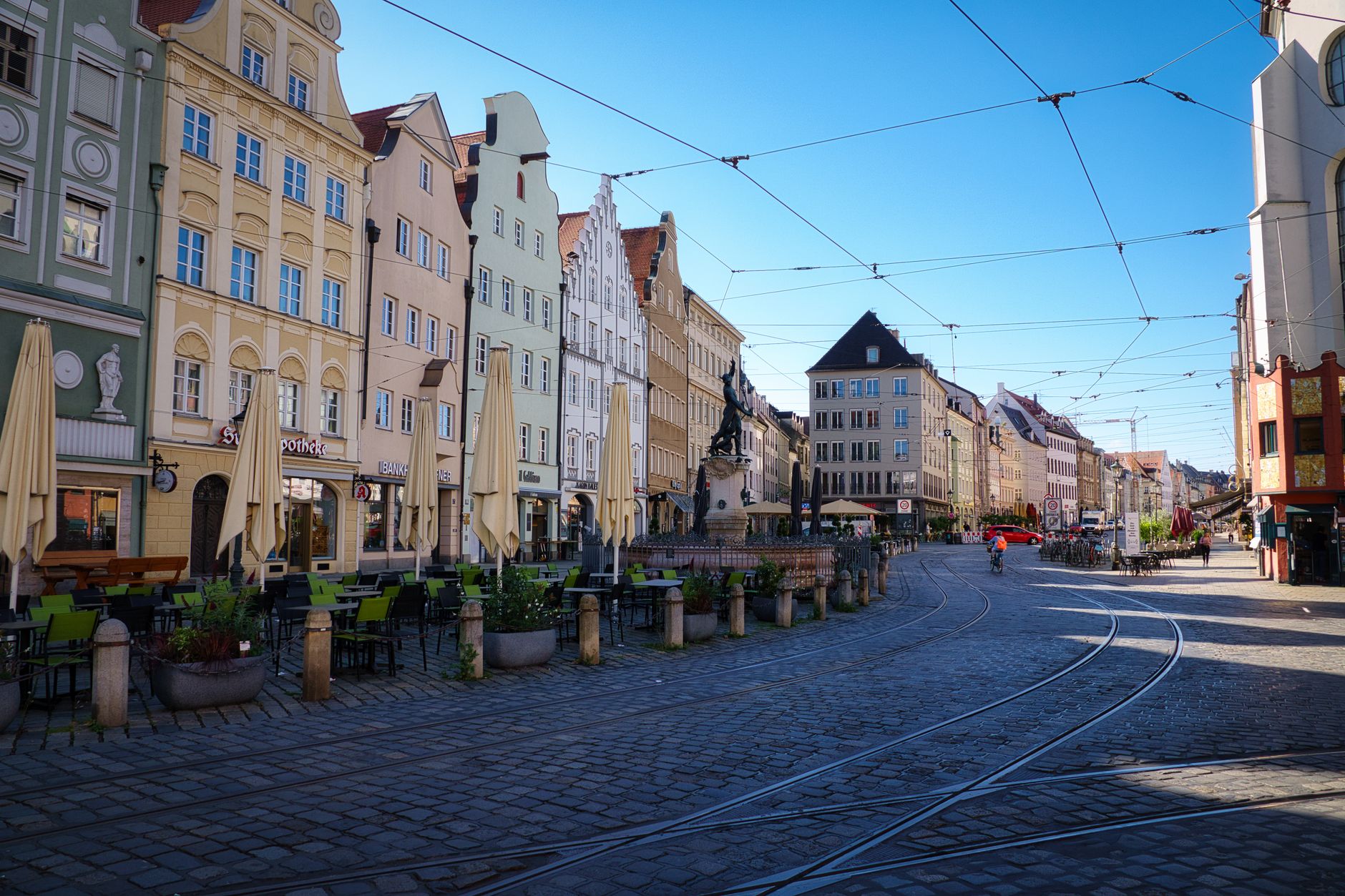
Augsburg has a way of stopping you mid-stride. You'll be walking Maximilianstraße, half-distracted, and then three Renaissance fountains appear — Augustus, Mercury, Hercules — lined up like punctuation in a sentence about civic ambition. This was one of the wealthiest cities in 16th-century Europe, and the evidence is everywhere: in the gilded ceiling of Elias Holl's Town Hall, in the five Romanesque stained-glass windows inside a cathedral that has been accumulating centuries since 994.
What keeps Augsburg from feeling like a museum piece is the Fuggerei — a walled social housing complex founded in 1521, where 150 Catholic residents still pay 88 cents a year in rent. It was Jakob Fugger's idea, a banker so rich he lent money to emperors. The place still works. That combination of monumental history and stubborn practicality is very much the city's character.
💛 What travellers fall for
People who come back tend to linger in the Fuggerei longer than they planned, and make a point of catching the Augsburger Puppenkiste — the puppet theatre running since 1948 inside a Renaissance hospice. The UNESCO water management sites reward a slow afternoon walk. The Schaezlerpalais is quieter than its quality deserves.
Experiences you don't want to miss



Deals in Augsburg
Book directly at the provider


How Augsburg came to be
The Romans planted this city in 15 BC, naming it Augusta Vindelicorum after the emperor Augustus. It became a bishopric by 739 CE, and in 955 King Otto I used the plain south of town to defeat a Hungarian invasion — a battle that shaped the political map of early medieval Germany. Augsburg became a Free Imperial City in 1276, and by the 16th century the Fugger and Welser banking families had turned it into a financial capital that reached from the Habsburg court to the Vatican.
That independence lasted until Napoleon reorganised Europe: in 1806 Augsburg was absorbed into the Kingdom of Bavaria. The city reinvented itself through textiles and then machine manufacturing, and in the late 19th century became an industrial force — a different kind of ambition, but recognisably the same city that had always known how to work with what it had.
Who and what shaped it
People who shaped it
Landmark buildings
See Augsburg in motion
Plan your visit
On the map
When to go
Summers are warm and occasionally humid, with July temperatures typically in the mid-20s Celsius — good for the outdoor fountains and the Fuggerei courtyards. Winters are cold and grey, with snow possible from December through February; the indoor collections at the Schaezlerpalais and the Puppet Theater Museum come into their own then.
Right now
Background & history adapted from Wikipedia (CC BY-SA) · specs from Wikidata (CC0) · weather from Open-Meteo · map data © OpenStreetMap contributors · photos from Wikimedia Commons / Unsplash with per-image credit. No third-party reviews or social posts reproduced.