
Auckland CBD
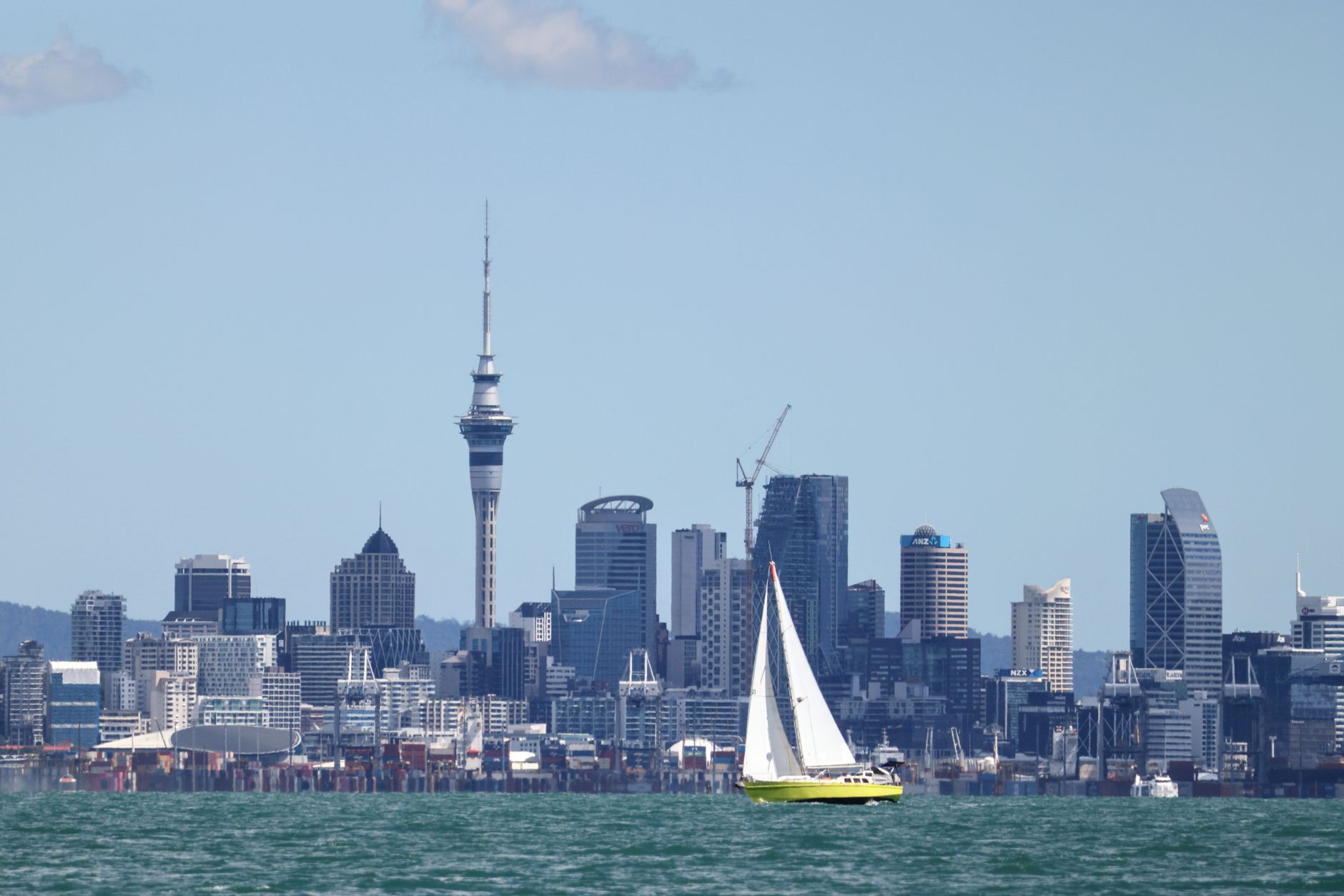
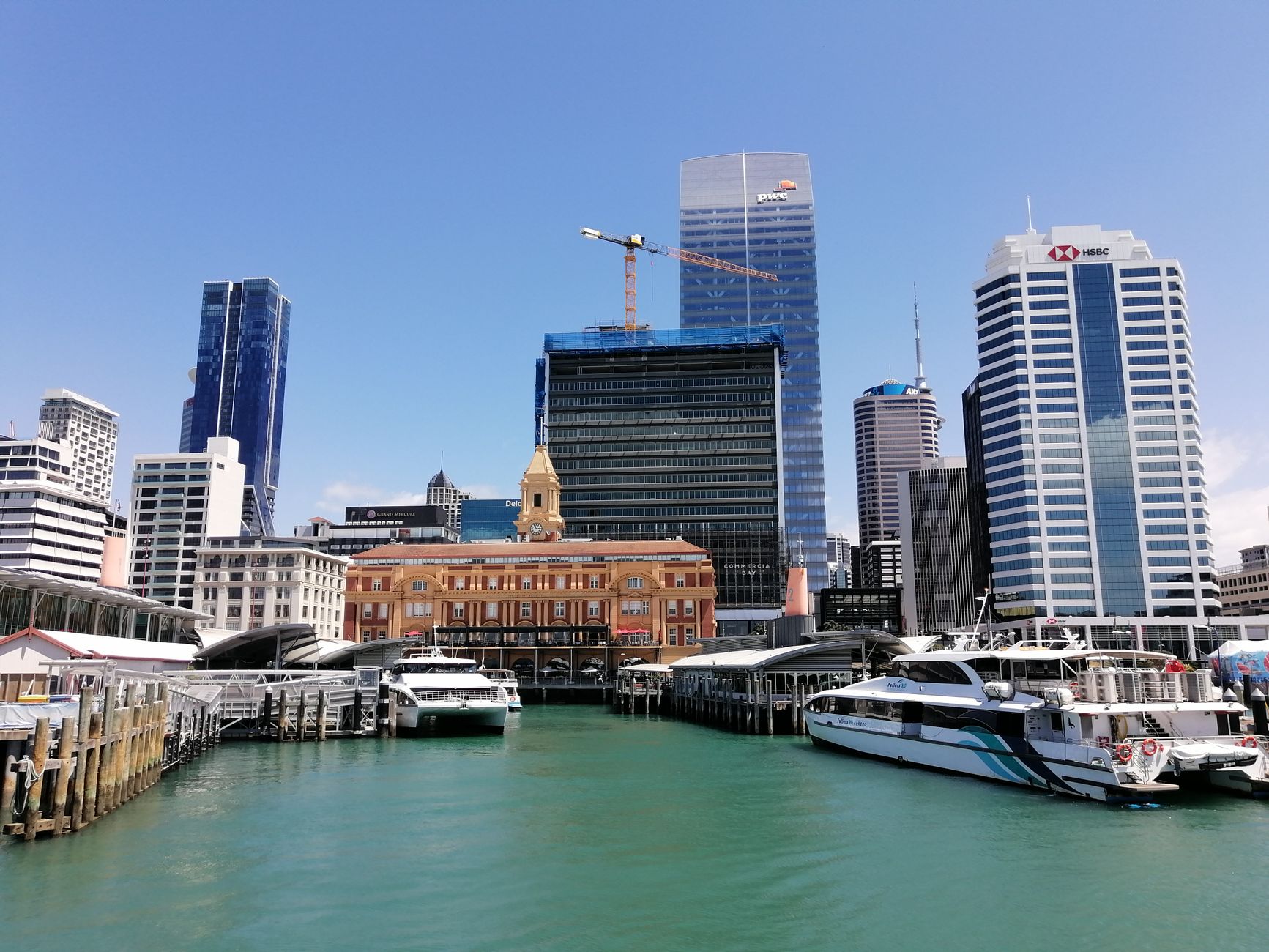
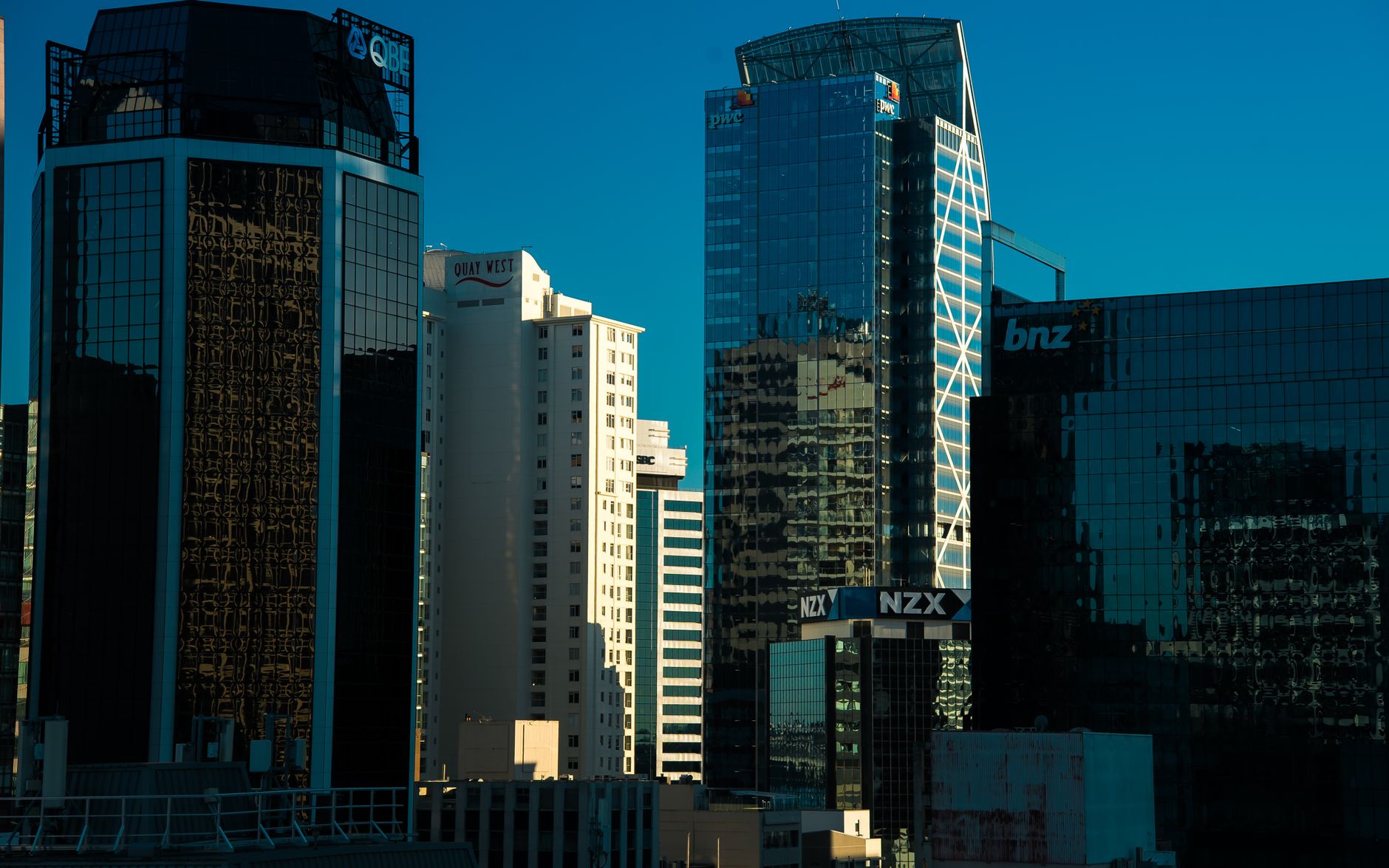
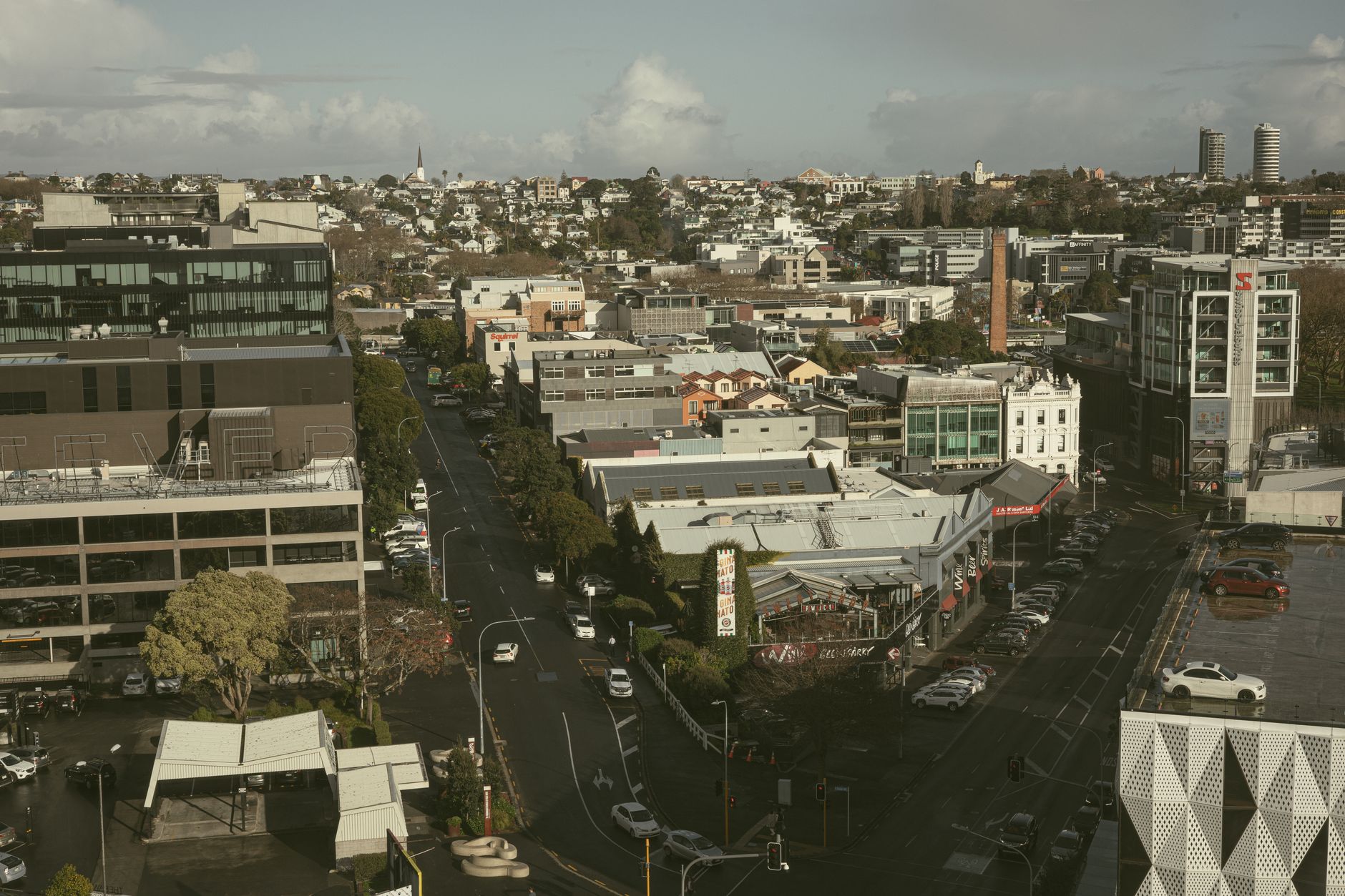
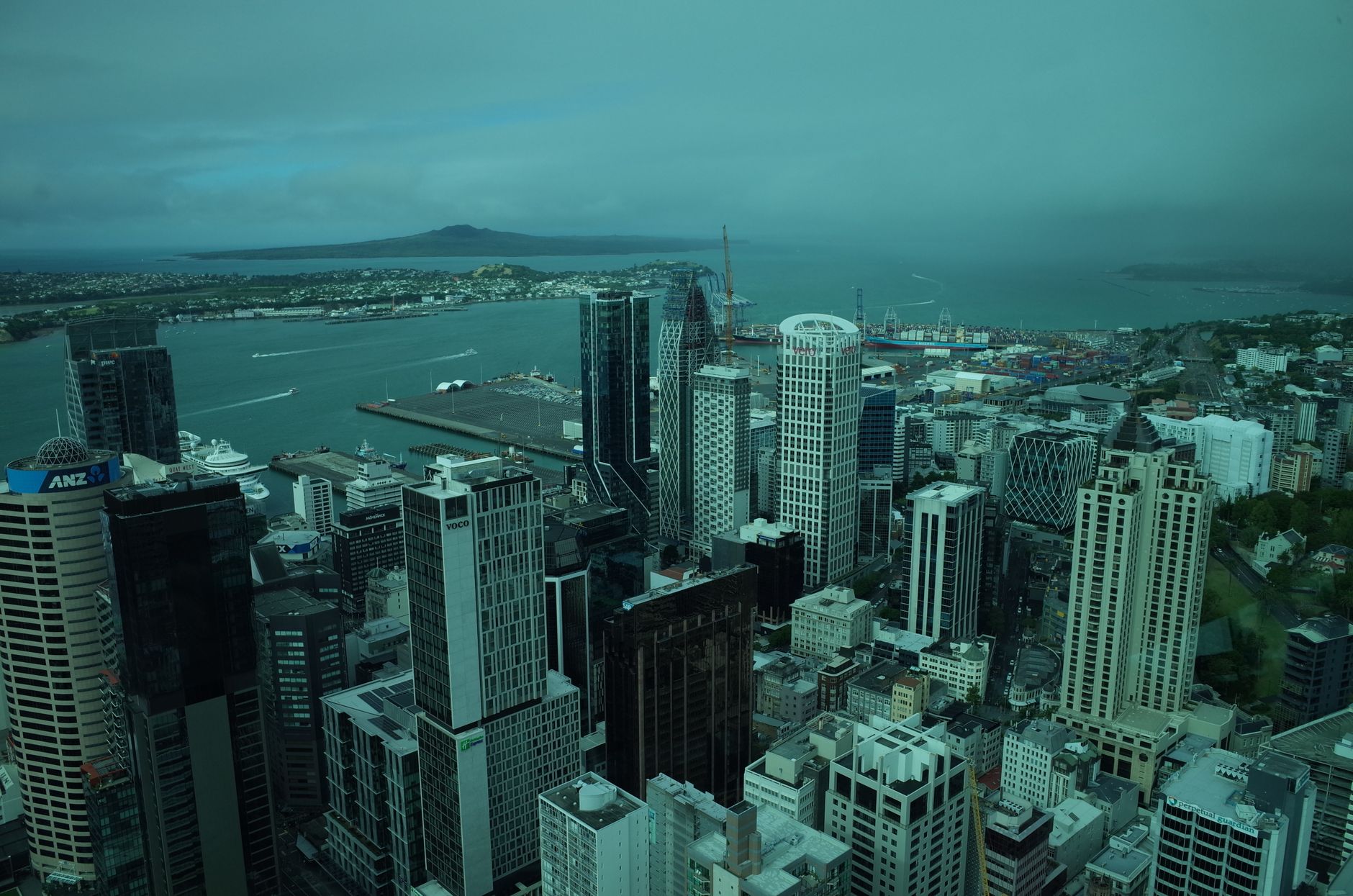
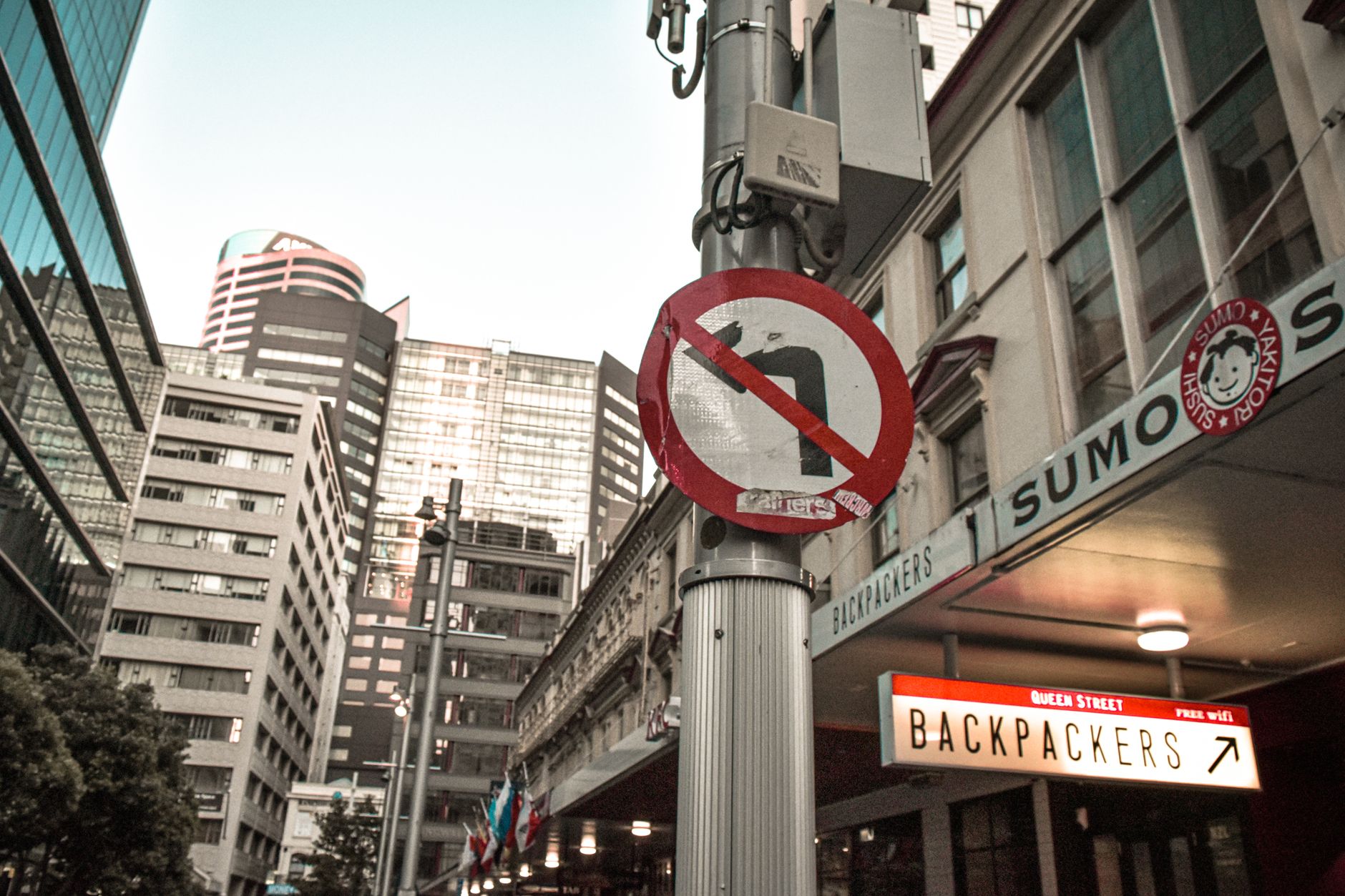
Queen Street runs straight from the harbour up through the city like a spine, and almost everything in Auckland CBD radiates from it. The waterfront end — where the Ferry Building's Edwardian Baroque clock tower has stood since 1910 — is where the city still feels most like itself: ferries crossing the Waitematā, the Sky Tower overhead at 328 metres, the PwC Tower next door asserting 2020's ambitions against 1997's.
This is a downtown that has reinvented itself more than once. It lost the country's capital to Wellington in 1865, lost its department stores to the suburbs in the 1970s, then quietly became New Zealand's financial centre by the 1980s. The residential population was barely 1,400 in 1991; by 2013 it had crossed 32,000.
💛 What travellers fall for
People who come back tend to anchor their mornings at the Ferry Building waterfront before the office crowd arrives, walk up to the Auckland Art Gallery — 15,000-plus works, and the 2011 glass-and-timber extension is worth a look on its own — then cut through Britomart for coffee. The Gothic Revival High Court on Waterloo Quadrant, built in 1868 on a £25,000 budget, stops most of them mid-stride.
Experiences you don't want to miss


Deals in Auckland CBD
Book directly at the provider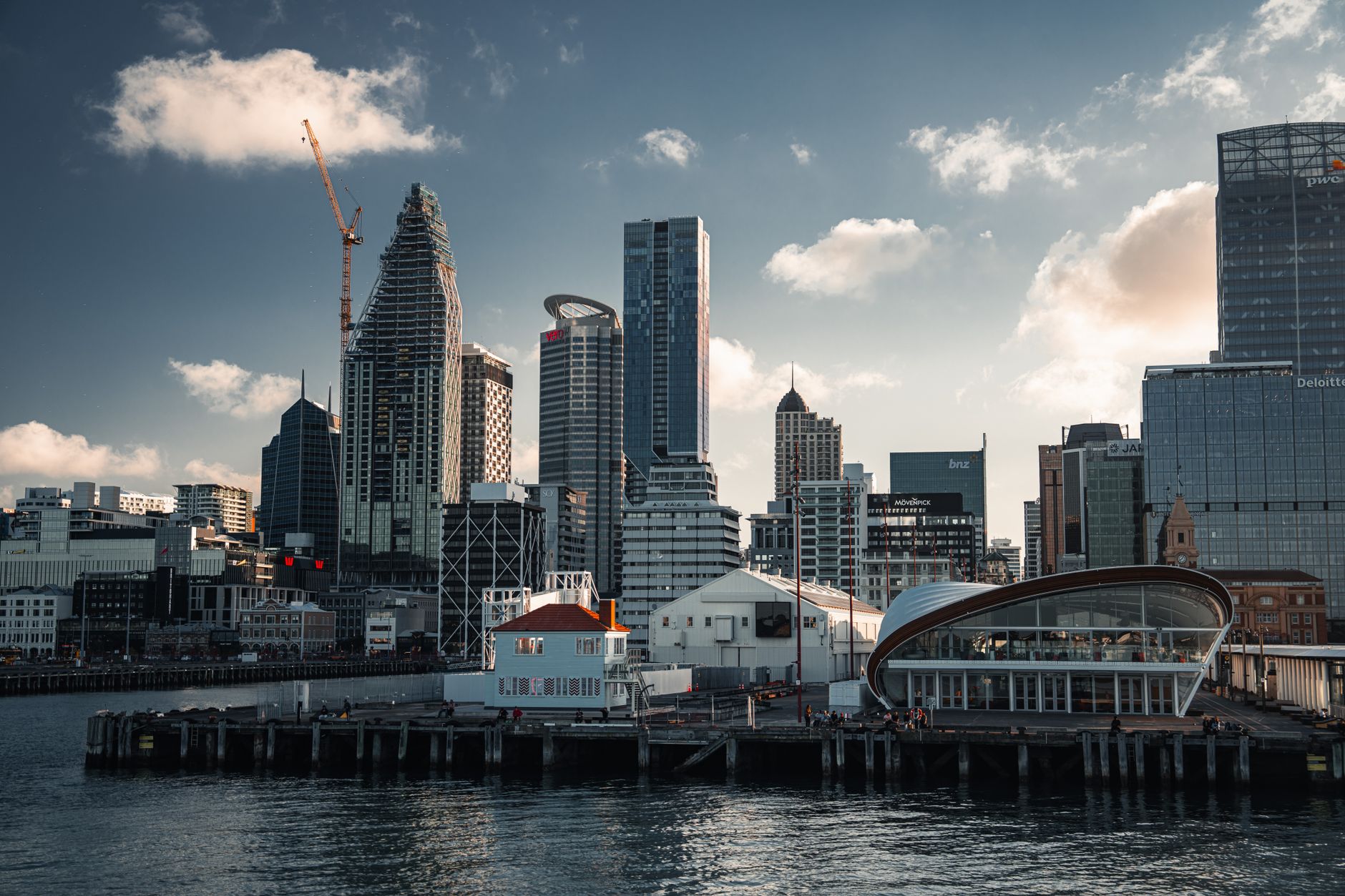
How Auckland CBD came to be
On 18 September 1840, Governor William Hobson declared Auckland a settlement on land gifted by Ngāti Whātua Ōrākei — 3,500 acres along the Waitematā Harbour. Apihai Te Kawau, the paramount chief of Ngāti Whātua, had signed the Treaty of Waitangi six months earlier, in March 1840. Hobson named the town after George Eden, Earl of Auckland. The first commercial corner was at Shortland and Queen Streets, right at the waterfront; within a decade, trade had begun its slow march south along Queen Street, a pattern that still holds.
Auckland held capital status for just over two decades before Wellington took it in 1865. The churches came early — St Paul's Anglican in 1841, St Patrick's Catholic Cathedral in 1843, St Stephen's in 1844 — and several are now Heritage New Zealand Category 1 listed. Courtville, the city's first purpose-built apartment block, followed in 1914. The CBD's current skyline is largely a product of the 1980s financial shift and the 1997 completion of the Sky Tower.
Who and what shaped it
People who shaped it
Landmark buildings
See Auckland CBD in motion
Plan your visit
On the map
When to go
Auckland's climate is mild and maritime, but genuinely changeable — a clear morning can turn wet by afternoon in any season. Summer (December–February) is warm and humid; winter (June–August) is cool and grey with regular rain. April–May and September–October tend to offer the most comfortable walking conditions.
Right now
Background & history adapted from Wikipedia (CC BY-SA) · specs from Wikidata (CC0) · weather from Open-Meteo · map data © OpenStreetMap contributors · photos from Wikimedia Commons / Unsplash with per-image credit. No third-party reviews or social posts reproduced.