
Astoria
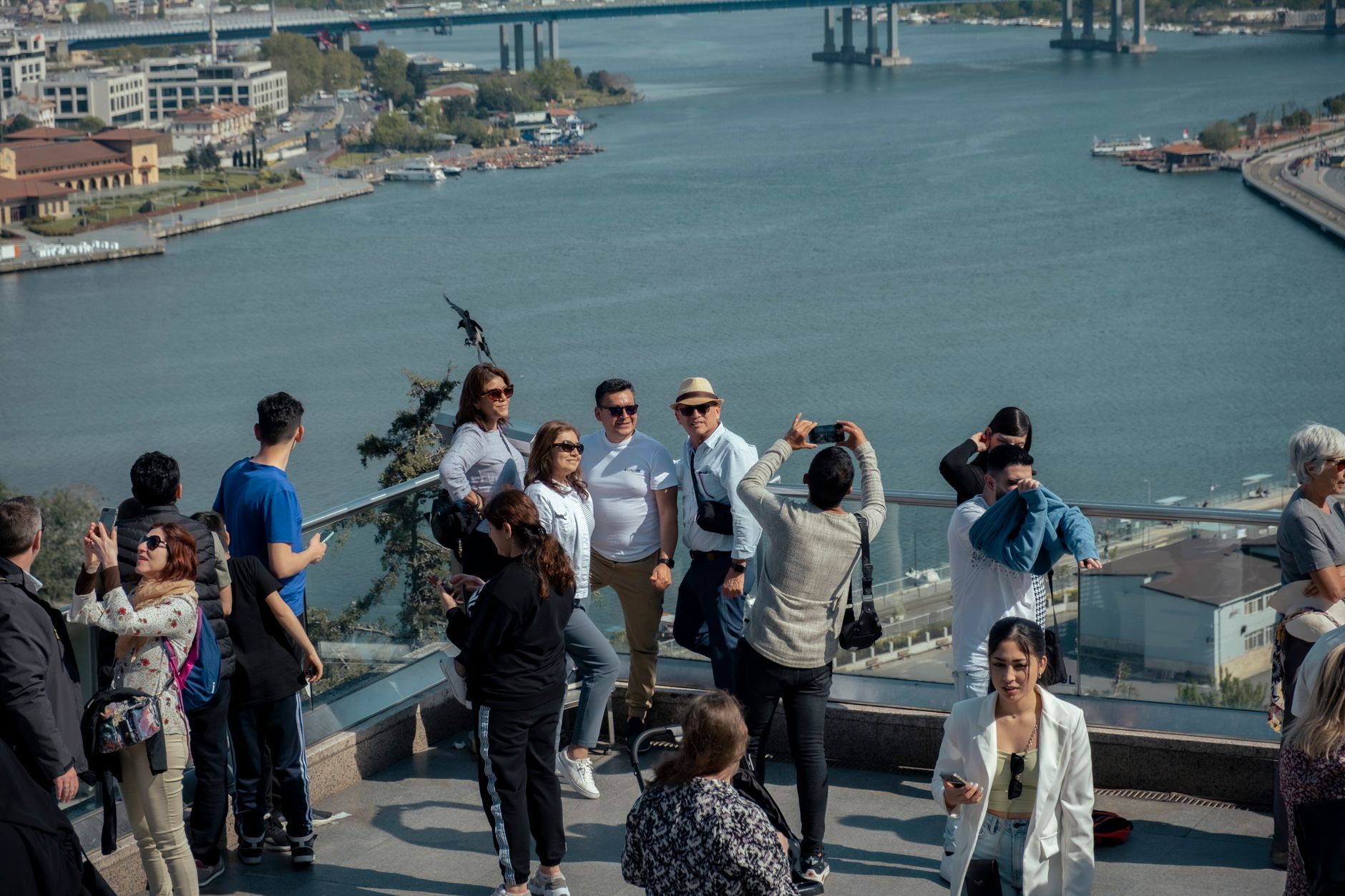
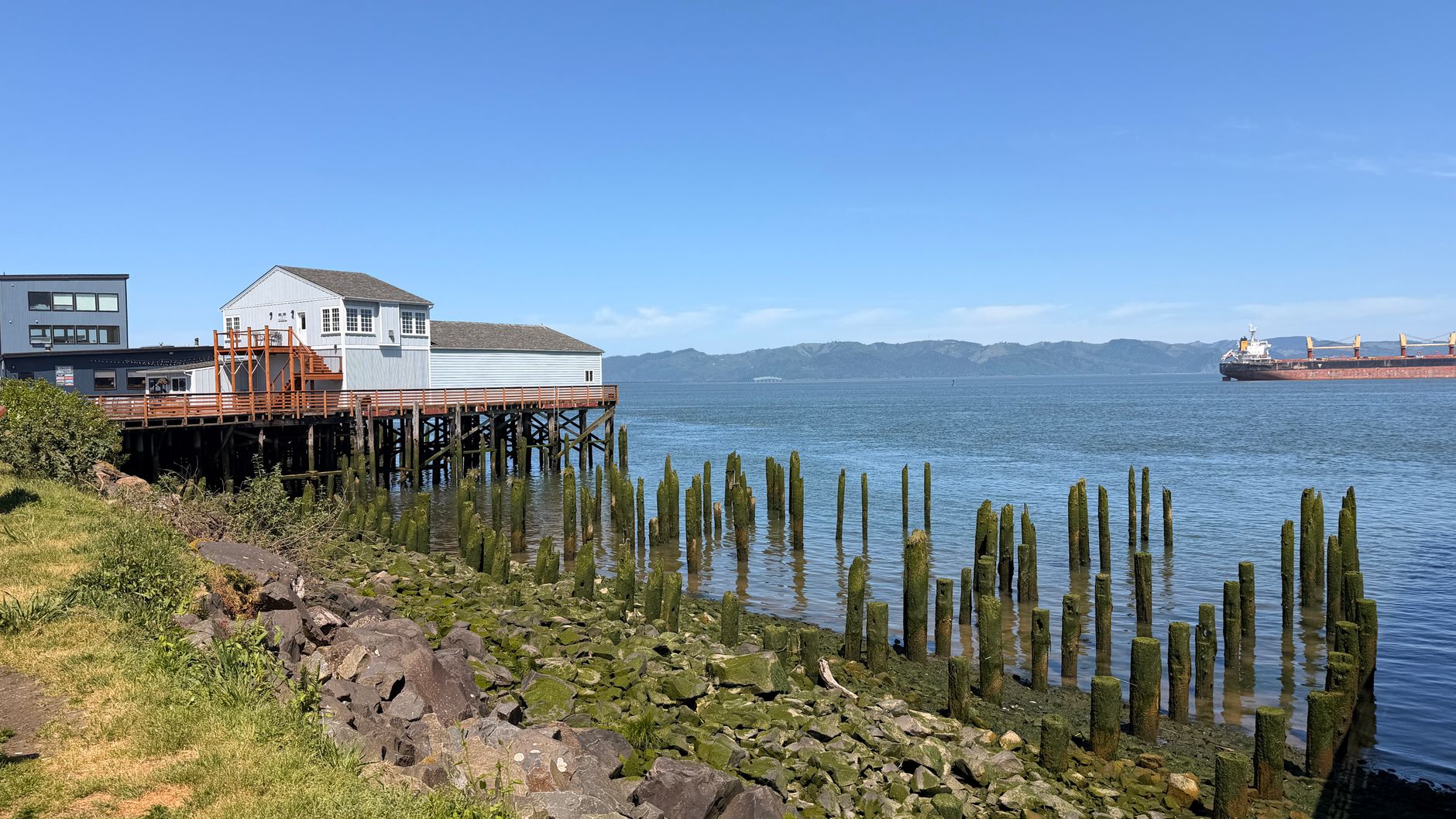
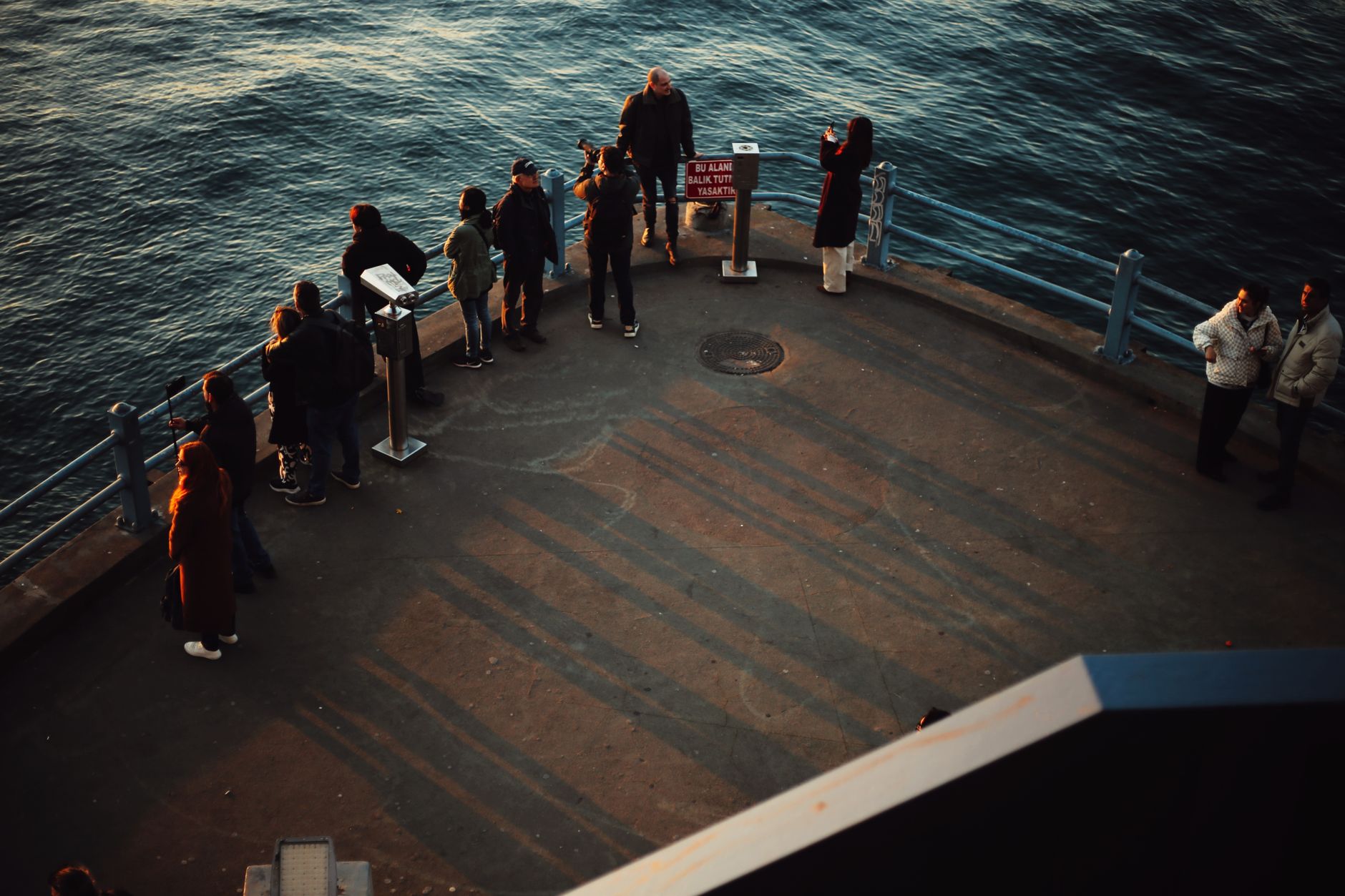
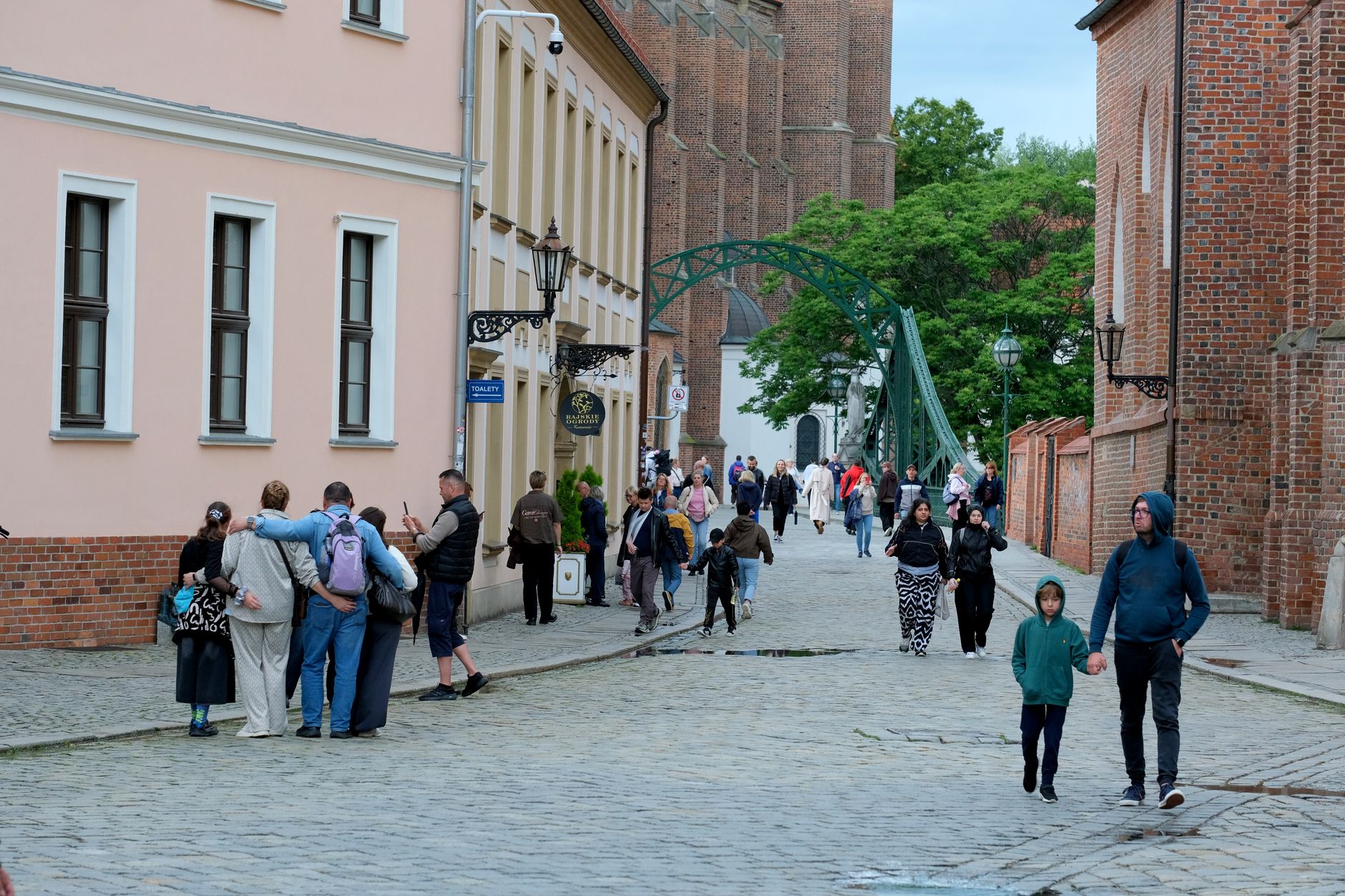
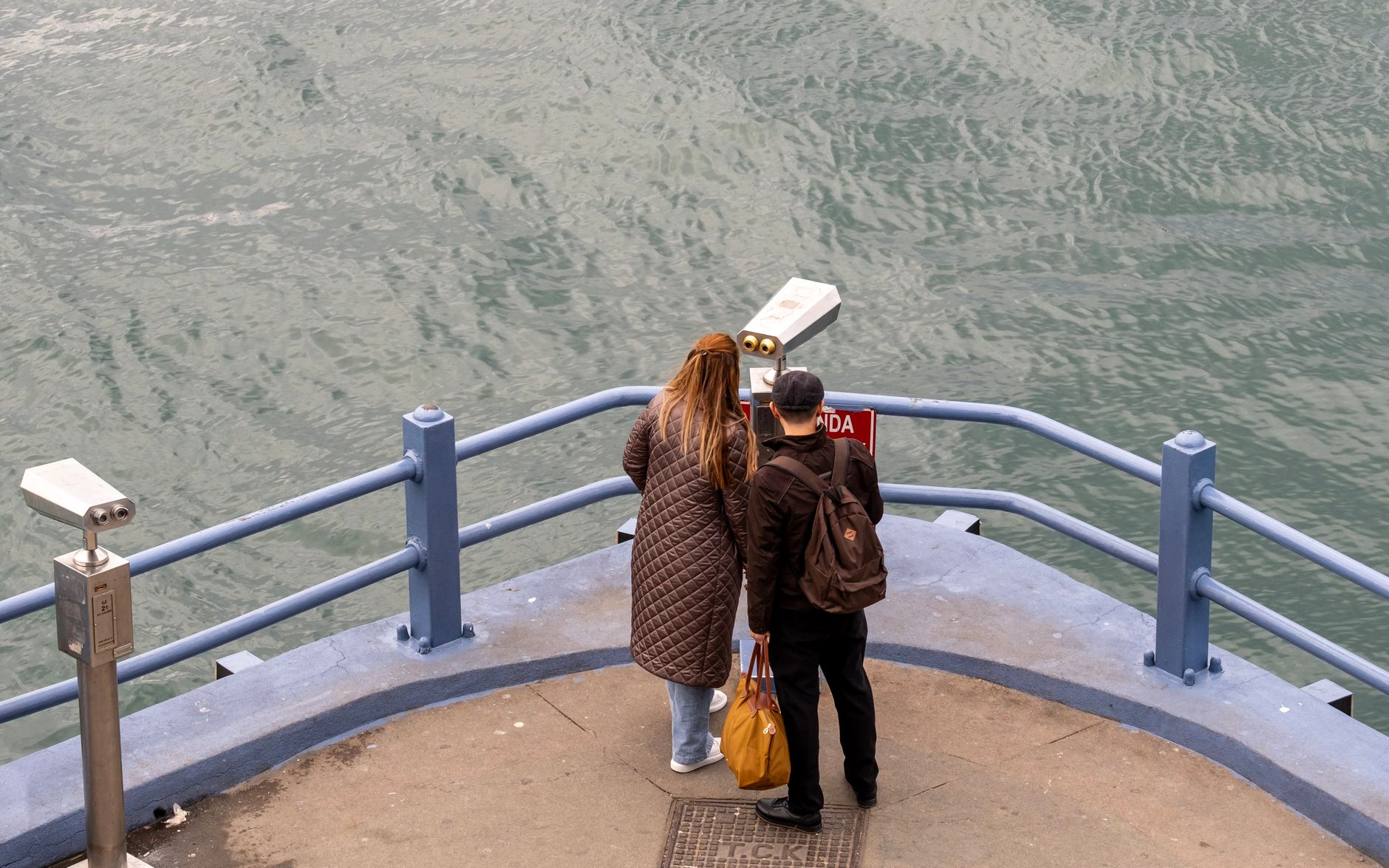
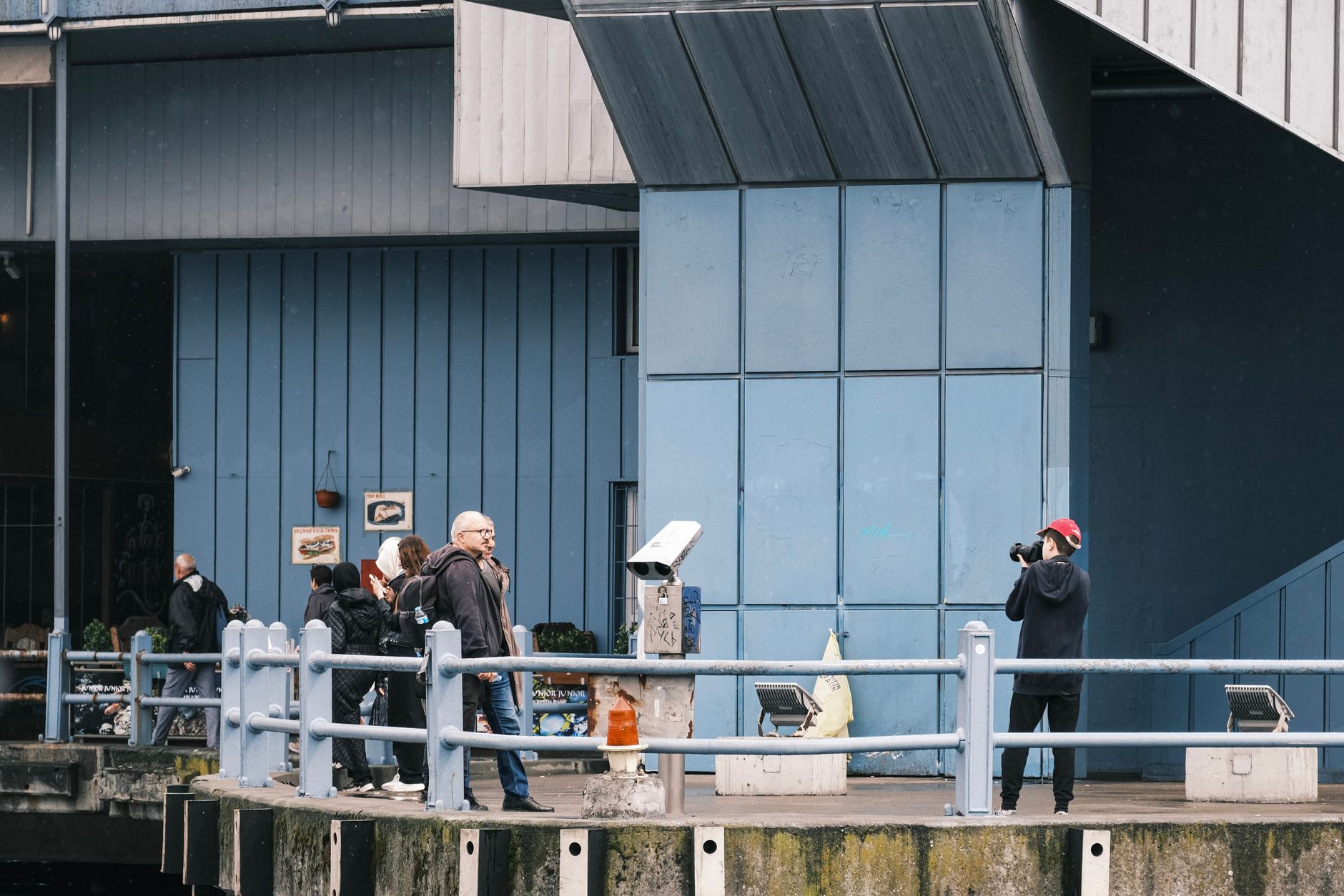
The oldest house in New York City still used as a residence sits quietly on 19th Road — a timber-frame structure built around 1655, well before the neighborhood had a name. That kind of layering is what Astoria does: Greek coffee shops beside film studios, a Czech beer garden that has been pouring since 1910, a sculpture park that grew from an abandoned landfill on the East River shore.
Astoria is the northwest corner of Queens, close enough to Midtown to commute but coherent enough to feel like its own city. The elevated N and W trains rattle above 31st Street, the Hell Gate Bridge arcs over the water, and Astoria Park stretches along the riverbank where Olympic swimmers trained in 1936.
💛 What travellers fall for
People who keep coming back tend to anchor a morning at the Noguchi Museum — Isamu Noguchi bought the industrial building himself, specifically to house his life's work, and the quiet of the galleries earns its reputation. From there, Socrates Sculpture Park is a short walk, and the East River light in the afternoon makes it worth timing your visit accordingly.
Experiences you don't want to miss


Deals in Astoria
Book directly at the provider


How Astoria came to be
The land was called Hallet's Cove when William Hallet settled it in 1659. It stayed a modest waterfront community until 1839, when fur merchant Stephen A. Halsey obtained a village charter, started a ferry to Manhattan, and — in a deal that tells you something about both men — persuaded John Jacob Astor to lend his name to the place in exchange for a $500 investment. Astor, worth millions, never once visited.
German immigrants arrived in the second half of the 19th century, among them Heinrich Engelhard Steinweg, whose family founded Steinway & Sons in 1853 and eventually built their own company town complete with a streetcar line and schools that taught in German and English both. In 1920, Famous Players–Lasky built a film studio on 36th Street that briefly made Astoria the center of American cinema before Hollywood pulled the industry west. The studio complex survives; the Museum of the Moving Image occupies one of its original thirteen buildings.
Who and what shaped it
People who shaped it
Landmark buildings
See Astoria in motion
Plan your visit
On the map
When to go
Summers are hot and humid, with the park and pool drawing large crowds from June through August. Spring and fall bring the most comfortable temperatures for walking the riverfront; winters are cold and occasionally snowy but quiet, and the museum circuit makes the season workable.
Right now
Background & history adapted from Wikipedia (CC BY-SA) · specs from Wikidata (CC0) · weather from Open-Meteo · map data © OpenStreetMap contributors · photos from Wikimedia Commons / Unsplash with per-image credit. No third-party reviews or social posts reproduced.