
Arusha
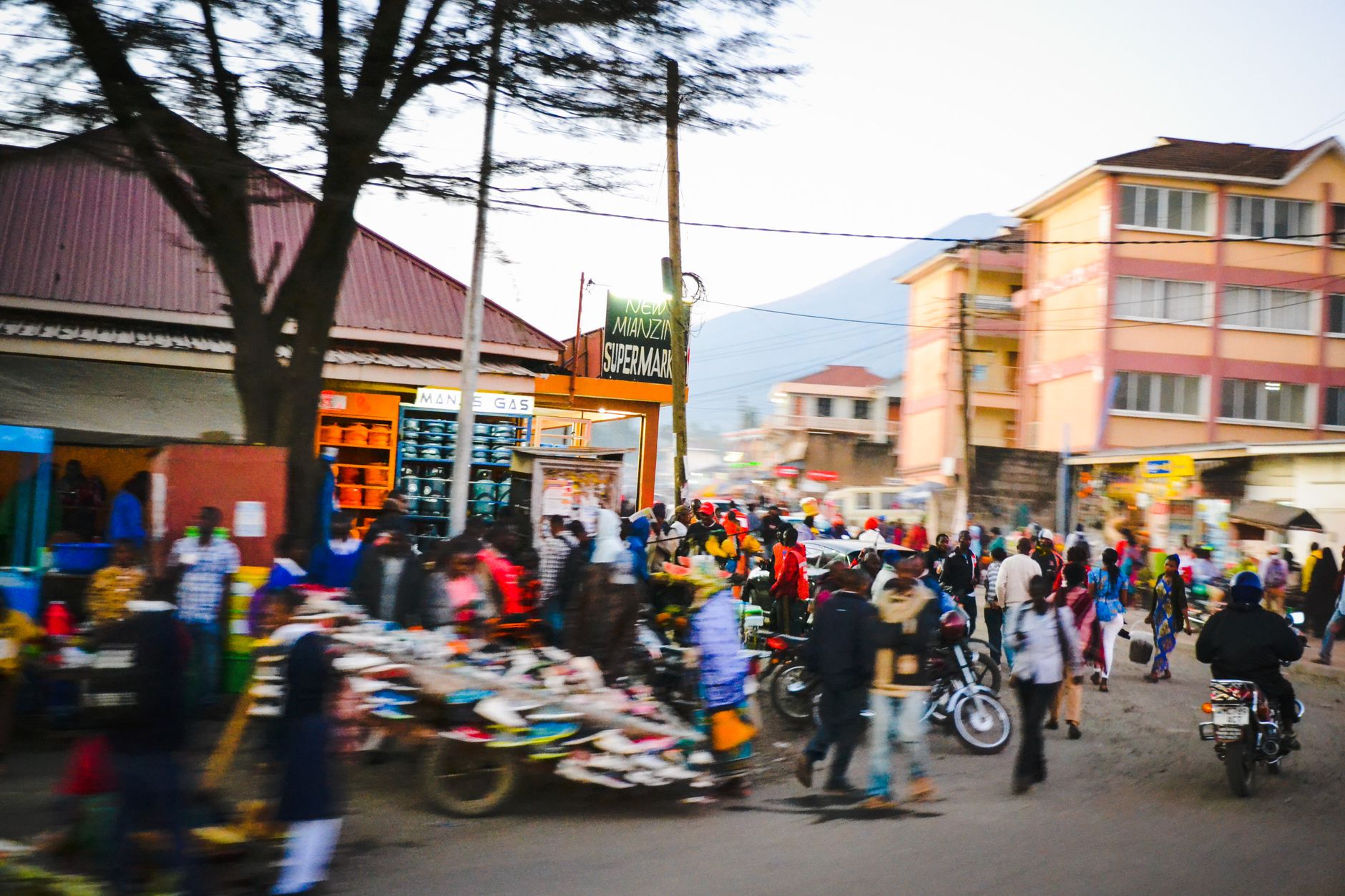
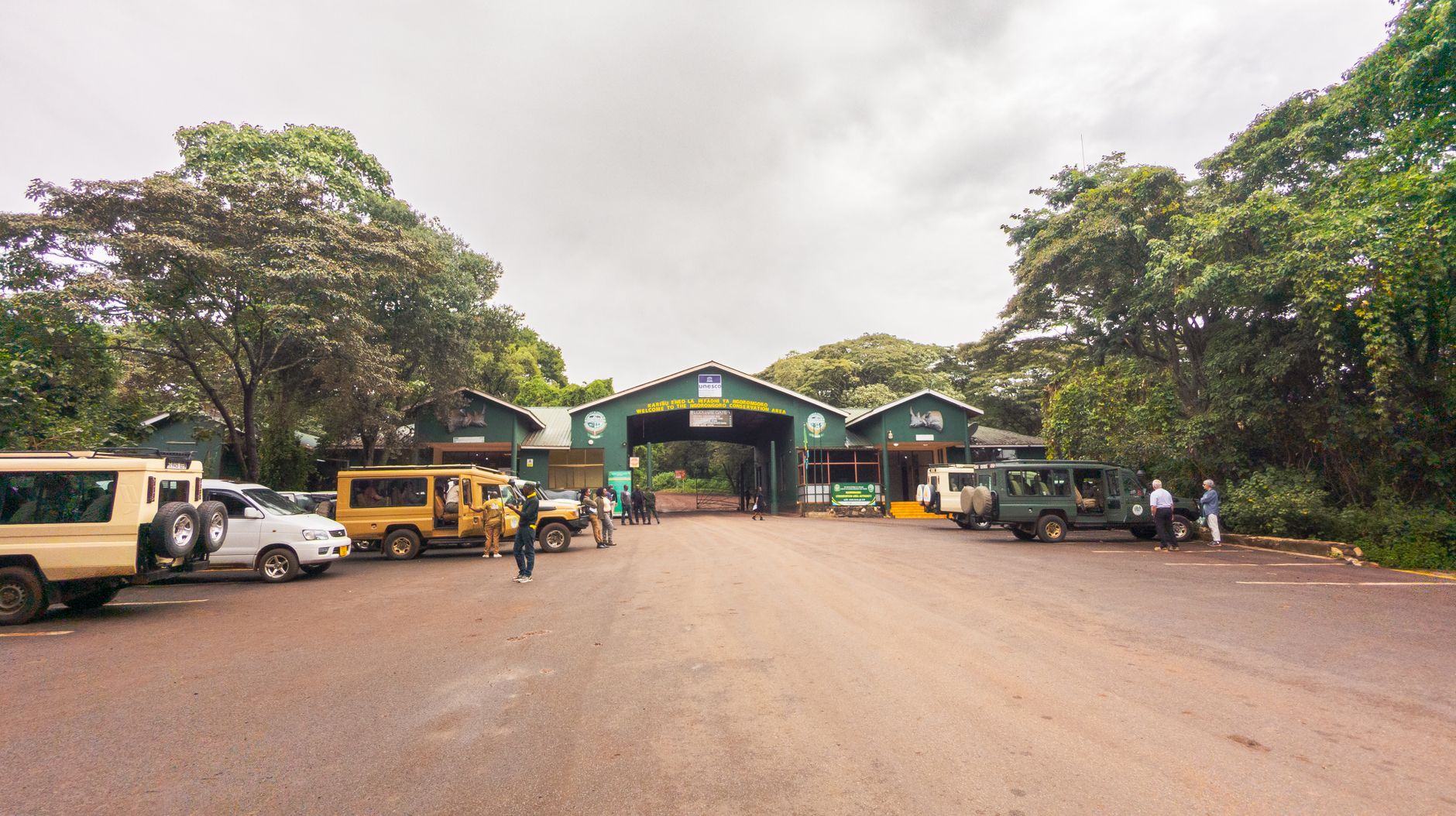
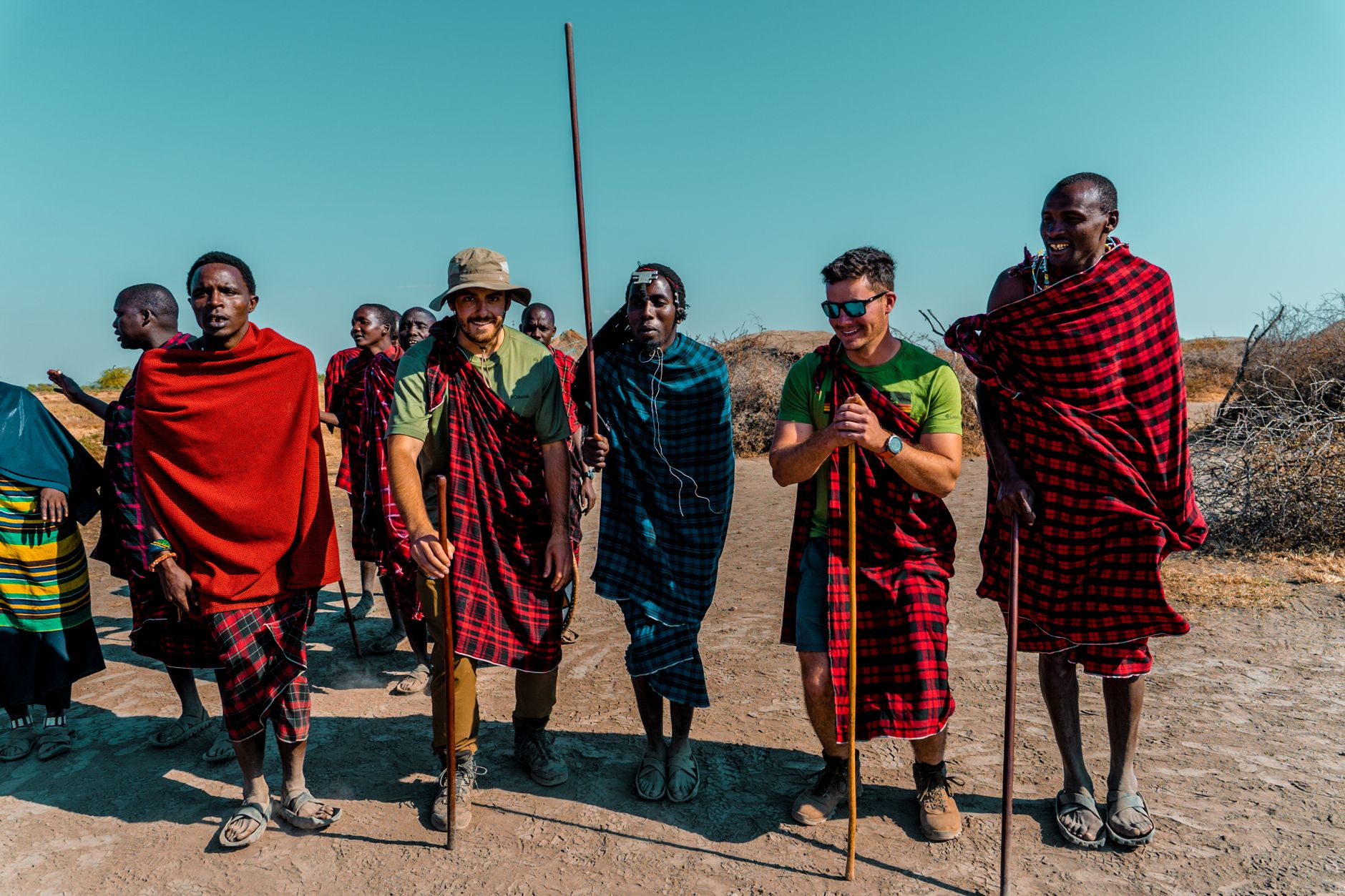
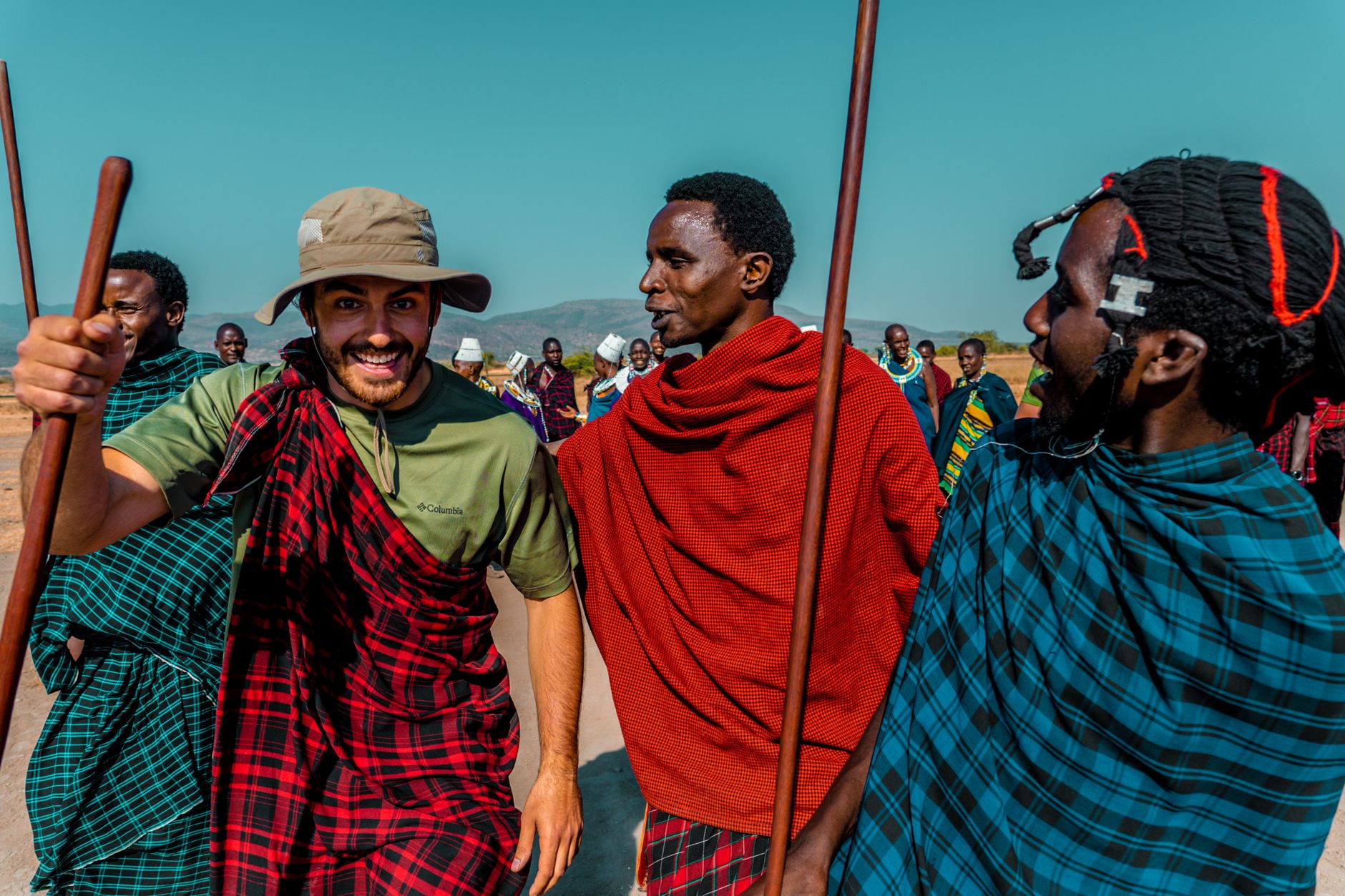
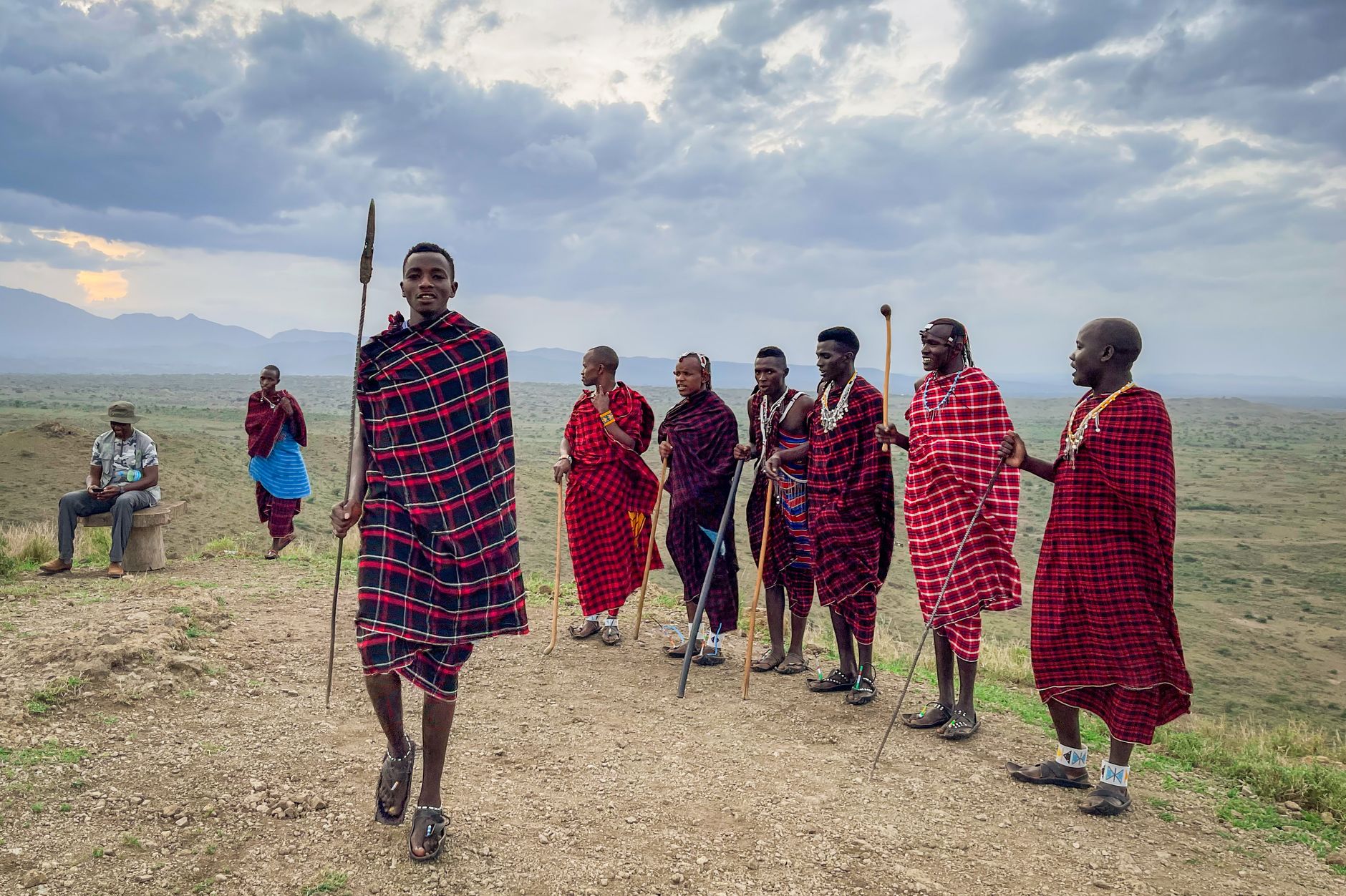
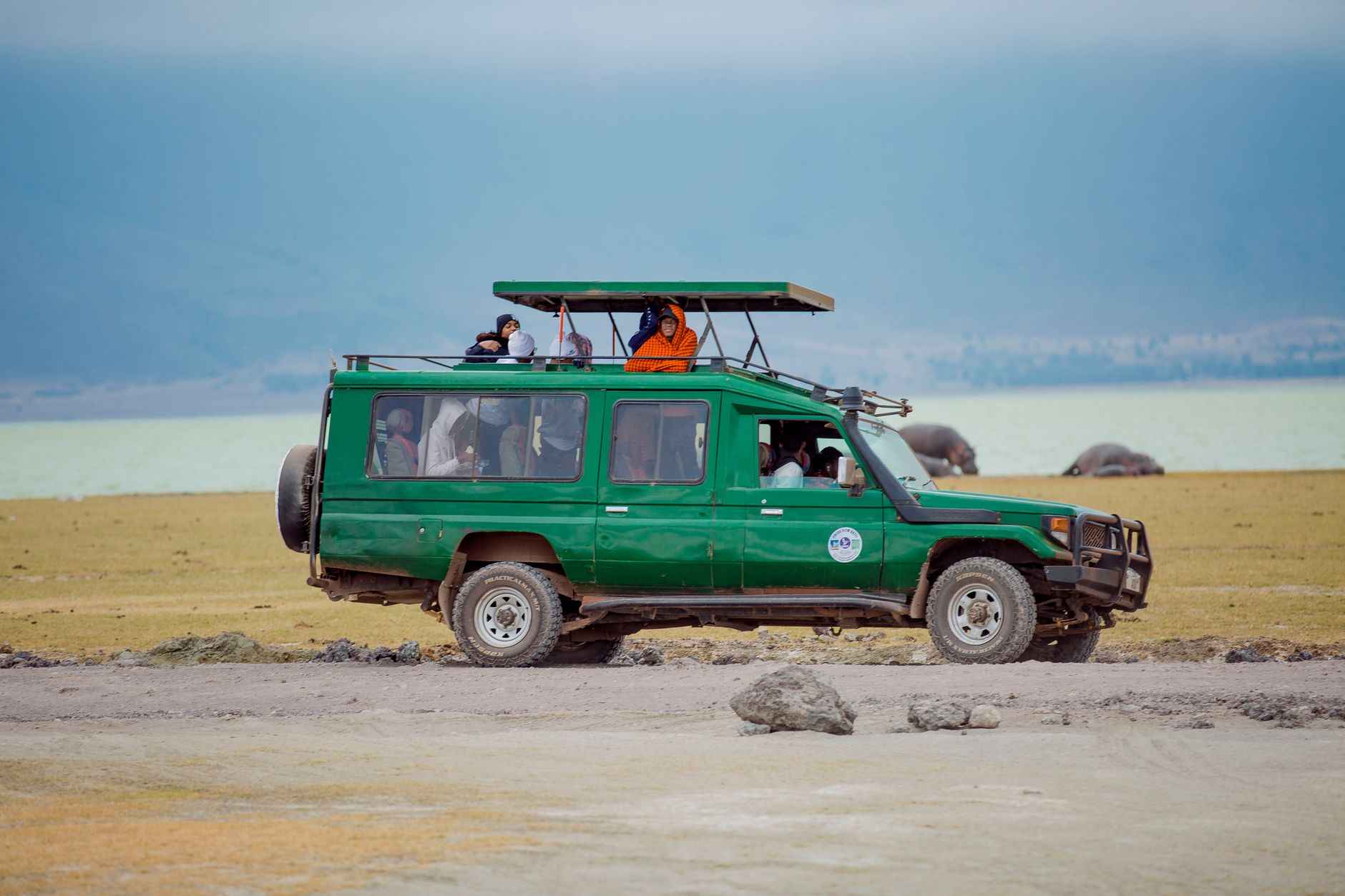
Arusha sits in the shadow of Mount Meru — Tanzania's second-highest peak, rising to 4,655 metres entirely within the national park on the city's doorstep — and it wears that geography plainly. The air is cooler than you'd expect this close to the equator, the light sharp and high, the mornings sometimes wrapped in cloud that burns off by mid-morning.
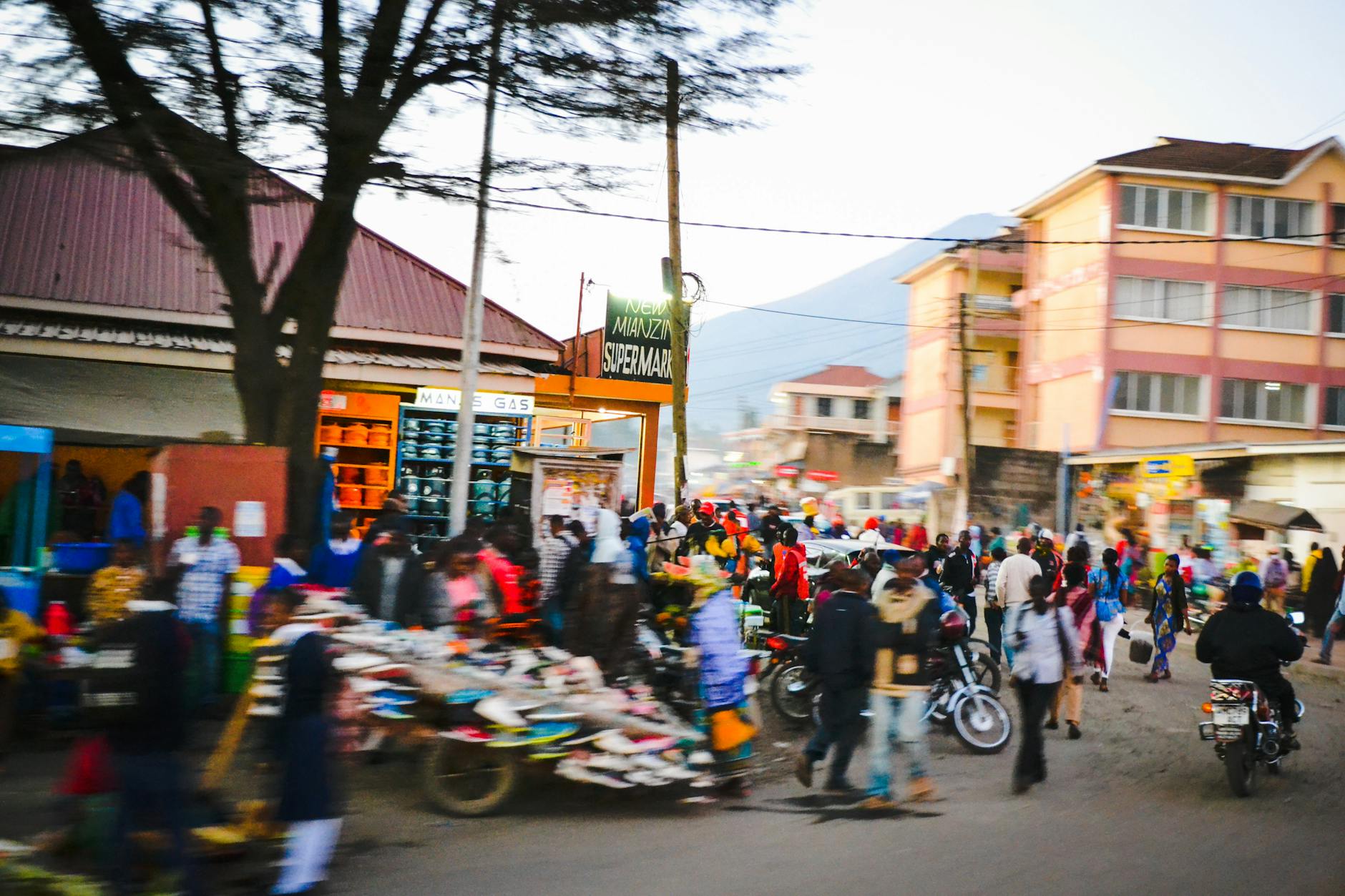
The city is where a great deal of modern East African history was written: Tanzanian independence was formalised here in 1961, the Arusha Declaration reshaped a nation's economic philosophy in 1967, and the Rwandan civil war's factions came to this table in 1993. That weight sits alongside the everyday — the bus terminal on Zaramo Street, the clock tower at the city's centre, the smell of red dust after rain.
💛 What travellers fall for
People who come back tend to mention the same few things: agree your taxi fare before you get in — meters are largely theoretical here. Give the National Natural History Museum more time than you planned; the century-old tortoise roaming the grounds of the old German boma has a way of stopping a conversation cold.
Experiences you don't want to miss


Deals in Arusha
Book directly at the provider

How Arusha came to be
The Arusha Maasai — the Waarusha — first settled this site in the 1830s, having migrated generations earlier from Arusha Chini, south of Kilimanjaro. German forces conquered the area in 1896 and by 1900 had built a military boma here, the stone fort that now houses the National Natural History Museum. The British took control in 1916, expelled German settlers the following year, and redistributed their farms. By 1922 the territory sat under a British League of Nations mandate as part of Tanganyika.
What happened next gave the city an outsized place in history. In 1961, the documents transferring independence to Tanganyika were signed here. Six years later, Julius Nyerere introduced the Arusha Declaration, committing Tanzania to the socialist Ujamaa principles commemorated on the four-pillared monument that still stands in the city. In 1993, the Arusha Accords brought Rwandan factions to the same city in an attempt — ultimately insufficient — to end a civil war.
Who and what shaped it
People who shaped it
Landmark buildings
See Arusha in motion
Plan your visit
On the map
When to go
Arusha's altitude keeps temperatures mild year-round, hovering around 26-29°C, with June through August offering the driest, most comfortable conditions for walking around. Two rainy seasons bracket the year — short rains in November and December, longer rains from March through May — and April in particular can be persistently wet.
Right now
Background & history adapted from Wikipedia (CC BY-SA) · specs from Wikidata (CC0) · weather from Open-Meteo · map data © OpenStreetMap contributors · photos from Wikimedia Commons / Unsplash with per-image credit. No third-party reviews or social posts reproduced.