
Arosa
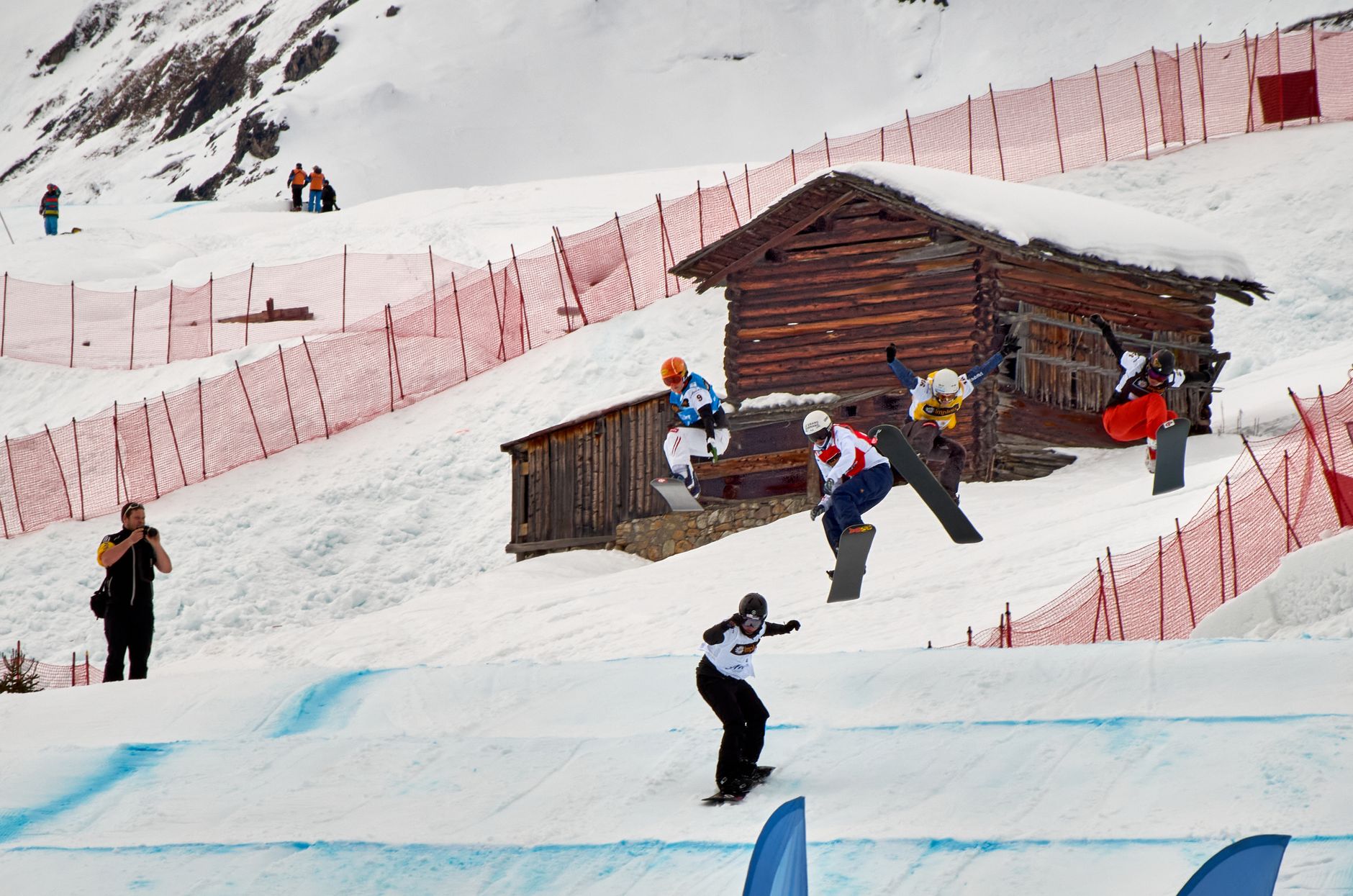
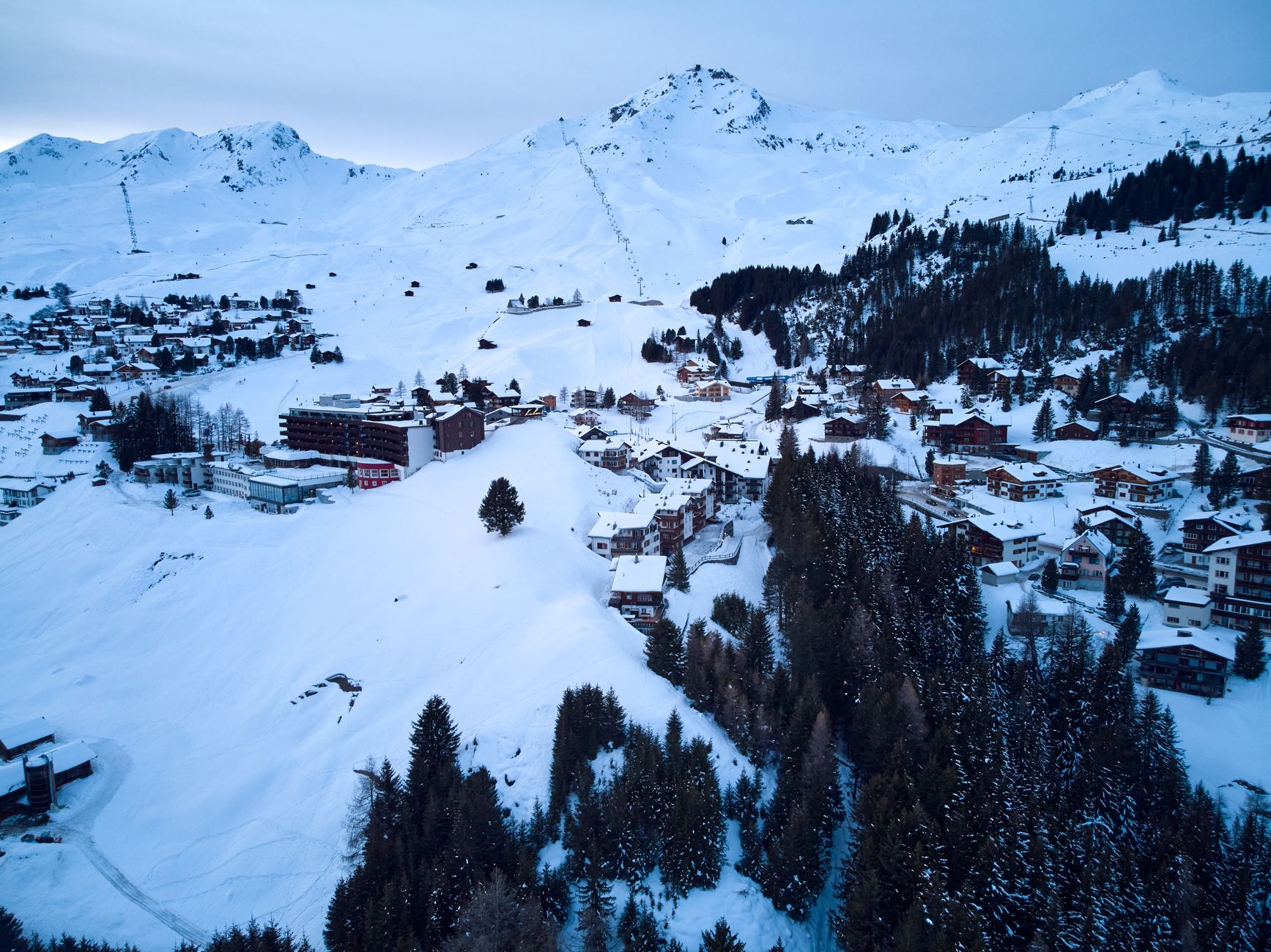
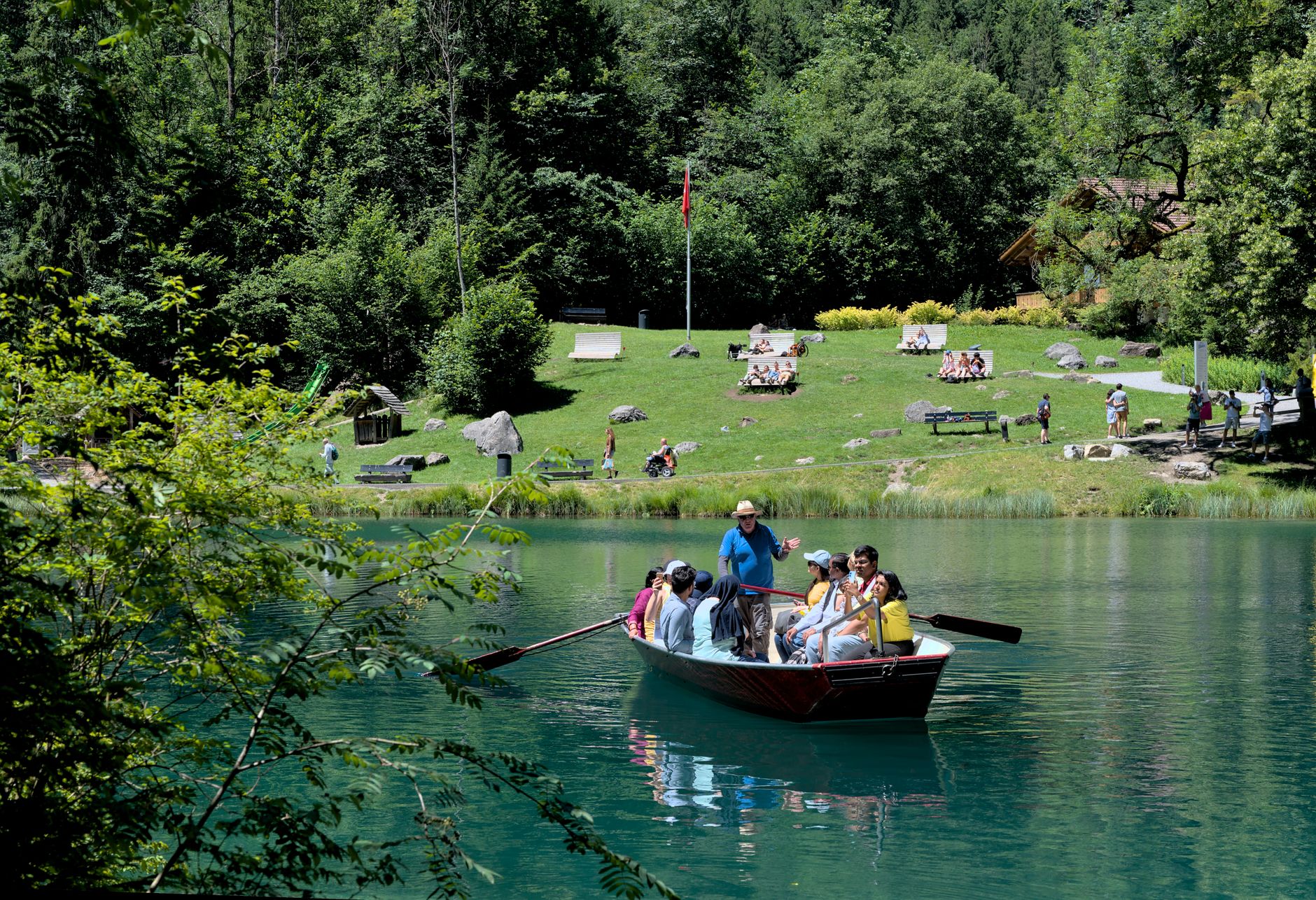
Arosa sits at the end of the road — literally. The Schanfiggerstrasse climbs 30 kilometres out of Chur, bends through 360 curves, gains 1,320 metres of altitude, and stops here, at a broad alpine valley that has nowhere left to go. That dead-end quality is part of the point. The place earned its reputation as a sanatorium town in the 1880s precisely because the air was clean, the valley quiet, and the world felt far away.
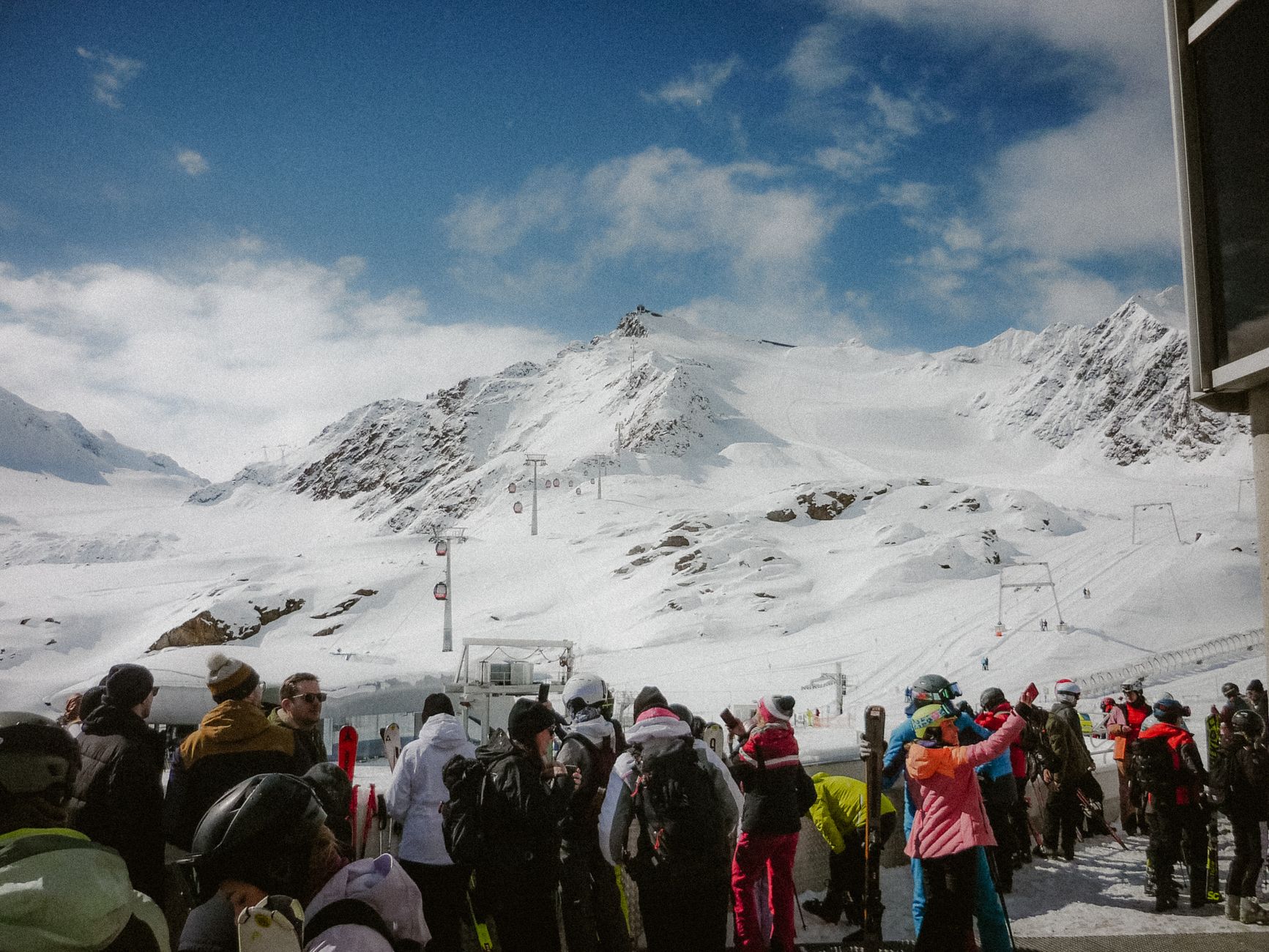
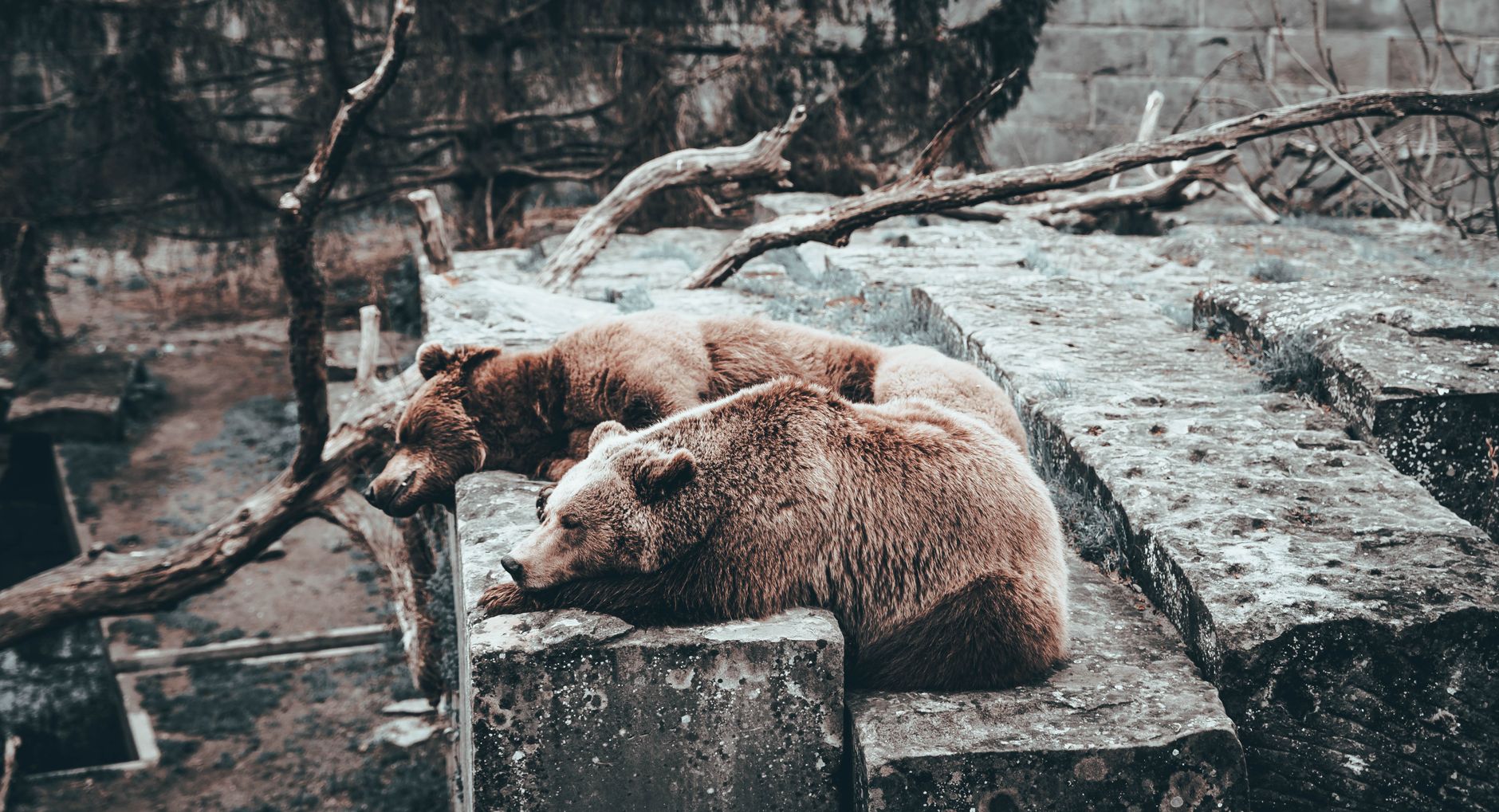
Today the valley holds a ski resort linked to Lenzerheide, a bear sanctuary that opened in 2020, the oldest building in town — the Bergkirchli chapel, finished around 1492 — and a railway that arrives from Chur in just over an hour aboard the Rhaetian Railway.
💛 What travellers fall for
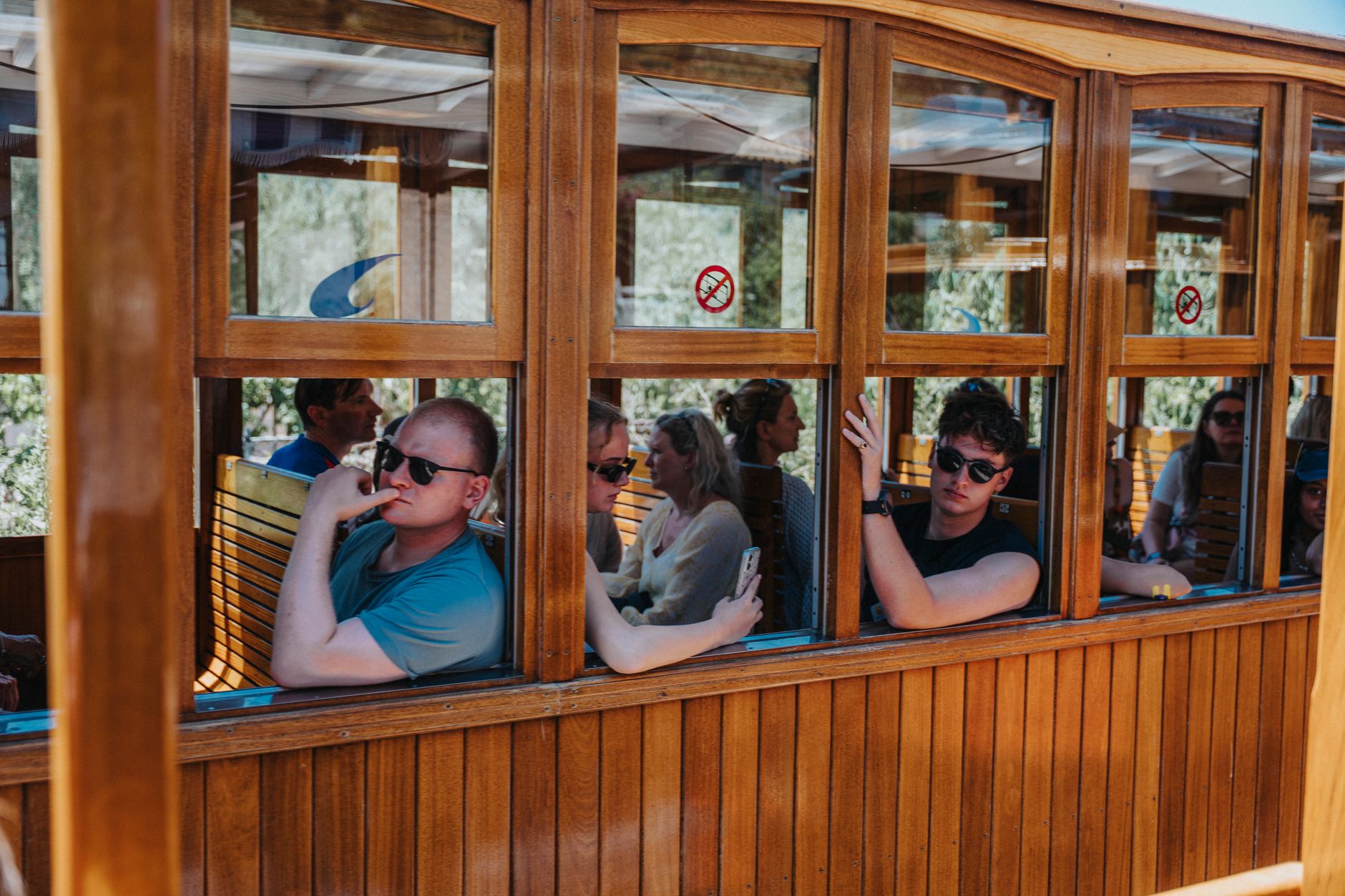
People who return tend to mention the train first — the Chur–Arosa line is the kind of ride you take slowly on purpose, watching the gorges open and close outside the window. They also mention the free local buses, which makes the whole valley feel genuinely walkable without a car. And sooner or later, someone brings up the Maran dairy and its cheese.
Experiences you don't want to miss



Deals in Arosa
Book directly at the provider
How Arosa came to be
The name appears in documents as early as 1330 — first as 'Araus', then 'Orossen', settling into 'Arosa' by 1428. Walser settlers, German-speaking migrants from Davos, moved in after 1300 and displaced the Romansh-speaking population. For centuries the village remained isolated; the road from Chur wasn't completed until 1890.
The modern resort took shape in 1888 when Dr. Otto Herwig opened the first sanatorium, drawing patients who needed altitude and clean air. Arthur Conan Doyle wrote about skiing in the area for The Strand in 1894, pulling British visitors toward the Swiss Alps. The Chur–Arosa railway followed in 1914, and at Christmas 1925, Erwin Schrödinger was staying here when he worked out the equations of wave mechanics.
Who and what shaped it
People who shaped it
Landmark buildings
See Arosa in motion
Plan your visit
On the map
When to go
Winters are cold and snowy, with reliable ski conditions from December through March; the valley's elevation keeps temperatures well below the Chur floor. Summers are noticeably cooler than the lowlands — warm enough to hike in a light layer, cold enough at night that you'll want one more.
Right now
Background & history adapted from Wikipedia (CC BY-SA) · specs from Wikidata (CC0) · weather from Open-Meteo · map data © OpenStreetMap contributors · photos from Wikimedia Commons / Unsplash with per-image credit. No third-party reviews or social posts reproduced.