
Arica
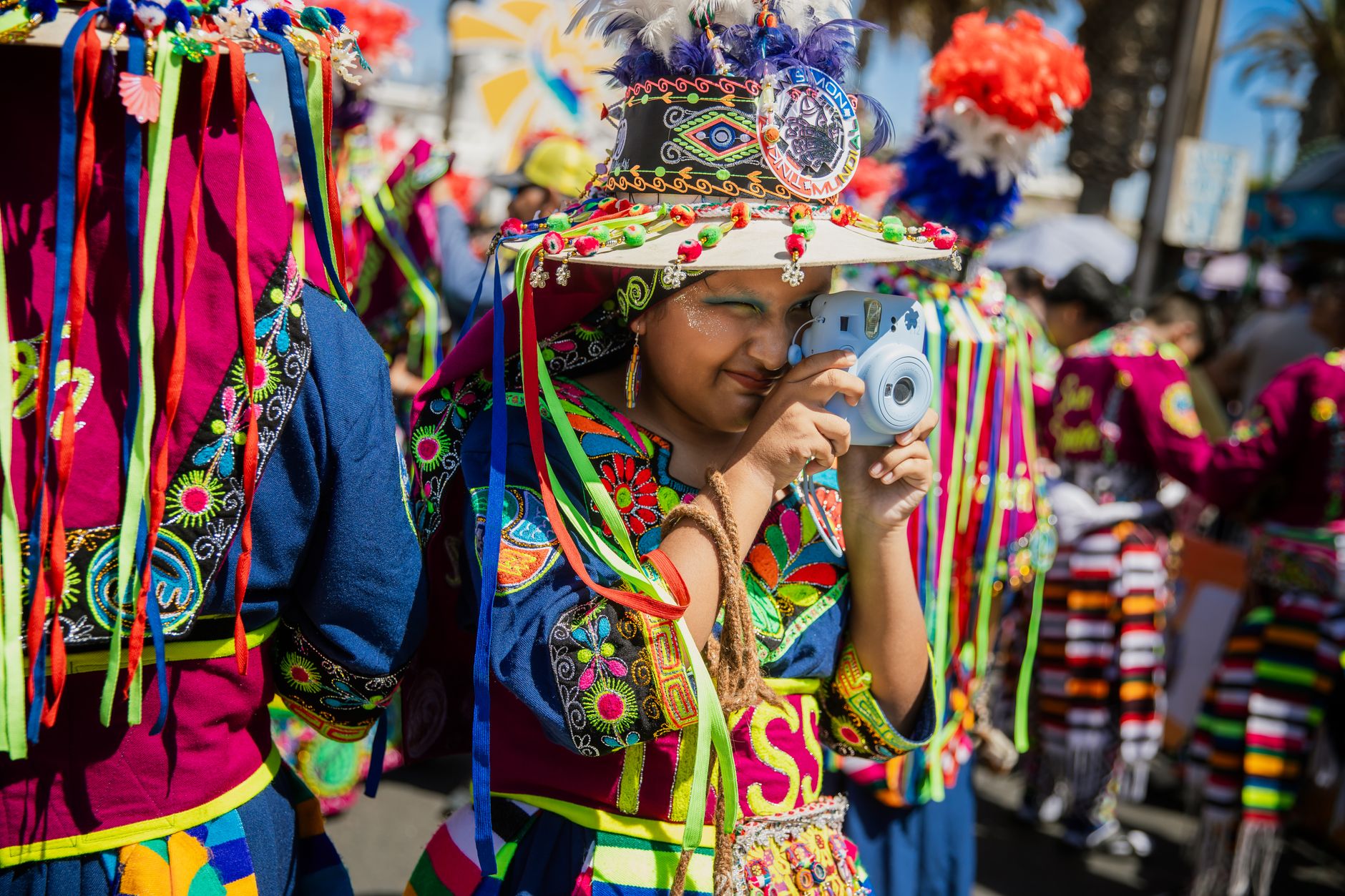
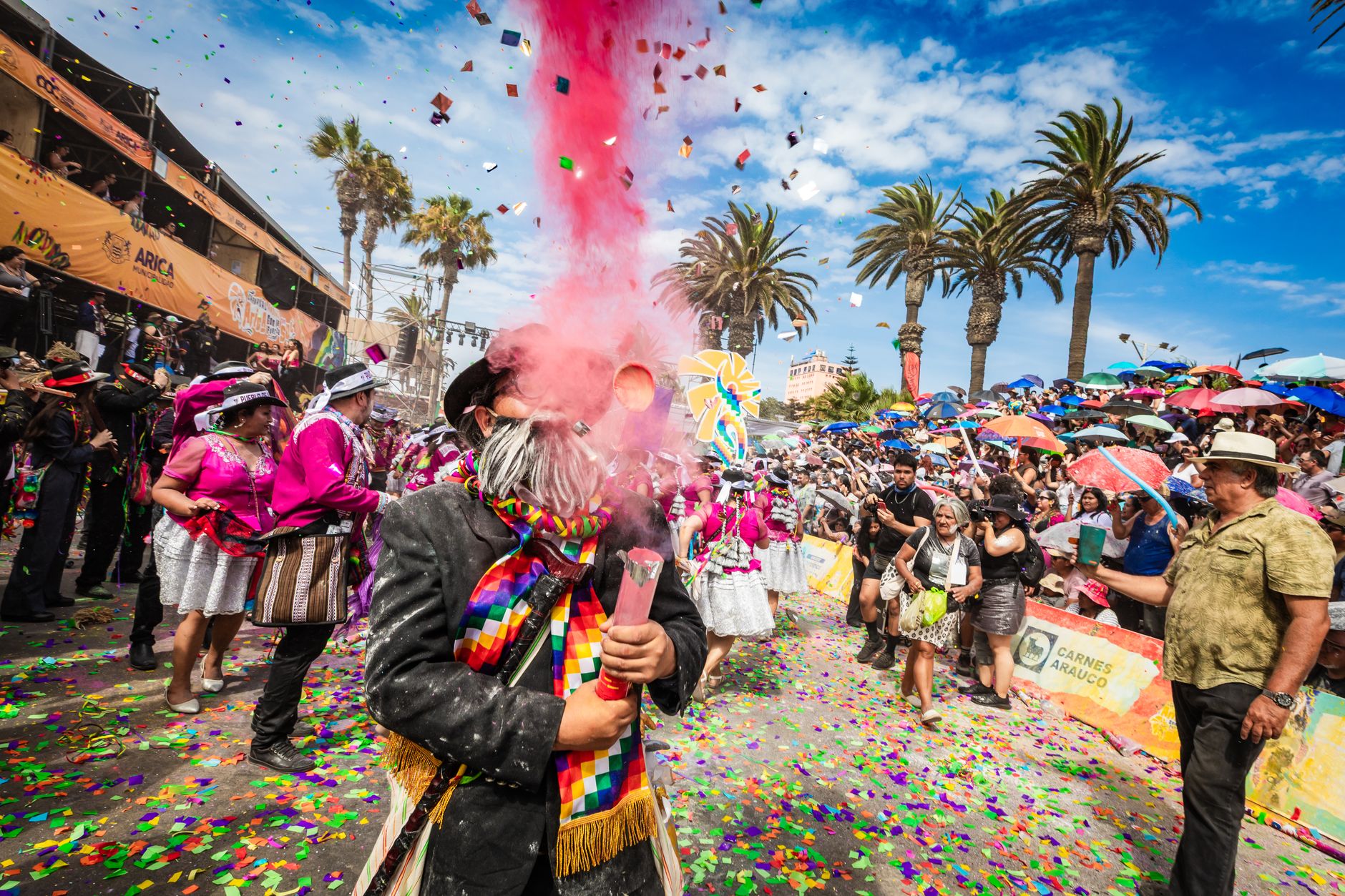
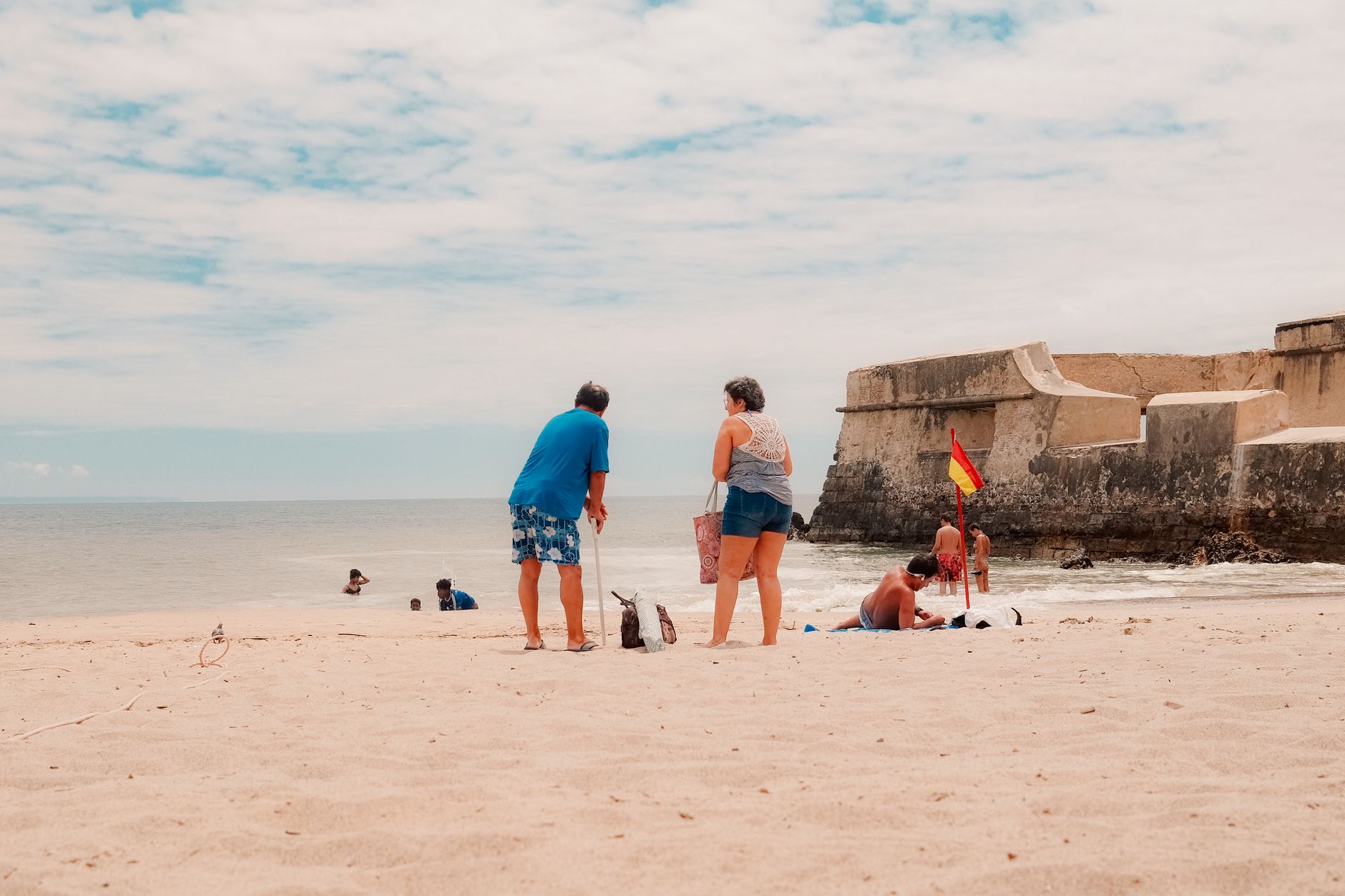
Arica sits at the very top of Chile, pressed between the Pacific and the Atacama, where the desert simply runs out of land and drops into the sea. The city's most striking landmark is El Morro — a sheer headland that rises abruptly from the shore — but look down from it and you'll count more than twenty kilometres of beaches strung south along the coast. The Chinchorro people were here thousands of years before the Spanish arrived in 1541, and their mummies, some of the oldest in the world, are kept at the Museo Arqueológico San Miguel de Azapa a few kilometres inland.
At the centre of the city stands the Catedral de San Marcos, a prefabricated iron church designed by Gustave Eiffel and inaugurated in 1876 — built to replace what the 1868 earthquake and tsunami erased. Arica carries that layered quality: Peruvian until 1880, Chilean by treaty in 1929, and still, in certain corners, somewhere between the two.
💛 What travellers fall for
People who come back tend to mention the same things: the early-morning light on El Morro before the tour groups arrive, the Chinchorro mummies at Azapa being far more affecting than you'd expect, and the strange pleasure of the free-trade zone for stocking up on things you didn't know you needed. The beaches at El Laucho and La Lisera are calmer than Las Machas to the north.
Experiences you don't want to miss




Deals in Arica
Book directly at the provider

How Arica came to be
Lucas Martínez Vegazo founded the city as San Marcos de Arica on 25 April 1541, though the land had been inhabited for millennia — the Chinchorro culture practised mummification here at least 2,000 years before the Egyptians. Francis Drake raided the port in 1579. The 1868 earthquake levelled most of the colonial fabric, which is why the cathedral that replaced it is iron, shipped in pieces from Eiffel's workshop.
Arica spent most of its history as a Peruvian city, and the War of the Pacific settled that violently. On 7 June 1880, Chilean general Pedro Lagos took El Morro in 55 minutes; Peruvian colonel Francisco Bolognesi, who had been offered terms of surrender two days earlier at the house that still bears his name, died in the fighting — his refusal, 'until the last cartridge,' is still quoted. Chile and Peru didn't formally resolve the city's legal status until 1929. The Bolognesi House itself remains Peruvian government property to this day.
Who and what shaped it
People who shaped it
Landmark buildings
See Arica in motion
Plan your visit
On the map
When to go
Summers from December to March are warm and reliably sunny — the best time for the beaches. From June through September, cool temperatures arrive with coastal mists and overcast skies, which soften the light but make swimming less appealing.
Right now
Background & history adapted from Wikipedia (CC BY-SA) · specs from Wikidata (CC0) · weather from Open-Meteo · map data © OpenStreetMap contributors · photos from Wikimedia Commons / Unsplash with per-image credit. No third-party reviews or social posts reproduced.