
Antofagasta
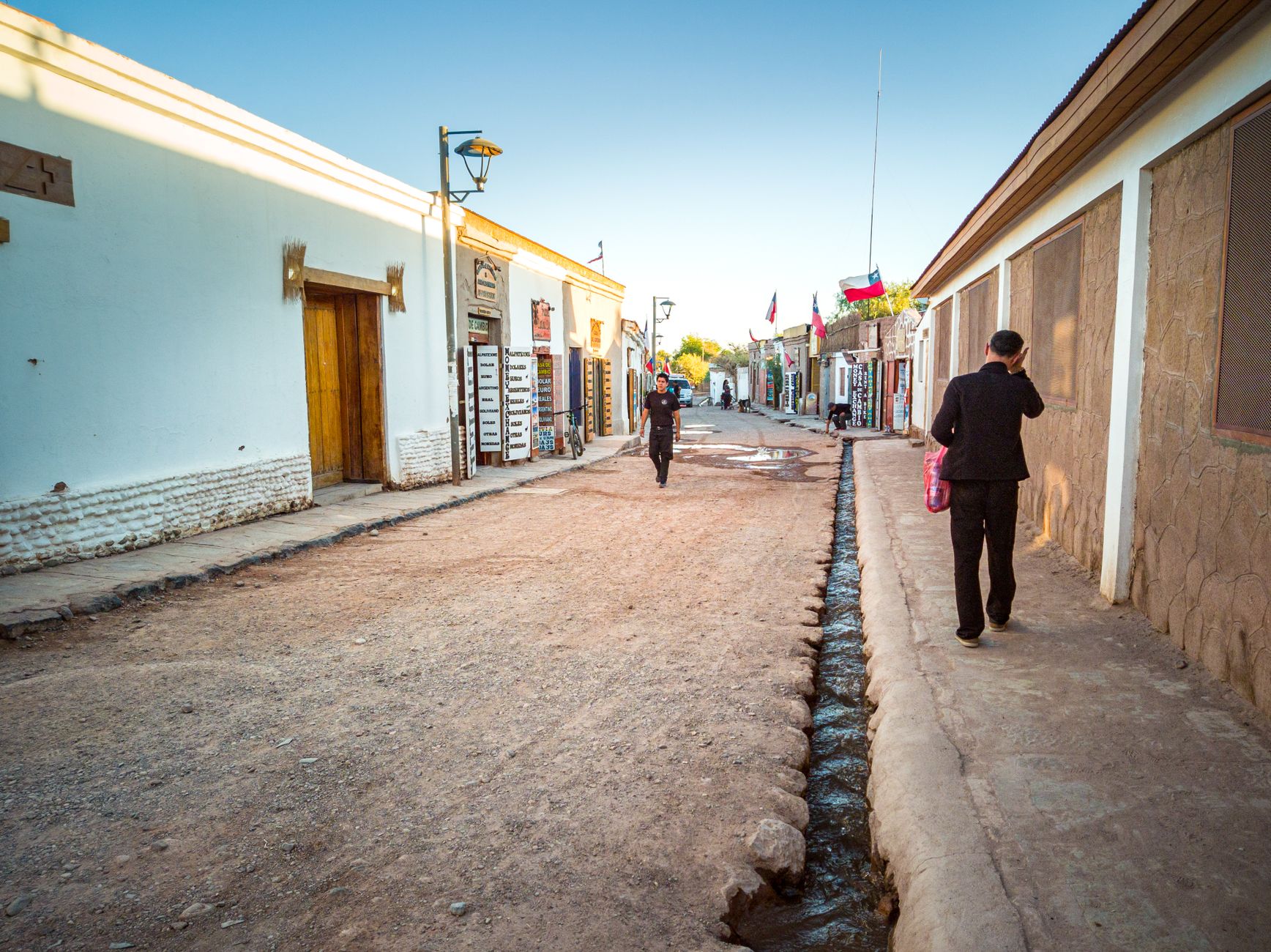
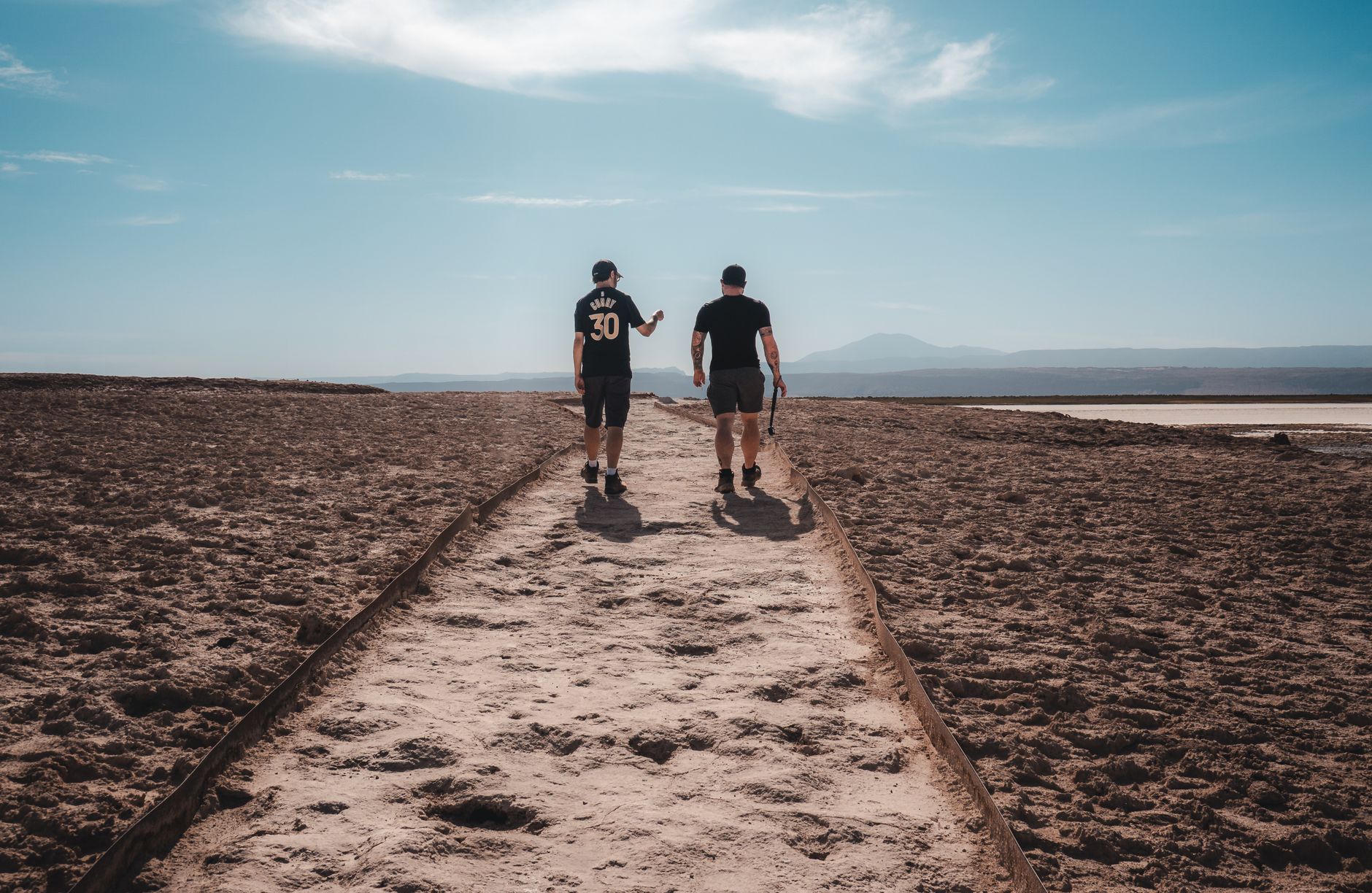
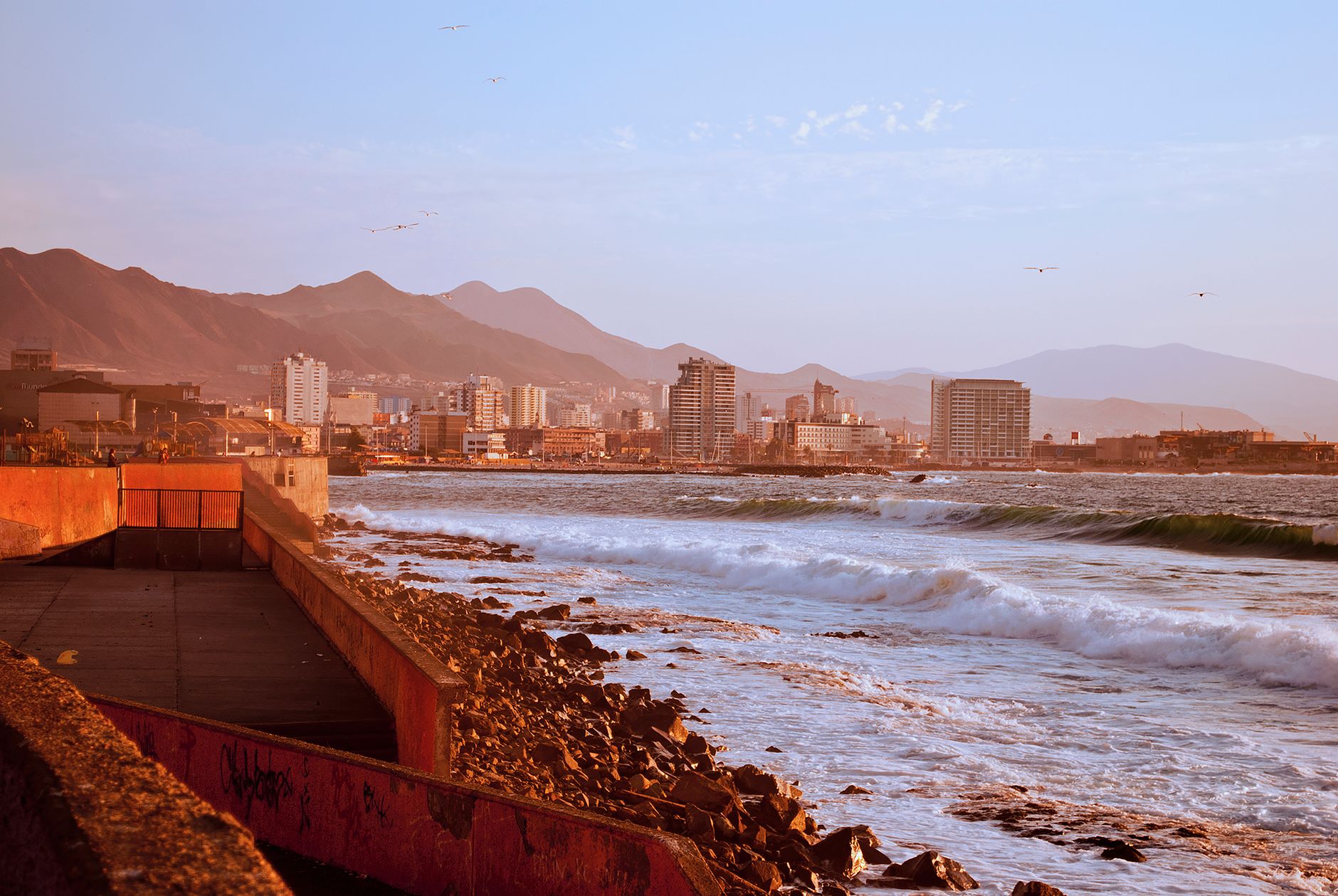
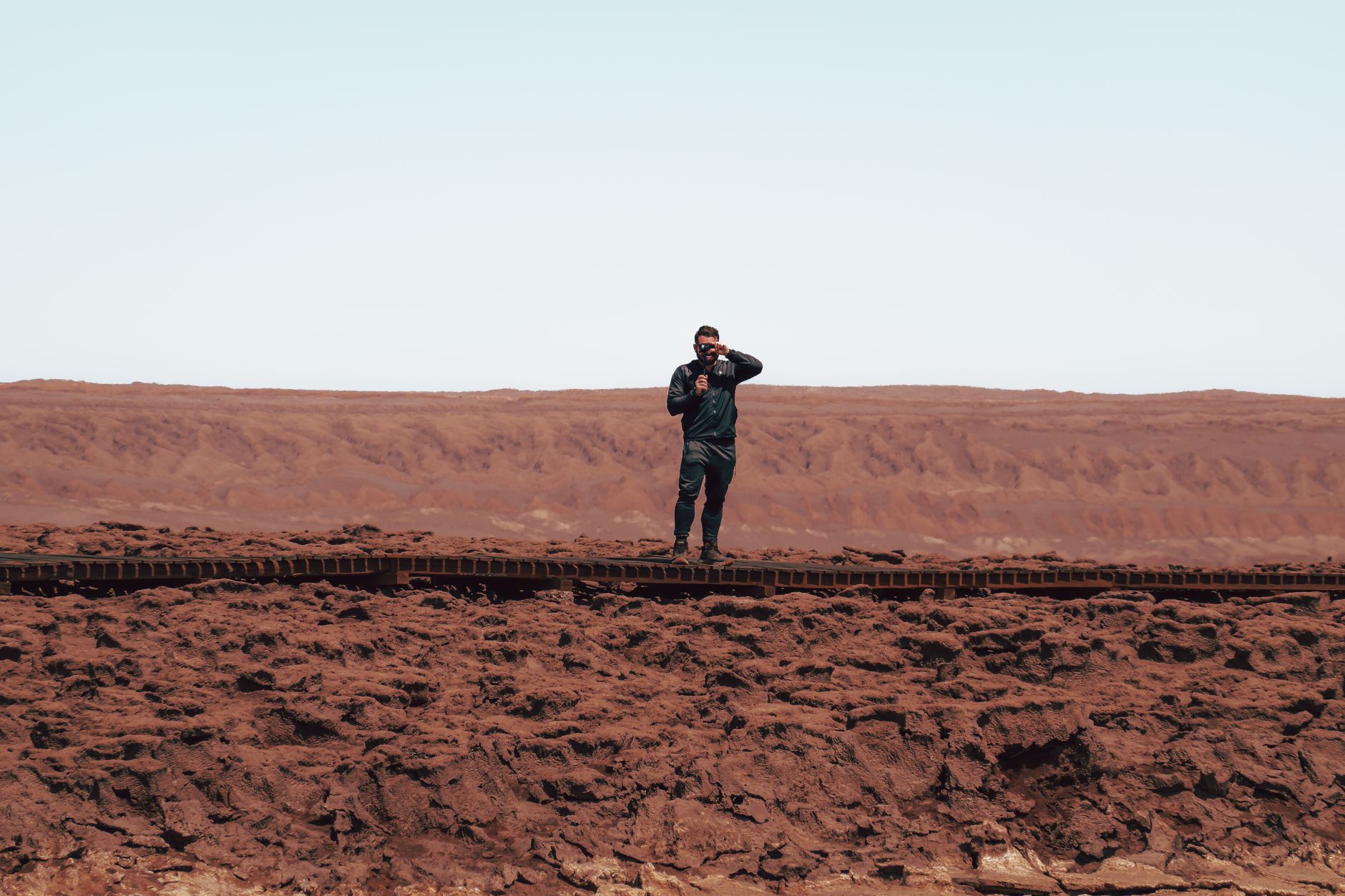
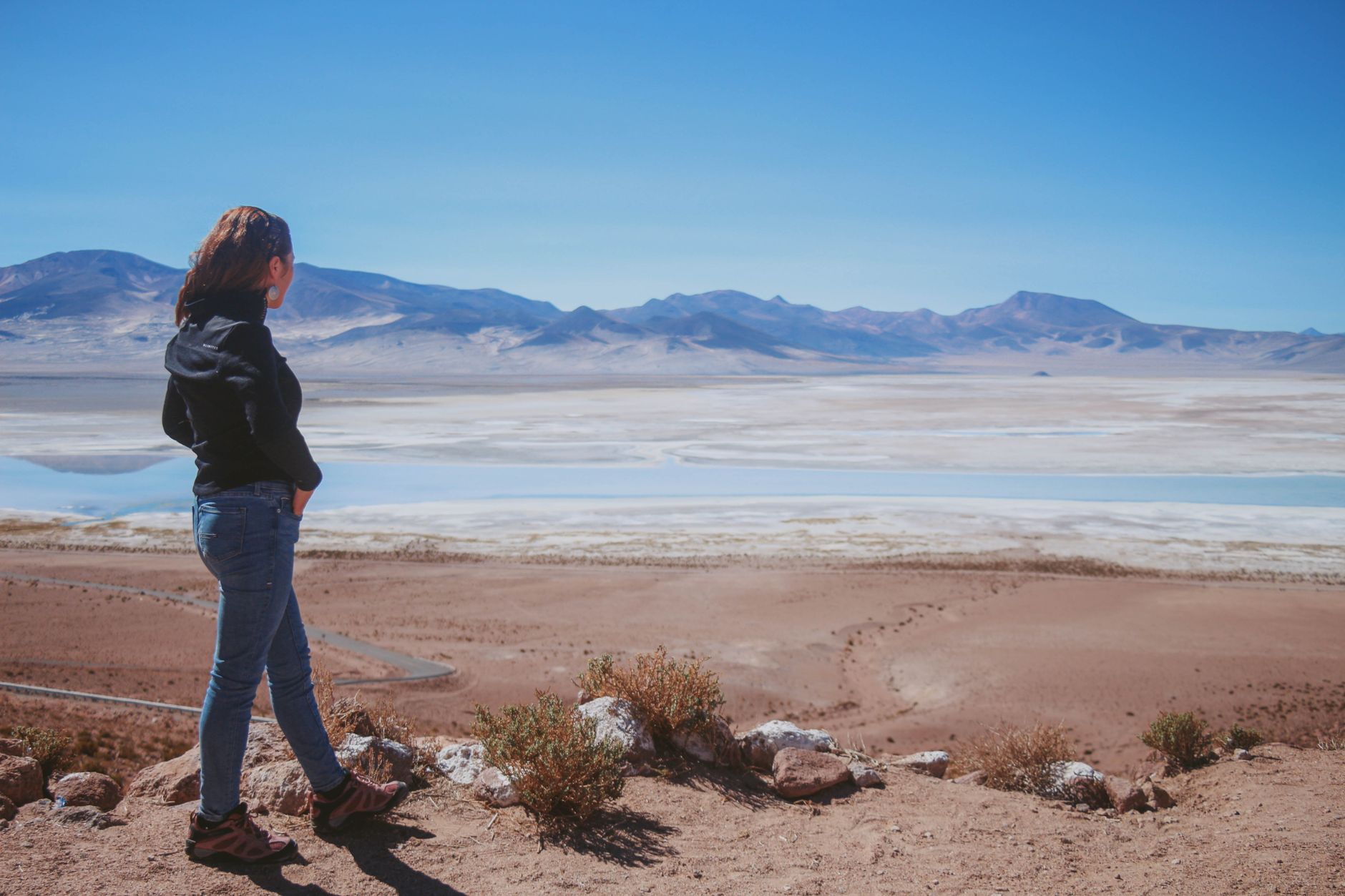
Antofagasta sits at the edge of the driest place on earth, facing the Pacific with a kind of matter-of-fact confidence. The city grew out of nitrate and copper — minerals that made fortunes, started a war, and left behind a layered skyline of Victorian-era warehouses, a clock tower modelled on Big Ben, and the ruined silver-smelting works at Huanchaca standing silent against the coastal hills.
About 18 kilometres north, La Portada — a sea arch carved by marine erosion over millions of years — rises 40 to 50 metres above the water. You can stand at the cliff-edge viewpoint and watch the surf push through the gap in the volcanic rock. That contrast, industrial city and ancient geology, defines the place.
💛 What travellers fall for
People who come back tend to time the Ruinas de Huanchaca for late afternoon, when the low sun turns the stone walls amber. The Regional Museum on Av. Balmaceda is worth the Tuesday-to-Sunday window — the ethnographic rooms on coastal-desert cultures are the least-skipped section among those who actually go in.
Experiences you don't want to miss


Deals in Antofagasta
Book directly at the provider

How Antofagasta came to be
The site was known as Peñas Blancas — White Rocks — when the Bolivian government founded a settlement here on October 22, 1868, two years after granting a nitrate concession to José Santos Ossa and Francisco Puelma. The name Antofagasta came in 1871, borrowed from a distant Argentine village. On February 14, 1879, Chilean forces occupied the port, an act that ignited the War of the Pacific. The border question was not settled until the 1904 Treaty of Peace and Friendship.
The saltpeter boom shaped everything that followed: the Ferrocarril de Antofagasta a Bolivia railway (founded 1888), the Huanchaca smelting plant (built the same year, closed 1902), and the British community large enough to erect a clock tower in Plaza Colón in 1912. Writer Antonio Skármeta — whose novel became the film Il Postino — was born here, as was the industrialist Andrónico Luksic in 1926.
Who and what shaped it
People who shaped it
Landmark buildings
See Antofagasta in motion
Plan your visit
On the map
When to go
Antofagasta averages just one millimetre of rain a year, so the risk of a ruined day is essentially zero. Summers (December–March) are warm and sunny, with February highs around 26°C; winters bring cool temperatures, coastal fog, and overcast mornings that usually clear by midday.
Right now
Background & history adapted from Wikipedia (CC BY-SA) · specs from Wikidata (CC0) · weather from Open-Meteo · map data © OpenStreetMap contributors · photos from Wikimedia Commons / Unsplash with per-image credit. No third-party reviews or social posts reproduced.