
Angoulême
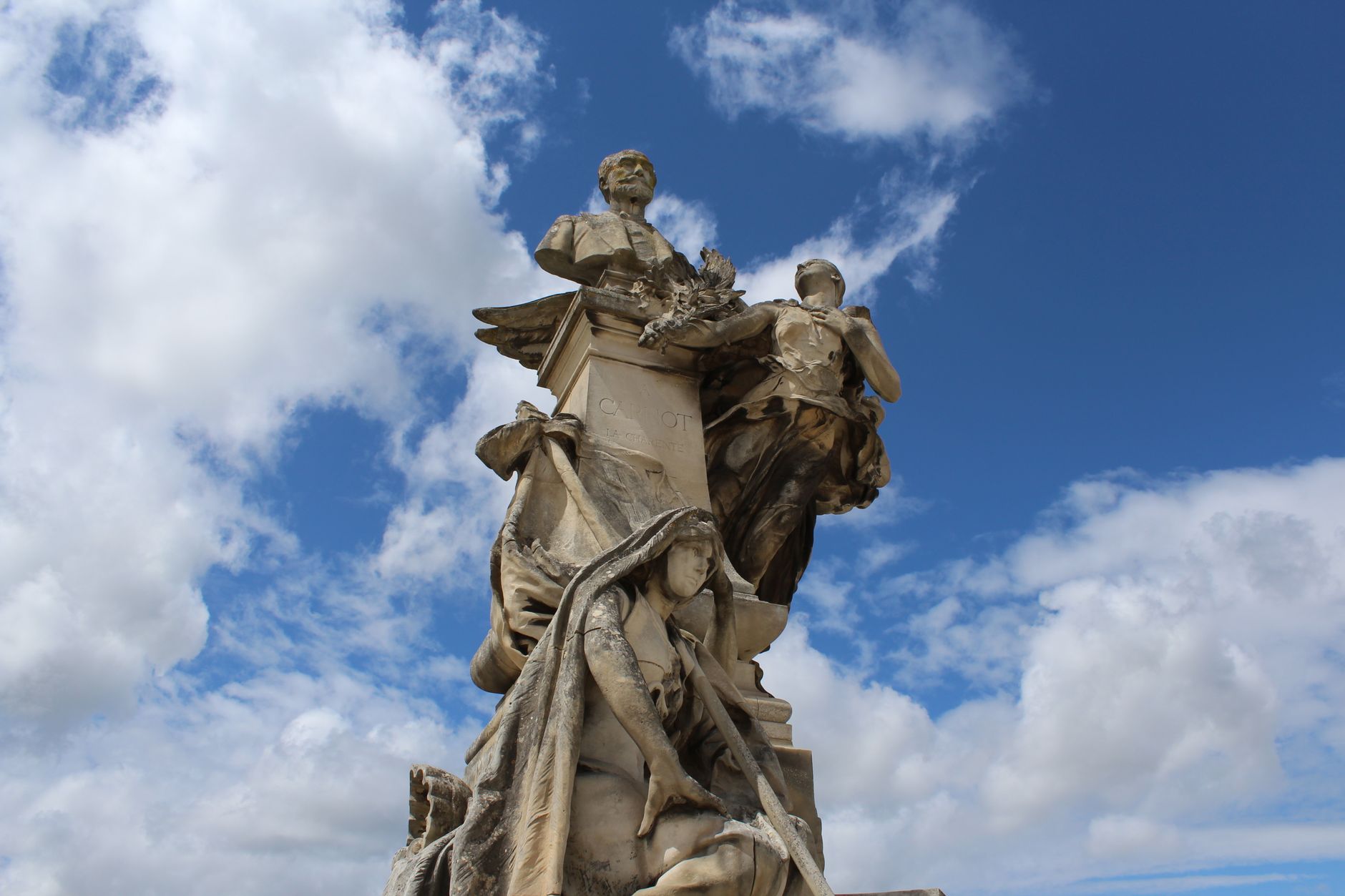
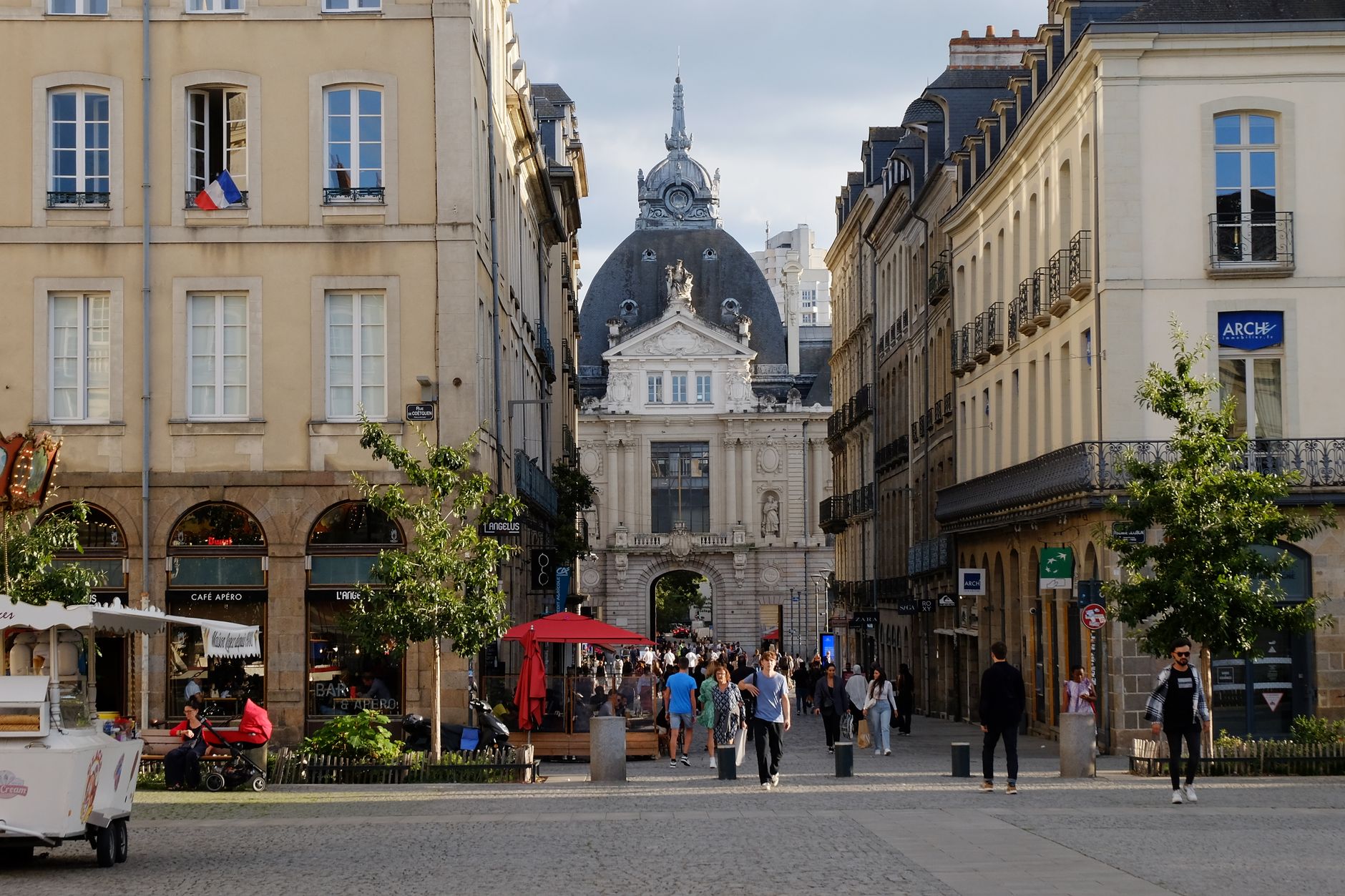



Angoulême sits high on a limestone plateau above the Charente river, and that elevation explains almost everything about it. The old town spreads across the promontory like a ship's deck, ringed by 4th-century ramparts that function today as a free, open-air walkway with long views over the valley below. The cathedral of Saint-Pierre — Romanesque, domed, its facade crowded with carved figures — anchors one end of the upper town, while a 19th-century town hall quietly incorporates two medieval towers from the castle where Margaret of Angoulême was born.
Angoulême is also, unexpectedly, the world capital of the comic strip. The Cité Internationale de la Bande Dessinée draws serious collectors and curious browsers alike, and the annual festival it anchors has shaped the town's identity as much as its paper mills once did.
💛 What travellers fall for
People who come back tend to mention the ramparts walk at dusk, when the Charente catches the last light. They also point to the covered Halles — iron and glass, 1886, listed — for a weekday morning coffee, and to the cathedral treasury redesigned by Jean-Michel Othoniel, which most first-timers walk past without realising it's there.
Experiences you don't want to miss


Deals in Angoulême
Book directly at the provider

How Angoulême came to be
The plateau was occupied long before Rome arrived — a pre-Roman settlement called Iculisma stood here, and by the late 3rd or 4th century the site had become a Roman civitas capital with its first fortress. Clovis took it from the Visigoths in 507, and the counts of Angoulême held it from the 9th century onward. The Hundred Years' War pulled it between French and English hands: the Treaty of Brétigny handed it to England in 1360, John Chandos took formal possession the following year, and Charles V's forces reclaimed it in 1373.
By the 16th century the town had a different kind of fame. Francis I — count of Angoulême before he became king — sent Giovanni da Verrazzano across the Atlantic in 1524; Verrazzano named the site of present-day New York 'Land of Angoulême' in his honour. The Wars of Religion left marks too: Protestant forces destroyed one of the cathedral's bell towers in 1568, a vacancy the building still carries in its floor plan.
Who and what shaped it
People who shaped it
Landmark buildings
See Angoulême in motion
Plan your visit
On the map
When to go
Summers are warm and mostly sunny, with highs around 27°C in August and a chance of heavy afternoon showers that can turn stormy by September. Autumn cools quickly and brings more rain; spring is mild and reliable, making April through June the most straightforward time to spend long hours outside on the ramparts.
Right now
Background & history adapted from Wikipedia (CC BY-SA) · specs from Wikidata (CC0) · weather from Open-Meteo · map data © OpenStreetMap contributors · photos from Wikimedia Commons / Unsplash with per-image credit. No third-party reviews or social posts reproduced.