
Andermatt
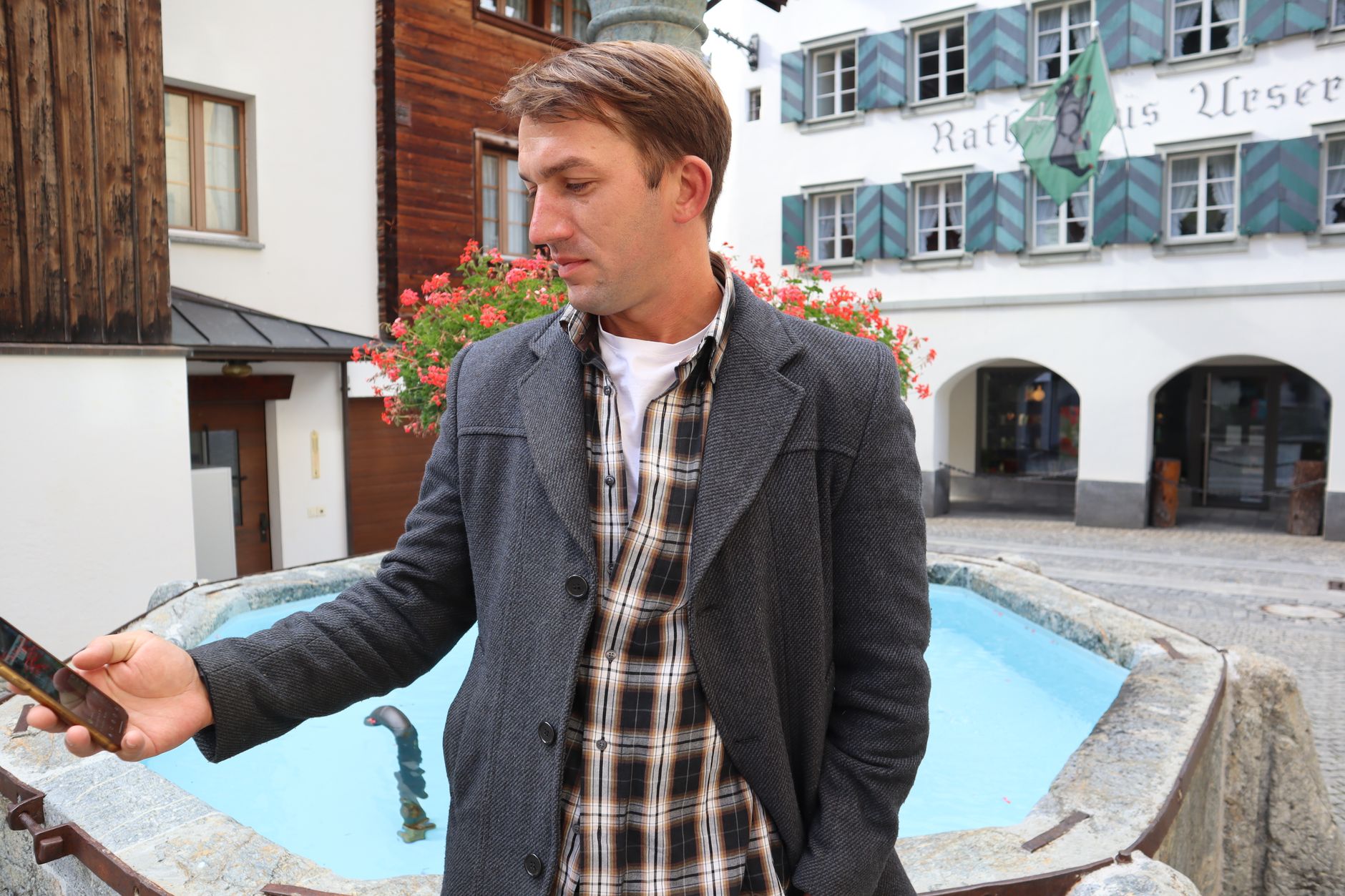
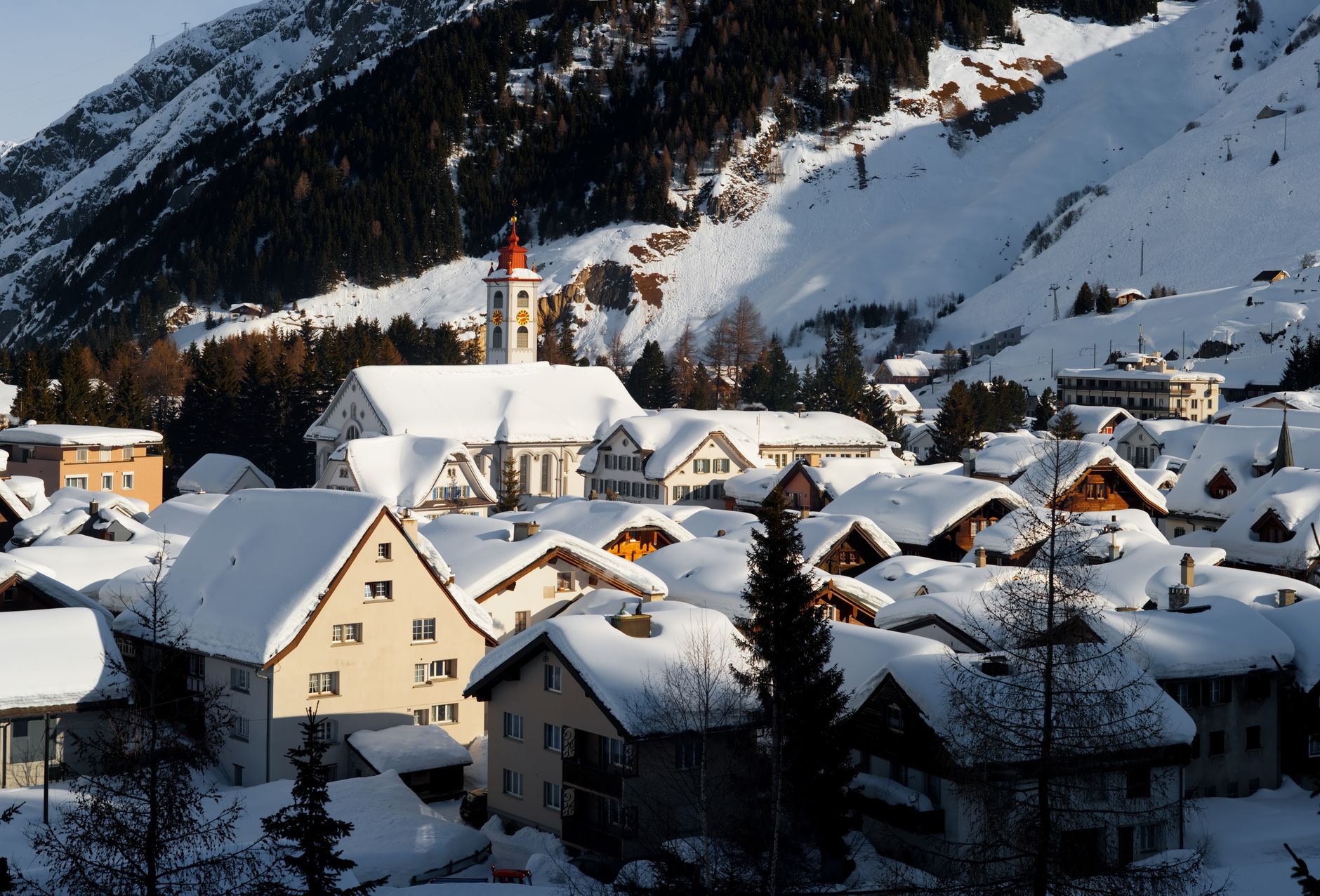
Andermatt sits at 1,444 metres in the Uri Alps, where three major Alpine passes — the Gotthard, the Furka and the Oberalp — converge in a single high valley. For centuries that geography made it indispensable: first to medieval traders picking their way north over the St Gotthard, then to Swiss military strategists who turned the whole town into a garrison.
Since 2009, a different kind of ambition has been reshaping the place. Egyptian developer Samih Sawiris, invited initially through a contact at the Swiss defence ministry, won a village referendum with 96% approval and began one of the most watched resort transformations in the Alps. The result is a town holding two timelines at once: rococo townhouses and a parish church from 1602 on one street; a 650-seat concert hall and a five-star hotel on the next.
💛 What travellers fall for
People who come back tend to mention the same detail: the Andermatt Concert Hall's origin story. Christina Seilern's studio took an existing underground concrete box, lifted the roof, and opened the inaugural season with the Berlin Philharmonic in 2019. Catching a performance there, then walking back through the stone-paved Gotthardstrasse in the dark, is the kind of evening that justifies the train ride alone.
Experiences you don't want to miss


Deals in Andermatt
Book directly at the provider

How Andermatt came to be
People have camped in this valley since around 4000 BCE, but Andermatt's real story begins around 1200 CE, when the Schöllenen Gorge route was opened and the village found itself on the main path across the Gotthard. The first Teufelsbrücke — Devil's Bridge — went up in 1220 to span the gorge north of town. By 1818 the road was viable for stagecoaches, and Andermatt grew into a modest spa stop for travellers crossing between northern and southern Europe.
The 1881 opening of the Gotthard railway tunnel, bored through the mountain rather than over it, redirected traffic and commerce away from the village. What saved Andermatt's economy instead was the Swiss army, which kept a substantial garrison here through most of the 20th century. When military activity wound down sharply after 2004, the town faced a reckoning — resolved, eventually, through Sawiris's development project and a landslide vote of local approval.
Who and what shaped it
People who shaped it
Landmark buildings
See Andermatt in motion
Plan your visit
On the map
When to go
The mean yearly temperature sits just above freezing at 0.5°C, and January averages drop to around -11°C overnight — pack accordingly for any winter visit. Summers are short and cool, with July highs reaching only 17°C, which makes the valley a genuine escape from lowland heat but means an extra layer is always worth carrying.
Right now
Background & history adapted from Wikipedia (CC BY-SA) · specs from Wikidata (CC0) · weather from Open-Meteo · map data © OpenStreetMap contributors · photos from Wikimedia Commons / Unsplash with per-image credit. No third-party reviews or social posts reproduced.