
Amstelveen
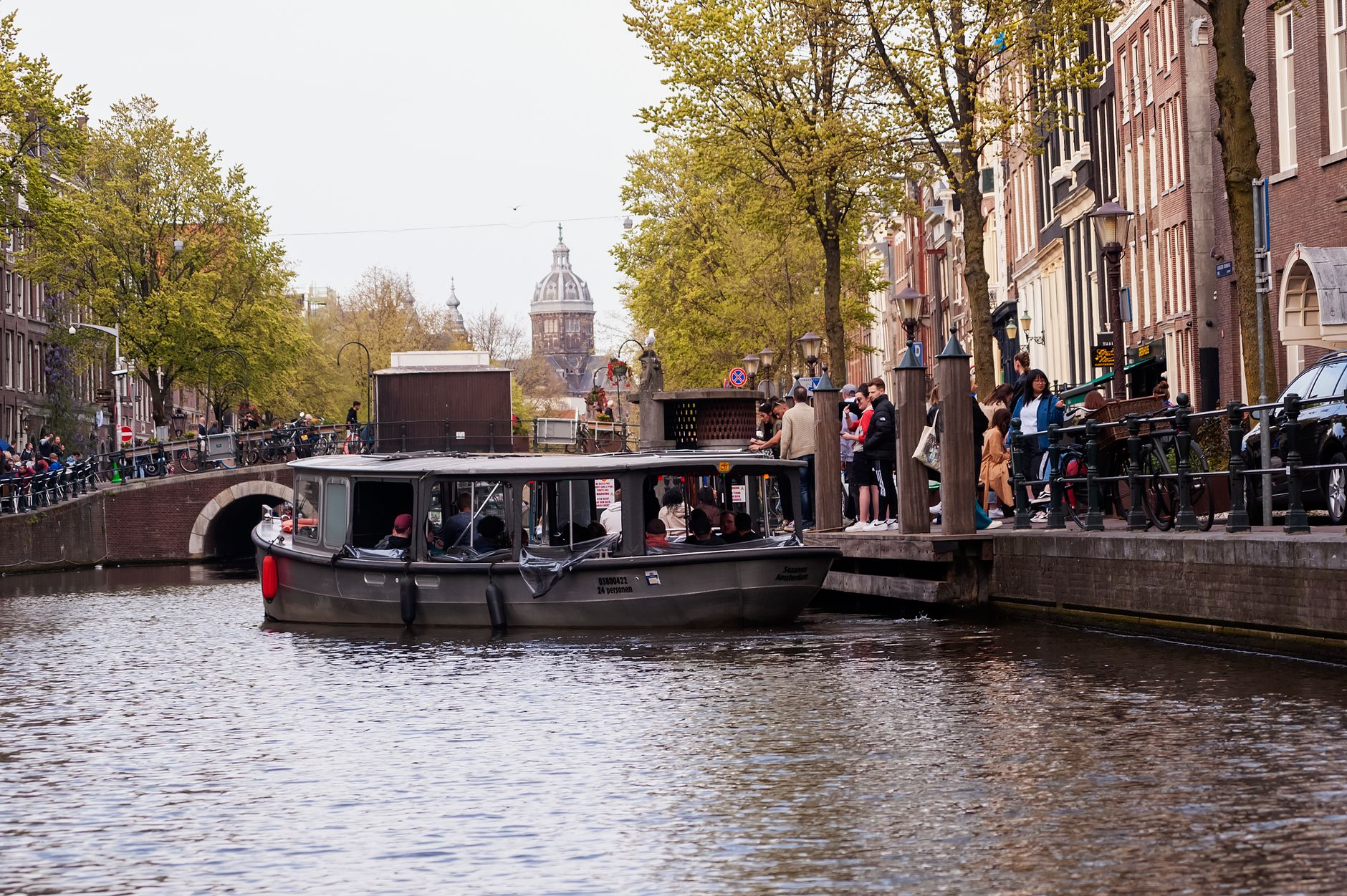

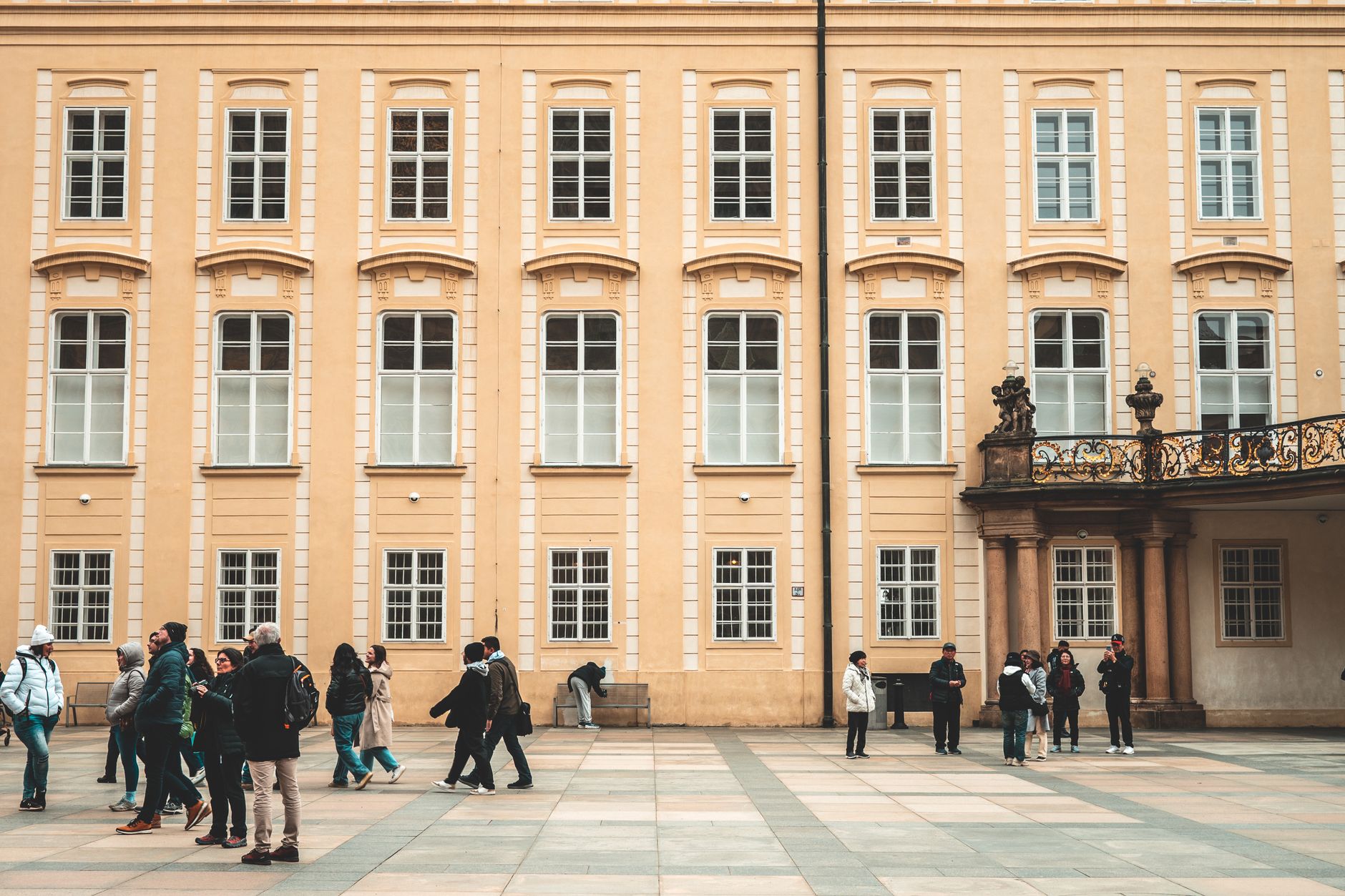
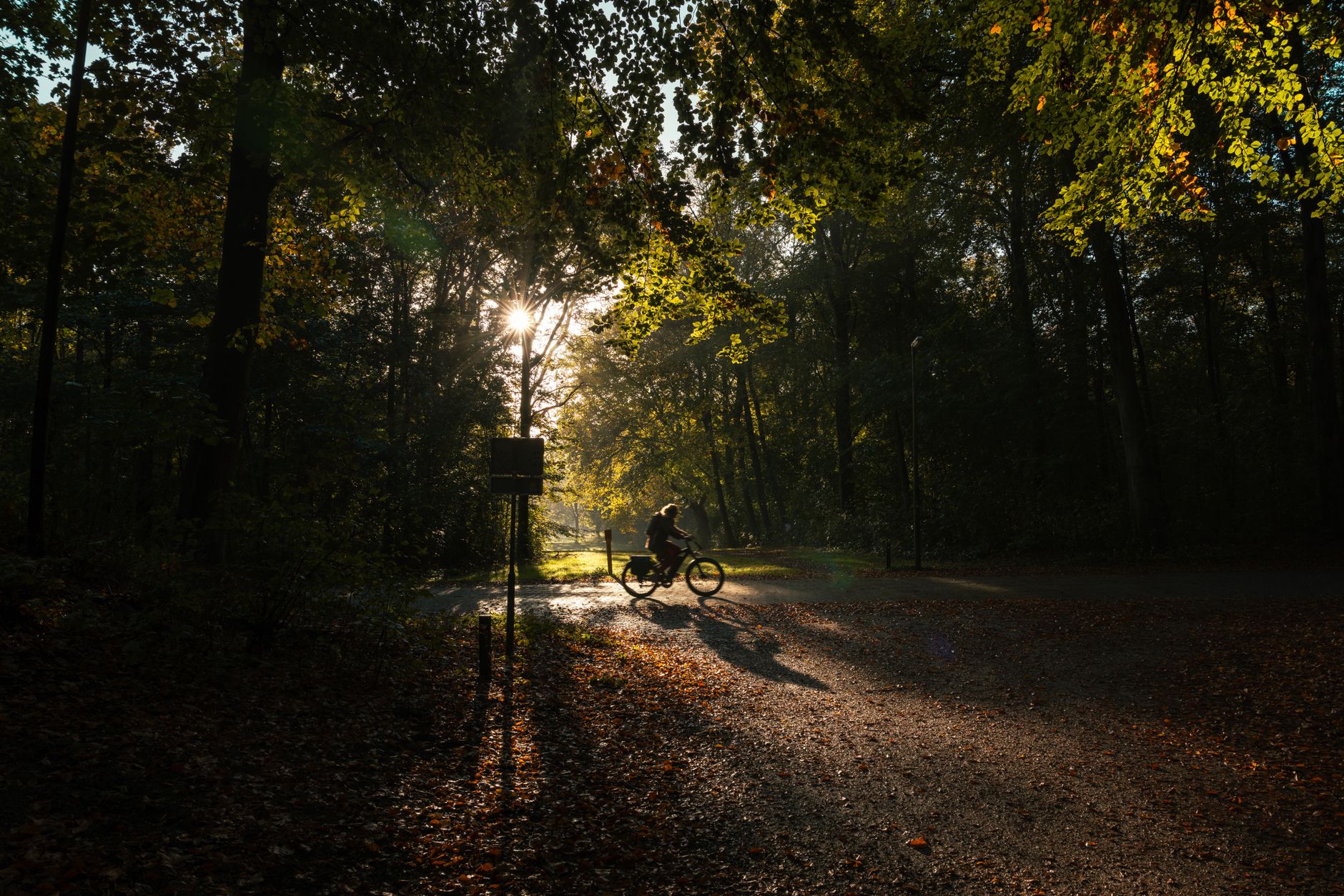
Amstelveen sits just south of Amsterdam, close enough to share a tram line but distinct enough to have its own civic personality. The name gives you the landscape in two syllables: Amstel, the river, and veen, the peat fen that once defined this flat, waterlogged corner of the Netherlands. What grew here instead of Amsterdam is quieter, greener, and more deliberate — a city shaped as much by its sixteen heemparks, where native Dutch flora is cultivated with near-scientific care, as by the flight paths overhead.
Schiphol's proximity pulled people and companies here across the twentieth century, and KLM still anchors part of the city's identity. But walk into the Thijssepark or duck into the Kleine Sjoel on Randwijcklaan and you find a place that has held onto smaller, more personal histories alongside the corporate ones.
💛 What travellers fall for
People who come back tend to time it around the Cobra Museum — not just for the collection but for the way it reframes a whole postwar moment in European art. The Thijssepark is the other constant: regulars bring a slow morning and nothing else. Tram 25 from Amsterdam Zuid makes the whole thing easy to fold into a longer trip.
Experiences you don't want to miss



Deals in Amstelveen
Book directly at the provider


How Amstelveen came to be
The area now called Amstelveen was founded in 1278 under the name Nieuwer-Amstel — a settlement carved from peat fen along the Amstel river. For centuries it remained in Amsterdam's shadow, and the tension was literal: in 1892, fearing annexation, the municipality built a town hall deliberately close to the Amsterdam border as a statement of independence. It didn't hold entirely — by 1896, Amsterdam had absorbed the northern, most populous section anyway.
The twentieth century reshaped what remained. Fort Schiphol became a military airfield in 1916 and a civilian airport four years later, and the gravitational pull of that growth drew residents and businesses southward. By the 1960s, Amstelveen was one of the fastest-growing cities in the Netherlands. The municipality finally shed the old name Nieuwer-Amstel in 1964, becoming officially what people had been calling it for years.
Who and what shaped it
People who shaped it
Landmark buildings
See Amstelveen in motion
Plan your visit
On the map
When to go
Summer — June through September — is when Amstelveen is easiest to enjoy, with temperatures between 20°C and 22°C and enough dry days to make the parks worthwhile. October through March brings persistent rain and cold that can dip below 3°C in the depths of January and February; pack accordingly, or lean into the museums.
Right now
Background & history adapted from Wikipedia (CC BY-SA) · specs from Wikidata (CC0) · weather from Open-Meteo · map data © OpenStreetMap contributors · photos from Wikimedia Commons / Unsplash with per-image credit. No third-party reviews or social posts reproduced.