
Amrum
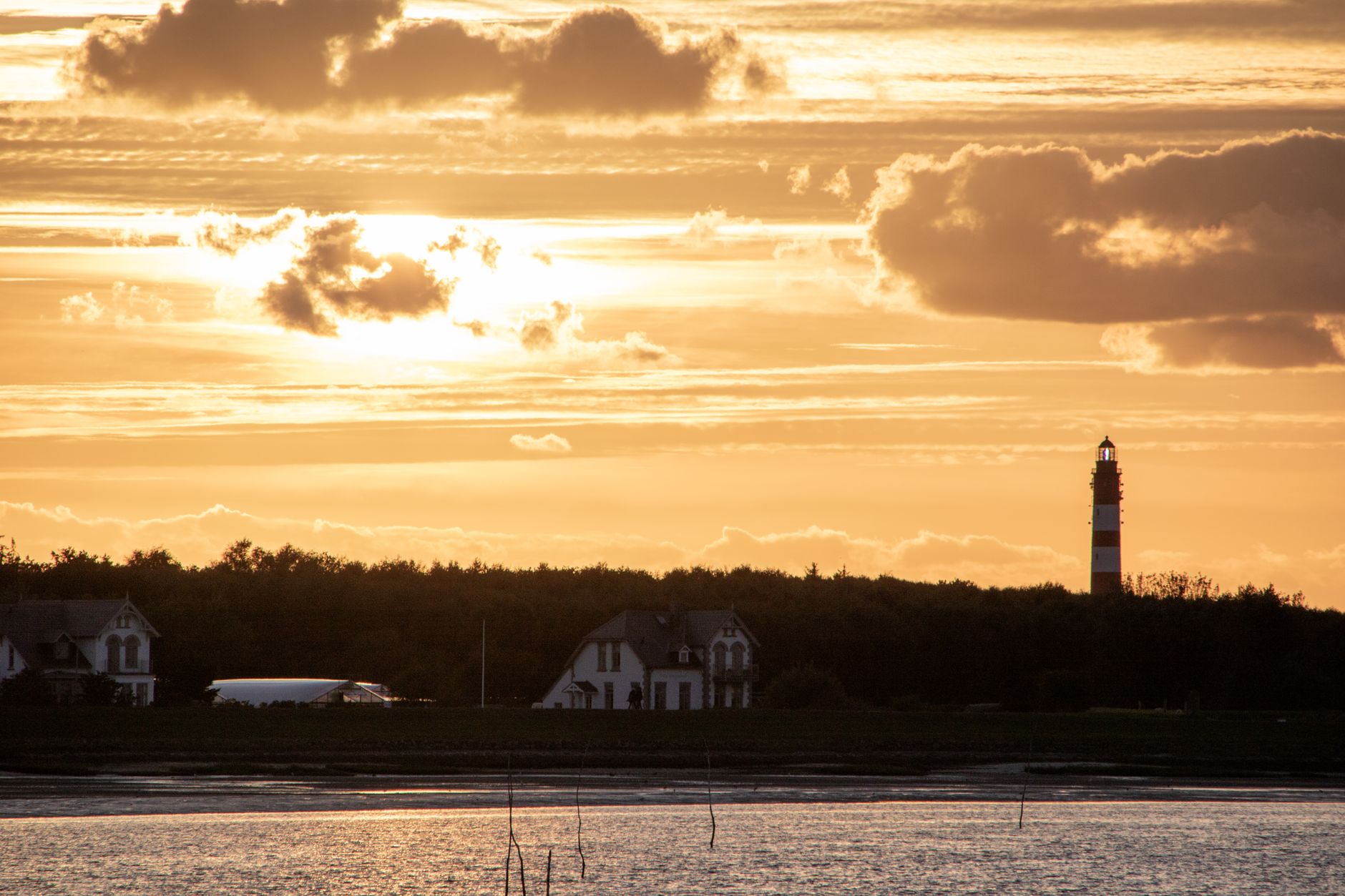
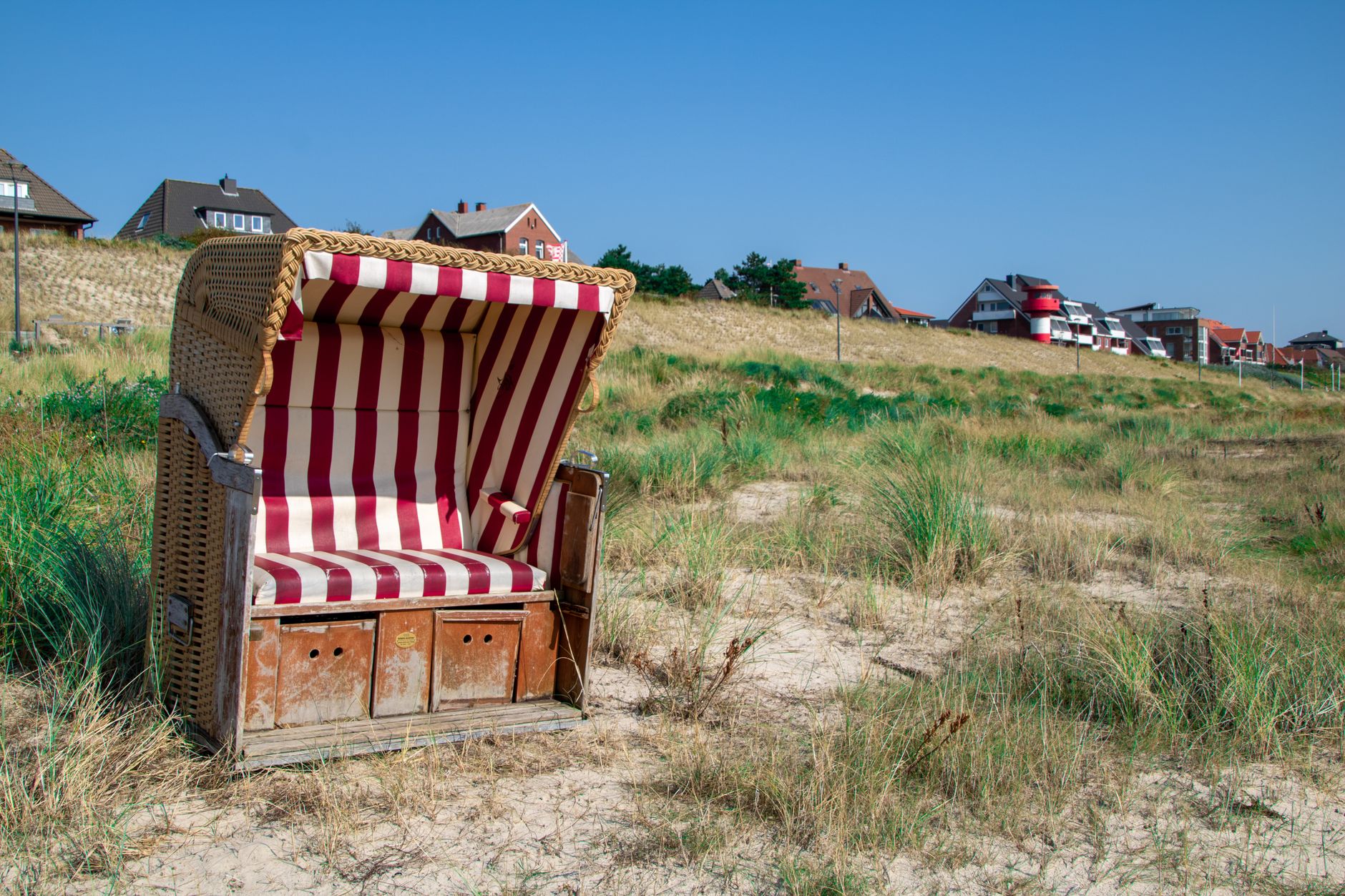
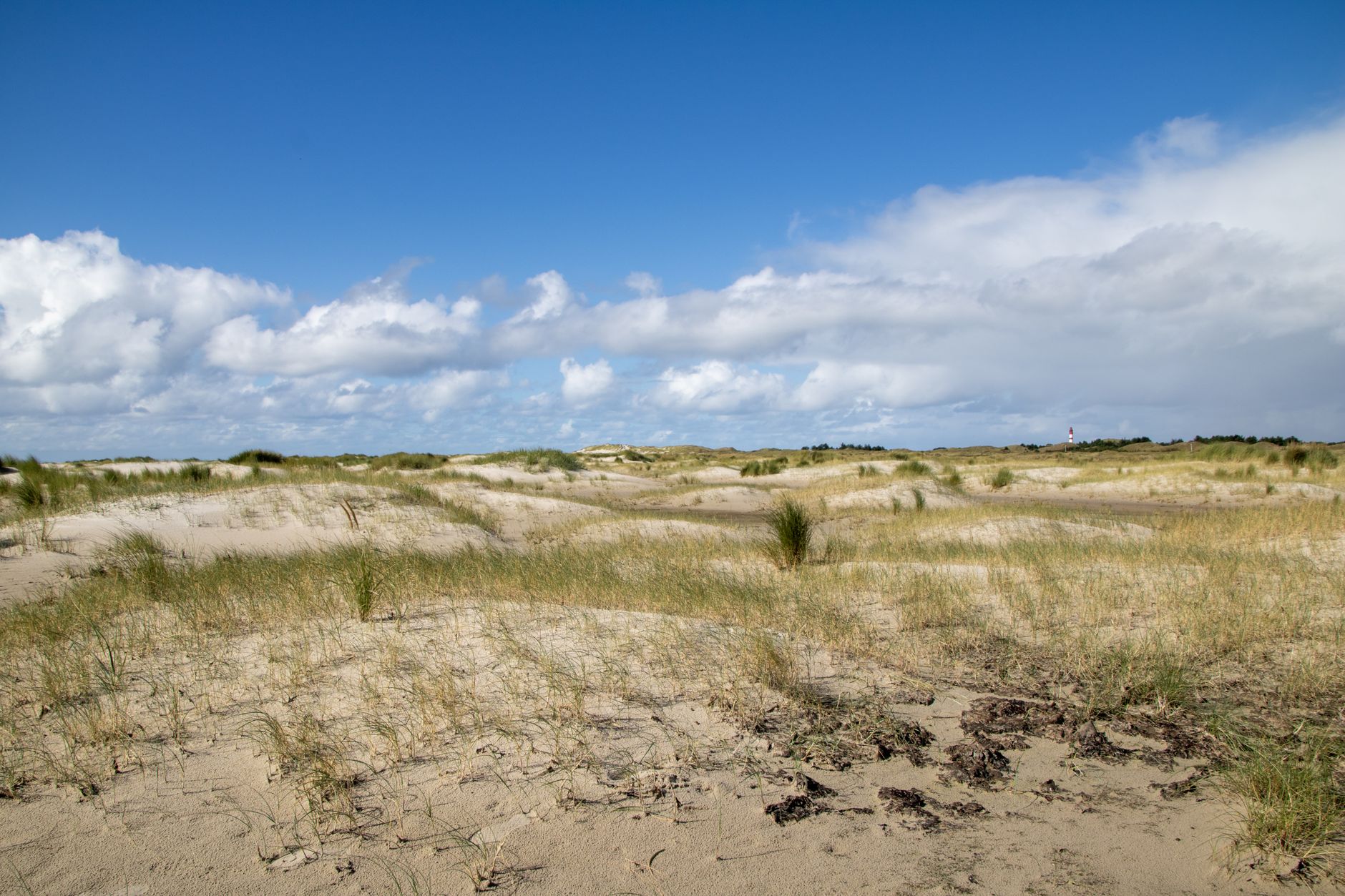
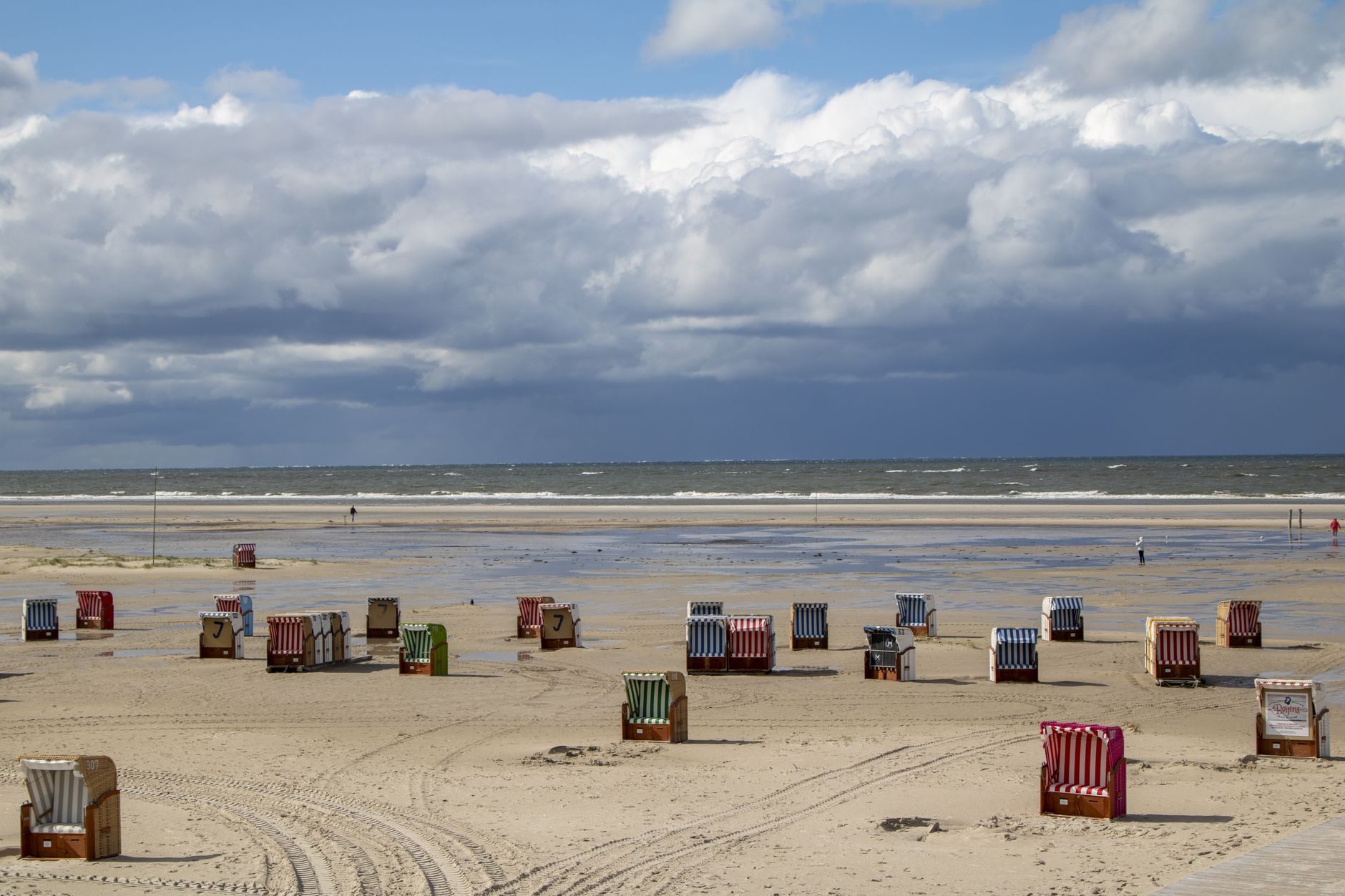
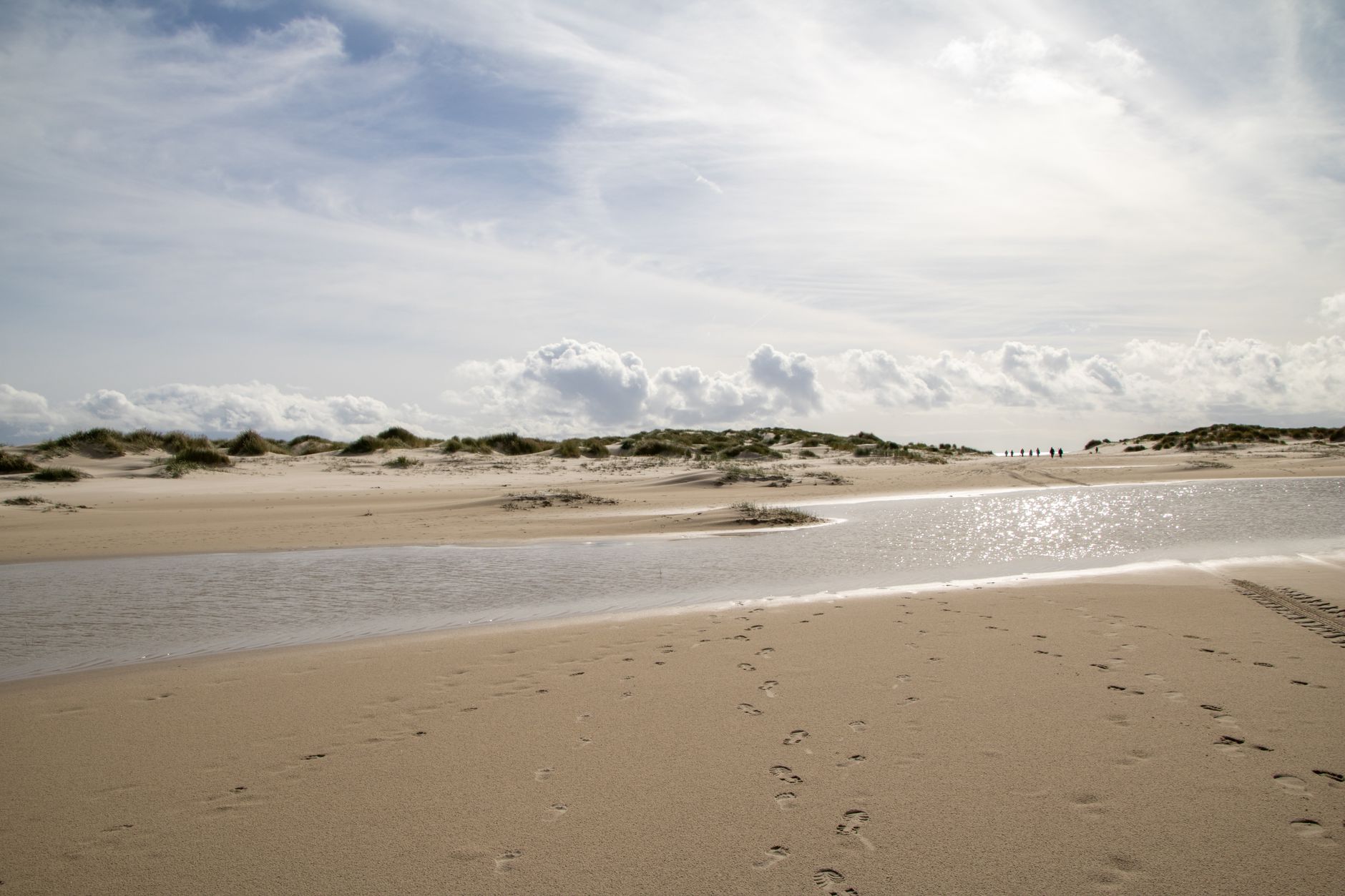
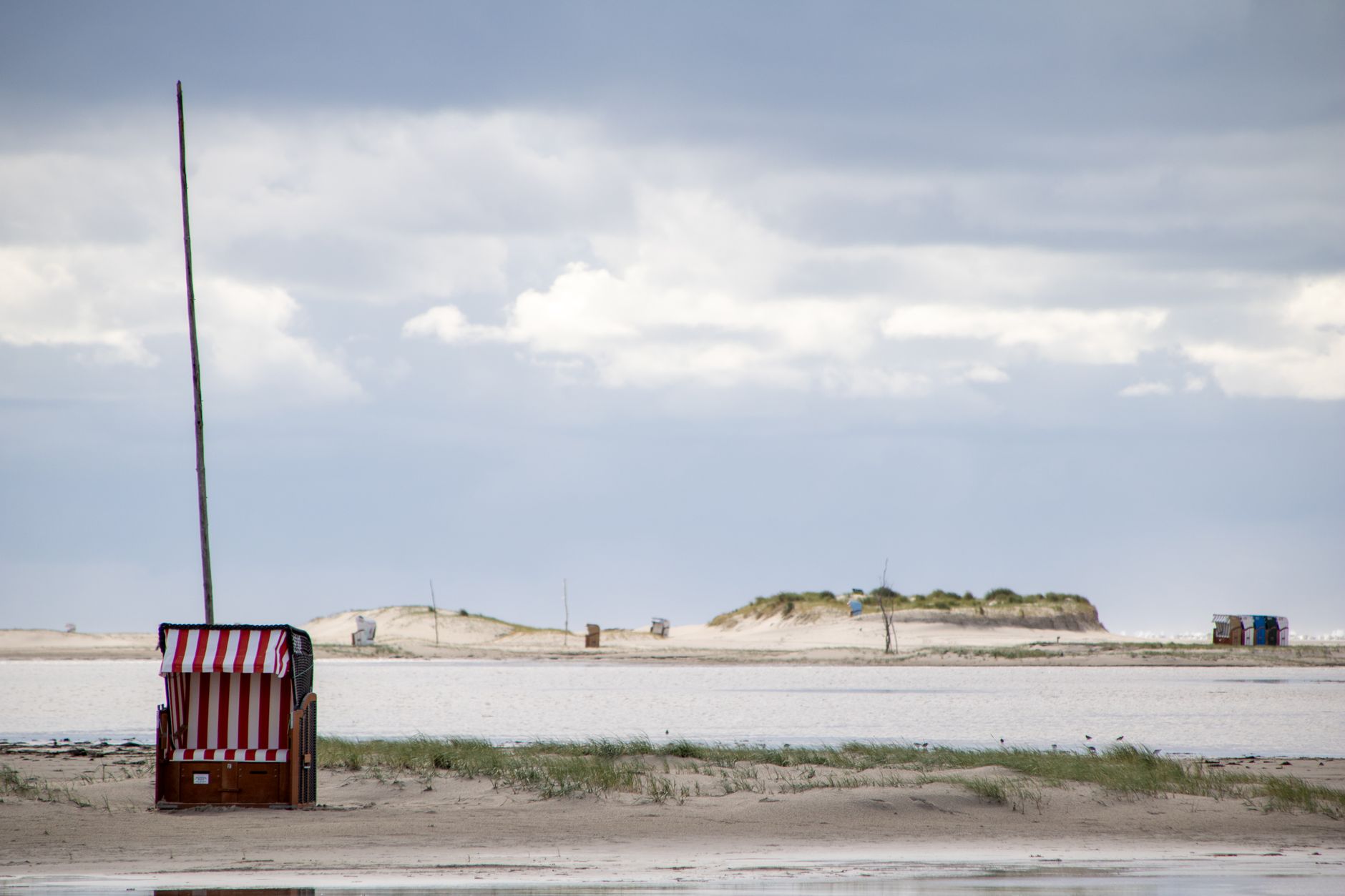
Amrum is roughly 20 kilometres squared and takes up almost none of your mental map of Germany — which is exactly the point. Its western shore is one continuous beach, the Kniepsand, wide enough that at low tide you can walk for minutes toward the waterline and still not reach it. The island speaks its own Frisian dialect, Öömrang, and its largest village, Nebel, has a churchyard full of gravestones carved with portraits of the captains buried beneath them — men who spent their lives anywhere but here.
Five villages share the island, connected by a single bus route and a grid of cycling paths. The 1948 forest — planted on old heath, 180 hectares of it — gives the interior a stillness that the coast, with its North Sea wind, does not.
💛 What travellers fall for
People who come back tend to anchor themselves in Nebel rather than the ferry-port village of Wittdün. The Öömrang Hüs, a Frisian farmhouse from around 1750, rewards a slow hour. The old mill next door has been a museum since 1964. Regulars rent bikes on arrival and don't think about cars again until the ferry home.
Experiences you don't want to miss


Deals in Amrum
Book directly at the provider


How Amrum came to be
Amrum's recorded history begins in 1231, when it appears in the Danish census book of King Valdemar II, though the dolmens scattered across the island point to Neolithic settlement long before that. For centuries the economy ran on salt making, fishing, and — most lucratively — whaling and merchant shipping. The sea produced unlikely stories: Hark Olufs, a sailor from the hamlet of Süddorf, was enslaved by Algerians in 1724, rose to the rank of General, and walked back onto the island in 1736.
Tourism arrived fast and deliberately in the late 19th century. In 1889, Volkert Quedens and Paul Jansen Köhn built the first hotels; by 1892, Heinrich Andresen had opened a full spa hotel and the Kaiserhof. The village of Wittdün was founded in 1890 specifically to handle the new ferry traffic, and a railway followed in 1893. The island the visitors came for — remote, wind-scoured, Frisian — began quietly reshaping itself around them.
Who and what shaped it
People who shaped it
Landmark buildings
See Amrum in motion
Plan your visit
On the map
When to go
Summer runs mild rather than warm: June through August averages 15–18°C, with August the peak at around 21°C and seawater reaching 17°C. The North Sea wind is a constant presence in every season, so layers are useful even in July.
Right now
Background & history adapted from Wikipedia (CC BY-SA) · specs from Wikidata (CC0) · weather from Open-Meteo · map data © OpenStreetMap contributors · photos from Wikimedia Commons / Unsplash with per-image credit. No third-party reviews or social posts reproduced.