
Ameland
Ameland sits in the Wadden Sea off the Frisian coast, reachable only by a fifty-minute ferry from Holwerd — and that crossing already does something to the pace of things. The island is four villages strung along a spine of dune and polder: Hollum, Ballum, Nes, and Buren, each with its own character and its own slow rhythm.
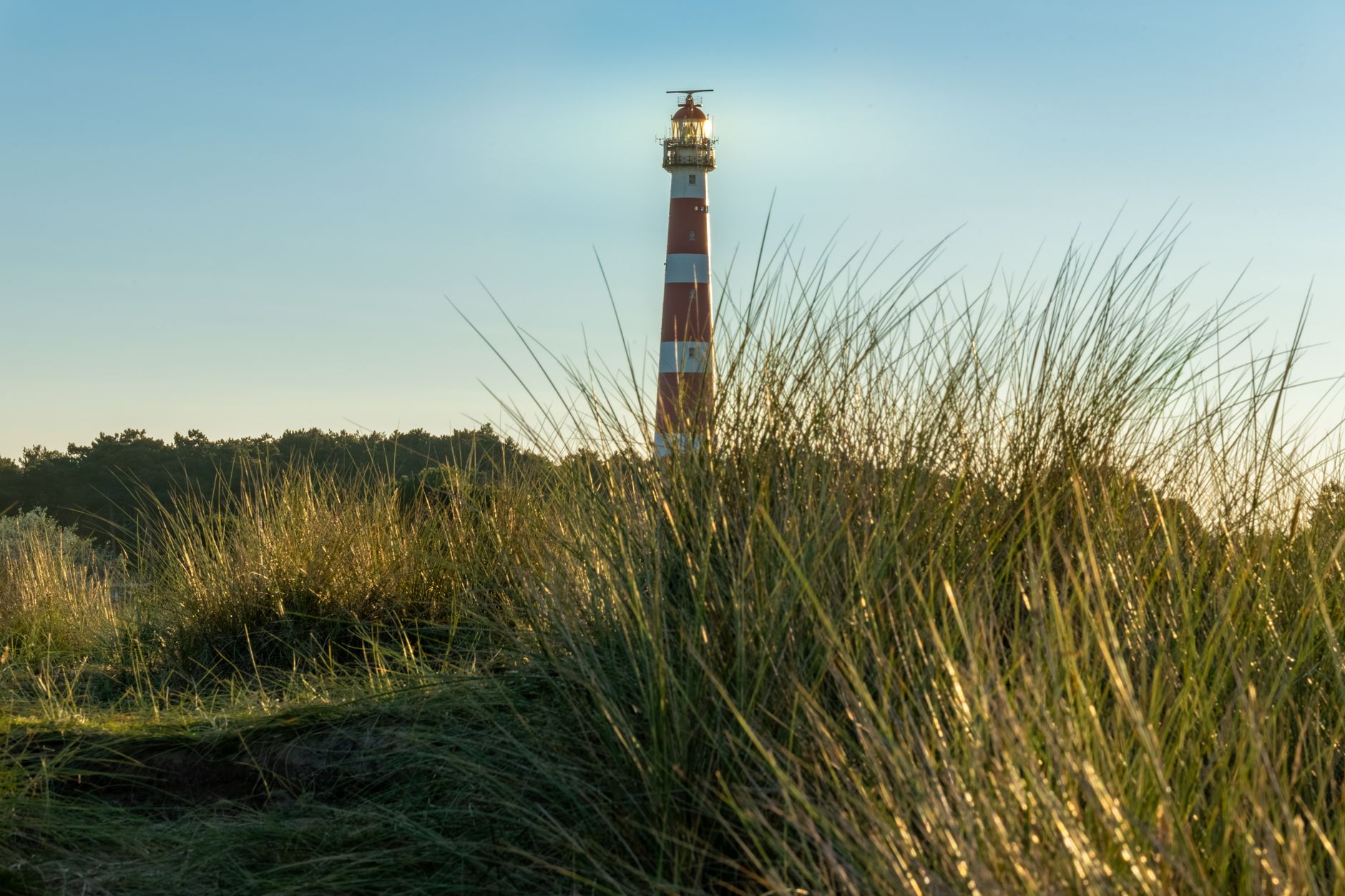
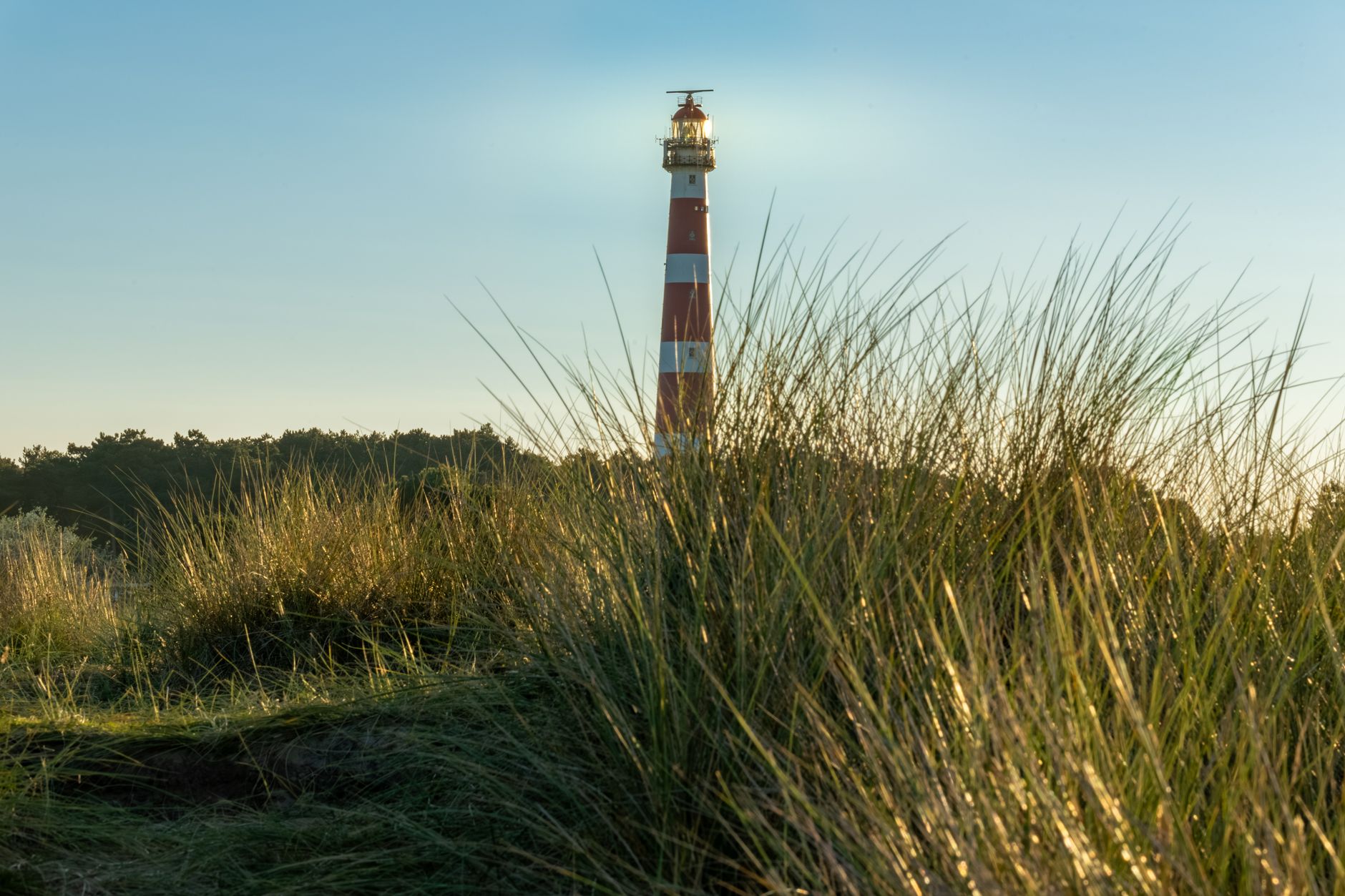
What marks Ameland most visibly is its whaling past. Walk through Hollum and you'll find the commandeurshuizen — the ornate captain's houses built by men who spent their springs off Spitsbergen hunting bowhead whales. The lighthouse at Bornrif, 240 steps of cast iron and brick, went up in 1880 and still turns. The island has been accumulating its own particular history since at least the eighth century, and it shows.
💛 What travellers fall for
People who keep coming back tend to mention the same things: cycling the dike road to Buren early in the morning before the day-trippers arrive, climbing the Bornrif lighthouse on a clear afternoon, and stopping into De Phenix mill in Nes when the sails are turning. The Abraham Fock rescue museum in Hollum is smaller than it sounds and better than you'd expect.
Experiences you don't want to miss



Deals in Ameland
Book directly at the providerHow Ameland came to be
Ameland's first recorded name, Ambla, appears in eighth-century documents when the island was paying tribute to the county of Holland. In 1424, the Frisian chieftain Ritske Jelmera of the Cammingha family declared it a free lordship — a status it held for nearly three centuries. When the Cammingha line died out in 1708, the island had already been sold four years earlier to Johan Willem Friso, the Frisian stadtholder, for 170,000 guilders. It wasn't formally absorbed into the Netherlands until the constitution of 1813.
The whaling era shaped the island's architecture and its collective memory. Ships left each spring for the Arctic waters around Spitsbergen; the captains who prospered built the elaborate houses that still stand in Hollum. The industry collapsed after the 1777 disaster involving the whaler Hidde de Kat. A century later, in 1871, a society attempted to reclaim land by building an 8.7-kilometre dike from Holwert to Buren. After heavy storms in the winter of 1882, they gave up.
Who and what shaped it
People who shaped it
Landmark buildings
See Ameland in motion
Plan your visit
On the map
When to go
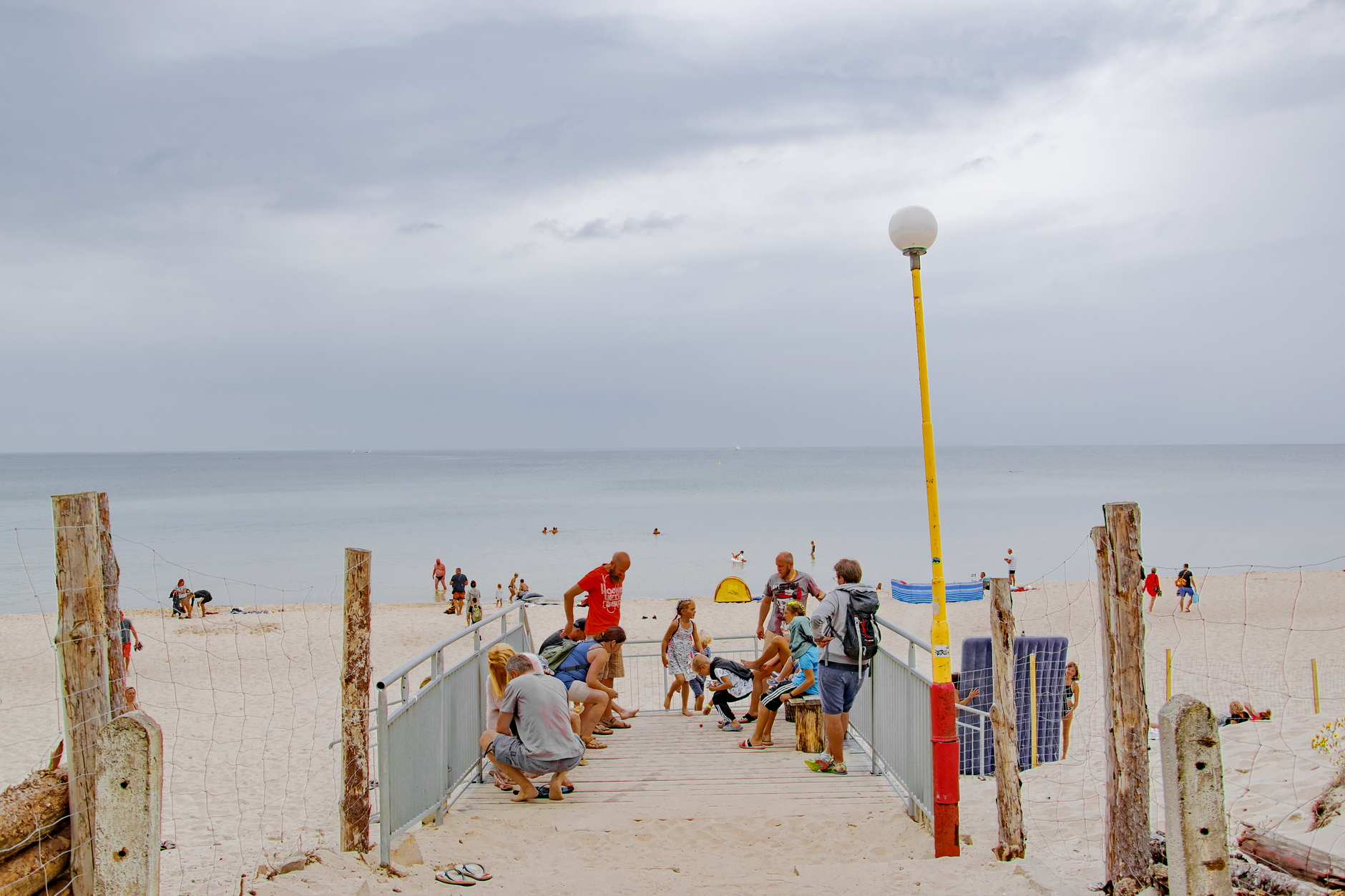
Summers are mild and breezy, rarely hot, with long evenings that suit cycling and beach walking. Winter brings strong North Sea winds and a stripped-down quiet; the airport closes and some facilities follow suit.
Right now
Background & history adapted from Wikipedia (CC BY-SA) · specs from Wikidata (CC0) · weather from Open-Meteo · map data © OpenStreetMap contributors · photos from Wikimedia Commons / Unsplash with per-image credit. No third-party reviews or social posts reproduced.