
Alto Hospicio
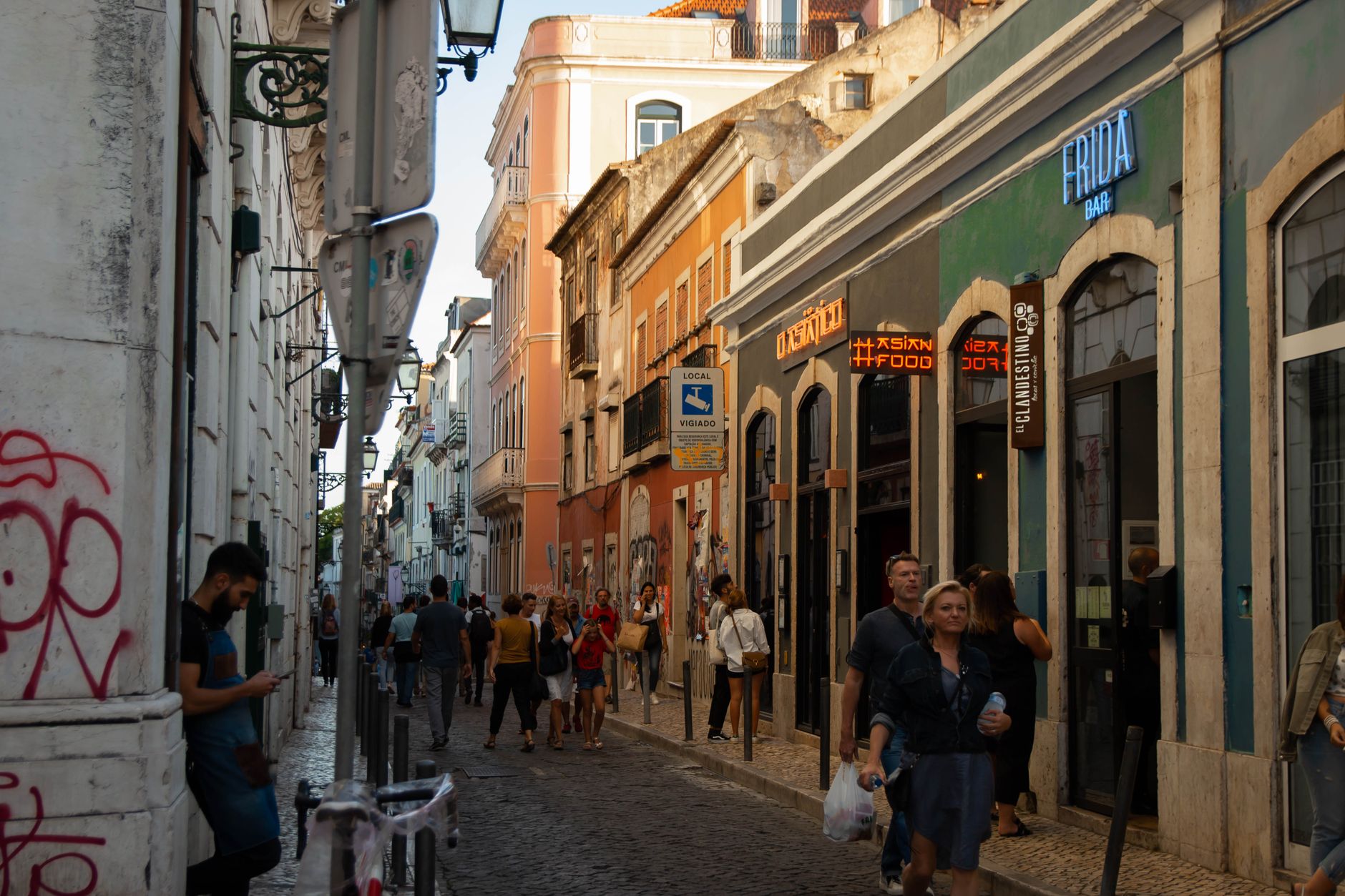
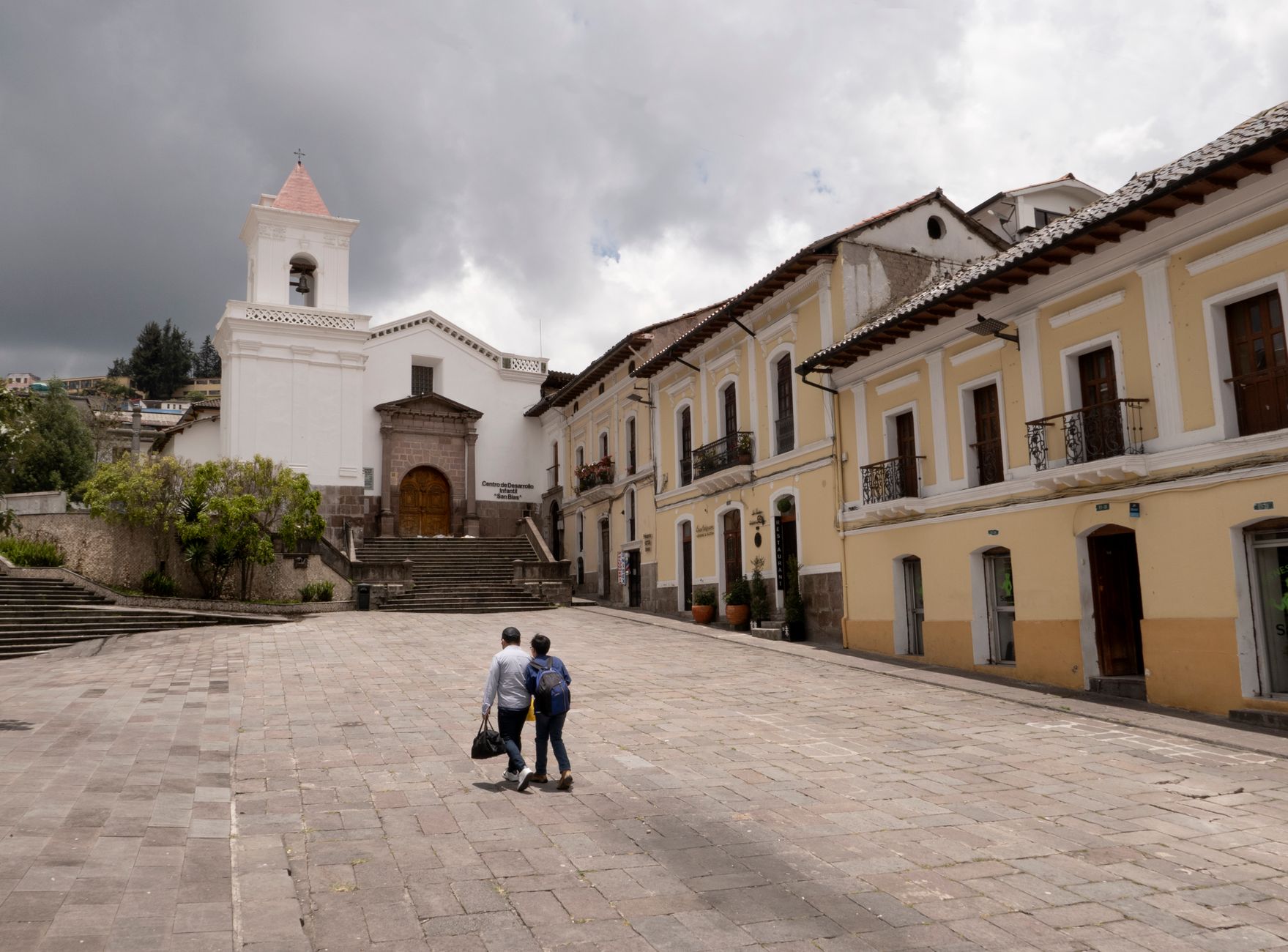
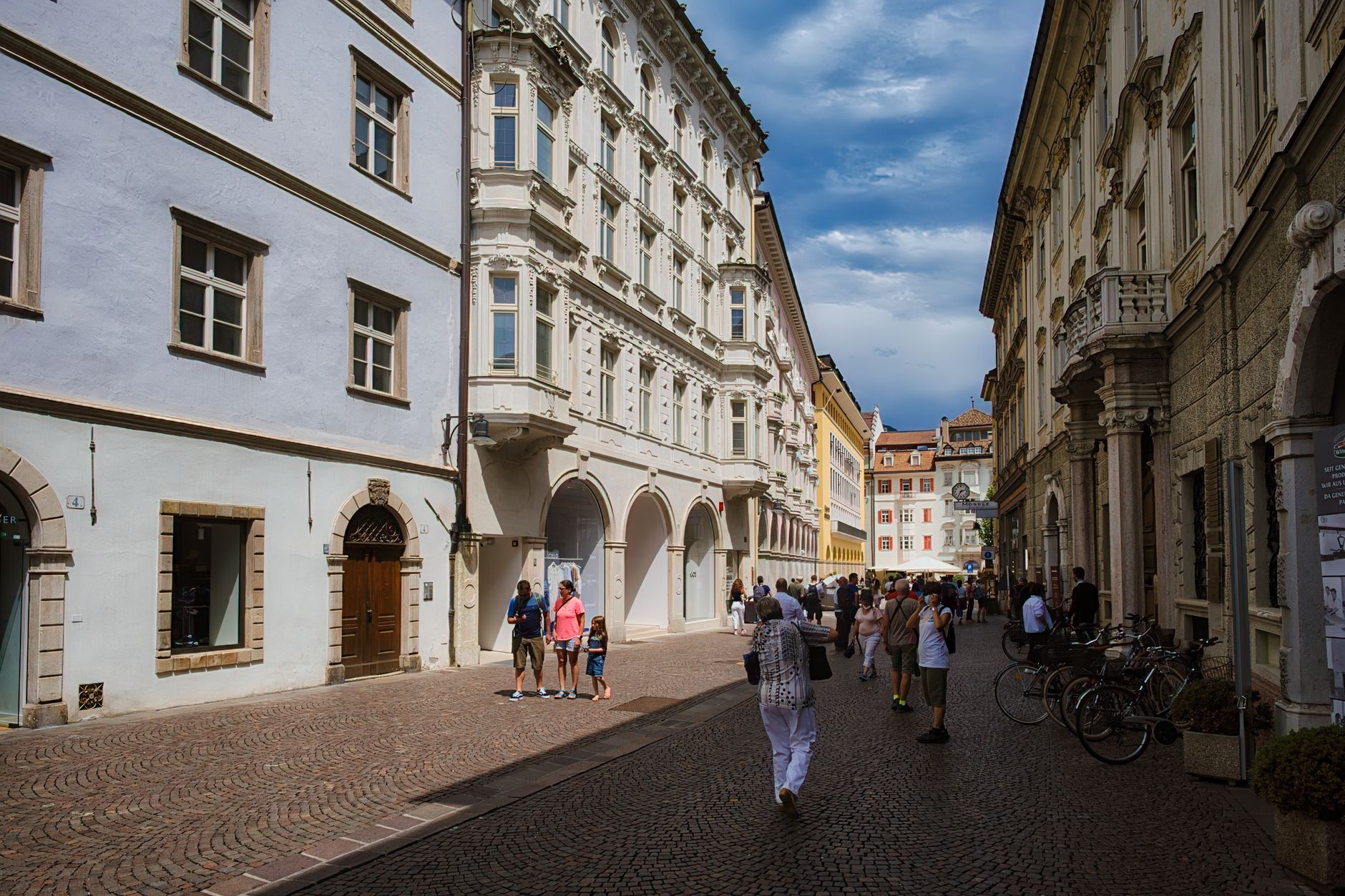
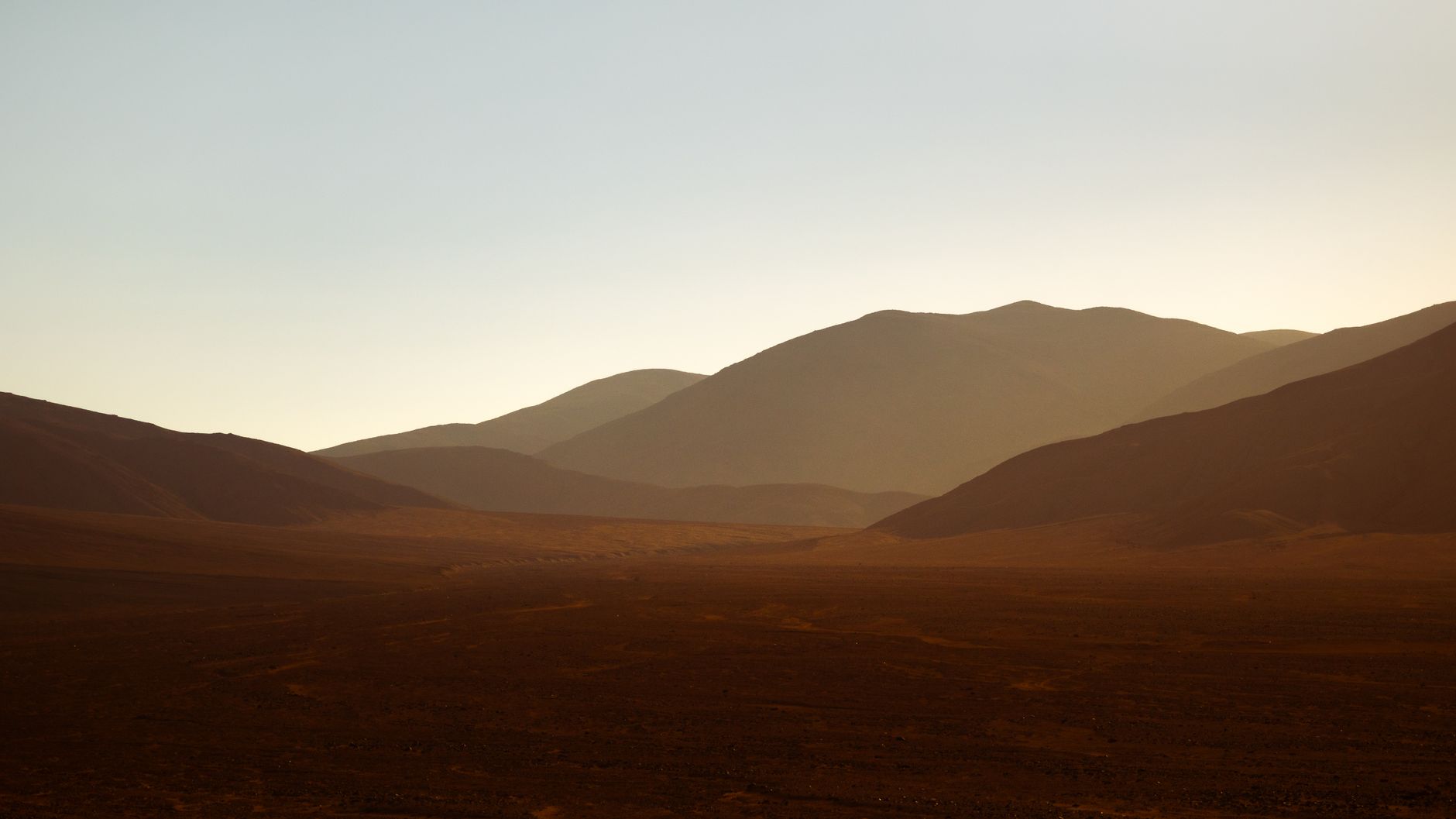
Alto Hospicio sits on a flat, sun-bleached pampa 550 metres above the Pacific, nine kilometres east of Iquique and a world removed from it. The city grew faster than almost any other in Chile — from roughly 2,000 people in the early 1990s to over 100,000 by the mid-2000s — and the landscape still carries the evidence: plywood-and-tin neighbourhoods pressed close together, a sprawling open-air market where used clothing from five continents lands under blue and red tents, and an aquifer beneath the ground that hasn't been recharged since the last ice age.
This is not a place that tidies itself up for visitors. It is a working city on an arid plateau, and its particular textures — the scale of La Quebradilla's second-hand trade, the fog that rolls in without bringing rain, the view back down toward the coast — are worth understanding on their own terms.
💛 What travellers fall for
People who come back tend to time it for a weekday morning at La Quebradilla Market, when the causeway between the tent rows is still navigable and vendors are still laying stock out. The clothing arriving here from US and European donations is sorted, priced and resold with real economy — it rewards patience and an early start.
Experiences you don't want to miss



Deals in Alto Hospicio
Book directly at the provider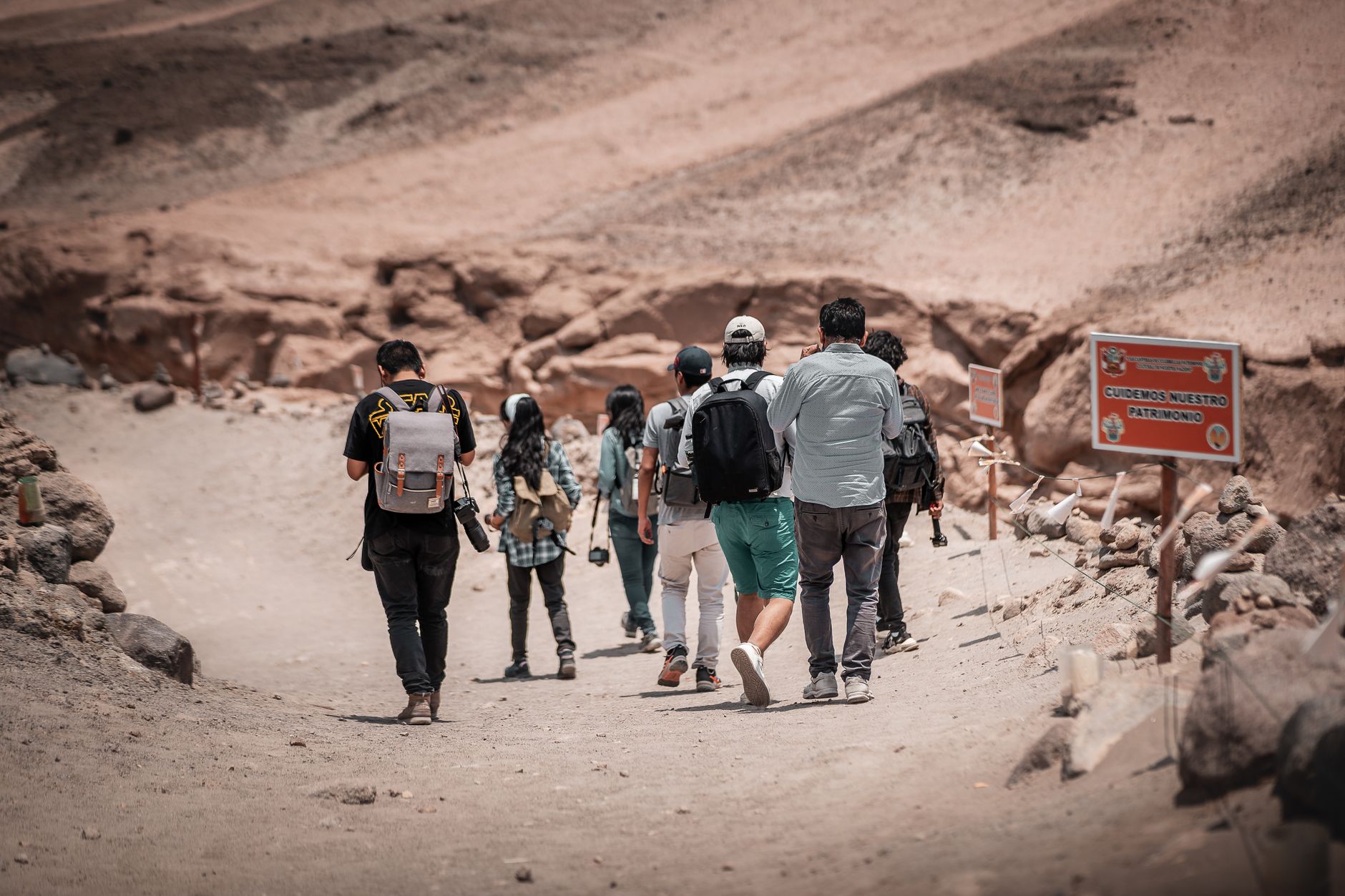
How Alto Hospicio came to be
The Chango people were the first to rest on this pampa, climbing from the cove at Bajo Molle during what they called the Festival of the Mule. Long before the city existed, the land around it mattered for what lay underground: silver deposits at Huantajaya, three kilometres to the northeast, were worked from the reign of Tupac Inca Yupanqui in the late 14th century through to the end of the 18th. After the War of the Pacific the area shrank to a desolate train station with around a hundred inhabitants.
The modern city is a product of speed. Aymara farmers settled here in the 1950s, tending small plots and trading altiplano produce. Then Iquique's mid-1990s economic expansion sent people uphill in extraordinary numbers. Alto Hospicio became its own municipality on 12 April 2004, under Law No. 19943, signed by President Ricardo Lagos Escobar. In December 2023 it was formally constituted as part of Chile's newest metropolitan area, alongside Iquique.
Who and what shaped it
People who shaped it
Landmark buildings
See Alto Hospicio in motion
Plan your visit
On the map
When to go
Temperatures stay moderate all year — averaging around 17 °C, peaking near 24 °C in February and dipping to lows around 12 °C in August — but the desert sun at this altitude is unrelenting and precipitation is effectively zero. Winter brings more cloud cover; summer afternoons can turn overcast with moisture drifting in from Bolivia, occasionally producing light rain.
Right now
Background & history adapted from Wikipedia (CC BY-SA) · specs from Wikidata (CC0) · weather from Open-Meteo · map data © OpenStreetMap contributors · photos from Wikimedia Commons / Unsplash with per-image credit. No third-party reviews or social posts reproduced.