
Alkmaar
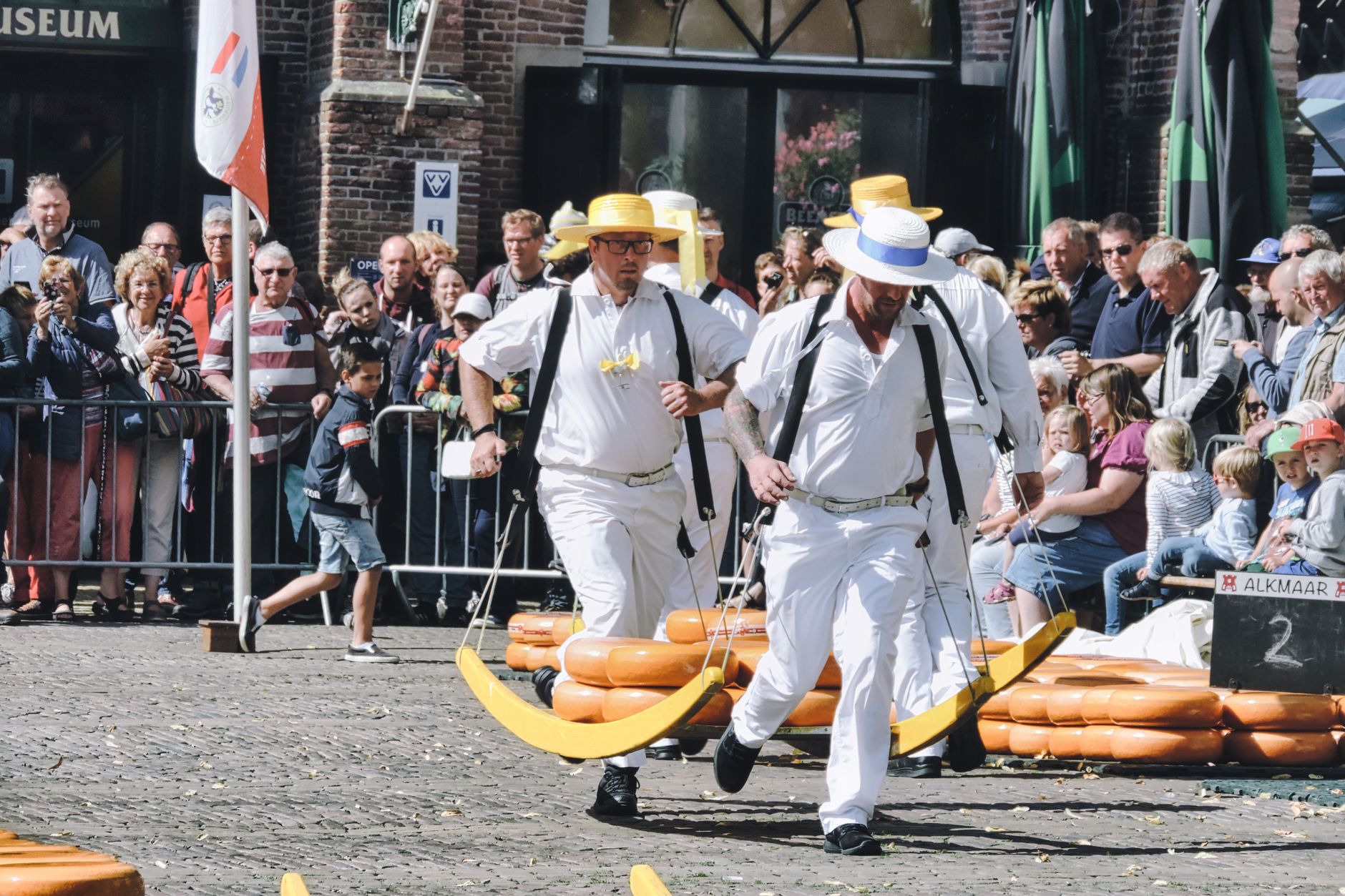
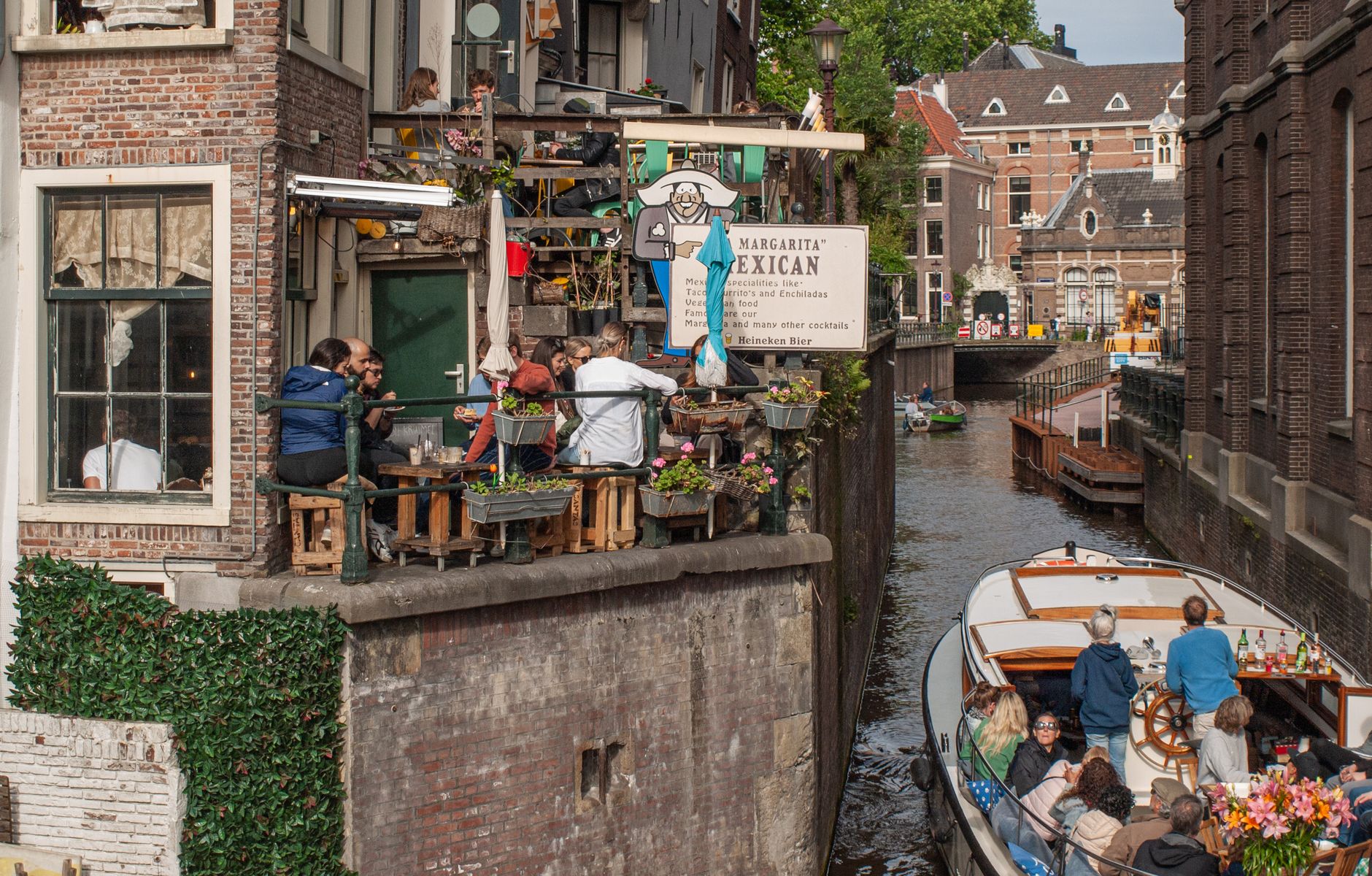
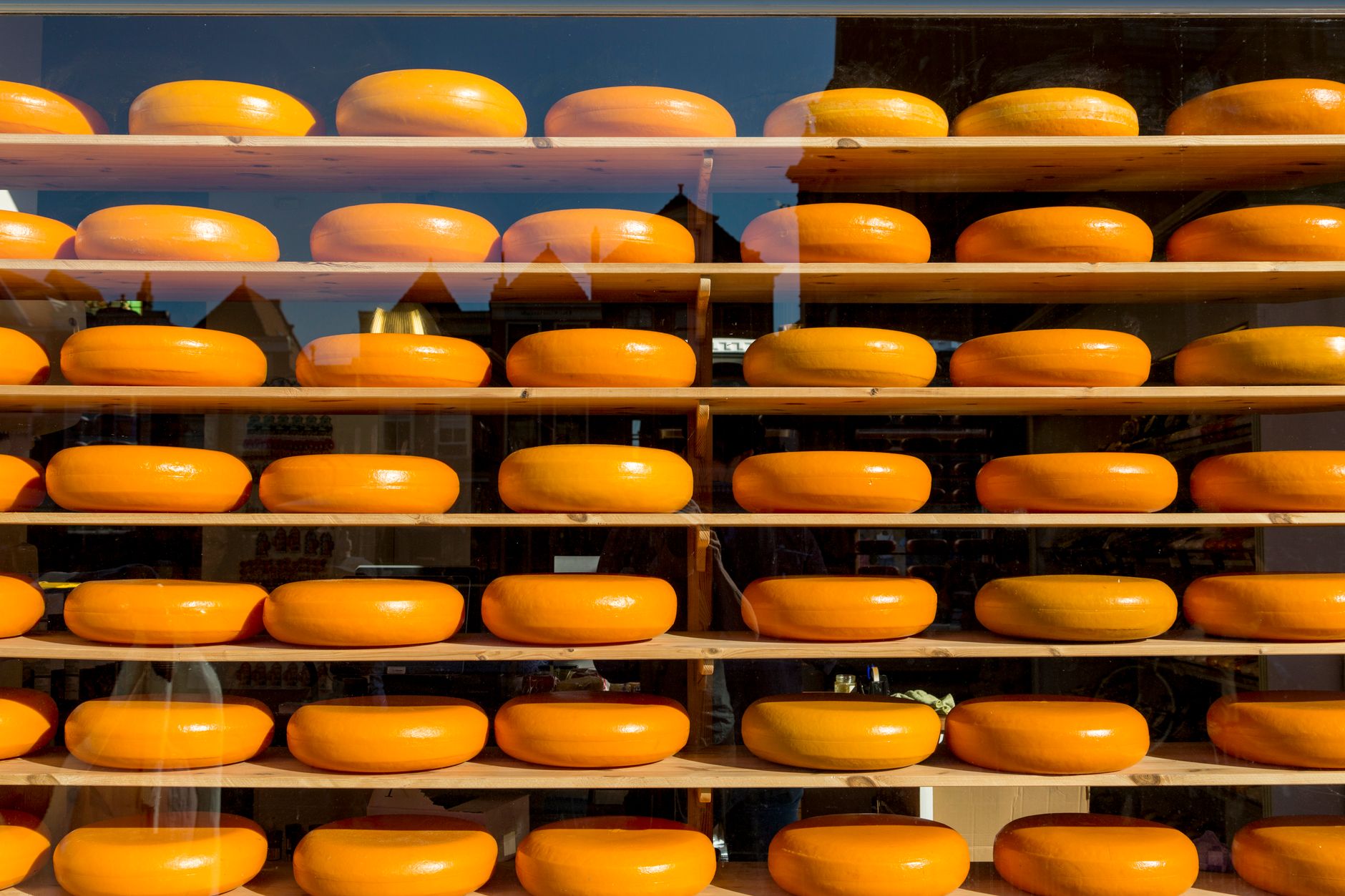
On Friday mornings between late March and late September, the Waagplein fills with the particular theatre of Alkmaar's cheese market: white-uniformed bearers carrying flat wooden sledges loaded with golden wheels of Gouda and Edam, the whole operation overseen by a 1582 weighhouse built into what was once a 14th-century chapel. It is the largest working cheese market of its kind in the world, and it wraps up punctually at one o'clock.
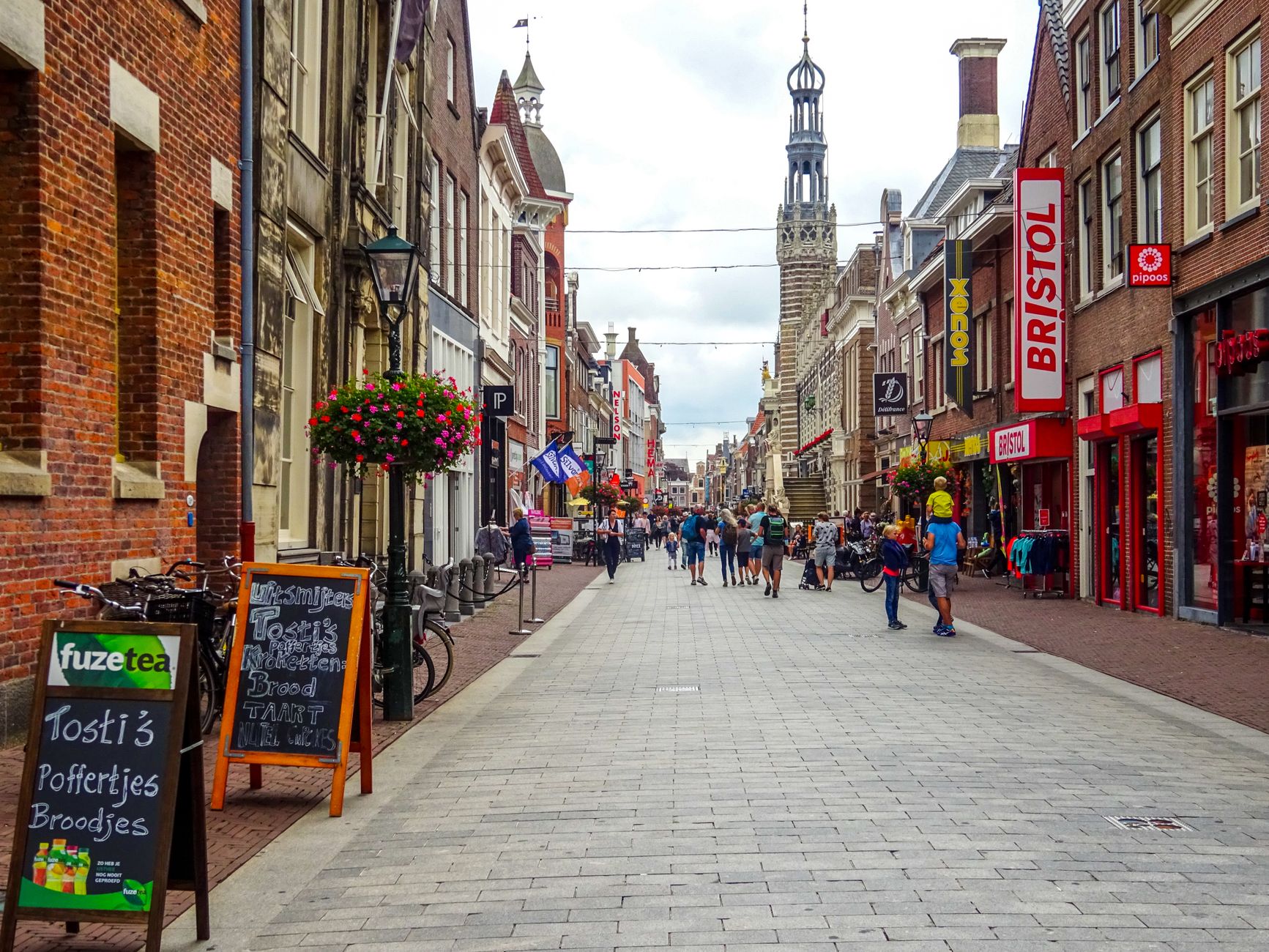
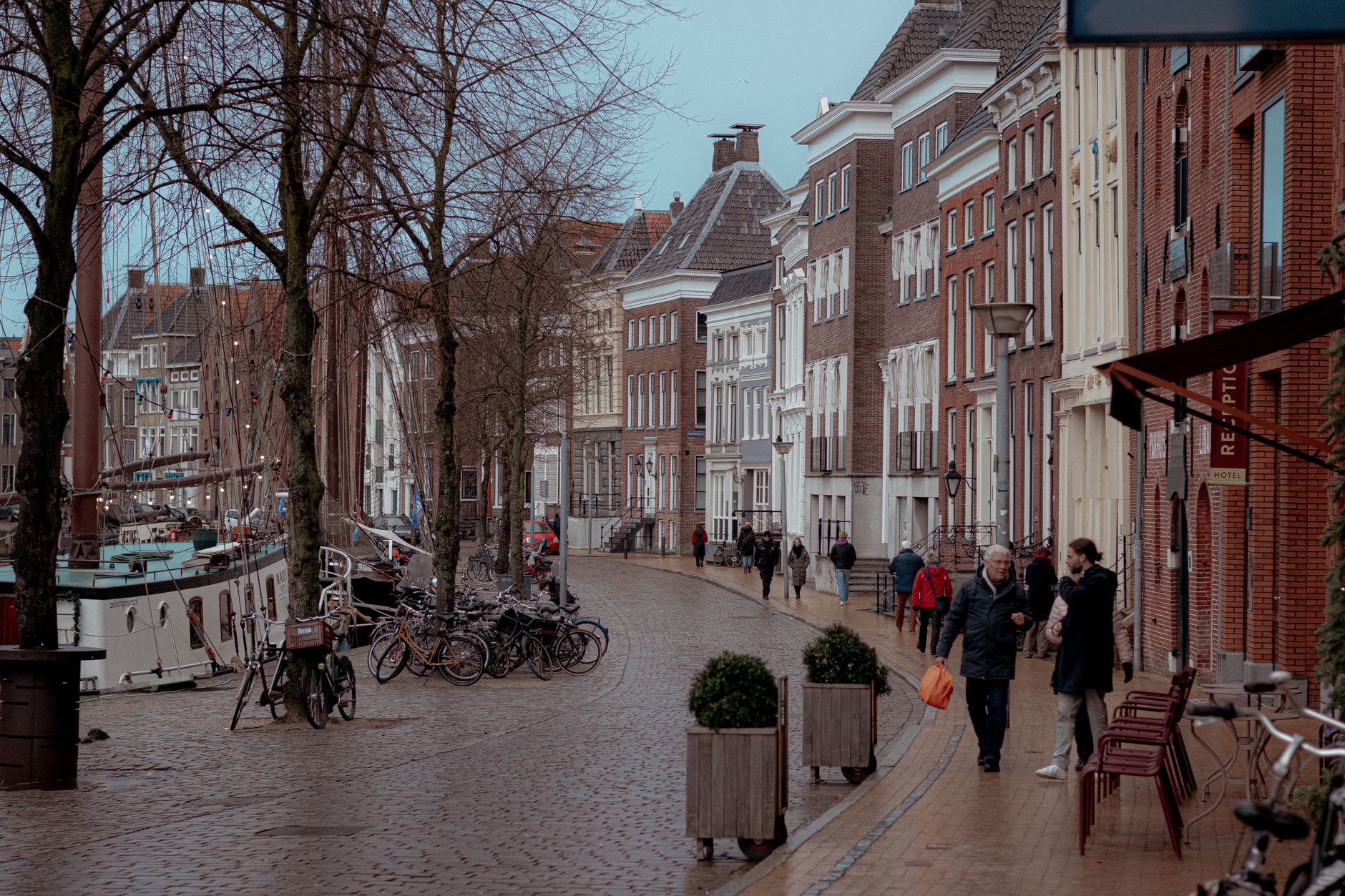
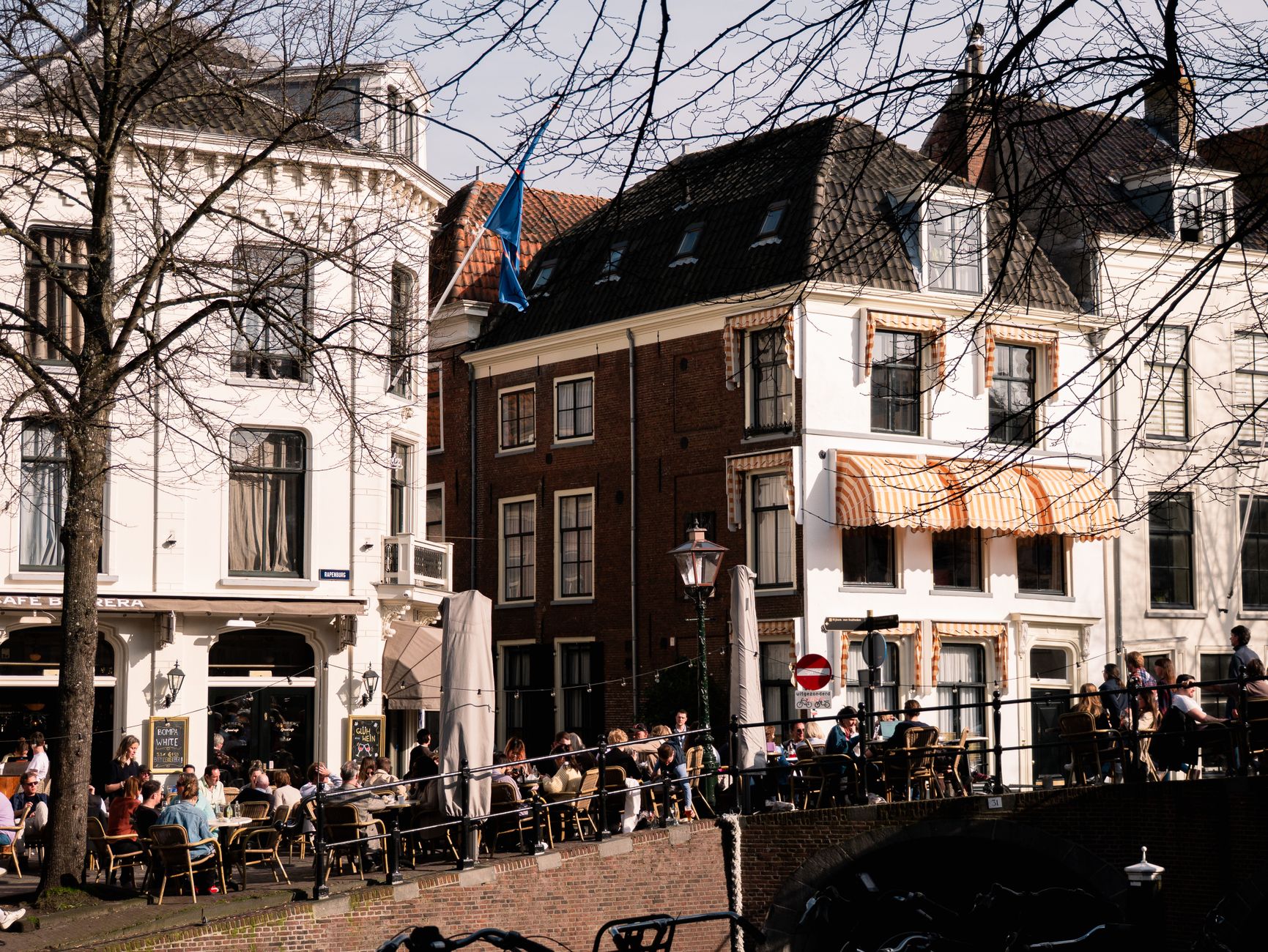
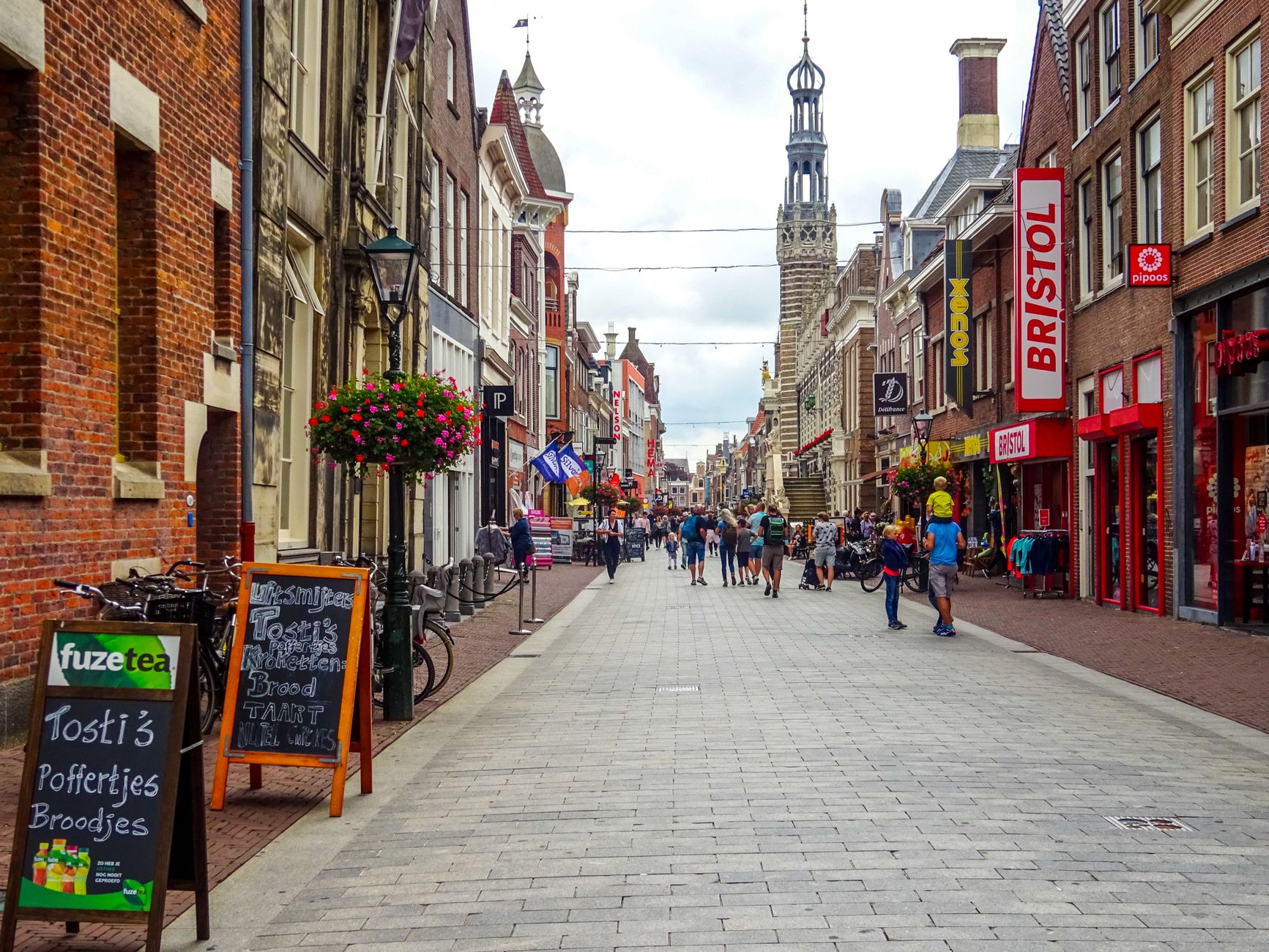
But Alkmaar earns more than a single morning. The city has over a thousand protected historic buildings, a church with an organ Mozart played as a child, and the kind of compact canal-laced centre that rewards a slow afternoon on foot.
💛 What travellers fall for
People who come back tend to arrive on the first train before the market crowds, walk the Waagplein while the cheese sledges are still being loaded, then spend the afternoon in the Stedelijk Museum — the Eighty Years' War rooms alone justify the detour. The Tuesday evening summer market is quieter and, frankly, more pleasant.
Experiences you don't want to miss



Deals in Alkmaar
Book directly at the provider

How Alkmaar came to be
Alkmaar's name appears in a 10th-century document, but the city's formal story begins on June 11, 1254, when Count Floris V granted it city rights. It was sacked twice — by Frisians in 1132 and again in 1517 — before its defining moment: a successful resistance against a Spanish siege in 1573, commemorated every October 8th. That victory helped turn the tide of the broader Dutch revolt.
The city's commercial weight grew after 1564, when surrounding swamps were drained — work shaped by hydraulic engineer Jan Leeghwater, born here in 1575. The Cheese Bearers' Guild was formalised in 1593, the Accijnstoren tax tower went up in 1622, and the cheese trade built the prosperity still visible in the canal-front architecture. In 1799, the Convention of Alkmaar ended an ill-fated Russo-British campaign to retake the Netherlands from France.
Who and what shaped it
People who shaped it
Landmark buildings
See Alkmaar in motion
Plan your visit
On the map
When to go
Summers are mild — August peaks around 21°C — and the Friday market in July or August, when a second Tuesday evening market also runs, is the most comfortable time to visit. Winter is cool and damp, with February averaging 7°C and steady rainfall spread across the year.
Right now
Background & history adapted from Wikipedia (CC BY-SA) · specs from Wikidata (CC0) · weather from Open-Meteo · map data © OpenStreetMap contributors · photos from Wikimedia Commons / Unsplash with per-image credit. No third-party reviews or social posts reproduced.