
Abydos
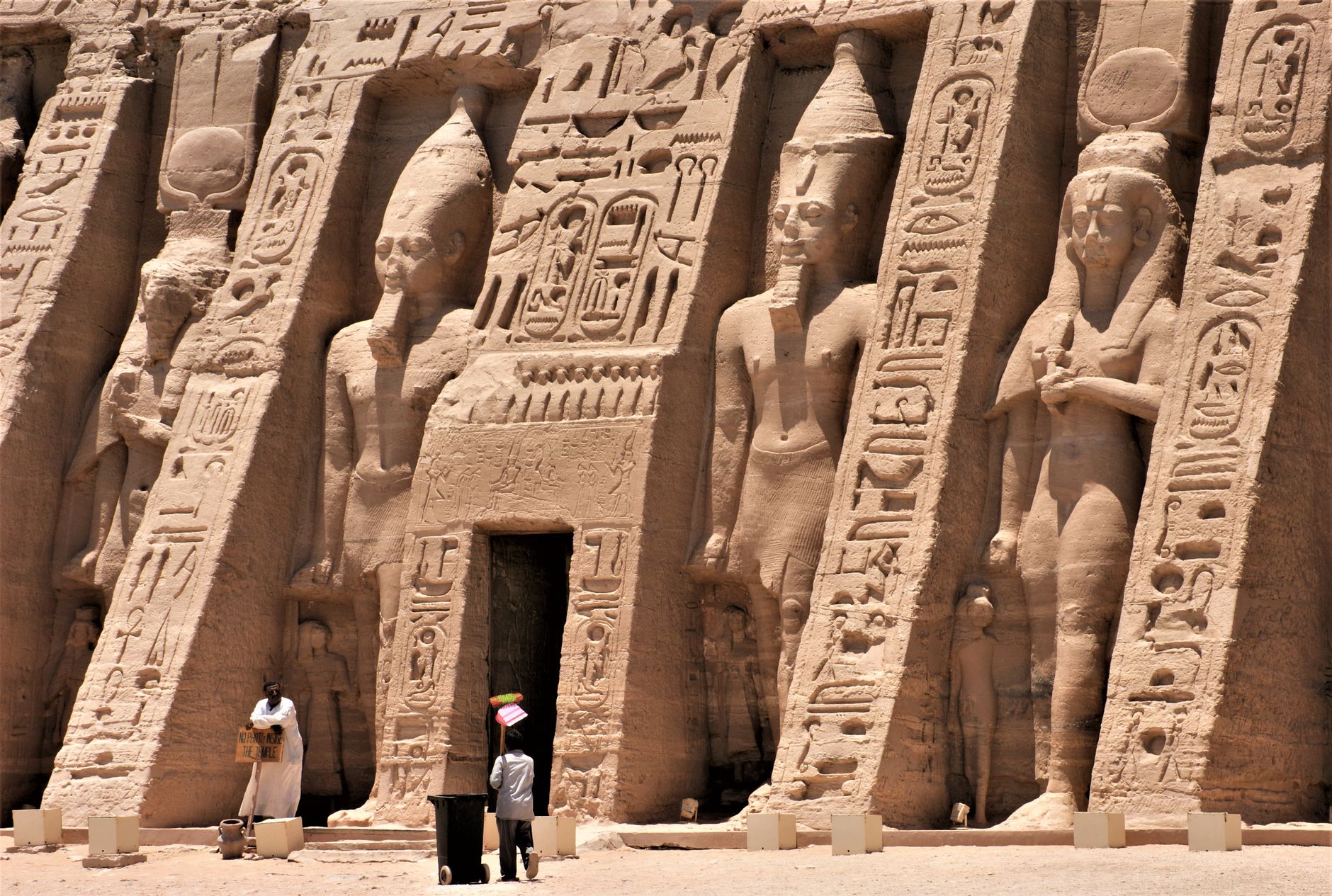
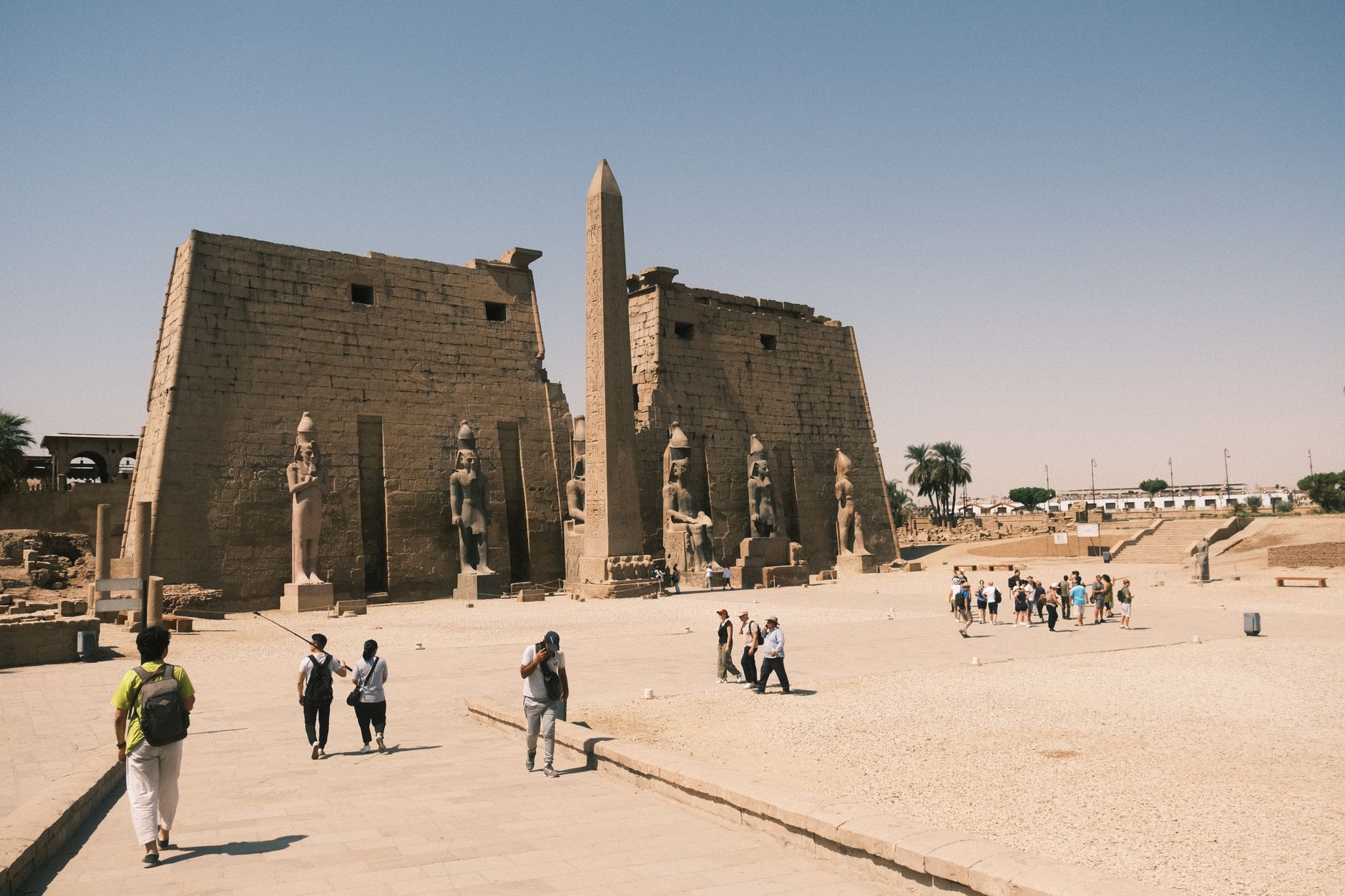
The wall paintings in the Temple of Seti I still hold their pigment after three thousand years — ochre, turquoise, ivory — and standing in front of them you understand why archaeologists keep coming back. Abydos, on the desert edge eleven kilometres west of the Nile in Sohag Governorate, is one of the oldest continuously occupied sacred sites on earth. Pharaohs of the First Dynasty were buried here, the cult of Osiris took root here, and the last stones were laid under Nectanebo I in the fourth century BCE — a span of use that makes almost everywhere else feel provisional.
The site clusters around three main draws: the L-shaped Great Temple with its seven chapels and the Abydos King List carved into one of its corridors, the subterranean Osireion lurking just behind it, and the royal necropolis of Umm el-Qa'ab out in the open desert. Give it a full day, not a half one.
💛 What travellers fall for
People who've been more than once tend to mention the same thing: arrive at the Temple of Seti I right at the 7am opening, before the tour groups, and walk the hypostyle hall in near-silence. The King List corridor — 76 cartouches running in a line from Menes to Seti — reads differently when you're the only one in it.
Experiences you don't want to miss


Deals in Abydos
Book directly at the provider


How Abydos came to be
Abydos was already old when Egypt was young. During the Naqada III period, roughly 3200–3000 BCE, rulers from this city helped consolidate Upper Egypt, and the earliest royal tombs found at Umm el-Qa'ab predate the First Dynasty entirely. Narmer, regarded as the founder of that dynasty and buried here around 3100 BCE, was also the era when an enormous brewery — discovered by archaeologists in 2021 — was producing beer for royal ritual on the same ground.
By the Fifth Dynasty the city's identity had shifted from royal burial ground to religious centre, as the pharaonic cult absorbed and then gave way to that of Osiris. Abydos became the god's mythic burial place, drawing pilgrims and construction projects for two more millennia. Seti I raised the Great Temple around 1300 BCE; his son Ramesses II completed its outer courts and built a second temple nearby. The last major construction came under Nectanebo I of the Thirtieth Dynasty, after which the site slowly passed to archaeologists — first Auguste Mariette, then Flinders Petrie — and eventually to Dorothy Eady, who arrived in 1946 convinced she had lived here before, and stayed until her death in 1981.
Who and what shaped it
People who shaped it
Landmark buildings
See Abydos in motion
Plan your visit
On the map
When to go
Winter (November through February) brings mild days around 20–25°C and cool evenings — the most comfortable time to walk the open desert sections around Umm el-Qa'ab. Summer temperatures regularly exceed 40°C by midday; if you come then, the 7am opening is not optional.
Right now
Background & history adapted from Wikipedia (CC BY-SA) · specs from Wikidata (CC0) · weather from Open-Meteo · map data © OpenStreetMap contributors · photos from Wikimedia Commons / Unsplash with per-image credit. No third-party reviews or social posts reproduced.