
Zócalo (Plaza de la Constitución)
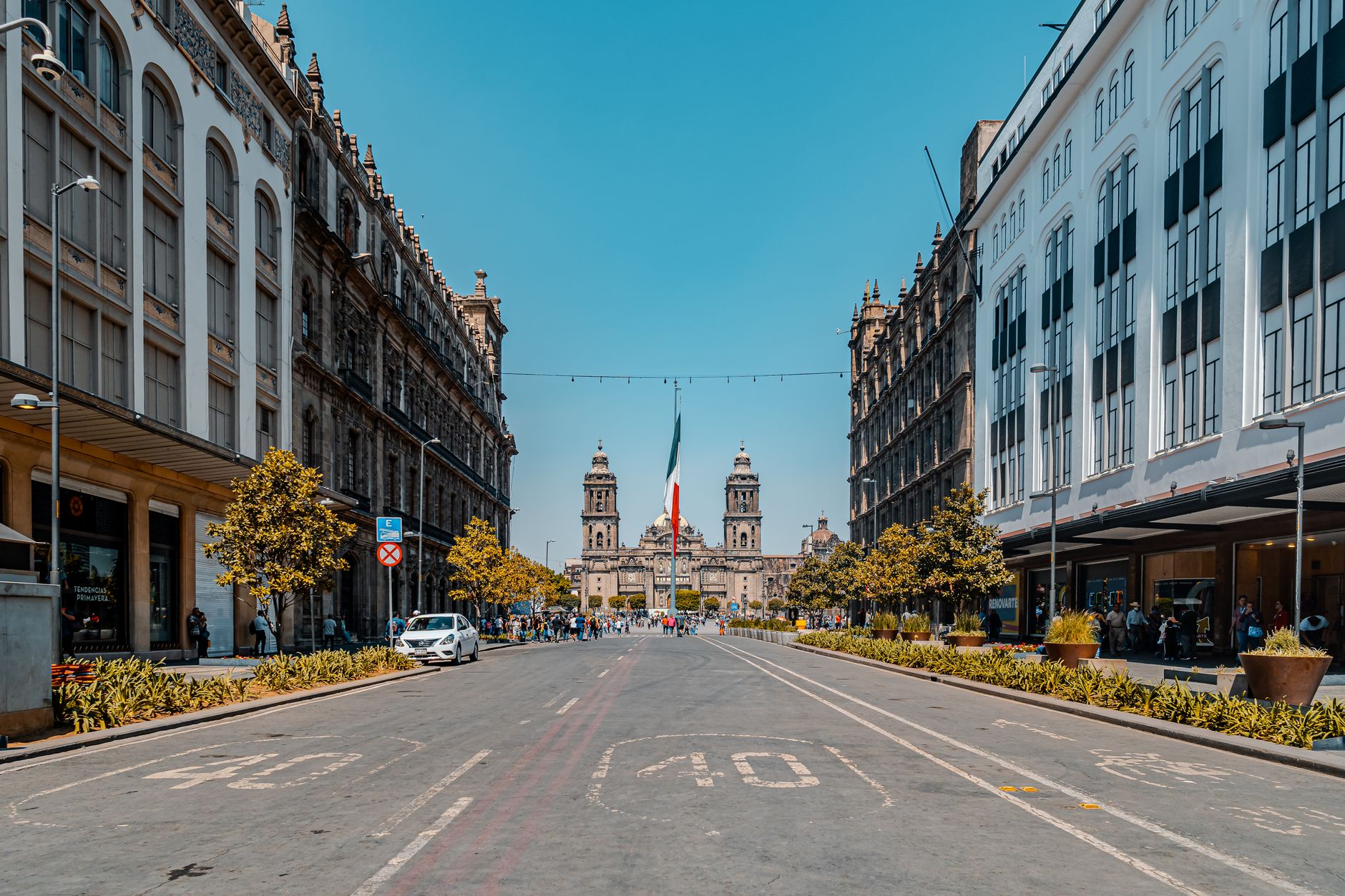
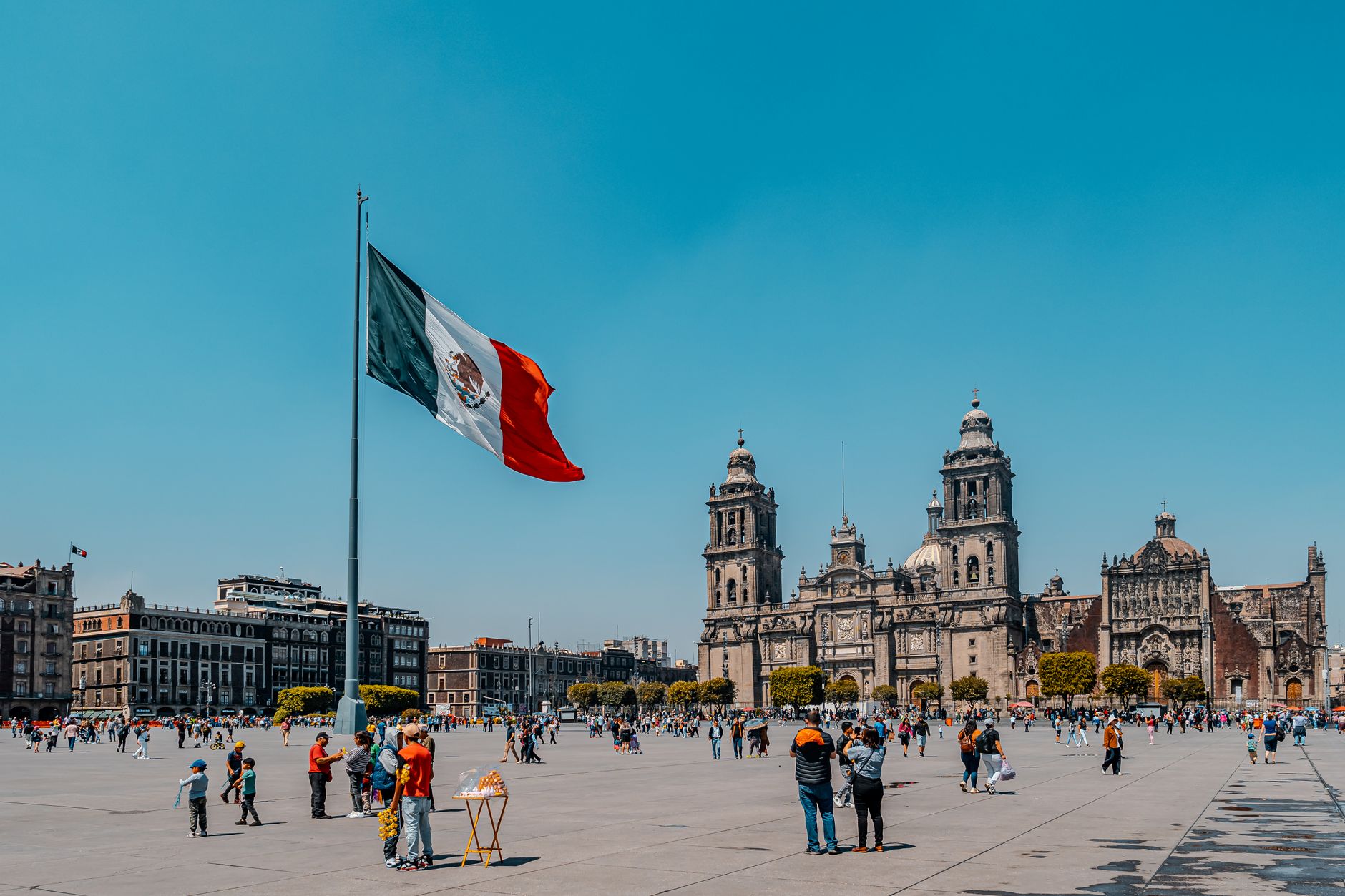
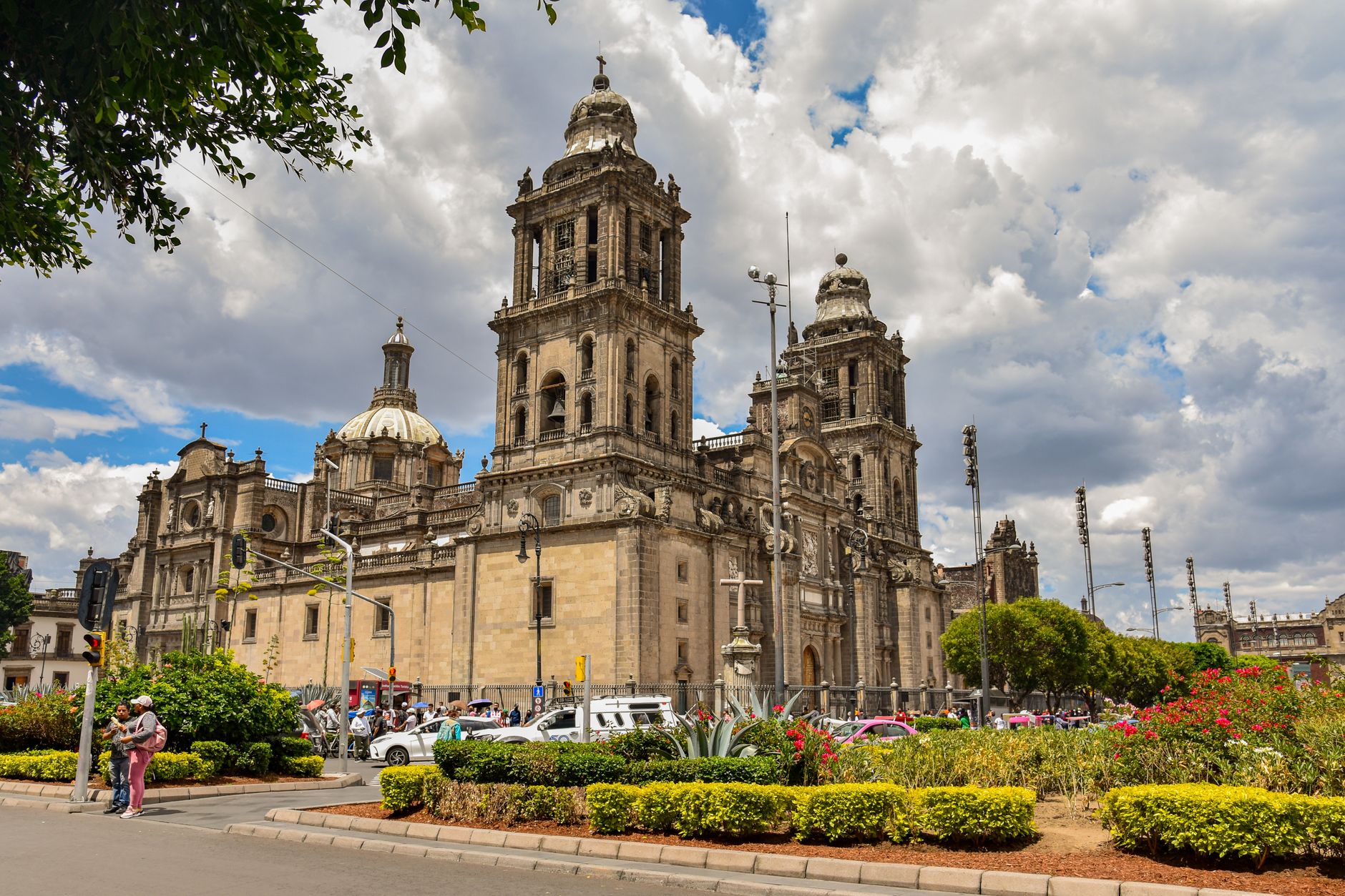


Stand at the centre of the Zócalo and you are standing, more or less, at the centre of everything Mexico has ever been. The square is 240 metres on each side — one of the largest public plazas on earth — and at its middle a single enormous flag hangs from a mast tall enough to be seen from most of the surrounding streets. Soldiers raise it at eight in the morning and lower it at six in the evening, and if you happen to be there for either ceremony, the scale of the thing stops you.
Below your feet lie the foundations of Tenochtitlan. To your north stands the Metropolitan Cathedral, to your east the National Palace where Diego Rivera's murals cover entire walls. The Templo Mayor ruins sit just off the northeast corner. The square holds all of this without apology.
💛 What travellers fall for
People who return to the Zócalo tend to go straight to a rooftop restaurant on the non-government buildings along the west arcade — coffee or wine depending on the hour, with the flag and cathedral laid out in front of them. They also learn quickly that mornings belong to the Danzantes Aztecas, who perform daily in full regalia, the shell bracelets audible before the dancers are visible.
Deals in Zócalo (Plaza de la Constitución)
Book directly at the provider
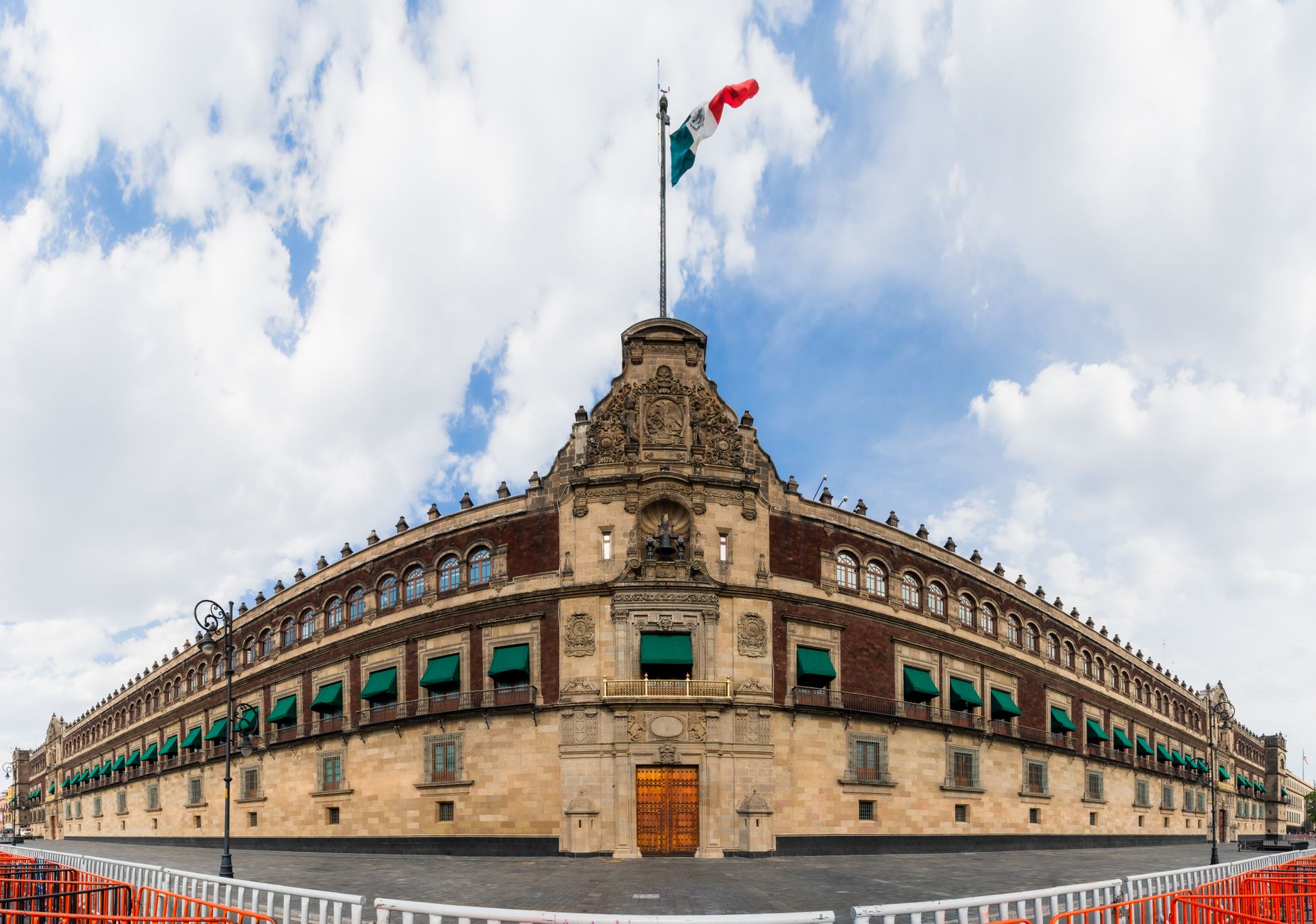
How Zócalo (Plaza de la Constitución) came to be
Hernán Cortés laid out the first version of this square in 1521, on the ruins of Tenochtitlan's main ceremonial precinct, with master builder Alonso García Bravo helping to set the grid of the new colonial city. Its formal name — Plaza de la Constitución — came from Spain's Cádiz Constitution of 1812, but the nickname Zócalo is an accident of failure: a monument to independence was planned for the centre, and only the stone base, or zócalo, was ever built. The name outlasted the monument.
President Santa Anna demolished the Parián market here in 1843. By 1866, the square had gardens, iron benches, and hydrogen gas lamps. It was repaved with pink cobblestones in the 1970s, then overhauled again in a $300 million renovation initiated by Mayor Cuauhtémoc Cárdenas in the late 1990s, completed in 2017 with improved pedestrian access and metro connections.
Who and what shaped it
People who shaped it
Landmark buildings
See Zócalo (Plaza de la Constitución) in motion
Plan your visit
On the map
When to go
The Zócalo sits at roughly 2,200 metres, which means a jacket at breakfast and a t-shirt by noon is a reasonable expectation year-round — daily temperature swings of around 10°C are common. March and April are the sunniest months and the best for photography; June through September bring afternoon downpours, usually clearing by evening, while November through February nights can drop close to freezing.
Right now
Background & history adapted from Wikipedia (CC BY-SA) · specs from Wikidata (CC0) · weather from Open-Meteo · map data © OpenStreetMap contributors · photos from Wikimedia Commons / Unsplash with per-image credit. No third-party reviews or social posts reproduced.