
Zell am See
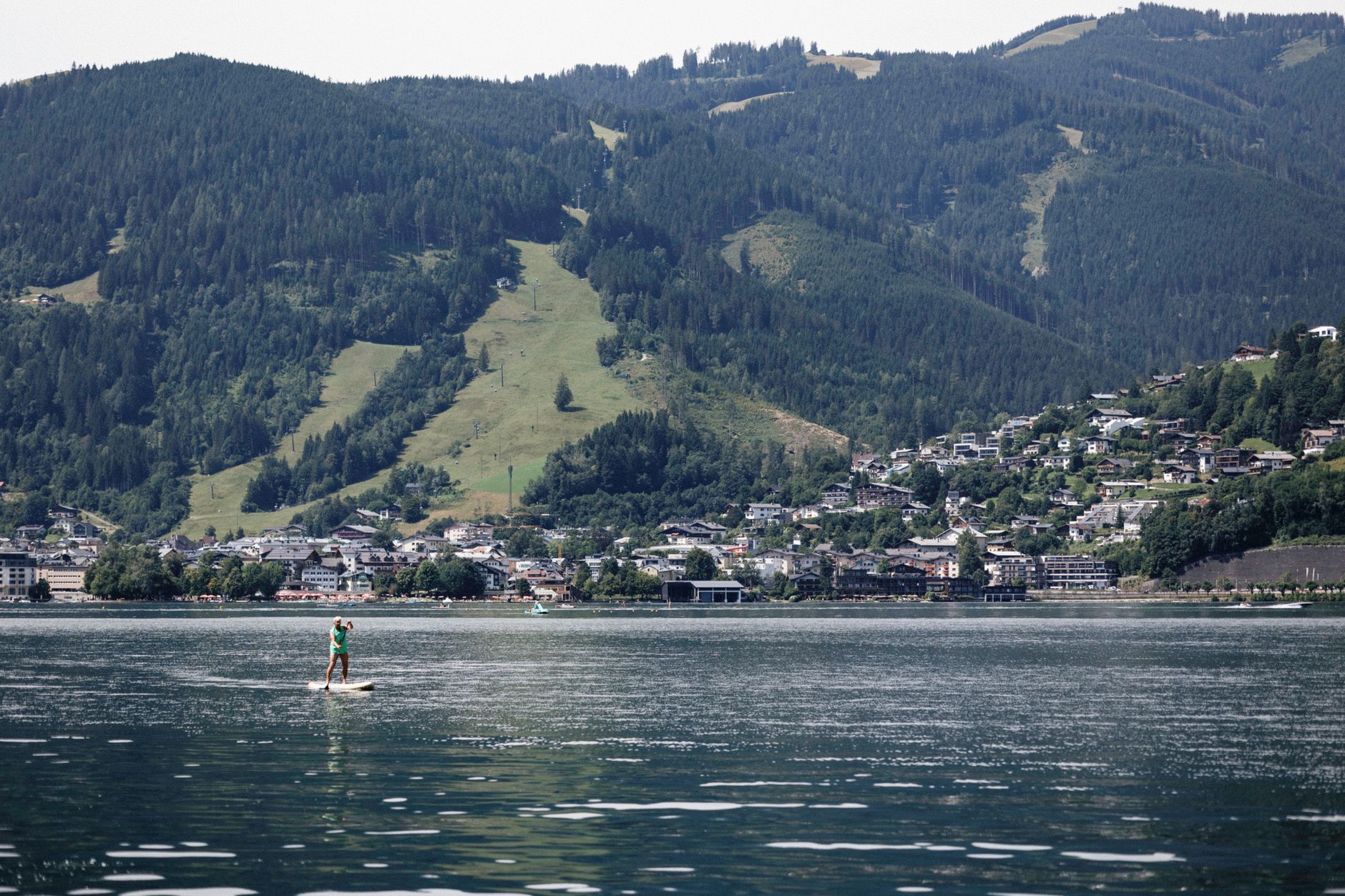
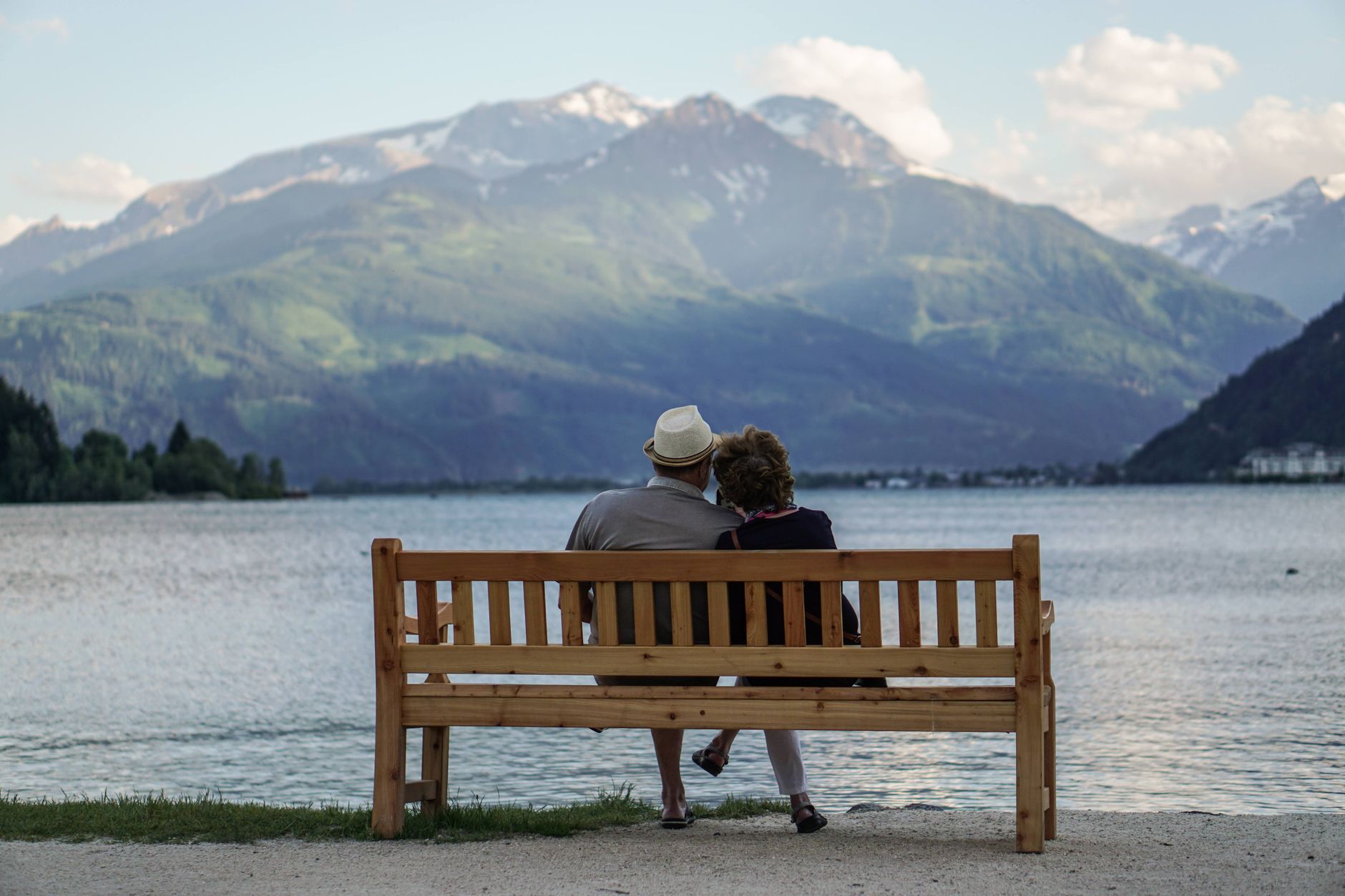
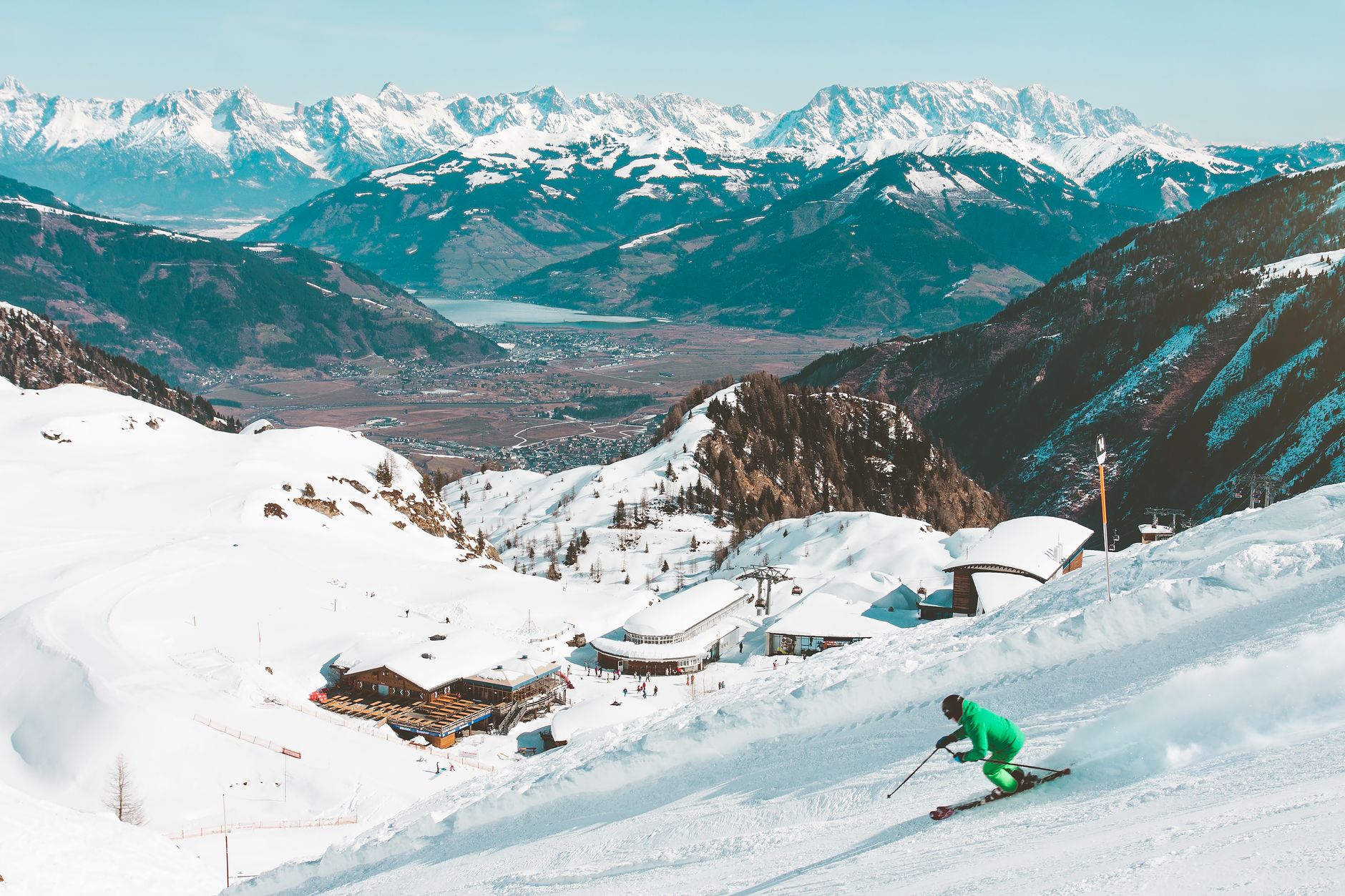
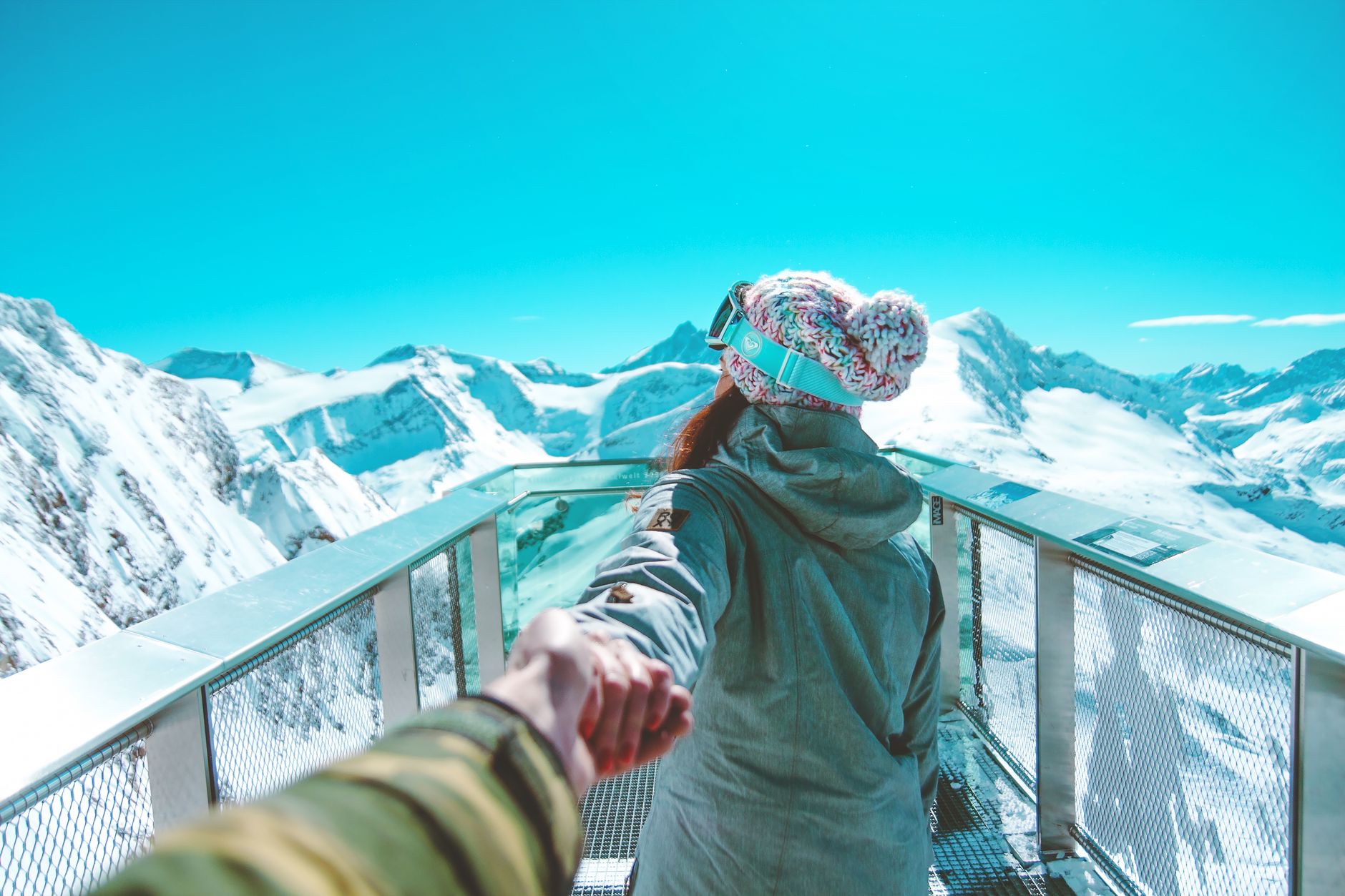
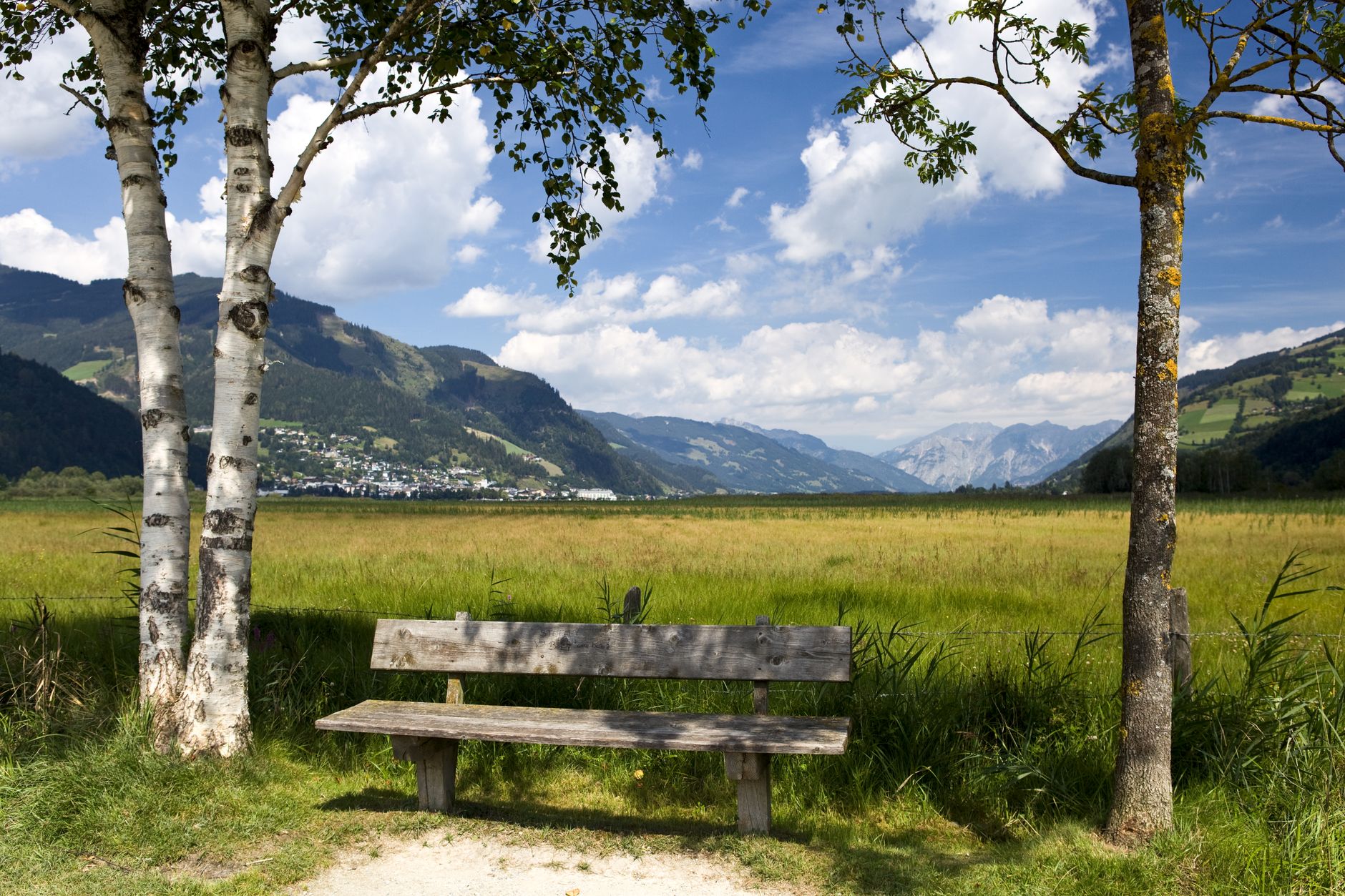
Zell am See is the kind of place that works on you quietly. The lake — 4.7 square kilometres, 68 metres deep, cold enough to shock you awake in August — sits at the centre of everything, and the Schmittenhöhe rises to nearly 2,000 metres behind the town. In winter the mountain draws skiers; in summer the water draws everyone else. The result is a town that genuinely functions year-round rather than going dormant between seasons.
The peninsula the old town sits on is compact enough to walk in an afternoon, with the Vogtturm — first recorded in 926 and the oldest structure here — anchoring one end, and the Belle Époque Grand Hotel anchoring the other. Stefan Zweig wrote here through the 1920s. Ferdinand Porsche spent his final years at the lakeside castle to the north. The place has always attracted people who wanted somewhere serious to be quiet.
💛 What travellers fall for
People who come back tend to mention the same few things: the early-morning ferry crossing before the day-trippers arrive, the Vogtturm's local history museum when the weather closes in, and the Hike Alpin Card if you're staying more than a few days and want to move freely between the cable cars at Kaprun, Saalbach and Leogang without doing the maths each time.
How Zell am See came to be
The name traces back to a monastic cell established around 740 AD on the orders of Bishop Johannes I of Salzburg — the settlement first appears in writing as 'Cella in Bisonzio' in a deed dated 743. It remained a modest ecclesiastical outpost for centuries, gaining market town rights in 1357, and was caught up in the German Peasants' War of 1526 before passing through French occupation during the Napoleonic era. The Vienna Congress of 1816 returned it to the Austrian Empire.
The railway arrived in 1875, and that changed everything. Within a generation, Zell am See had become a summer and winter retreat for the Austrian aristocracy — Empress Elisabeth and Emperor Franz Joseph among them. The Grand Hotel went up between 1894 and 1896, its white mansard facade still facing the lake from the tip of the peninsula. The town has been in the business of receiving visitors ever since.
Who and what shaped it
People who shaped it
Landmark buildings
See Zell am See in motion
Plan your visit
On the map
When to go
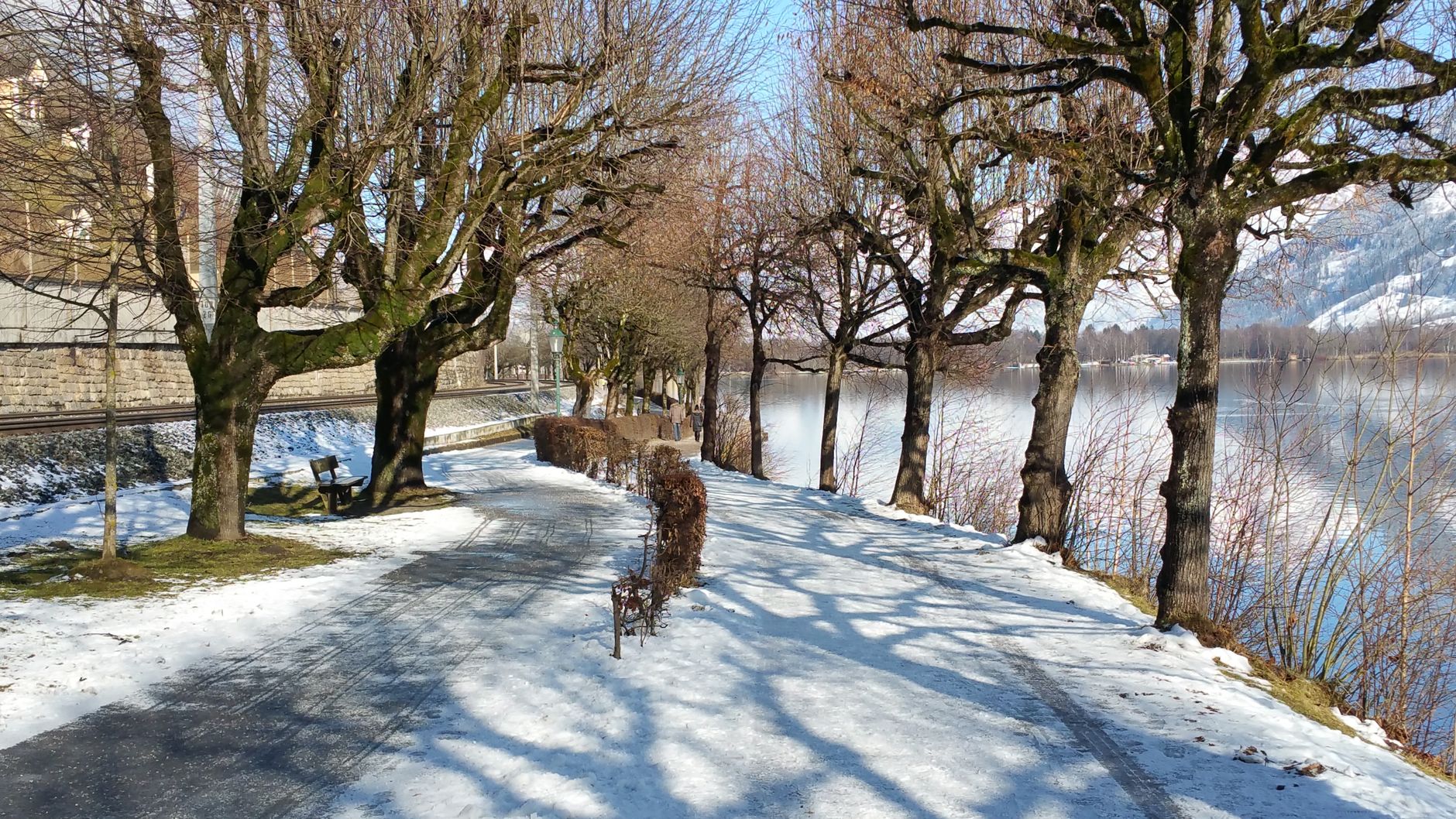
Summers are mild and often sunny, with lake temperatures peaking in July and August — warm enough to swim, cool enough to want to. Winters bring reliable snow on the Schmittenhöhe from December through March, while the valley floor can be grey and damp; if the mountain is your reason for coming, go up regardless of what the town looks like.
Right now
Background & history adapted from Wikipedia (CC BY-SA) · specs from Wikidata (CC0) · weather from Open-Meteo · map data © OpenStreetMap contributors · photos from Wikimedia Commons / Unsplash with per-image credit. No third-party reviews or social posts reproduced.