
Yogyakarta
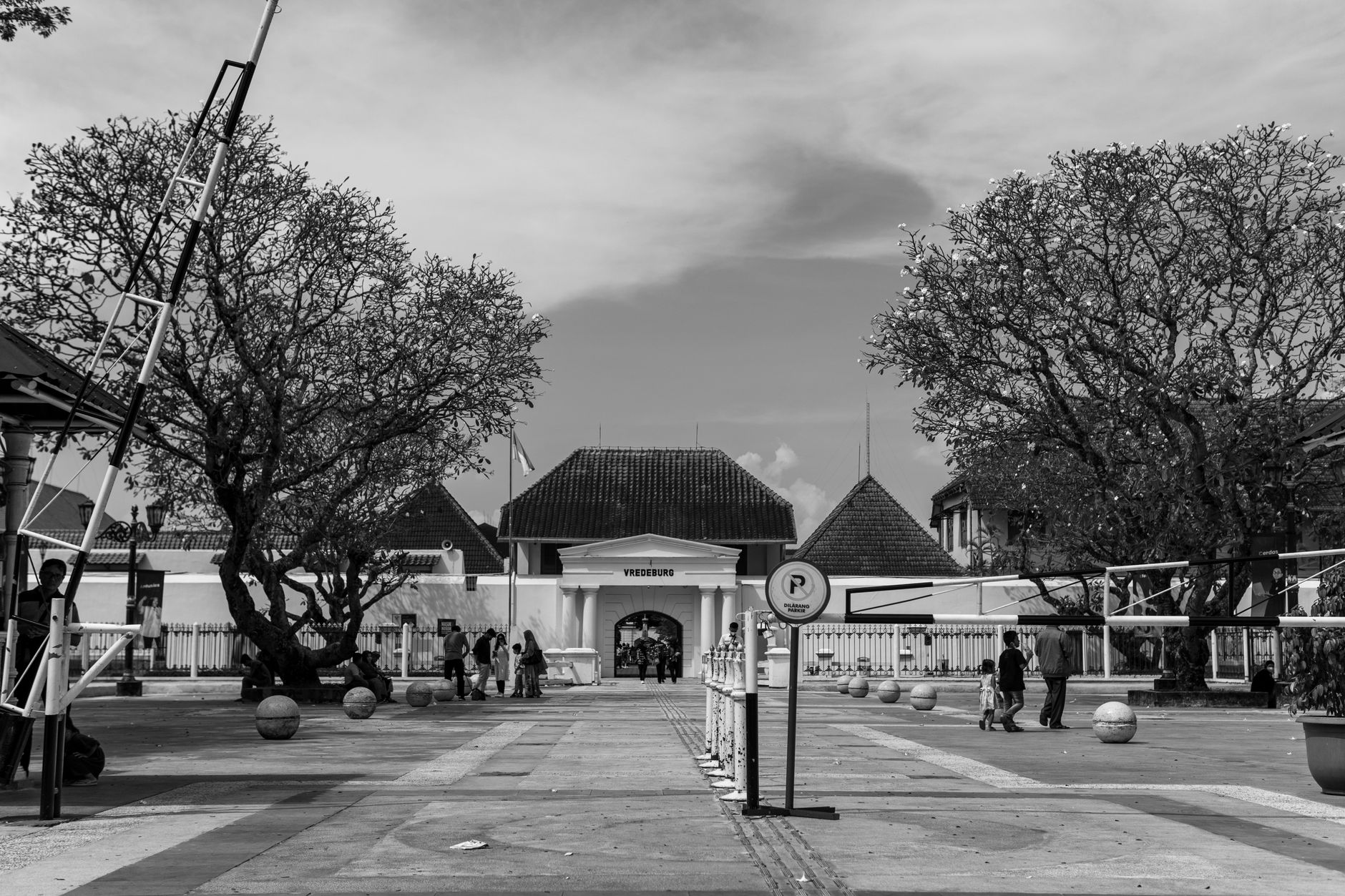
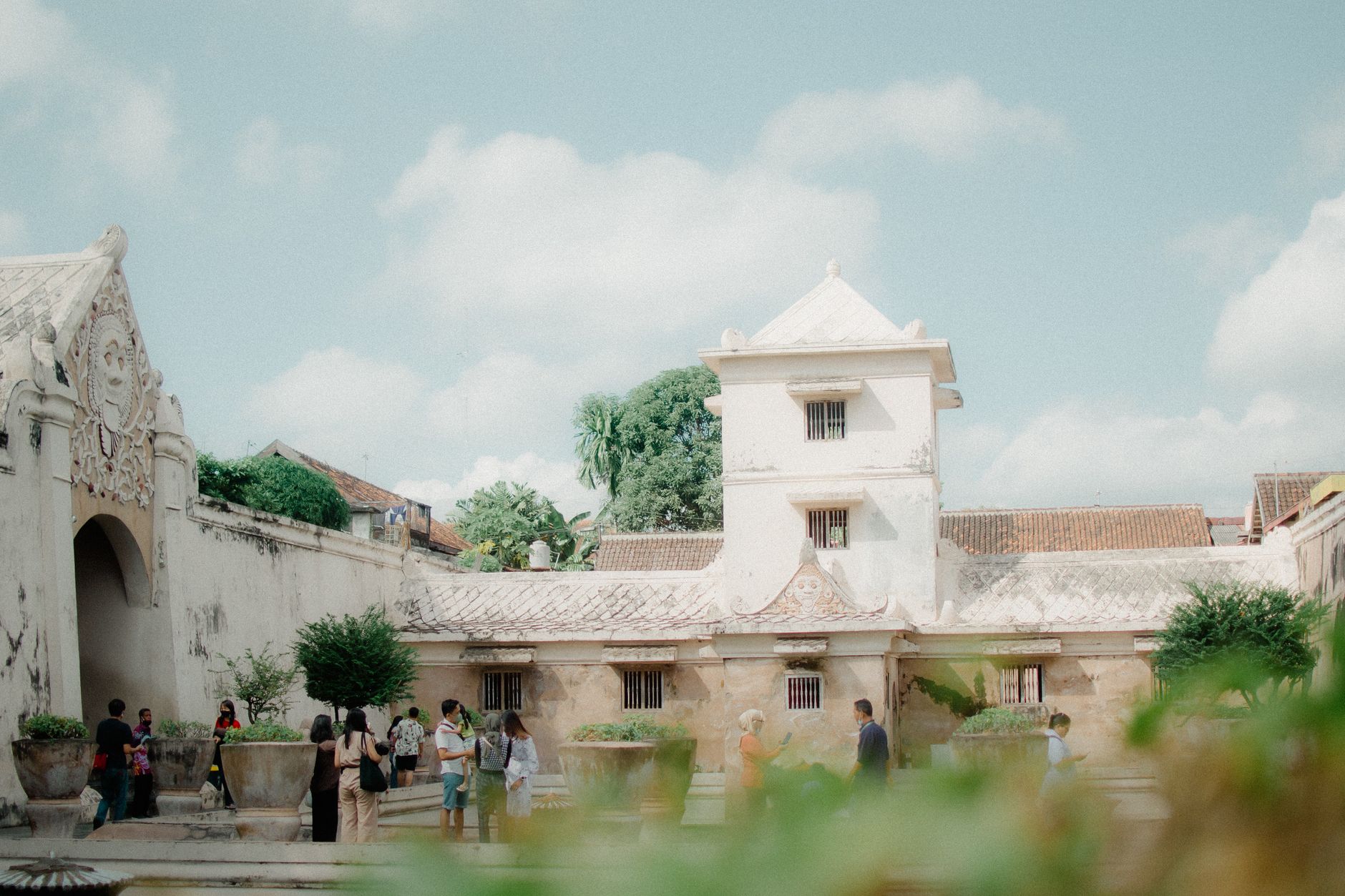
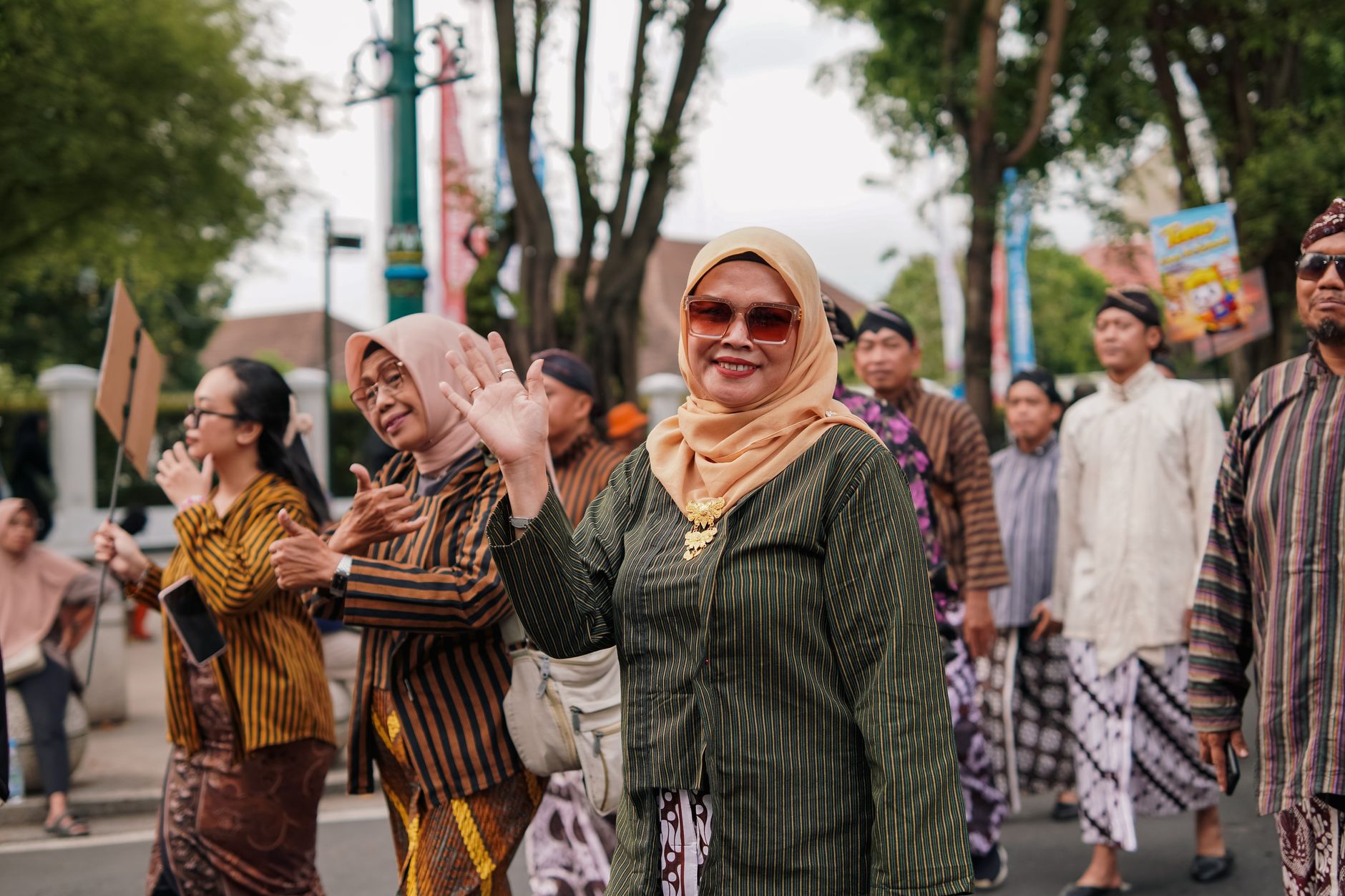
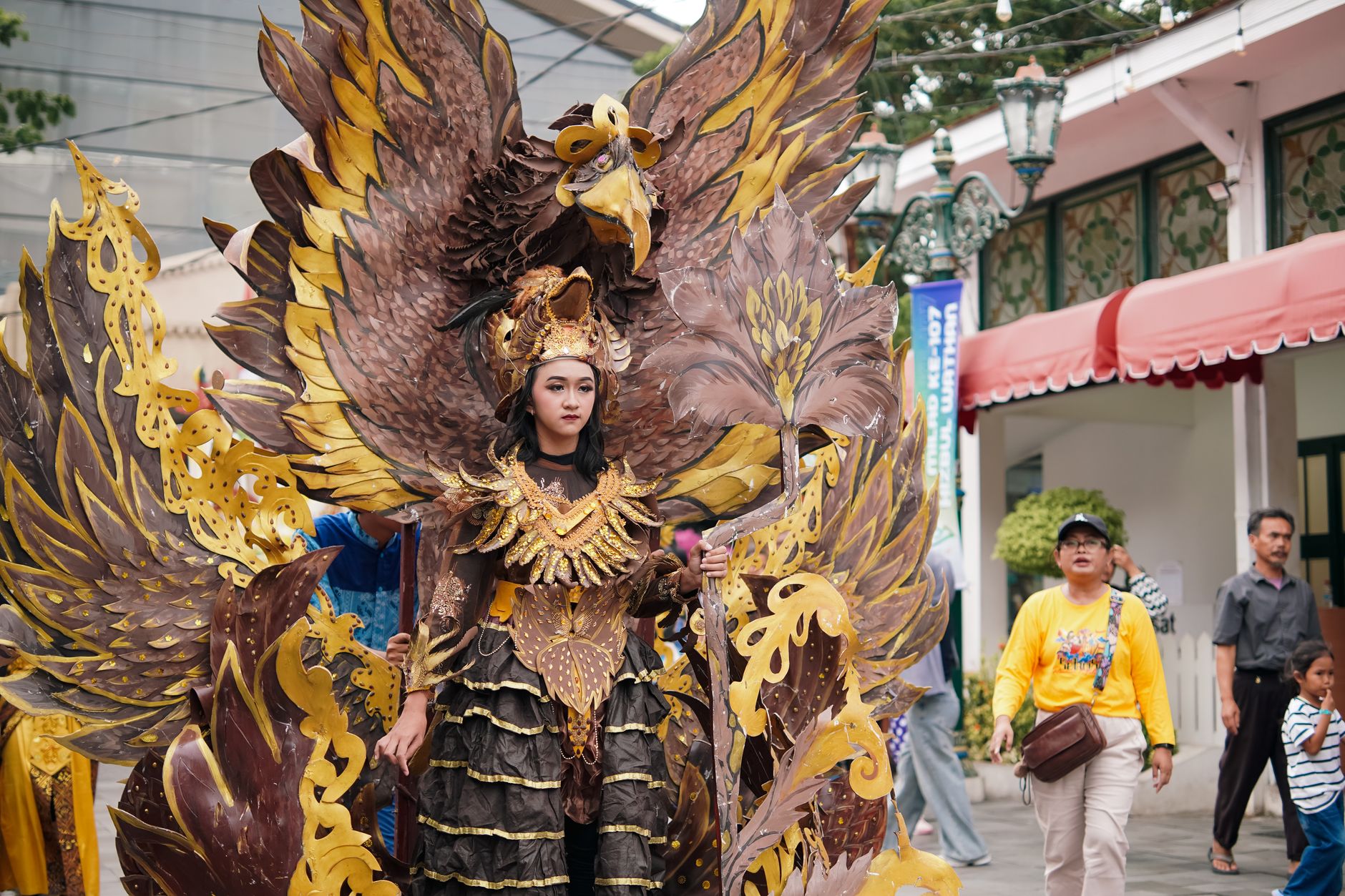
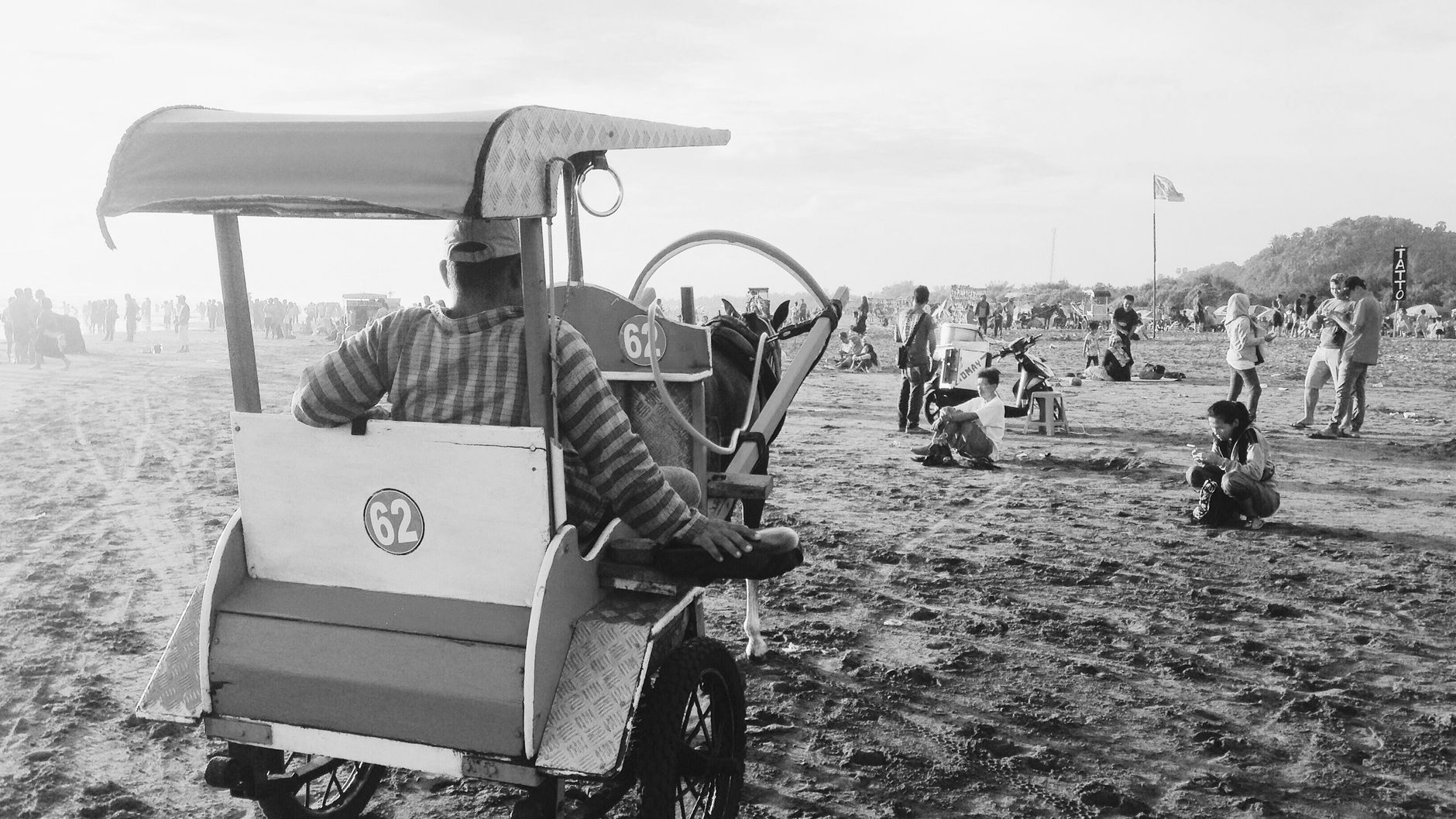
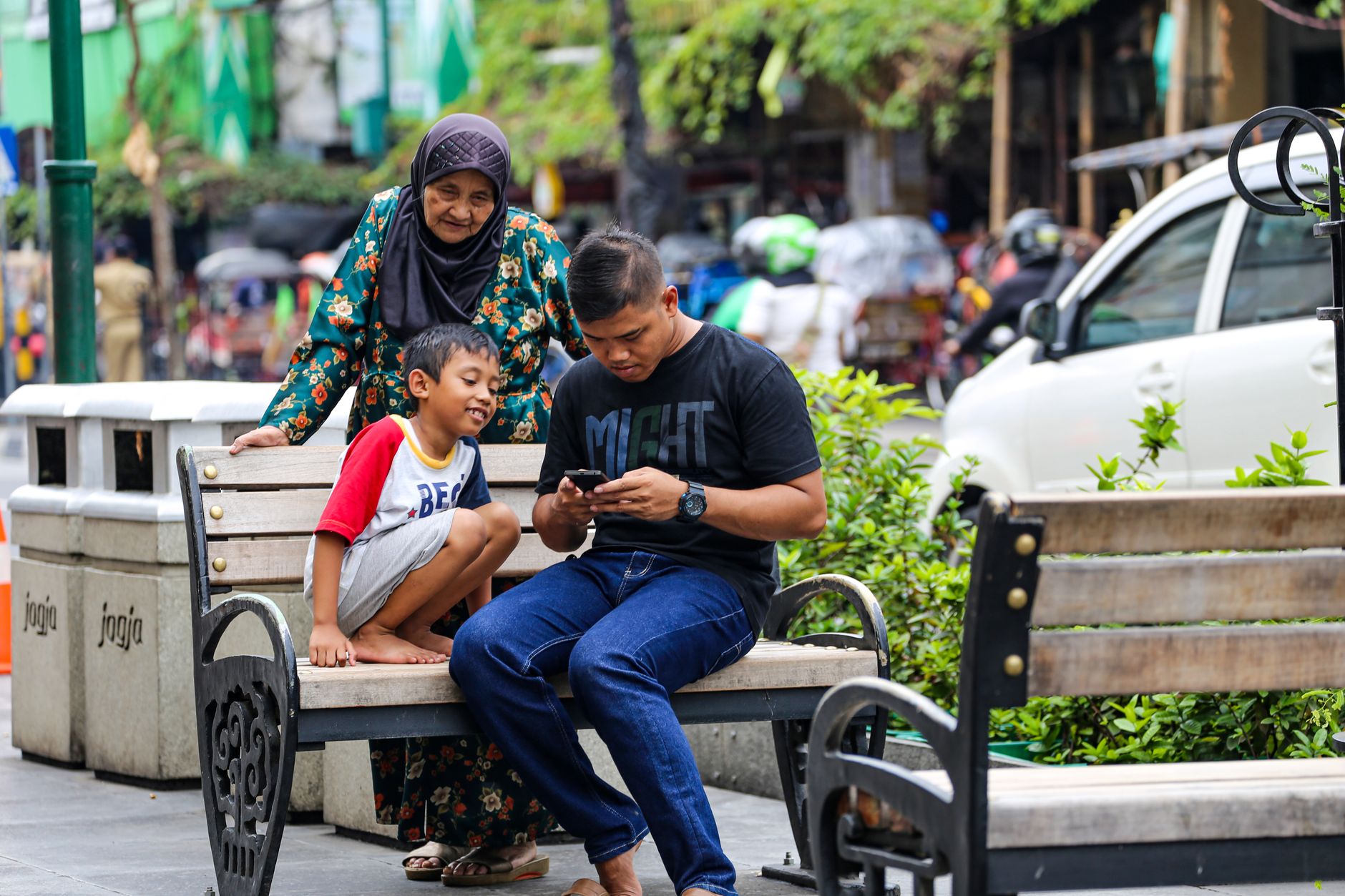
Yogyakarta sits at the centre of Javanese cultural life in a way that no other Indonesian city quite matches. The Sultan still lives in the Kraton palace he inherited, gamelan still drifts through the streets on certain evenings, and two of the world's great temple complexes — one Buddhist, one Hindu — stand within an hour's drive in opposite directions.
This is a city that operates on its own terms: a Special Region with a hereditary sultanate woven into its modern governance, a university town with a lively arts scene, and the practical base from which most people explore central Java's ancient monuments.
💛 What travellers fall for
People who come back tend to front-load the temples — Prambanan at opening time before the heat builds, Borobudur for sunrise if you've booked the access in advance. They eat at the warungs along Prawirotaman rather than Malioboro, and they find the Taman Sari water castle quieter and stranger the second time around than the first.
How Yogyakarta came to be
Yogyakarta came into being through a split. The 1755 Treaty of Giyanti divided the old Mataram Empire in two, and Prince Mangkubumi — who took the title Sultan Hamengkubuwono I — chose a site in a banyan forest and named his new city after the legendary Ayodhya of the Ramayana. The Kraton palace was completed by 1785 and remains the sultanate's seat today.
The city's relationship with resistance runs deep. Prince Diponegoro launched the Java War against Dutch colonisers here in 1825, a five-year conflict that ended in his exile. A century later, when Indonesia declared independence, Yogyakarta served as the republic's temporary capital during the struggle against Dutch return — a fact the city has never forgotten.
Who and what shaped it
People who shaped it
Landmark buildings
See Yogyakarta in motion
Plan your visit
On the map
When to go
The dry season runs June through September, with only scattered rain and manageable heat — the most comfortable window for temple visits and outdoor travel. The wet season peaks in February, when nearly 400 mm of rain can fall across 18 days, though mornings often stay clear enough for an early temple run.
Right now
Background & history adapted from Wikipedia (CC BY-SA) · specs from Wikidata (CC0) · weather from Open-Meteo · map data © OpenStreetMap contributors · photos from Wikimedia Commons / Unsplash with per-image credit. No third-party reviews or social posts reproduced.