
Yanaka
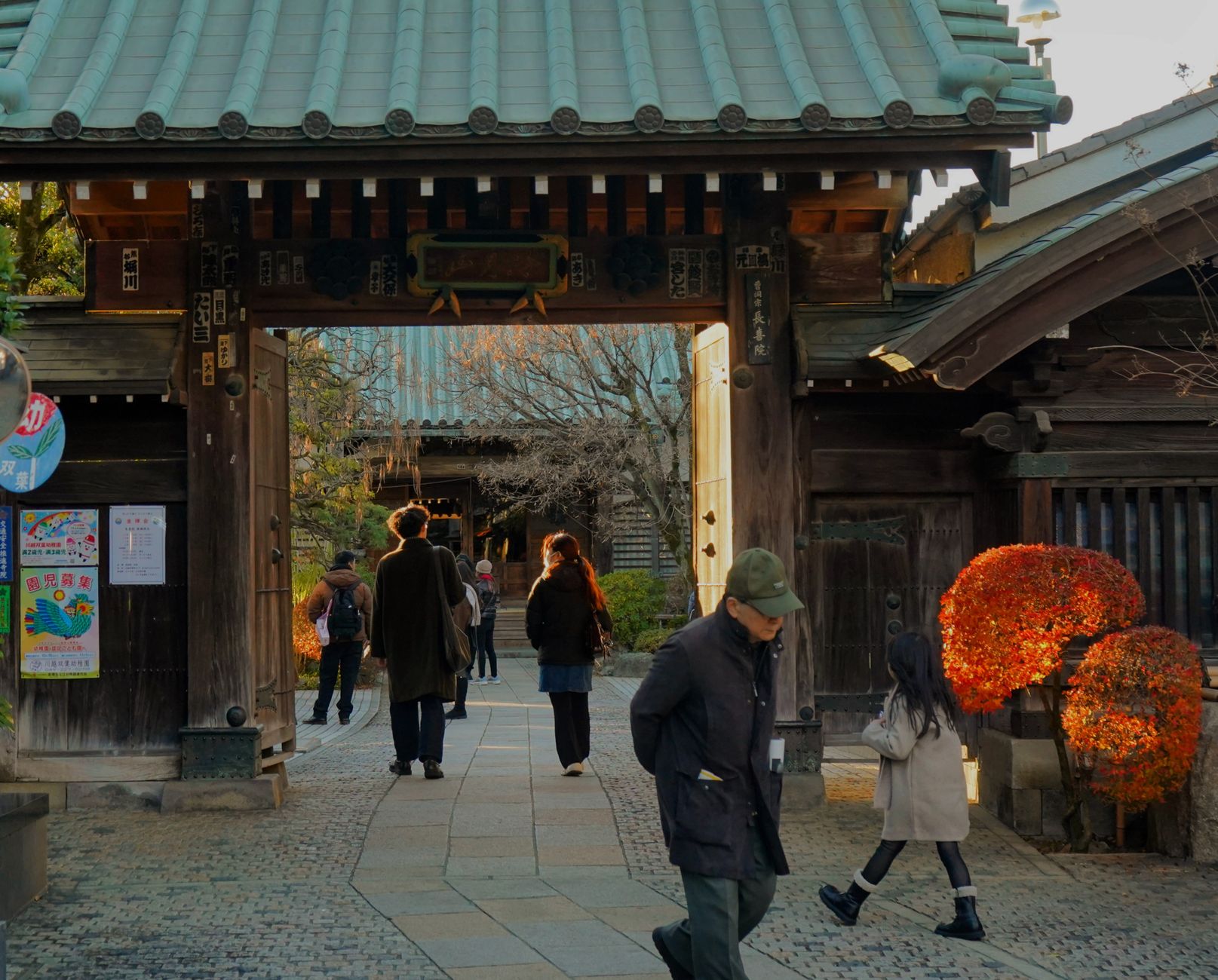
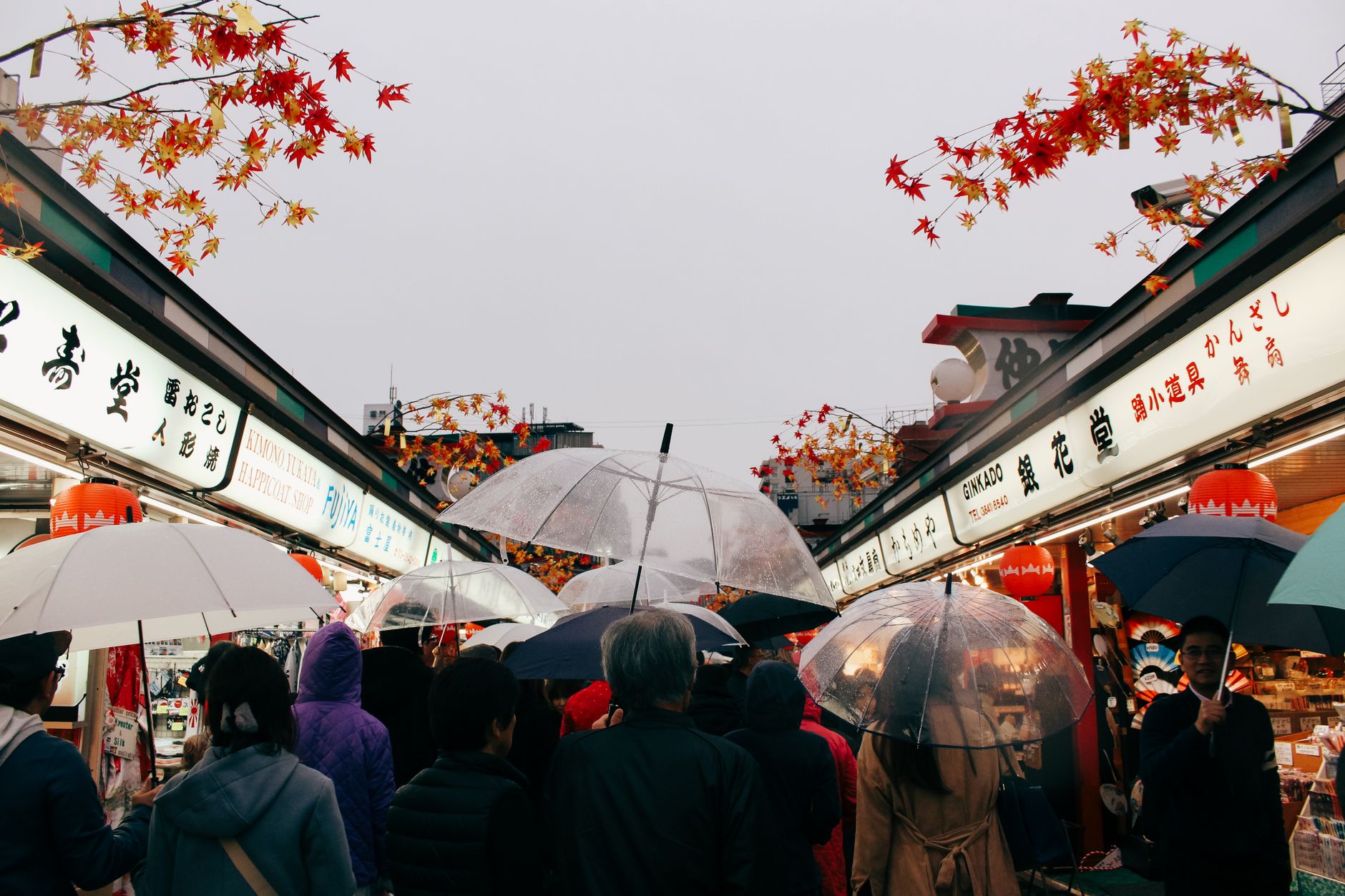
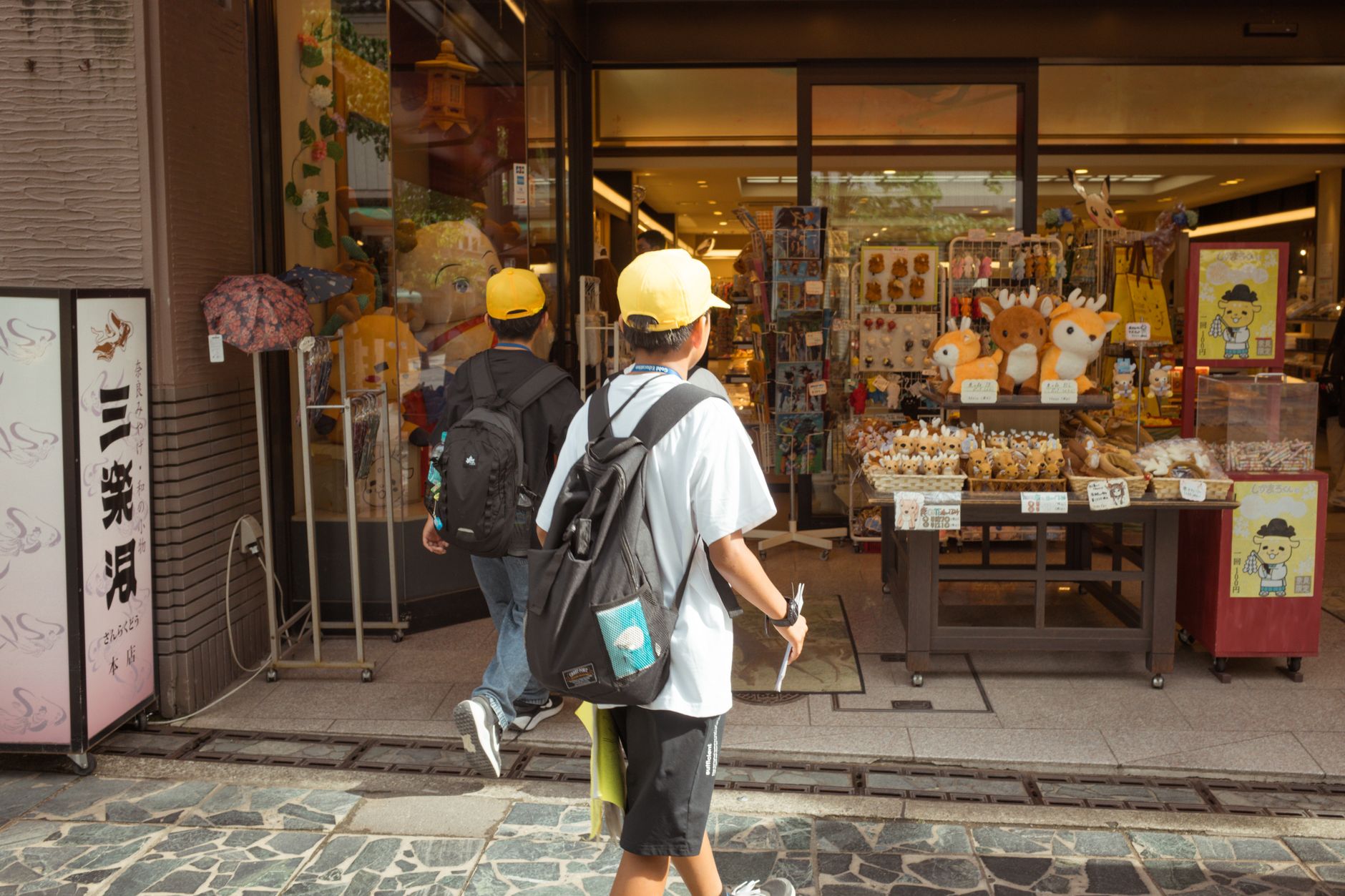
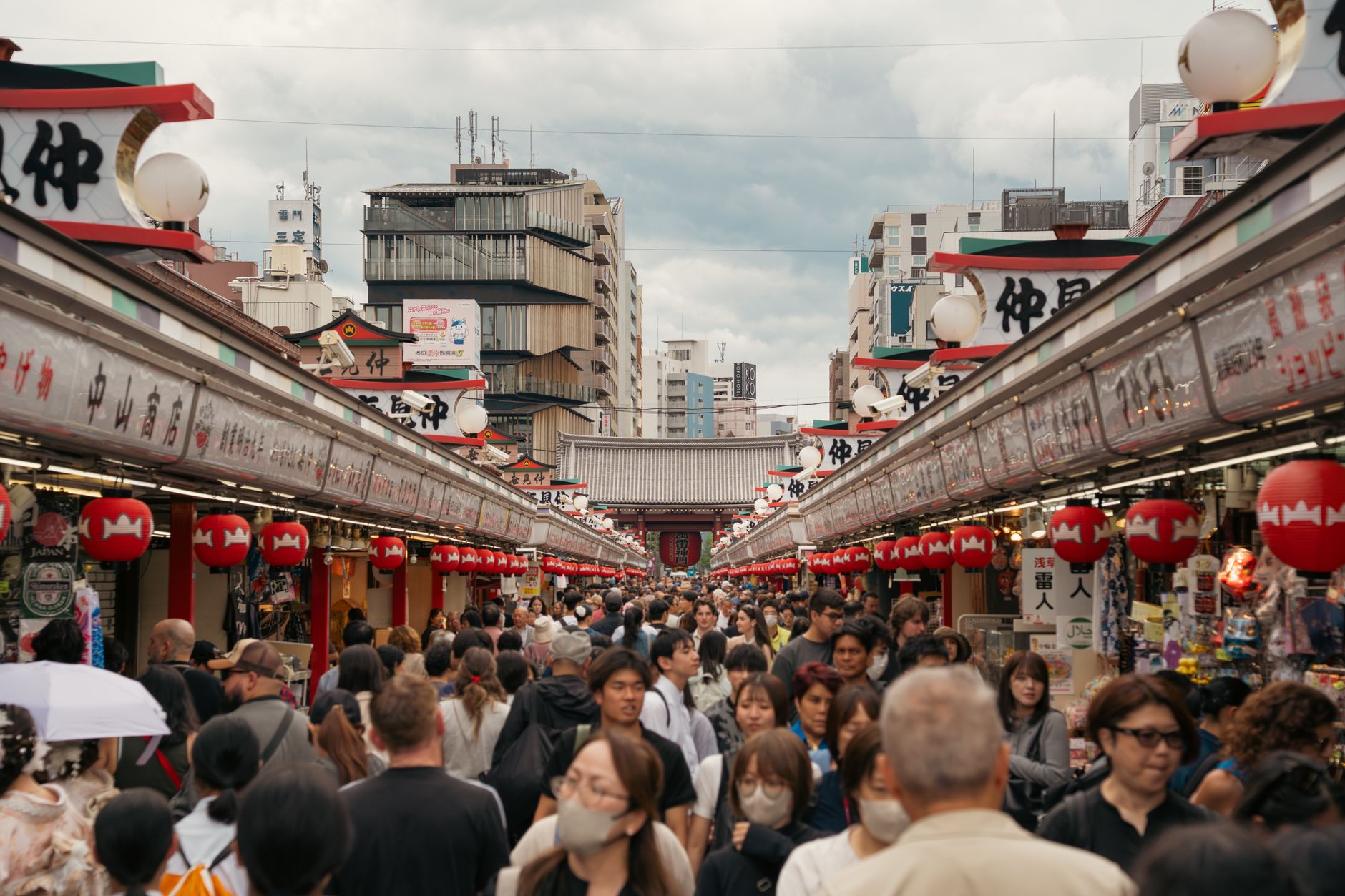
Seventy-six temples stand in Yanaka — more than in any other quarter of Tokyo — and on a weekday morning you can walk among them almost alone, the smell of incense drifting across lanes so narrow that neighbours can pass dishes between windows. What makes Yanaka strange and worth your time is not that it survived while the rest of the city burned and was rebuilt, though it did survive the 1923 earthquake and the wartime bombings both. It's that surviving left it looking like a city that never fully agreed to become Tokyo.
The ten hectares of Yanaka Cemetery hold the grave of the last Tokugawa shogun, Yoshinobu, along with cherry trees whose blossoms draw far fewer visitors than the famous rows in Ueno Park a short walk away. The 170-metre shopping street, Yanaka Ginza, sells grilled skewers and handmade goods from low-slung wooden shopfronts. The whole neighbourhood rewards slow walking and no particular agenda.
💛 What travellers fall for
People who come back tend to arrive via Nippori Station, walk the five minutes past the temple walls to the Yuyake Dandan steps, and descend into the Ginza around eleven — before the afternoon crowds. Kayaba Coffee, the 1916 wooden building that reopened in 2009 after years dark, is the place to sit with something warm before the walking starts. Bring cash; many stalls don't take cards.
Deals in Yanaka
Book directly at the provider
How Yanaka came to be
Yanaka's character was fixed early. In 1625, the Tokugawa Shogunate began relocating and constructing temples here, using the district as a kind of spiritual buffer around the new capital's northern edge. Tennoji Temple, the oldest in the area, dates to 1274 and by 1690 had erected a Buddha in deliberate echo of the great daibutsu at Kamakura. By the height of the Edo period the neighbourhood was dense with Nichiren and Tendai temples — 76 within Yanaka alone — and the layered street life that grows up around religious districts: tea houses, craftsmen, small commerce.
The Great Meireki Fire of 1657 spared Yanaka when much of Edo burned. The 1923 Kanto Earthquake and the Second World War air raids that levelled whole swathes of the city spared it again. Yanaka Cemetery, established in 1874 across ten hectares of old ground, became the resting place of Meiji-era cultural figures and, in a walled enclosure, the last shogun himself. Each reprieve left another layer intact.
Who and what shaped it
People who shaped it
Landmark buildings
See Yanaka in motion
Plan your visit
On the map
When to go
Spring (late March to early April) brings cherry blossoms to the cemetery's central avenue, and the light through old trees makes the walk worth timing your trip around. Autumn is cooler and clear, with good colour in the temple grounds from late October; summer is hot and humid, though the shaded lanes and early-morning quiet make a visit manageable if you start before noon.
Right now
Background & history adapted from Wikipedia (CC BY-SA) · specs from Wikidata (CC0) · weather from Open-Meteo · map data © OpenStreetMap contributors · photos from Wikimedia Commons / Unsplash with per-image credit. No third-party reviews or social posts reproduced.