
Xochimilco


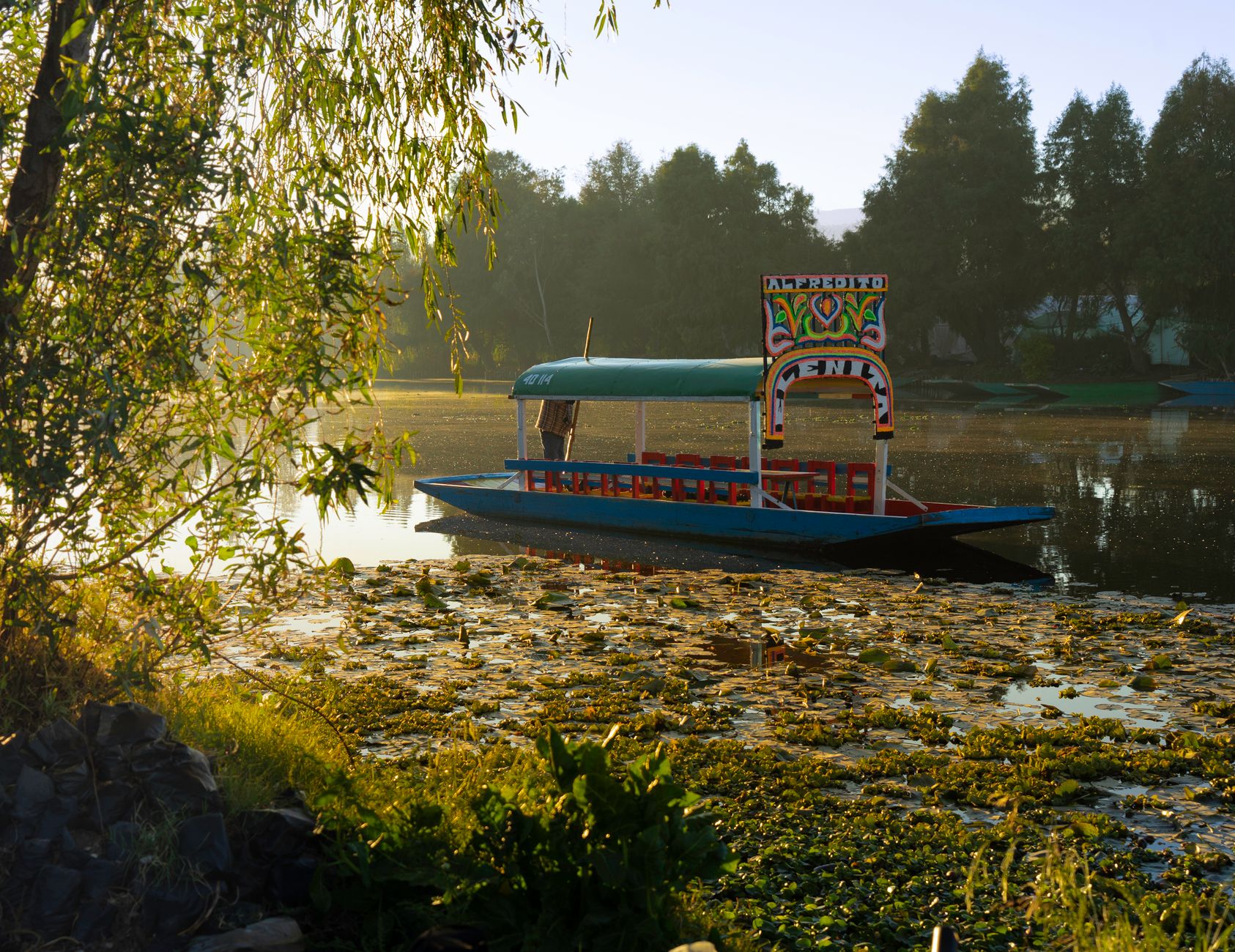
Stand at the embarcadero on a Tuesday morning and the canal is almost quiet — a single trajinera pushes through water the colour of jade, the boatman working a long pole with the unhurried rhythm of someone who has done this ten thousand times. Xochimilco sits 28 kilometres south of central Mexico City, but it operates on a different clock entirely, one set by water and agriculture rather than traffic and concrete.
The 170 kilometres of canals here are what remain of a lake-fed farming system that fed an empire. The artificial islands — chinampas — have been worked continuously for over a thousand years, and some families on the outer channels still grow flowers and vegetables on the same plots their ancestors built from lake sediment and reeds.
💛 What travellers fall for
People who come back tend to say the same thing: go on a weekday, bring cash in small bills, and walk the town itself before you board anything. The Museo Arqueológico out in Santa Cruz Acalpixca rewards the detour — 2,441 pieces, mostly ceramic, and almost never crowded. The juniper outside San Juan Bautista Tlateuhchi is worth a long look too.
Deals in Xochimilco
Book directly at the provider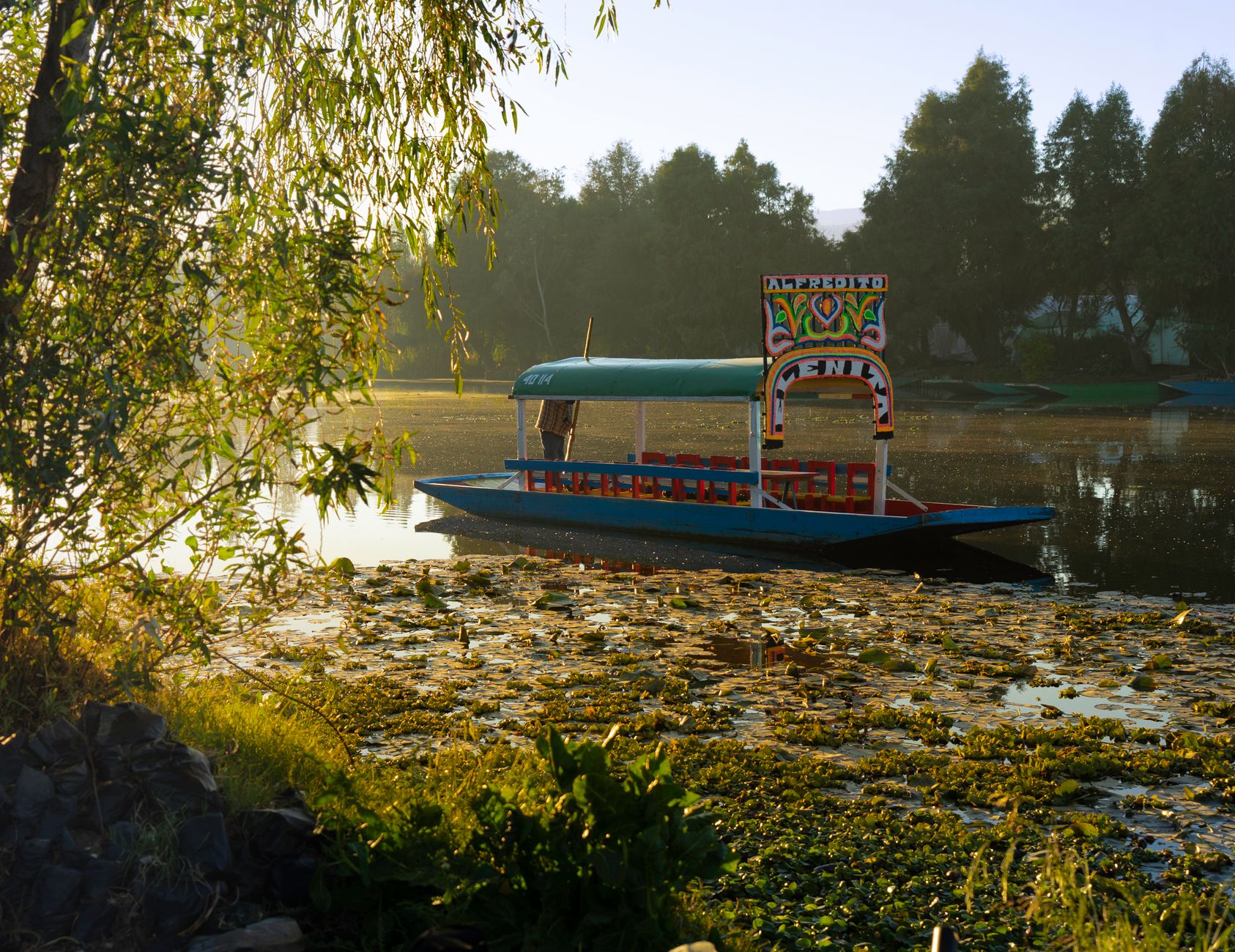

How Xochimilco came to be
Xochimilco was founded in 919 CE by the Xochimilca, a Nahua people who migrated into the Valley of Mexico and built their civilisation on water. Their first leader, Acatonallo, is credited with devising the chinampa system — anchored reed-and-soil islands that turned a shallow lake into one of the most productive agricultural landscapes in the pre-Columbian world. The city was also, unusually, ruled at one point by a woman, something recorded nowhere else in Mesoamerican history from that period.
Tenochtitlan absorbed Xochimilco by conquest in 1430. The Spanish followed in 1521 — Hernán Cortés sent armies here before taking Tenochtitlan itself — and the city became an encomienda under Pedro de Alvarado. Construction of San Bernardino de Siena church began in 1535, a project that would not fully finish until the early seventeenth century. In 1928 Mexico City swallowed the borough administratively, and in 1987 UNESCO designated the canals and chinampa ecosystem a World Heritage Site.
Who and what shaped it
People who shaped it
Landmark buildings
See Xochimilco in motion
Plan your visit
On the map
When to go
Xochimilco shares Mexico City's high-altitude pattern: mild days year-round, with afternoon rains arriving most days from June through September. The dry season, November through April, gives you clearer skies and calmer water for canal travel, though mornings can be genuinely cold.
Right now
Background & history adapted from Wikipedia (CC BY-SA) · specs from Wikidata (CC0) · weather from Open-Meteo · map data © OpenStreetMap contributors · photos from Wikimedia Commons / Unsplash with per-image credit. No third-party reviews or social posts reproduced.