
Wilderness
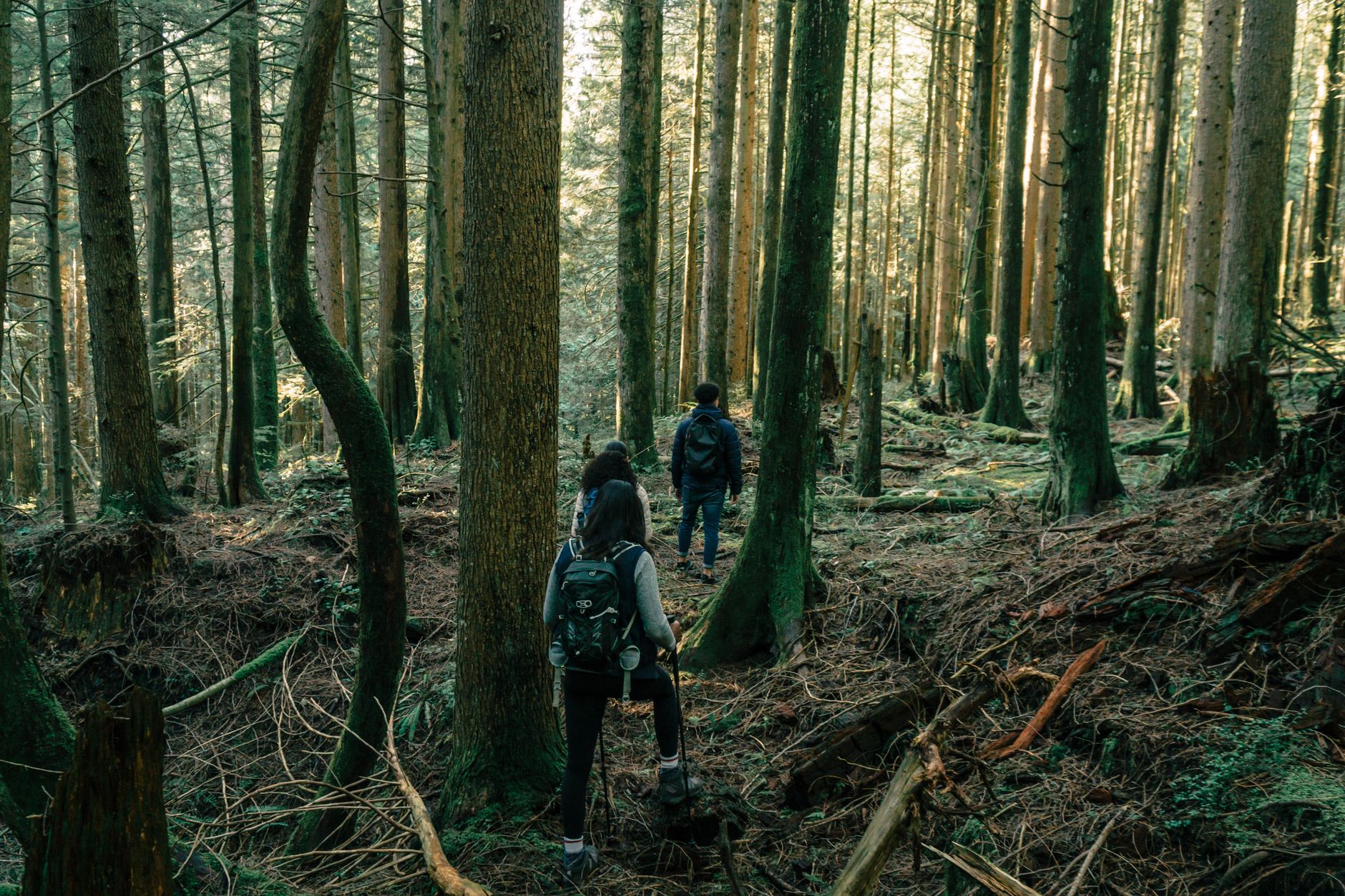
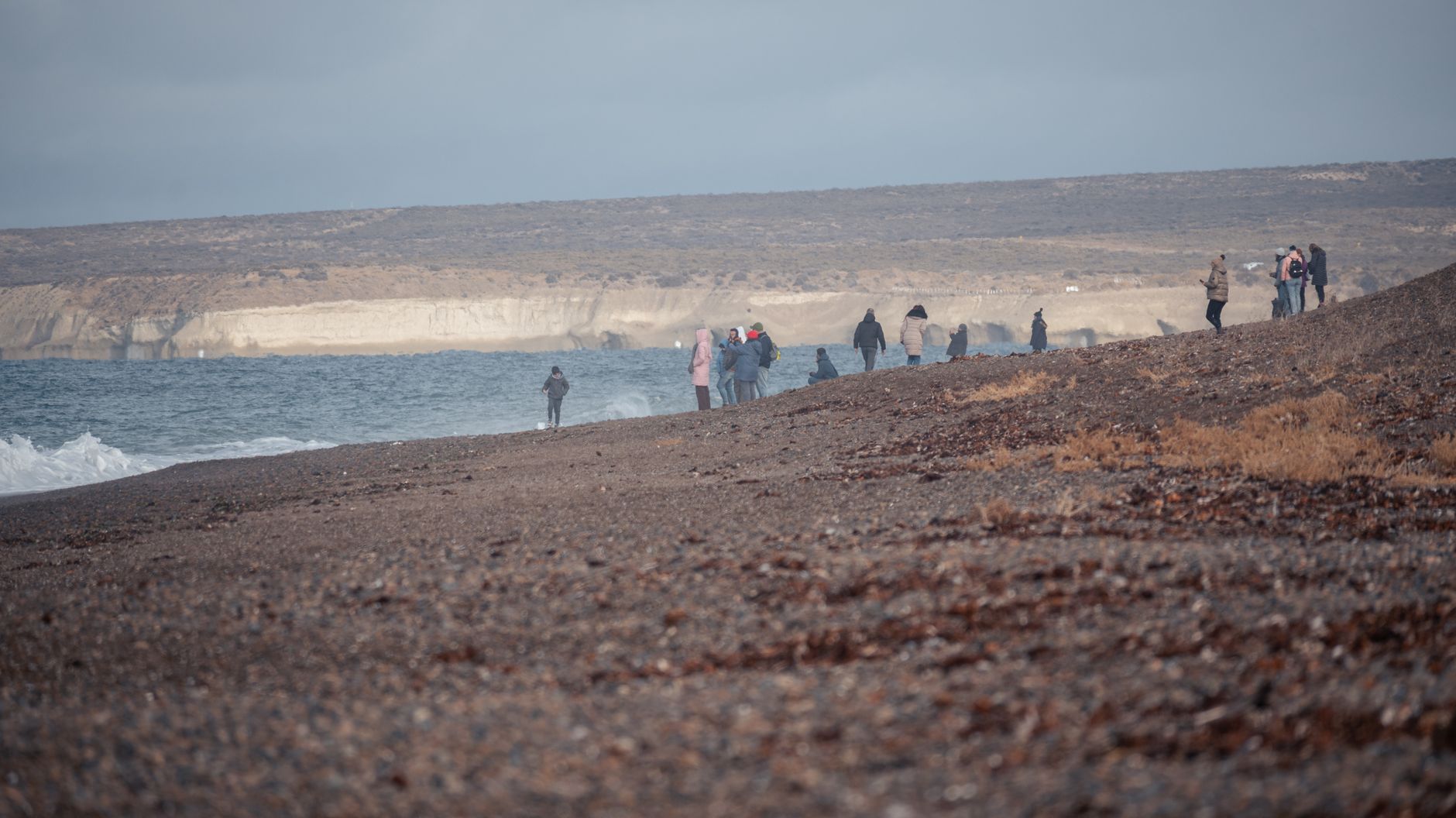
The name came first, then the place grew into it. When George Bennett arrived at the mouth of the Touw River in 1877 and called his plot of land The Wilderness, he couldn't have known he was naming something that would stick — a small town on the Garden Route where five river systems and a long arc of beach conspire to slow everything down.
Wilderness sits just ten kilometres east of George, but the two places feel further apart than that. The N2 brings you over Kaaimans Pass and drops you into a landscape of lagoons, estuaries and coastal forest where canoes outnumber taxis and an 800-year-old yellowwood tree still stands in the hills above town.
💛 What travellers fall for
People who come back tend to book the same canoe from Eden Adventures — the Touw River paddle costs around 280 rand and takes you into the reeds without a guide, which is the point. They also tend to show up at the Friday Night Market early, before the braai smoke gets thick, and leave via the Map of Africa viewpoint on the way out of town.
Deals in Wilderness
Book directly at the provider


How Wilderness came to be
George Bennett, a merchant from Liverpool, bought the land at the Touw River mouth in 1877 and named the farm The Wilderness. He and his wife Henrietta raised a son and twin daughters there before Bennett died in his early thirties. Henrietta returned to England, and the property changed hands.
In 1902, after the South African War ended, a syndicate led by Montagu White purchased the farm and opened it as a guest house — one of the earliest formal accommodations on this stretch of coast. White also laid out the road that still bears his name. The town's character shifted again in 1928 when the railway from George to Knysna opened, making Wilderness the only stop between the two towns and putting it on the map in a more literal sense.
Who and what shaped it
People who shaped it
Landmark buildings
See Wilderness in motion
Plan your visit
On the map
When to go
Wilderness sits at a steady 21°C year-round, warmest in February and mild even in July. December delivers the most daily sunshine, and the summer months from November to March are the driest — though rain is genuinely possible at any time of year, which keeps the rivers full and the forest green.
Right now
Background & history adapted from Wikipedia (CC BY-SA) · specs from Wikidata (CC0) · weather from Open-Meteo · map data © OpenStreetMap contributors · photos from Wikimedia Commons / Unsplash with per-image credit. No third-party reviews or social posts reproduced.