
Wachau Valley
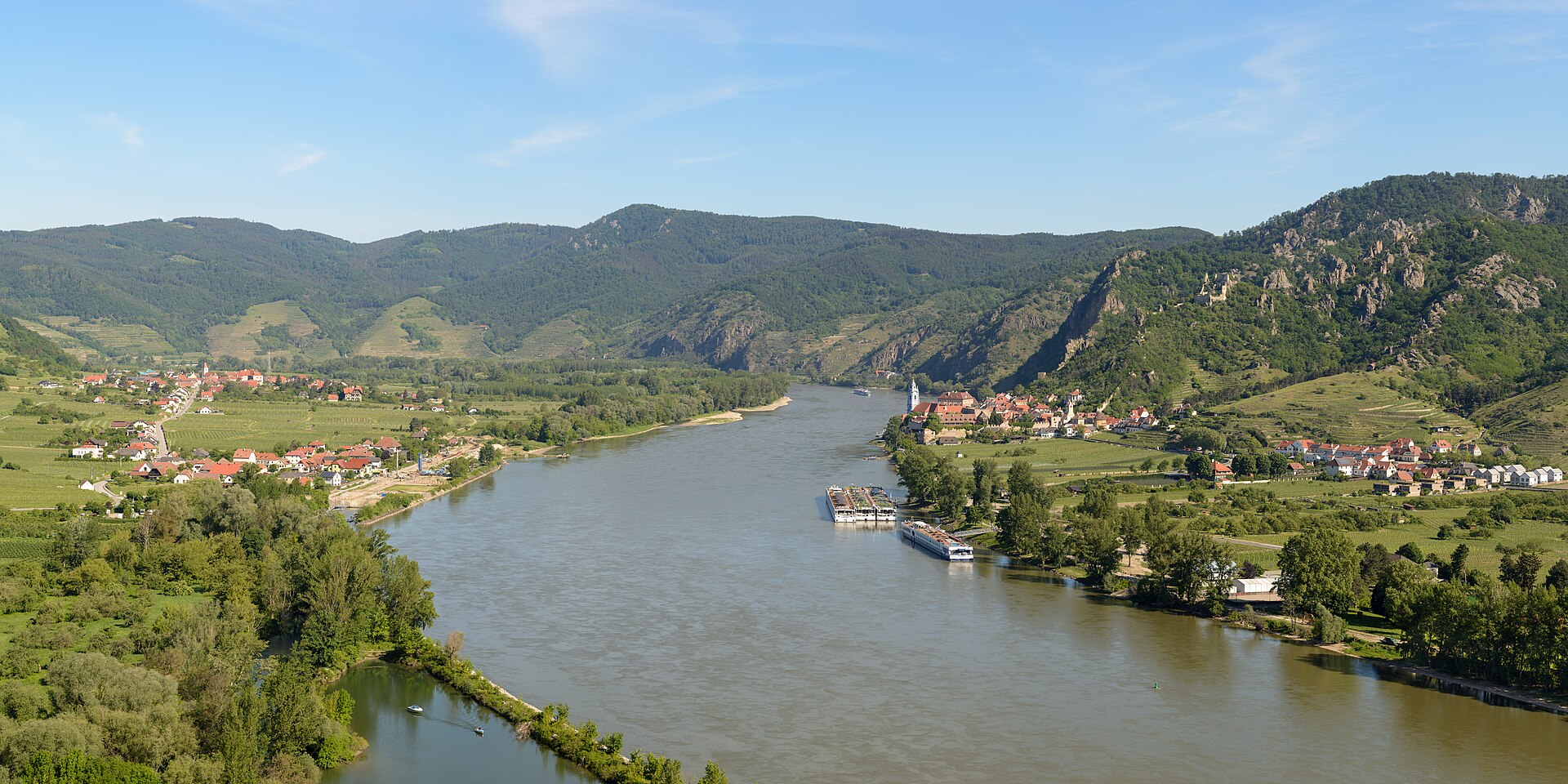
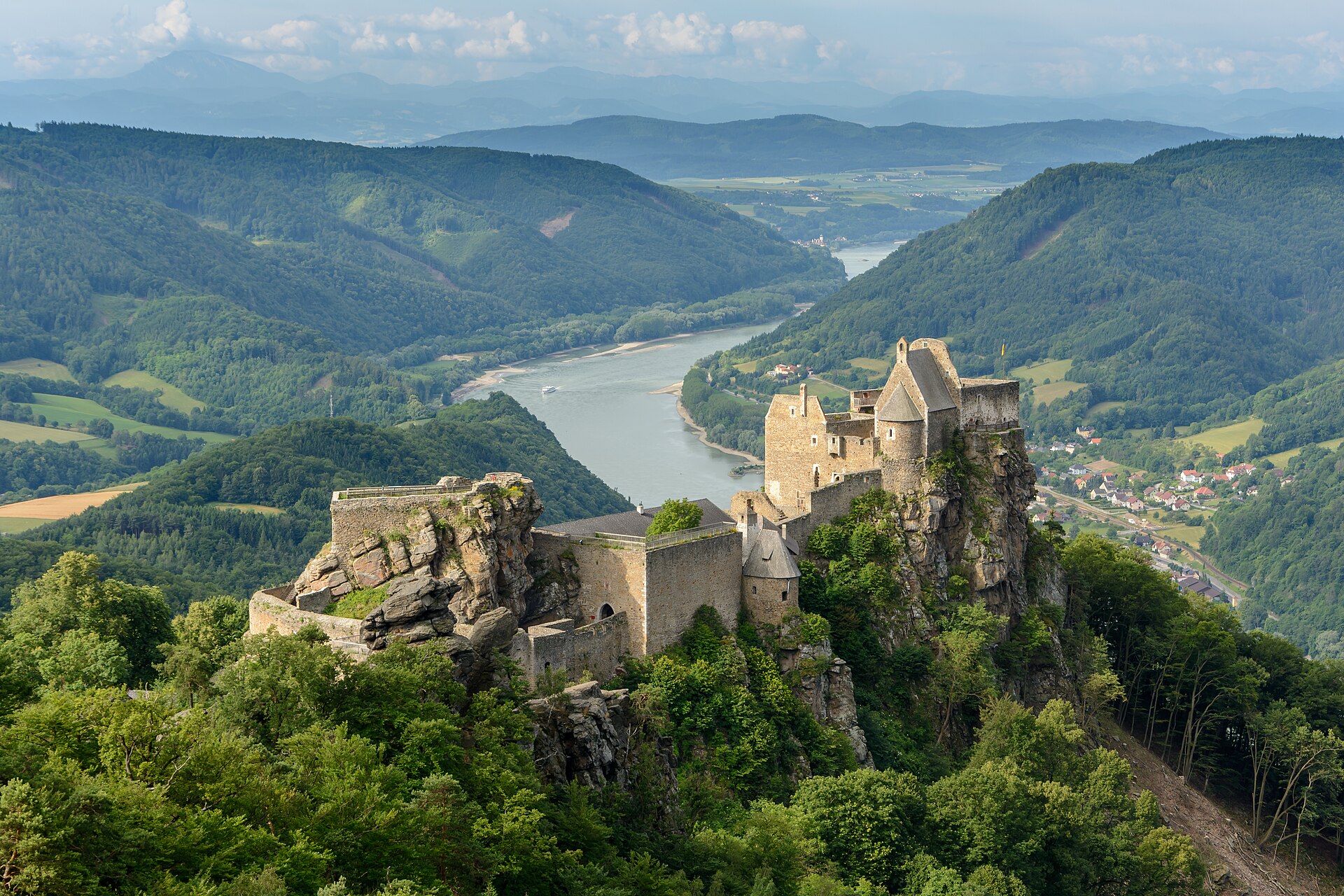
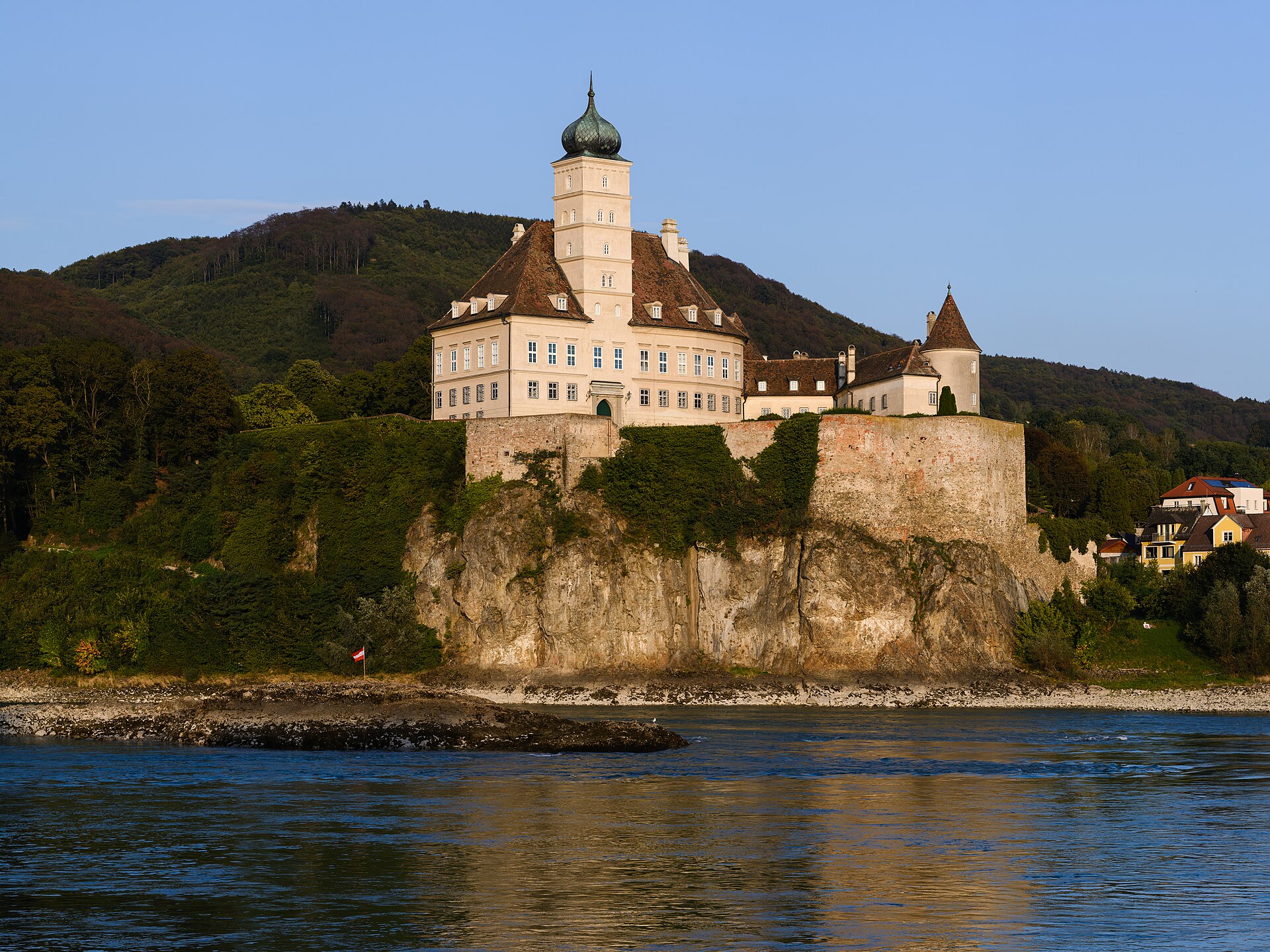
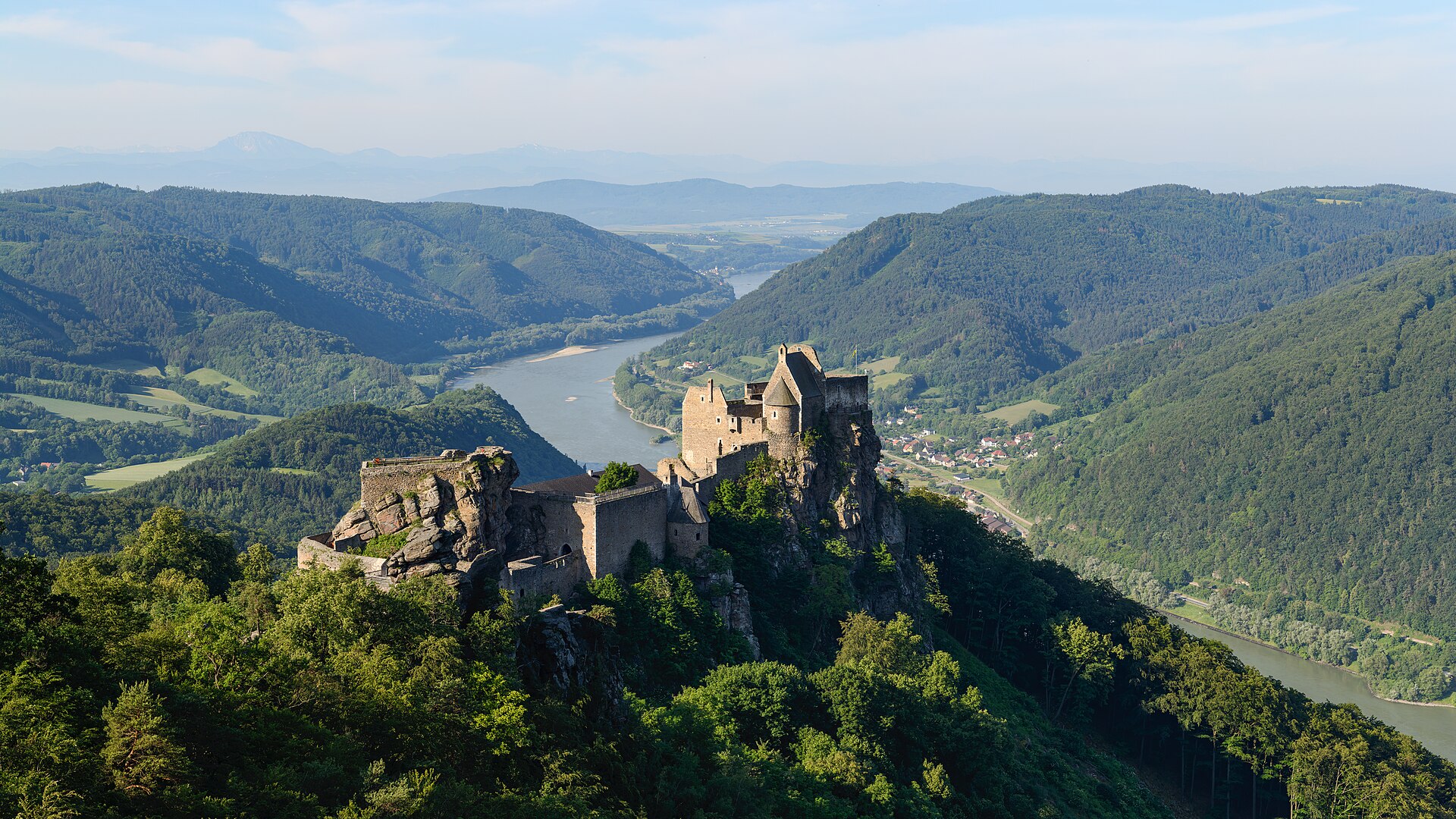
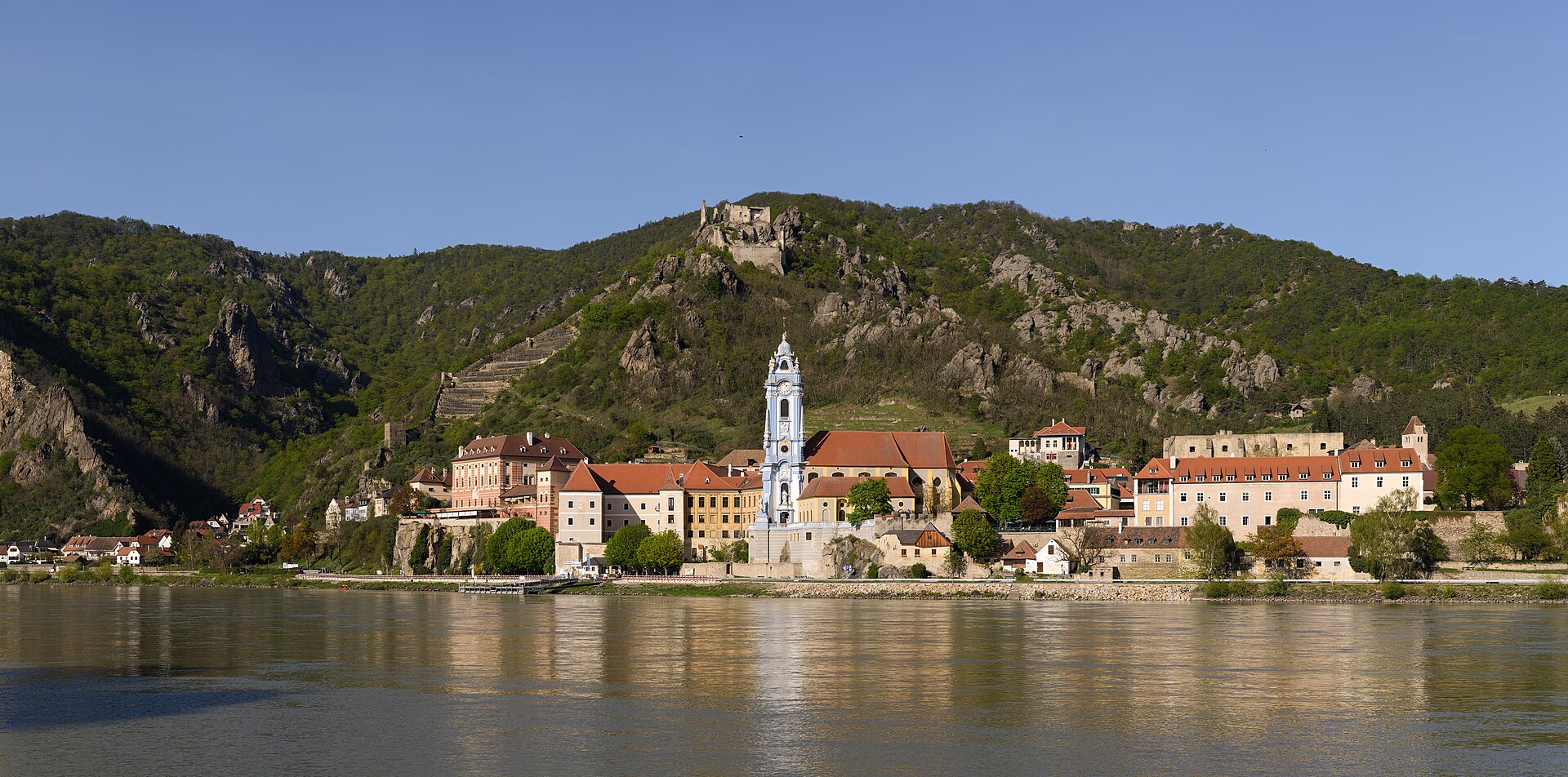
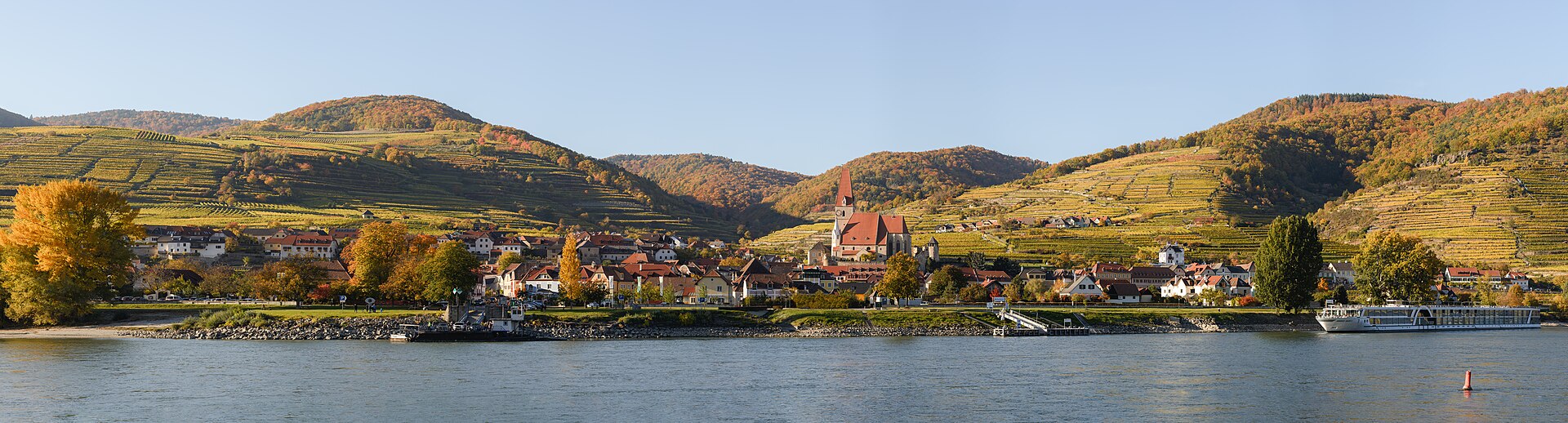
The Danube doesn't slow down for much, but through the Wachau it seems to. For roughly 36 kilometres between Melk and Krems, the river bends between terraced vineyards and apricot orchards, past ruined castles perched on basalt cliffs and abbey towers that have been catching the morning light for nearly a thousand years. It is a working landscape — the Grüner Veltliner and Riesling grown on these slopes are among Austria's most serious wines — and that keeps it from tipping into mere scenery.
The valley runs east to west, which means the south-facing slopes get long afternoon sun, and the villages along both banks have distinct characters. Dürnstein has its blue church tower and castle ruins. Krems has medieval gates and contemporary art. Melk has an abbey library with 750 incunabula. You can move between them by boat, bike, bus or an old narrow-gauge train.
💛 What travellers fall for
People who return tend to anchor in Weißenkirchen or Dürnstein rather than driving through. The Wachaubahn on a weekend morning — slow, unhurried, rattling through the vines — is the valley at its least performative. Crossing on one of the three small Danube ferries (Dürnstein, Weißenkirchen, Spitz) for a few euros is worth doing just to see the valley from the water at eye level.
How Wachau Valley came to be
A document from 972 AD, issued under Emperor Otto I, records the valley by the name 'Vuachoua' — the earliest written evidence of a place that had already been inhabited since the Stone Age. The Kuenring family shaped much of what you see today: Albero III von Kuenring raised Dürnstein Castle in the mid-12th century, and it was there that King Richard I of England was held prisoner. The same dynasty built Aggstein Castle around 1100 and later, under Leuthold I von Kuenring, established the wine-growing districts that would eventually become the Vinea Wachau association.
Melk Abbey was founded in 1089 by Leopold II, Margrave of Austria, and grew into one of the great Benedictine institutions of Central Europe, its library eventually holding 100,000 volumes. The valley received UNESCO World Heritage status in December 2000, recognising the rare coherence of its architecture, agriculture and river landscape across more than a millennium.
Who and what shaped it
People who shaped it
Landmark buildings
See Wachau Valley in motion
Plan your visit
On the map
When to go
Spring (April–May) brings apricot blossom and manageable crowds; autumn (September–October) is harvest season, when the vineyards turn and the light goes golden and low. Summers are warm and busy along the river; winters are quiet, cold, and many boat services stop entirely.
Right now
Background & history adapted from Wikipedia (CC BY-SA) · specs from Wikidata (CC0) · weather from Open-Meteo · map data © OpenStreetMap contributors · photos from Wikimedia Commons / Unsplash with per-image credit. No third-party reviews or social posts reproduced.