
Region

Vorarlberg

Vorarlberg
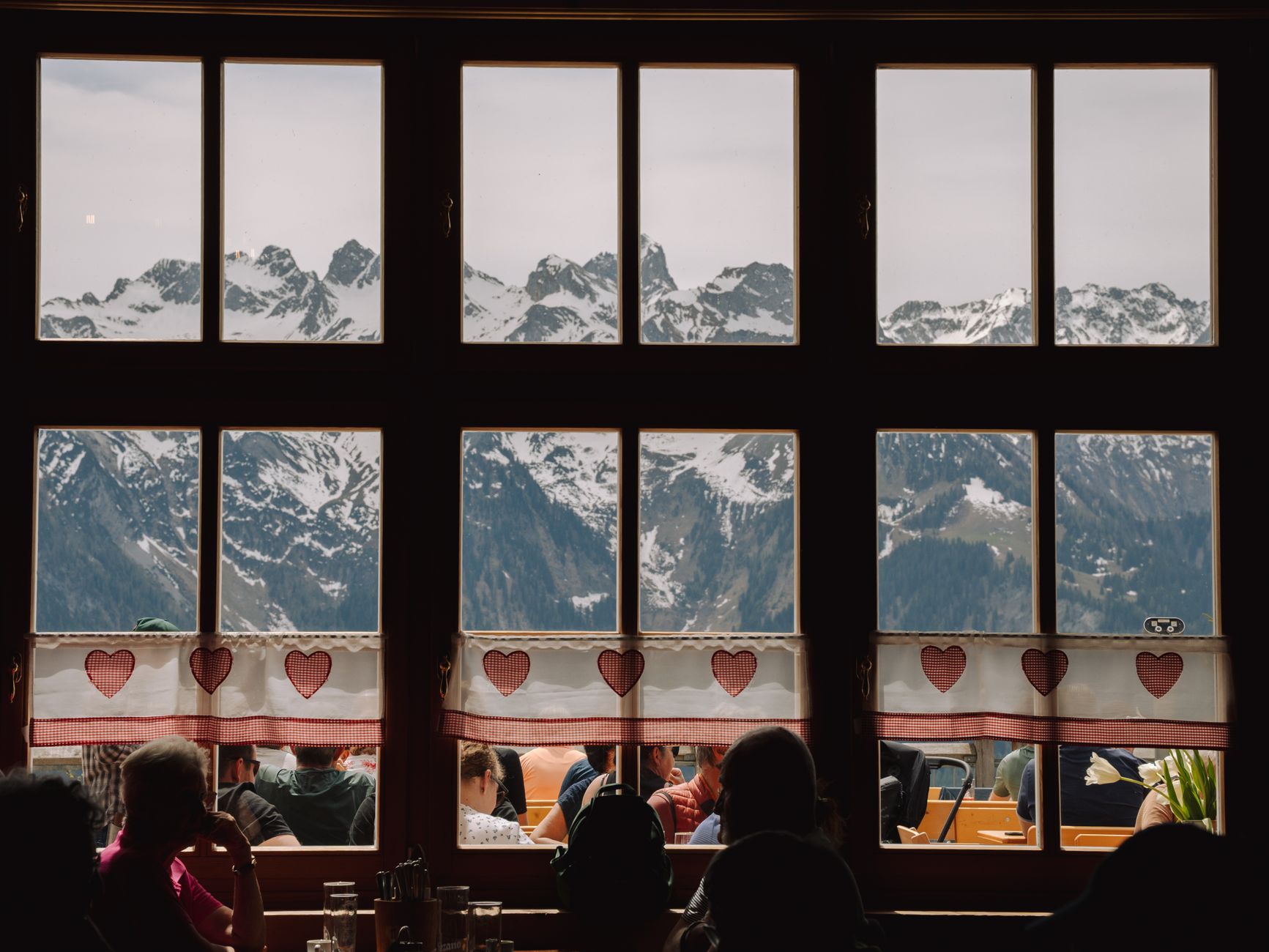
Photo by Jana Brenner on Pexels
Vorarlberg
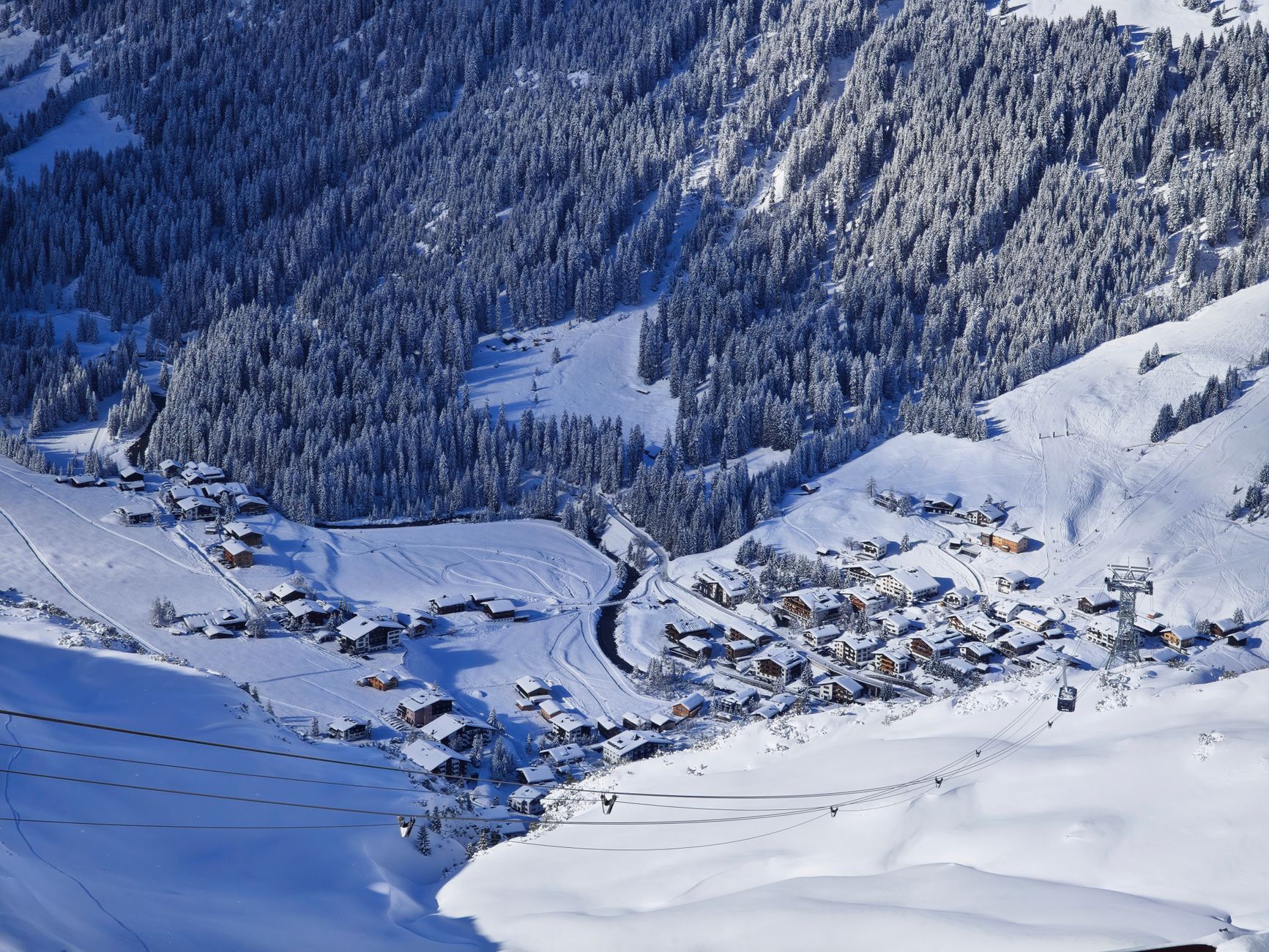
Photo by Dusan Milojevic on Pexels
Vorarlberg
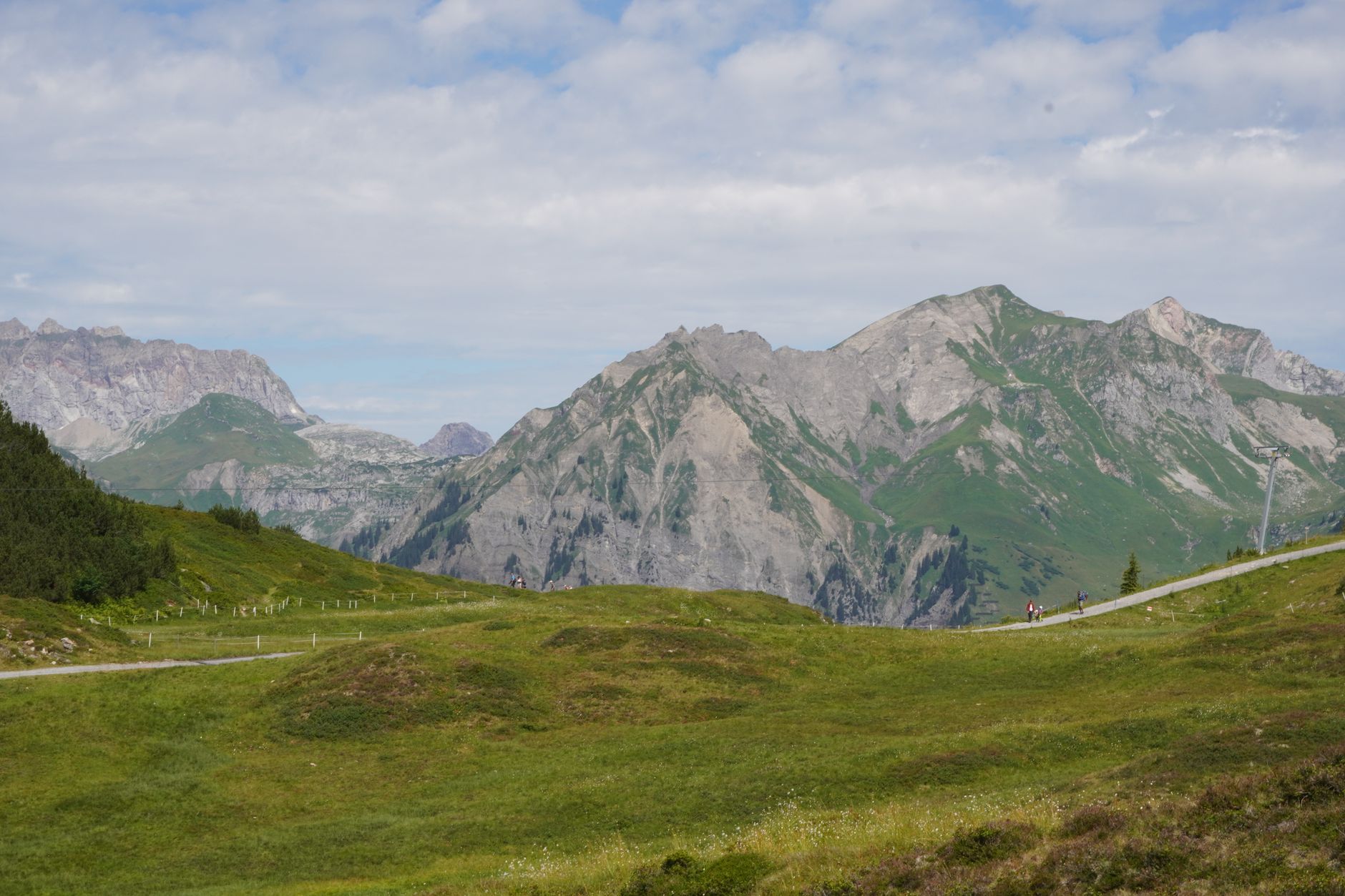
Photo by Nathanael Schmer on Pexels
Vorarlberg
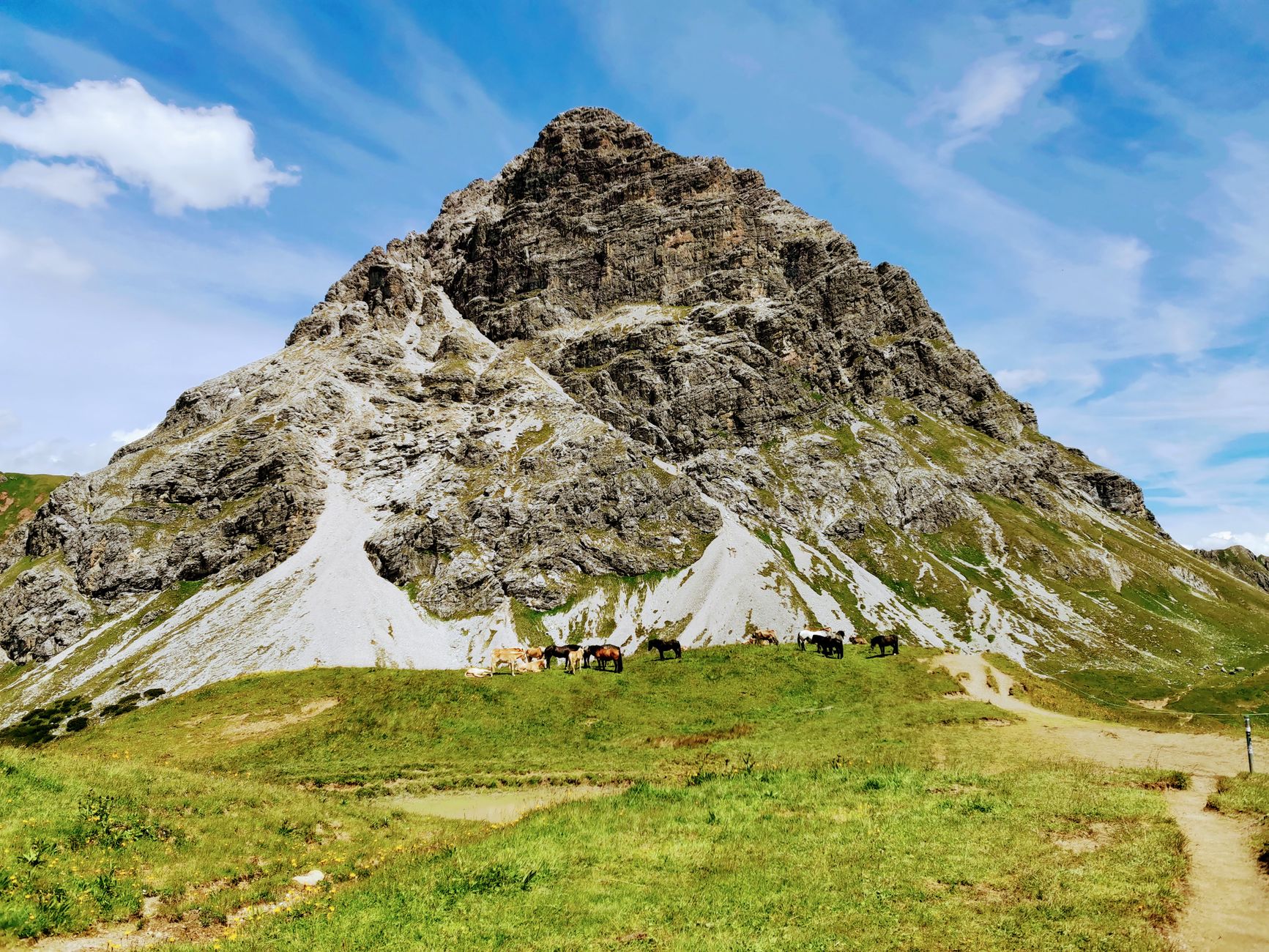
Photo by Gerd Marinelli on Pexels
Vorarlberg
Photo by Nils Rotura on Pexels
Vorarlberg
Photo by Jonas Horsch on Pexels
Nature & outdoors Hiking & mountains Adventure & active

Vorarlberg is Austria's westernmost province, separated from the rest of the country by the Arlberg pass and, in temperament, by something harder to name. It shares a time zone and a currency with Vienna, but its daily rhythms — the light off Lake Constance, the dialect, the architecture — lean toward Switzerland and southern Germany as much as toward the east.

What makes it worth your attention is a particular seriousness about craft: in its buildings, in its woodworking traditions, in the way it has let contemporary architects work at every scale, from a chapel at 1,600 metres to a glass cube on the Bregenz waterfront.

Good to know
The S1 train links Bludenz, Feldkirch, Dornbirn and Bregenz in around 60 minutes, and from Bregenz you can reach Zurich airport in under two hours. Regional holiday cards cover public transport in summer; ski-pass holders ride buses free in winter. Spring and early autumn are the least crowded seasons.
The story

How Vorarlberg came to be

Before Rome arrived, the Rhine Valley and the highlands around Lake Constance were Celtic territory — Vindelici in the lowlands, Raeti in the hills. The Romans pushed in around 15 BC, founding Brigantium (today's Bregenz) and folding the region into the province of Raetia. Alemanni tribes followed, then the Franks, then a long fragmentation into countships.

The Habsburgs had consolidated most of Vorarlberg by 1523, administering it alongside Tyrol for nearly four centuries. When Austria collapsed in 1918, the province voted — 80 percent in favour — to open talks with Switzerland about joining the Confederation. The Treaty of Saint-Germain in 1919 left no room for that; Vorarlberg stayed Austrian. French troops occupied it from 1945 until 1955.

People & landmarks

Who and what shaped it

People who shaped it

Franz Michael Felder
19th-century social reformer and writer from Schoppernau; founded first farmers' association in Bregenzerwald.
Peter Zumthor
Swiss architect (Pritzker Prize winner) who designed Kunsthaus Bregenz and Werkraum Haus Andelsbuch.

Landmark buildings

Kunsthaus Bregenz
Glass cube on Lake Constance shore designed by Peter Zumthor in late 1990s.
Vorarlberg Museum, Bregenz
Completed 2012 by Cukrowicz Nachbaur Architekten; expands listed building vertically and horizontally.
Festspielhaus Bregenz
Floating lake stage combining spectacular set designs with urban setting.
Werkraum Haus, Andelsbuch
Opened 1999, designed by Peter Zumthor; concrete and wood structure showcasing innovative craftsmanship.
Theodul Chapel, Niedere mountain
Perched at 1,600 metres, crafted from local wood; result of local architectural competition.
Schattenburg Castle, Feldkirch
Historic landmark offering insights into past centuries of life in the region.
Martinsturm Tower, Bregenz
Historic landmark offering insights into past centuries of life in the region.
Katzenturm, Feldkirch
Bell or watch tower dating to 1507.
Angelika Kauffmann Museum, Schwarzenberg
Addition in former farm building; contains Schwarzenberg Heimatmuseum in old Bregenzerwald house.
Wooden Chapel, Krumbach
Located near moors in Bregenzerwald; architecture by Bernardo Bader.
Islamic Cemetery, Altach
Designed by Bernardo Bader; space for 700 graves, second Islamic graveyard established in Austria after Vienna.
Stadtbad Indoor Pool, Dornbirn
Reopened 2005 following renovation; designed by Andreas Cukrowicz and Anton Nachbaur.
Blumenegg Pavillon
Event space amid Blumenegg Castle ruins; cultural and leisure centre for exhibitions, concerts, theatre, conferences.
Practical

Plan your visit

On the map

When to go

Summers are warm and occasionally humid, with Lake Constance moderating temperatures in Bregenz; the Bregenz Festival runs July into August when conditions are at their most reliably settled. Winters bring heavy snow to the mountain valleys — good for skiing but worth planning around if you're moving between towns.

Right now

17°C
Partly cloudy
Sat
⛈️
21°
13°
Sun
⛈️
19°
13°
Mon
19°
11°
Tue
16°
10°
Weather data: Open-Meteo

Background & history adapted from Wikipedia (CC BY-SA) · specs from Wikidata (CC0) · weather from Open-Meteo · map data © OpenStreetMap contributors · photos from Wikimedia Commons / Unsplash with per-image credit. No third-party reviews or social posts reproduced.

Top