
Villasimius
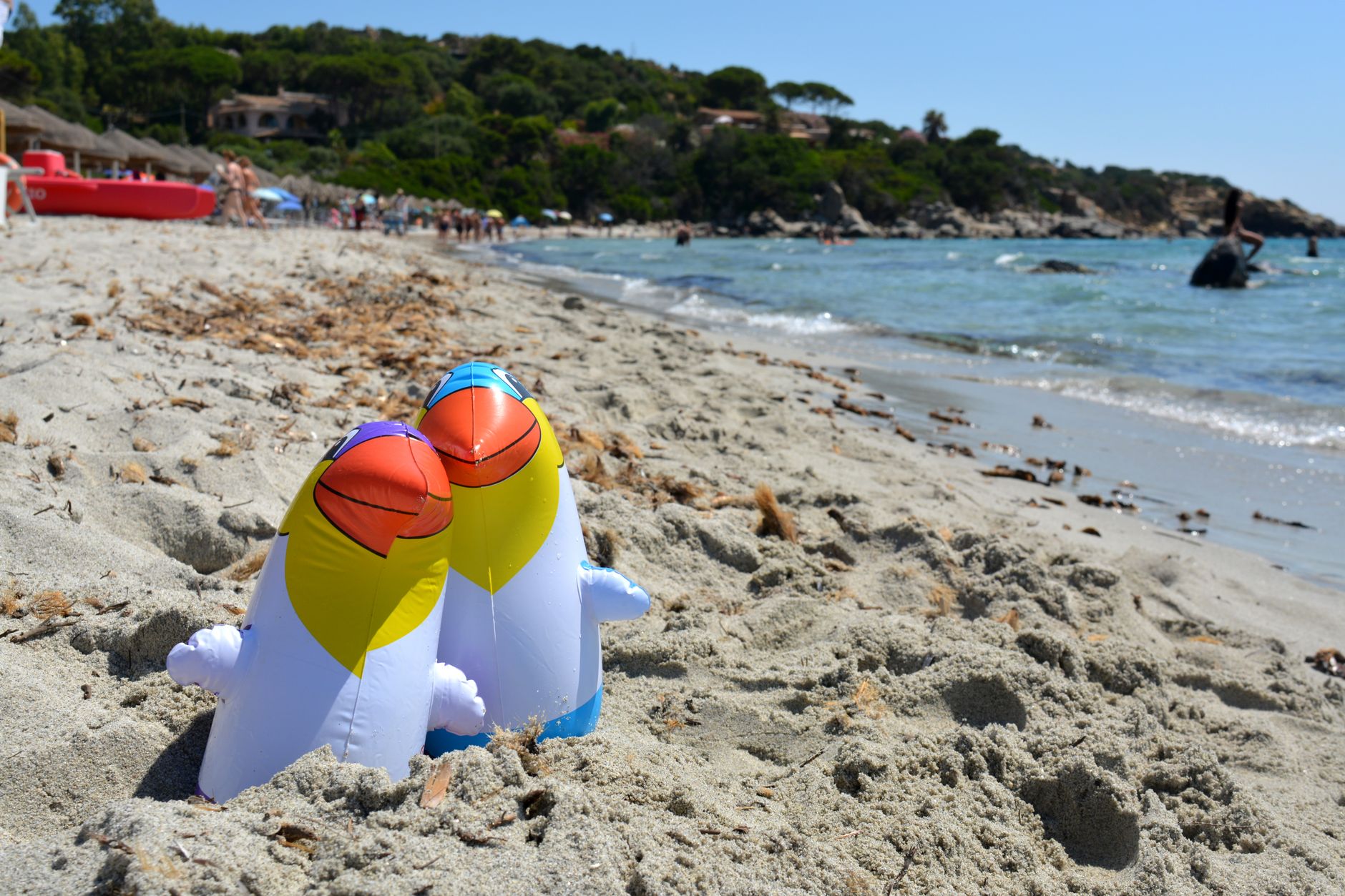
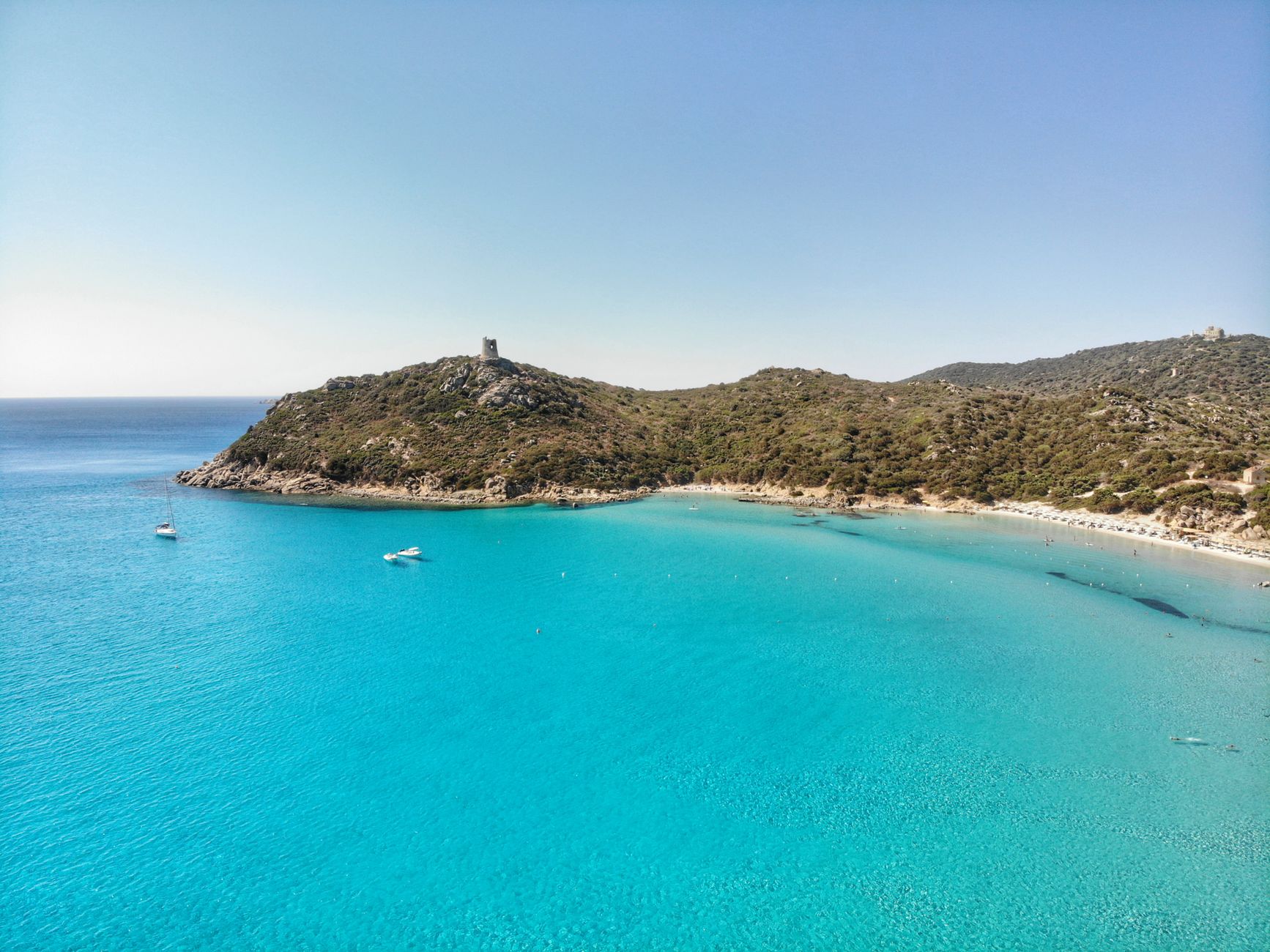
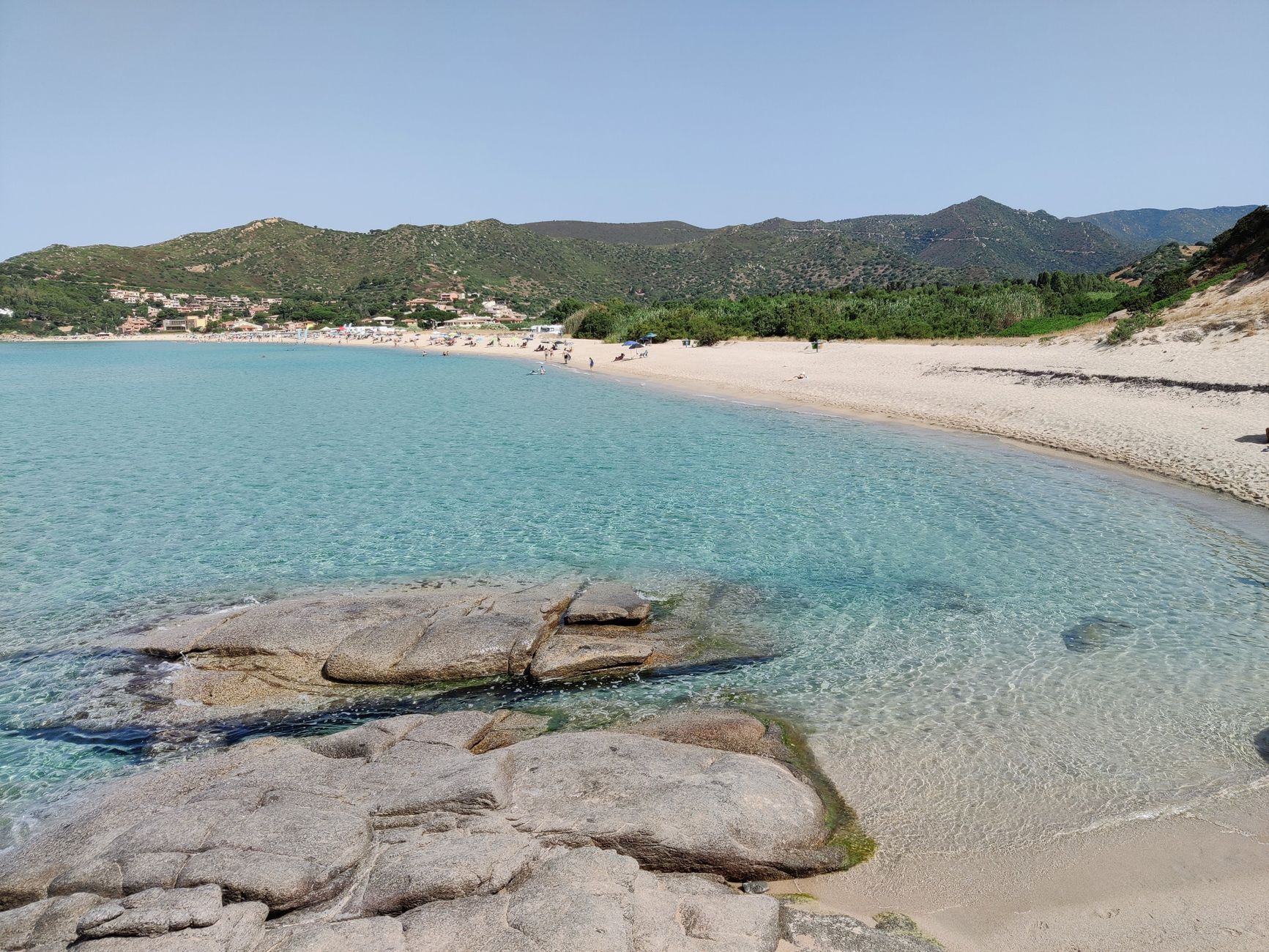
Villasimius sits at the southeastern tip of Sardinia, where the land narrows to a granite promontory and the sea turns a shade of blue that seems almost implausible. The beaches here — Porto Giunco, Simius, Campus — are the reason most people come, and they are as good as the photographs suggest, though what the photographs miss is the quality of quiet you find between them: scrubland, rock, the occasional lizard.
The town itself is small and unhurried, its economy built almost entirely around the summer months. A lighthouse built in 1858 still signals from Capo Carbonara. A Spanish fortress from 1639 watches over the promontory. Beneath the water, the Capo Carbonara Marine Park, established in 1998, protects what lies offshore.
💛 What travellers fall for
People who come back tend to rent a car without question — the coast roads are the point, not just the destination. They book for September, when the sea is still warm from three months of sun and the parking at Porto Giunco drops to a manageable level. The local summer bus is genuinely useful once you've parked up for the day.
Deals in Villasimius
Book directly at the provider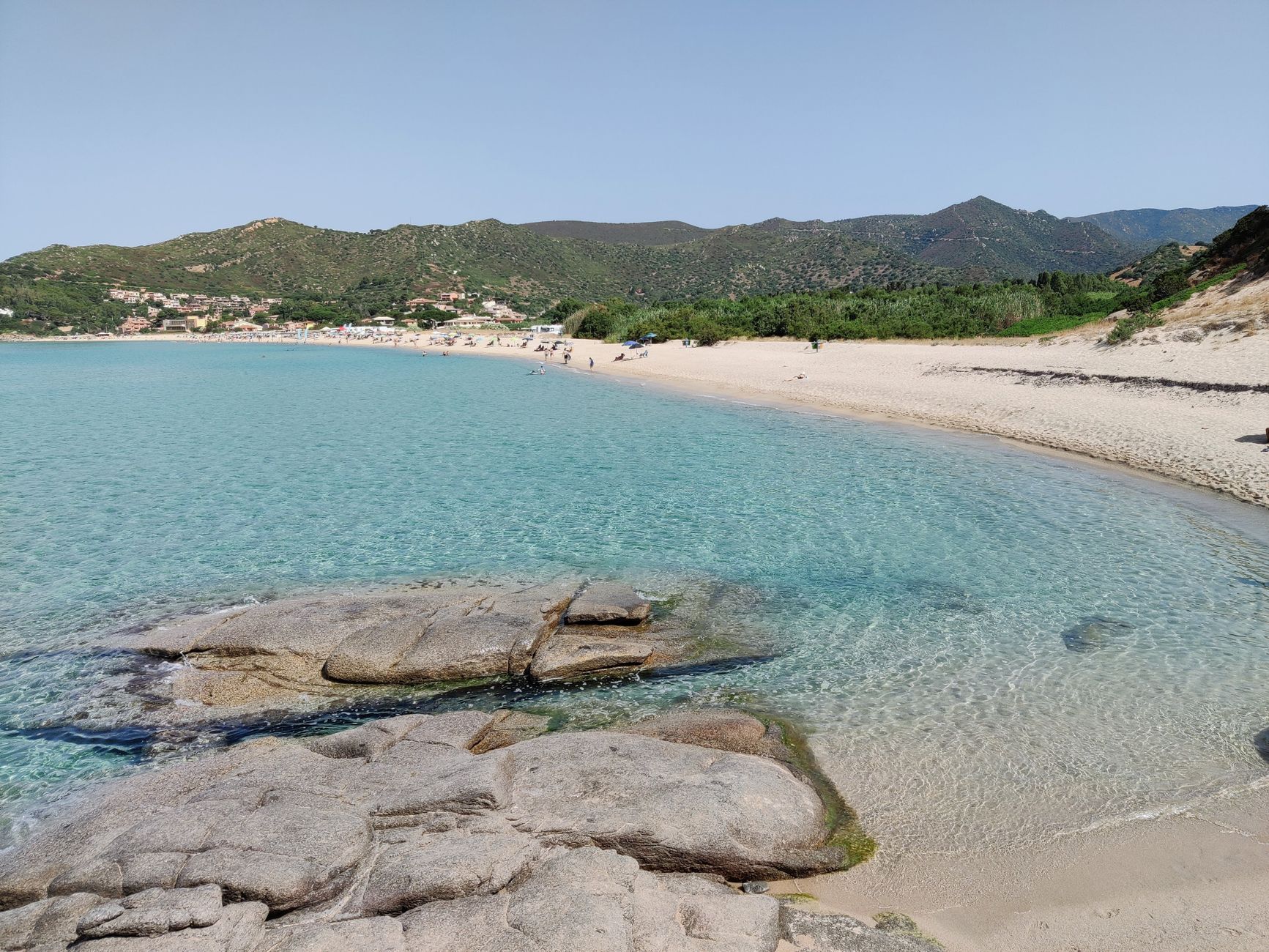

How Villasimius came to be
People have been passing through this corner of Sardinia for a long time. Nuragic towers, Phoenician-Carthaginian traces and Roman remains all turn up in the territory — the Archaeological Museum lays out the sequence across two floors. The place was known as Carbonara from at least the 13th century, but centuries of pirate raids left it largely empty by the time the Kingdom of Sardinia-Piedmont began resettling it in the early 1800s. It became a comune in 1838.
For most of the 19th and early 20th centuries, Villasimius lived off agriculture, shepherding and, from 1875, granite quarrying. A penal colony — one of the few agricultural examples in Italy — operated here until 1956. Tourism arrived in the late 1960s and has been the dominant force ever since.
Who and what shaped it
Landmark buildings
See Villasimius in motion
Plan your visit
On the map
When to go
Summers are long and dry, with August averaging 32°C and around 11 hours of daily sun in July. Winter is mild rather than cold — February days sit around 16°C — but rainfall picks up in November and most visitor infrastructure is closed by then.
Right now
Background & history adapted from Wikipedia (CC BY-SA) · specs from Wikidata (CC0) · weather from Open-Meteo · map data © OpenStreetMap contributors · photos from Wikimedia Commons / Unsplash with per-image credit. No third-party reviews or social posts reproduced.