
Vienna
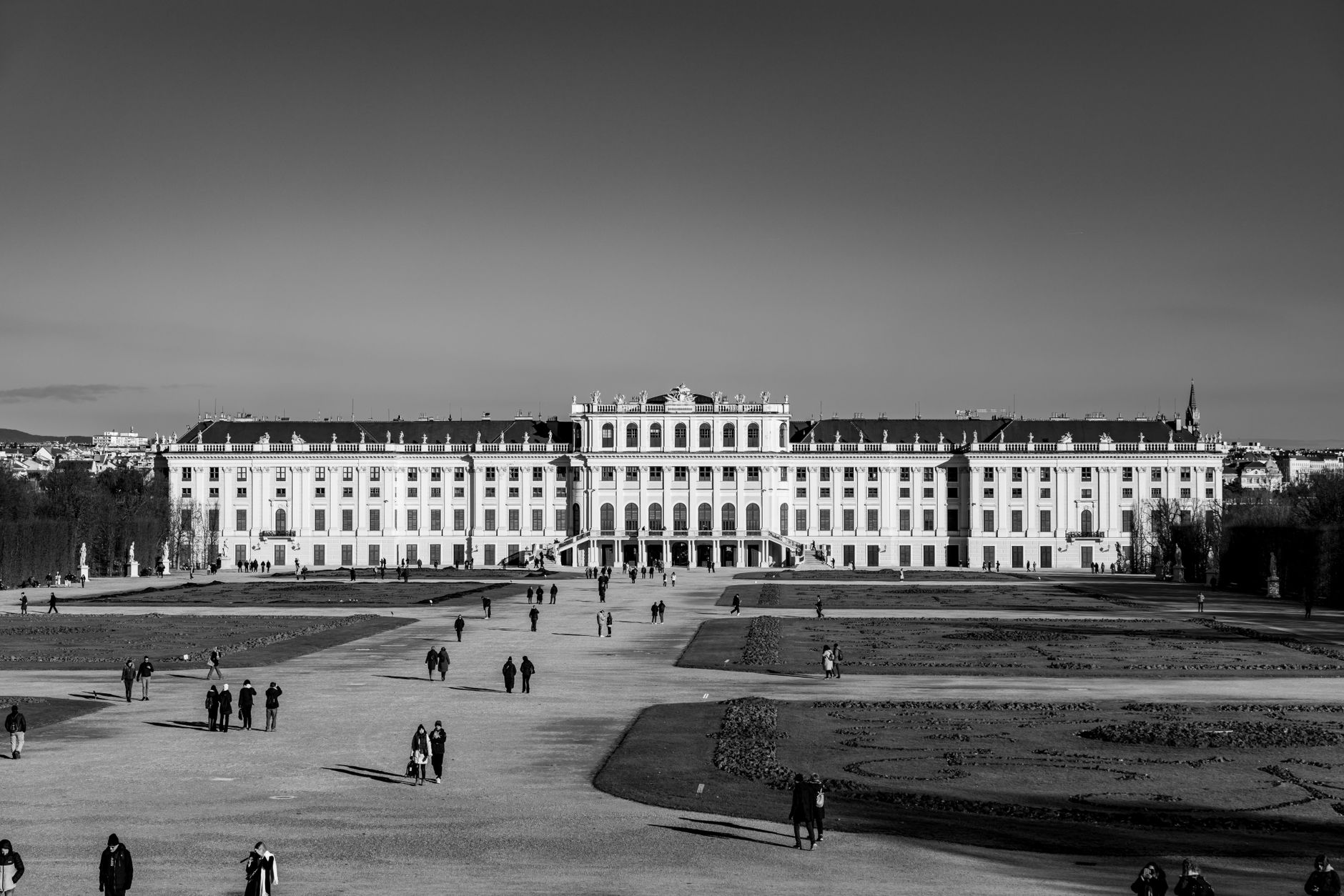
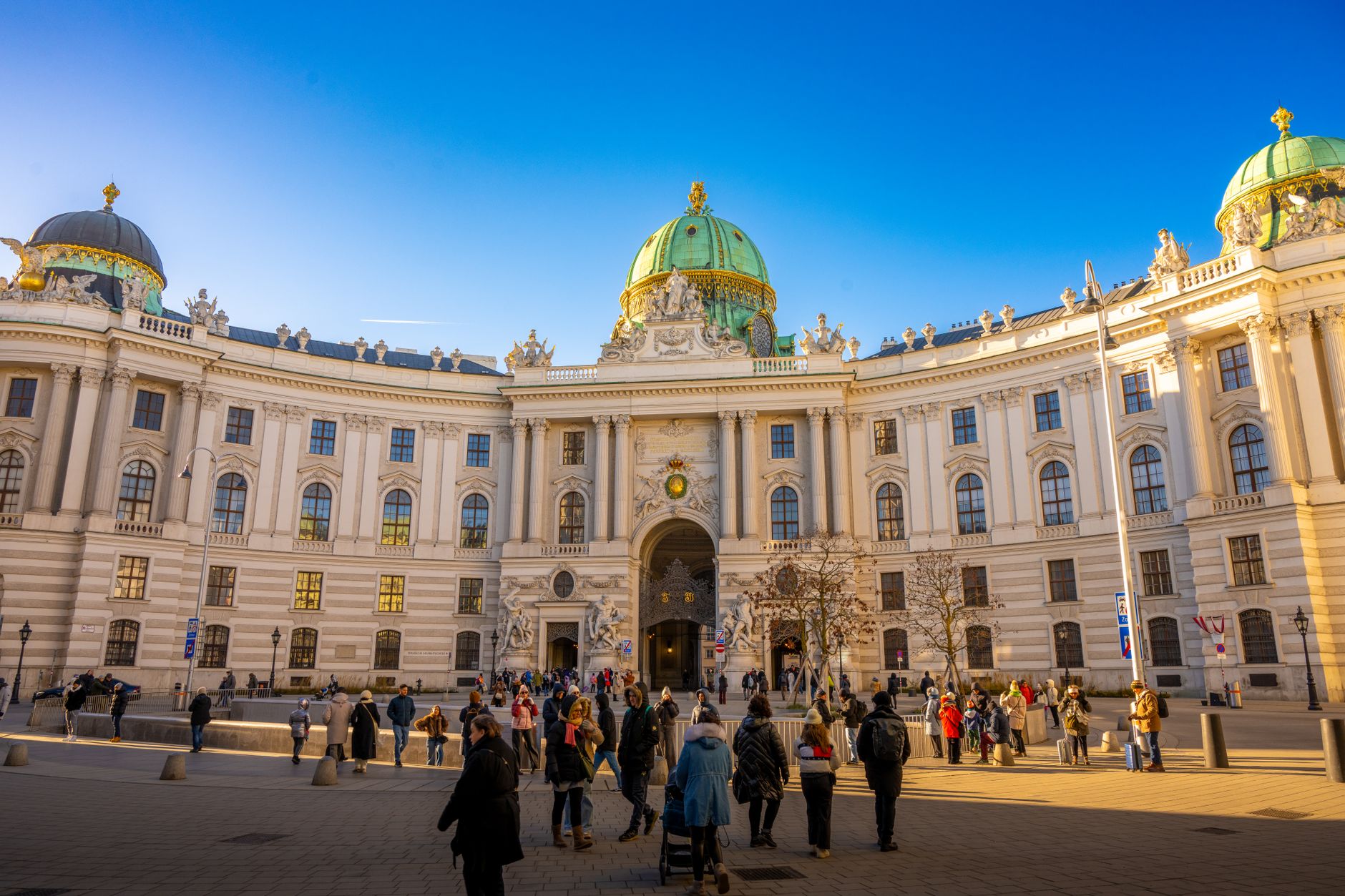
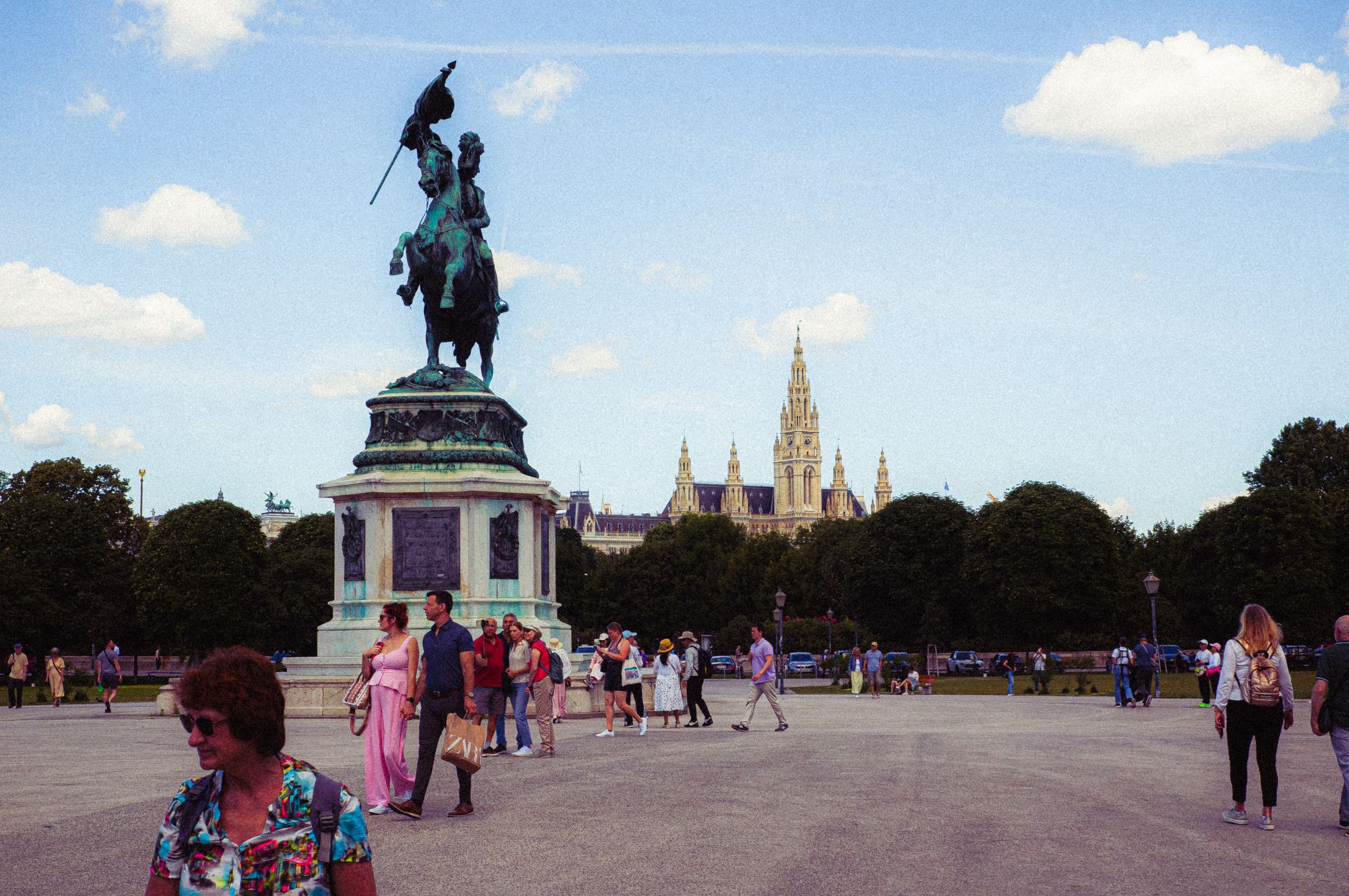
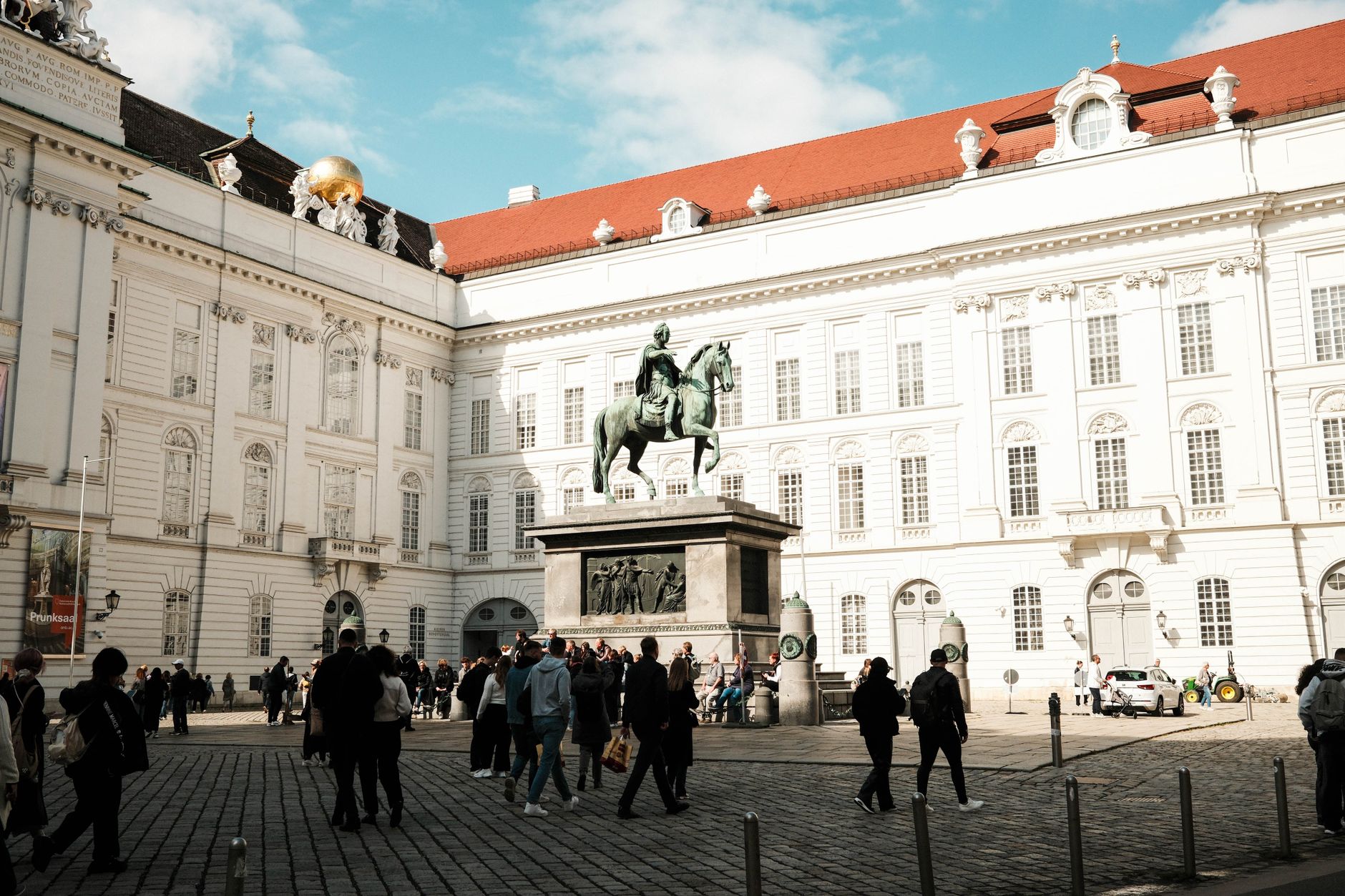
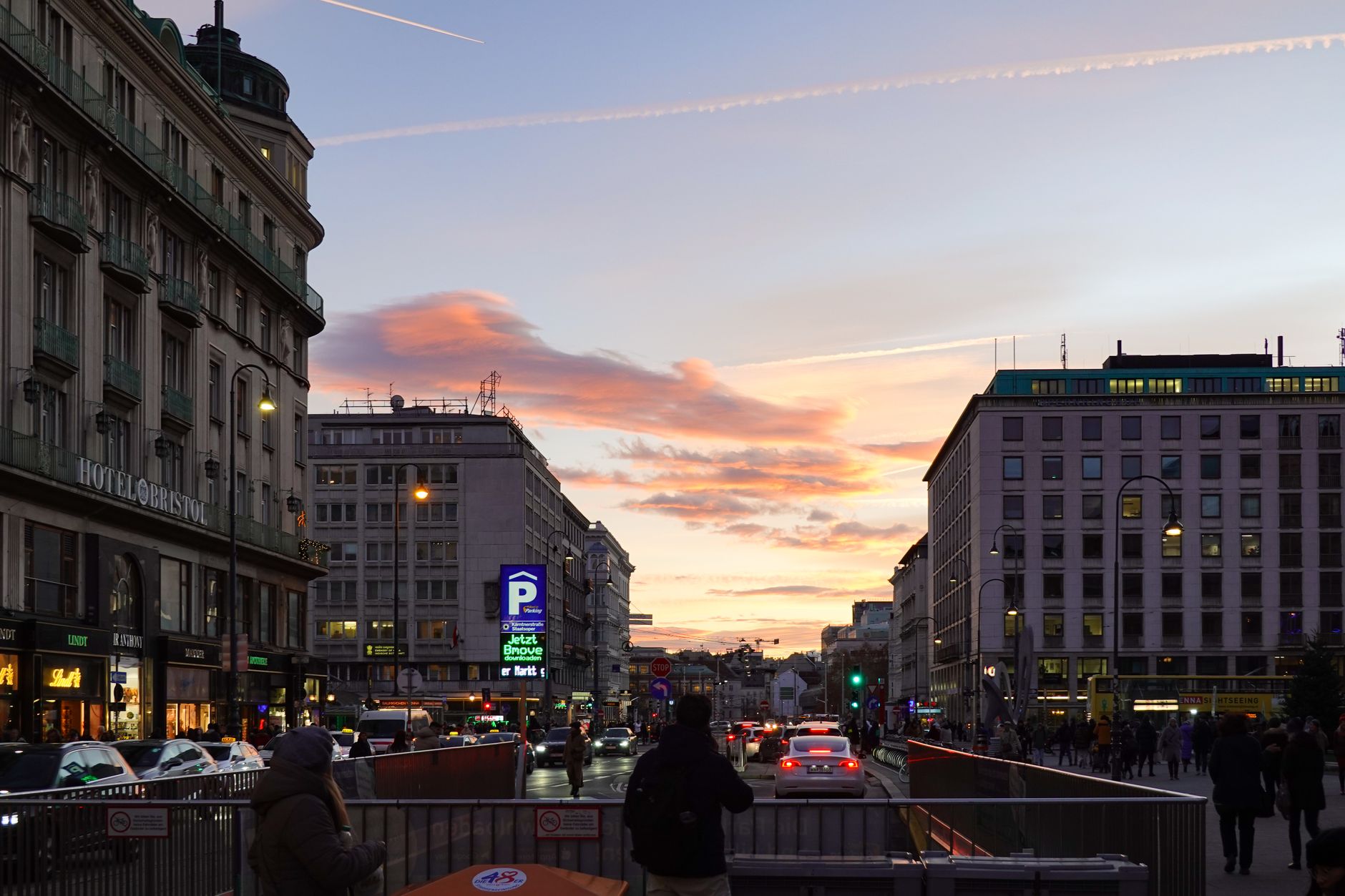
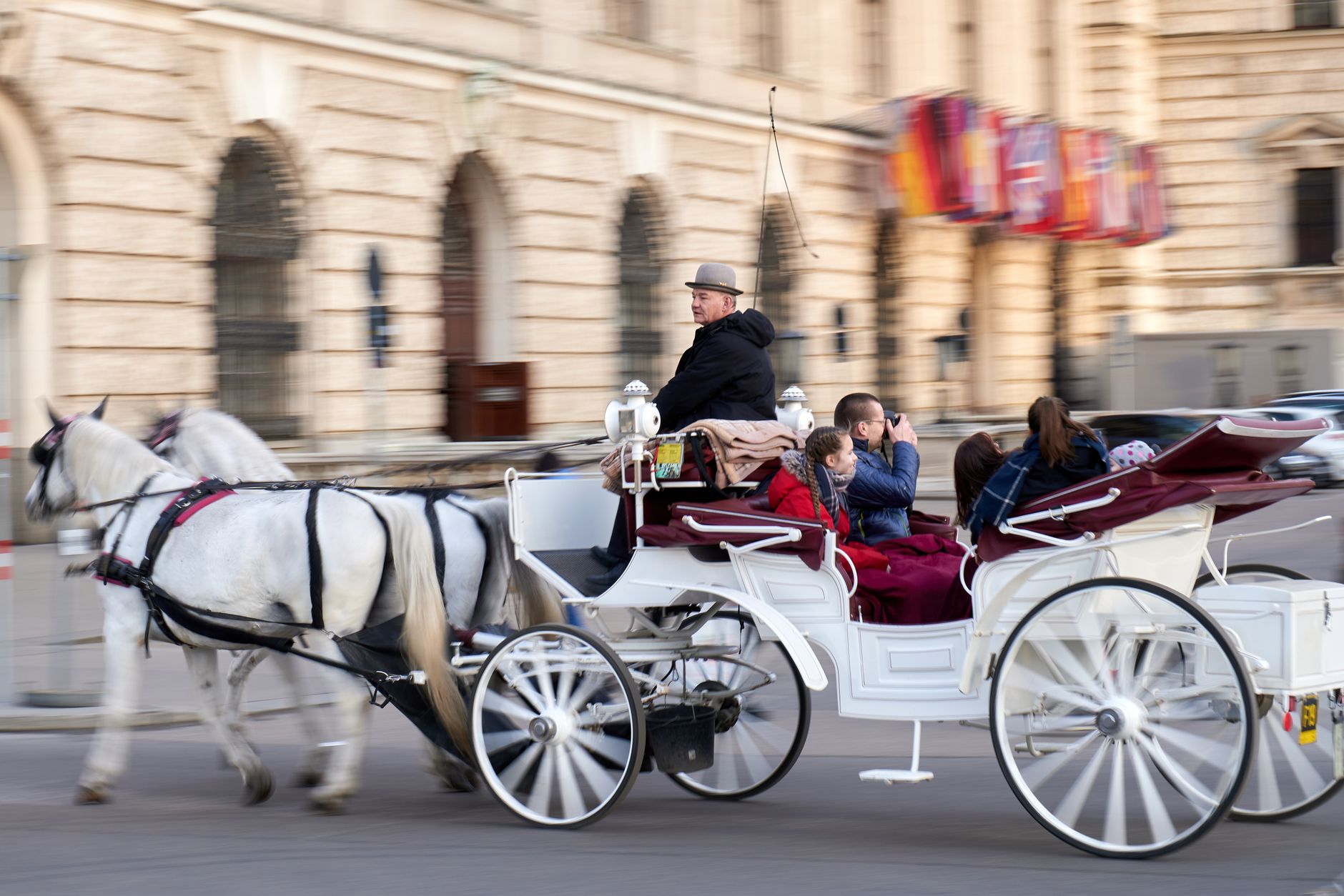
Vienna keeps its contradictions in plain sight. A city that once housed six hundred years of Habsburg rule now puts Klimt's 'The Kiss' behind museum glass a short walk from a palace with 1,441 rooms. The coffee houses still serve newspapers on wooden holders. The U-Bahn runs through the night on weekends.
At this scale, Vienna is best understood as a sequence of rings — the old city at the centre, then the Ringstraße boulevard that replaced the city walls in 1858, then the outer districts where the Hundertwasser House sits in a residential street like a fever dream someone forgot to remove.
💛 What travellers fall for
People who come back tend to pick a neighbourhood and walk it slowly before crossing the Ring. The Naschmarkt on a weekday morning, Otto Wagner's Majolika House on Linke Wienzeile, a coffee at one of the Karlsplatz pavilions Wagner built in 1899 — these things reward the second visit more than the first.
How Vienna came to be
A Roman military camp called Vindobona stood here from around 15 BCE. The name 'Wenia' first appeared in writing in 881. The city's long transformation into a European capital began in earnest in 1155, when Margrave Henry II made it his seat, and accelerated after 1278 when the Habsburgs took control following the Battle on the Marchfeld — a dynasty that would hold the city for more than six centuries.
Rudolf IV founded the University in 1365 and set the gothic nave of Stephansdom in motion. Maria Theresa, the only woman to rule the Habsburg domains, reshaped the empire's administration over a forty-year reign. The Ringstraße — the grand boulevard lined with the Opera House, the Rathaus, the Parliament and the Burgtheater — rose after 1858 on the ground where the old fortifications had stood.
Who and what shaped it
People who shaped it
Landmark buildings
See Vienna in motion
Plan your visit
On the map
When to go
Summers are warm and sometimes humid, with temperatures regularly reaching the low thirties Celsius; winters are cold and grey, often below freezing, though the city's indoor life makes the season workable. April, May, September and October tend to give the clearest skies and the most comfortable temperatures for walking.
Right now
Background & history adapted from Wikipedia (CC BY-SA) · specs from Wikidata (CC0) · weather from Open-Meteo · map data © OpenStreetMap contributors · photos from Wikimedia Commons / Unsplash with per-image credit. No third-party reviews or social posts reproduced.