
Victoria Falls
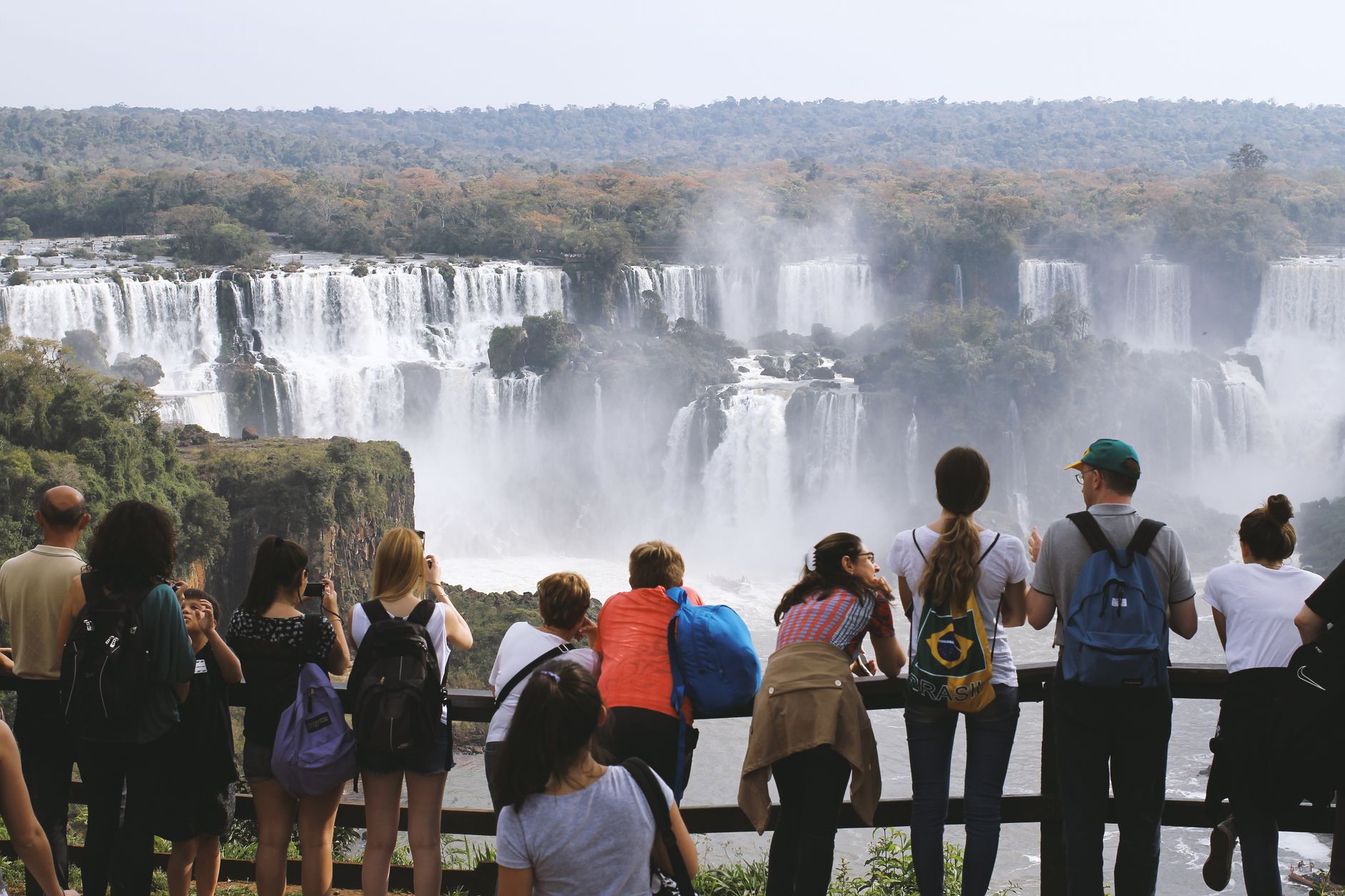
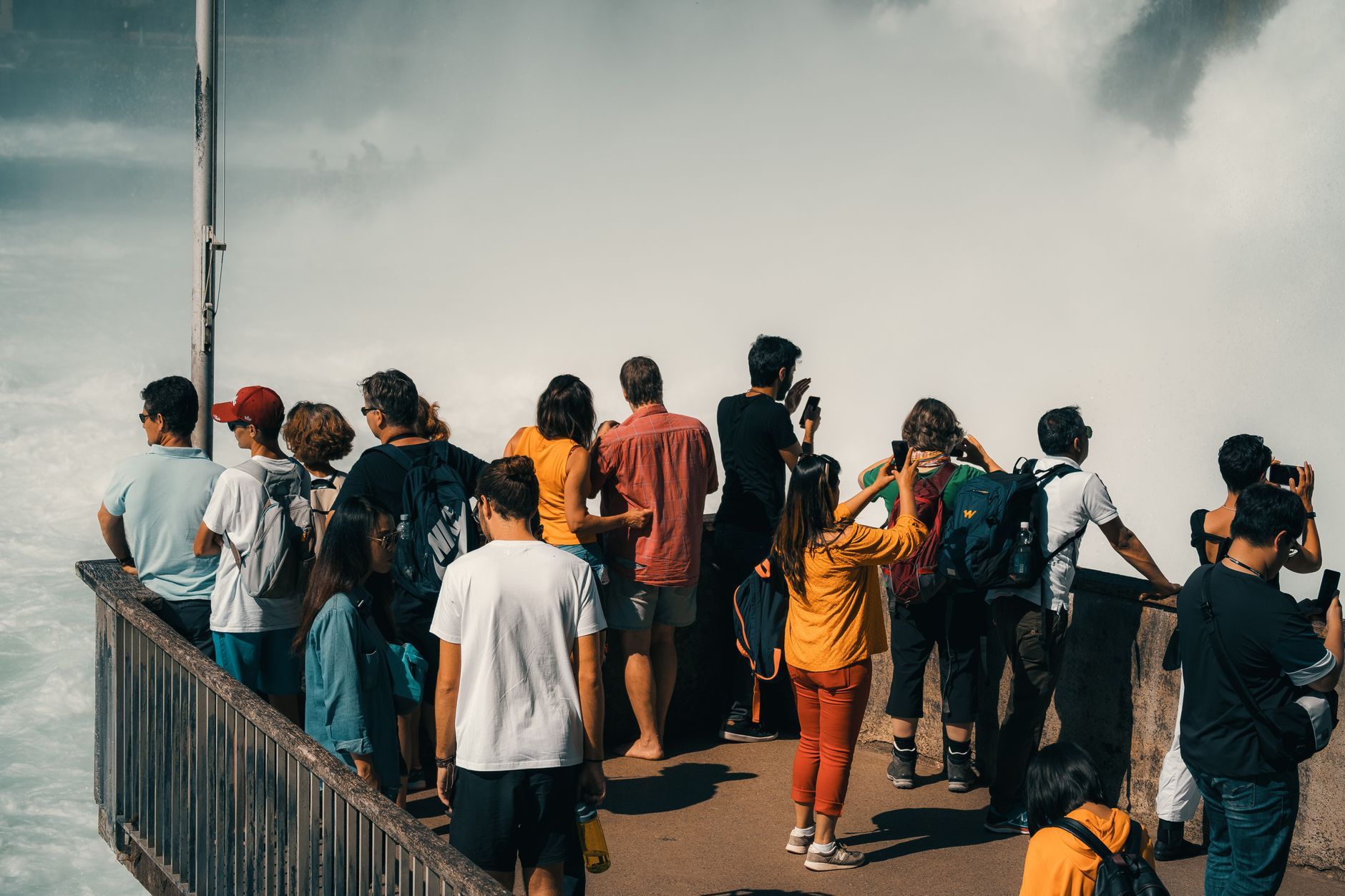
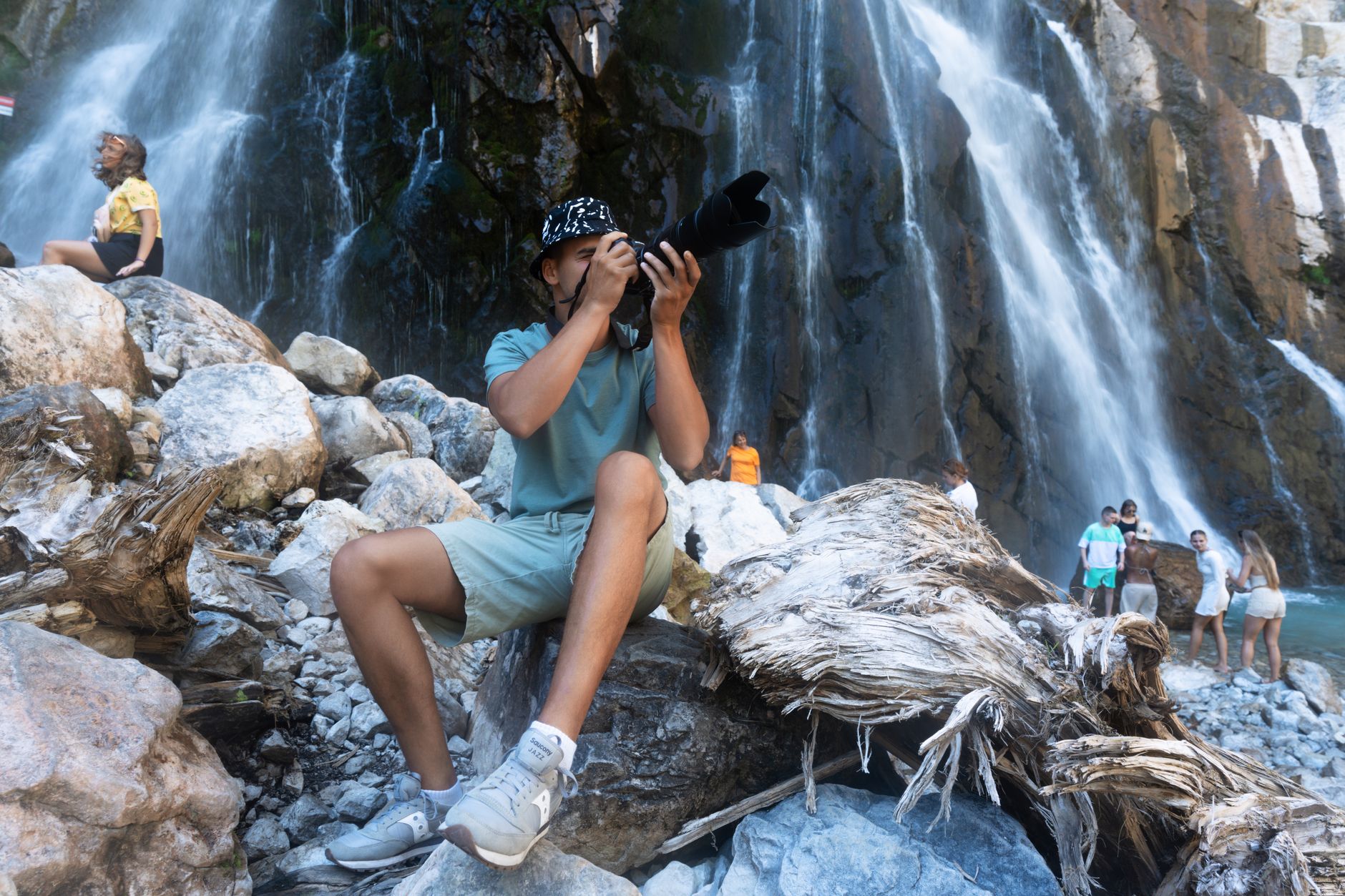
The Lozi people called it Mosi-oa-Tunya — the smoke that thunders — and that name tells you more than any measurement could. Standing at the rim on the Zimbabwe side, you see the Zambezi simply disappear, replaced by a rising column of mist visible from 50 kilometres away. The falls stretch more than 1,700 metres across, and the sound arrives in your chest before it reaches your ears.
This is a place that operates at two speeds: the geological patience of water cutting basalt over millennia, and the very immediate sensation of standing at the edge of it, soaked through and slightly stunned.
How Victoria Falls came to be
When Scottish missionary David Livingstone arrived by dugout canoe — guided by members of the Makololo tribe — on 16 November 1855, he became the first European recorded to see the falls. He named them after Queen Victoria, though the Lozi name had described them for generations before. Czech explorer Emil Holub produced the first detailed survey in 1875, and British artist Thomas Baines made some of the earliest paintings.
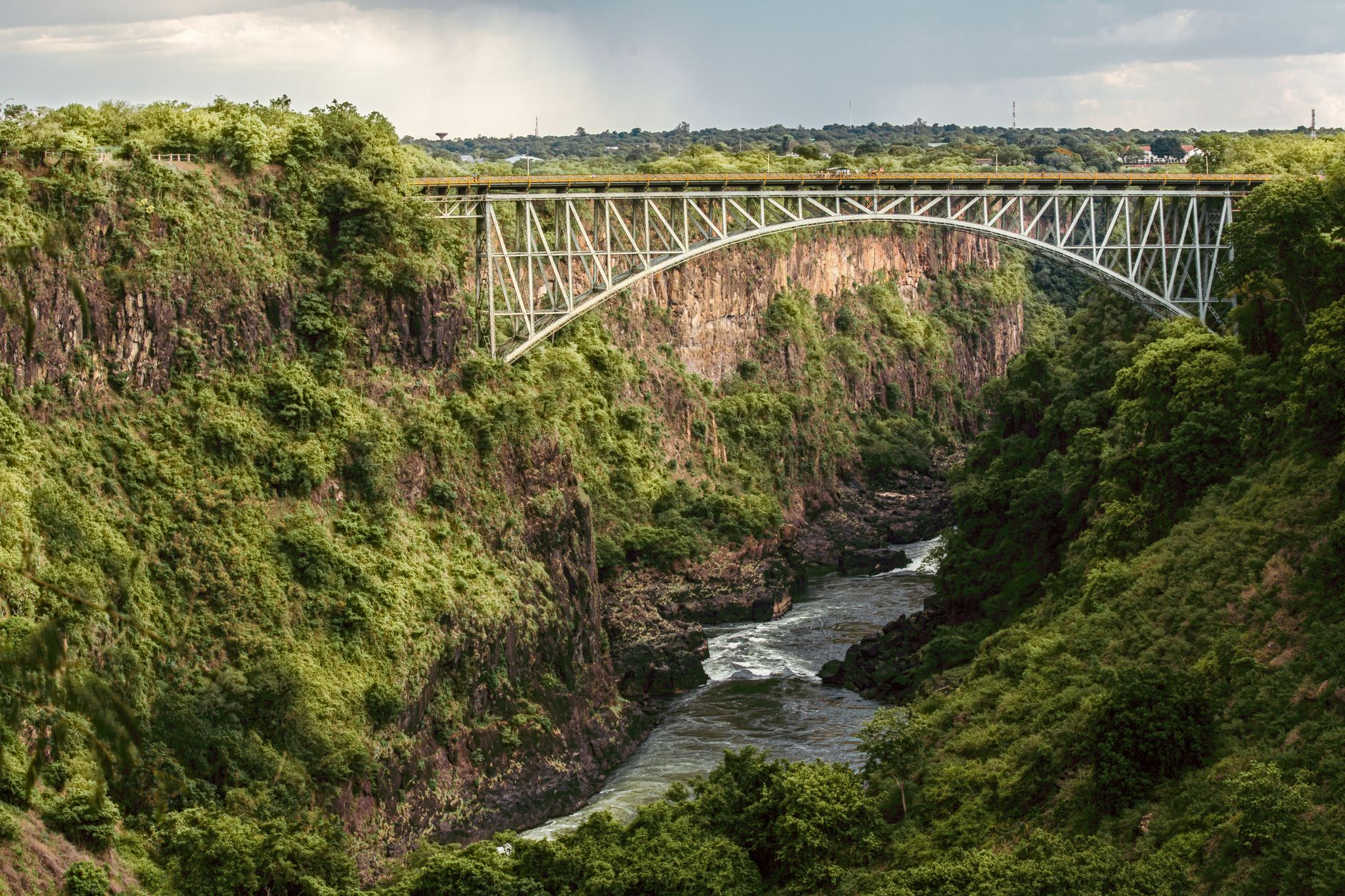
The area remained remote until Cecil Rhodes' British South Africa Company pushed a railway through in 1905, the same year the steel-lattice Victoria Falls Bridge was completed — part of Rhodes' unrealised Cape to Cairo ambition. The Victoria Falls Hotel had already opened a year earlier, in 1904. UNESCO designated the falls and adjoining parklands a World Heritage Site in 1989.
Who and what shaped it
People who shaped it
Landmark buildings
See Victoria Falls in motion
Plan your visit
On the map
When to go
May to August brings dry, mild days and genuinely cold nights that can approach freezing — pack accordingly. The wet season (November to March) delivers high water volume and a dramatically mist-shrouded falls, but you will get wet simply walking the trails; September and October are the hottest months, regularly hitting 35–40°C.
Right now
Background & history adapted from Wikipedia (CC BY-SA) · specs from Wikidata (CC0) · weather from Open-Meteo · map data © OpenStreetMap contributors · photos from Wikimedia Commons / Unsplash with per-image credit. No third-party reviews or social posts reproduced.