
Region

Veneto

Veneto
Photo by Valentin Ivantsov on Pexels
Veneto
Photo by NaturEye Conservation on Pexels
Veneto
Photo by Eline on Pexels
Veneto
Photo by Bastian Riccardi on Pexels
Veneto
Photo by Alejandro Aznar on Pexels
Veneto
Photo by Diego Caumont on Pexels

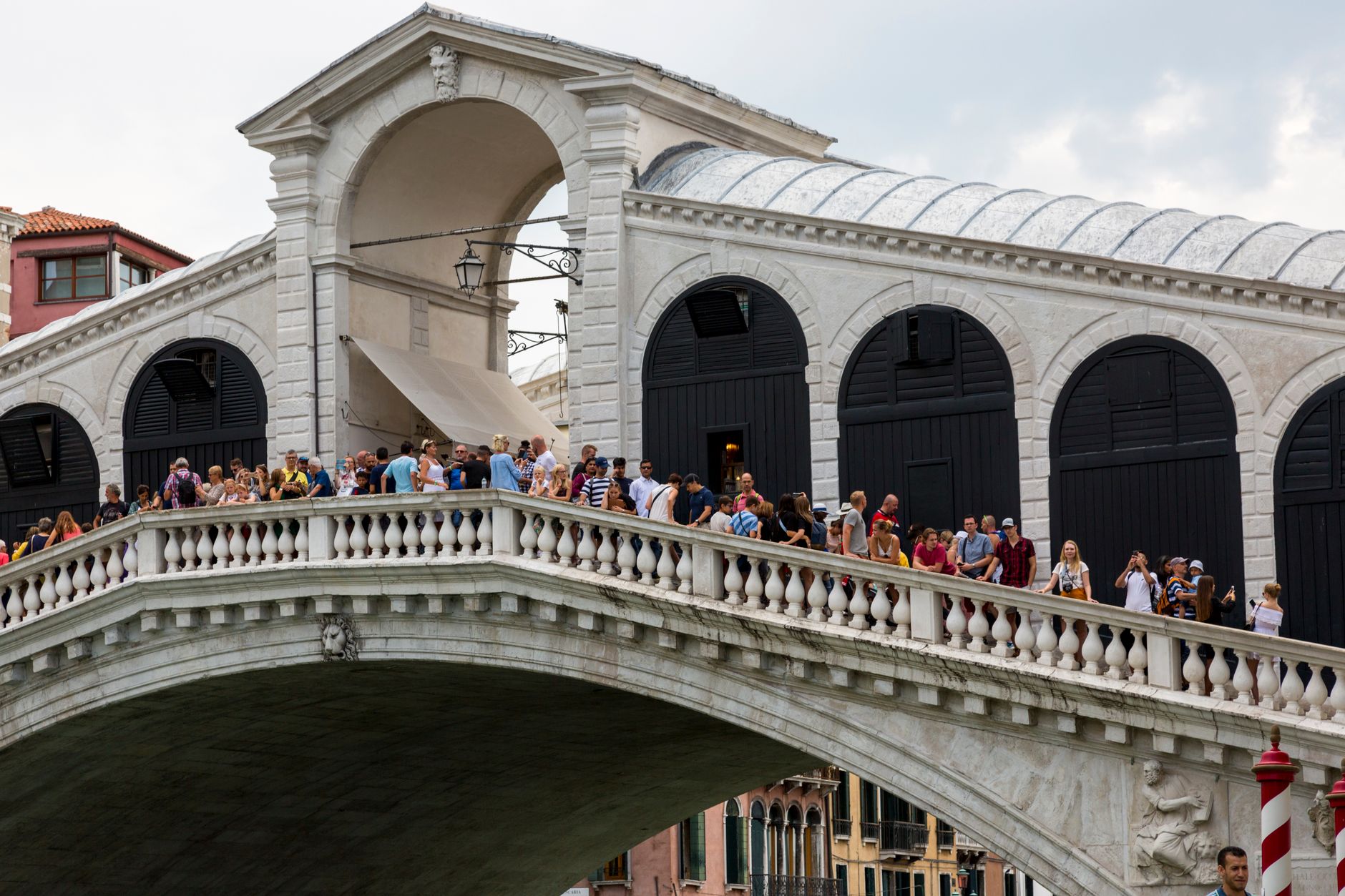
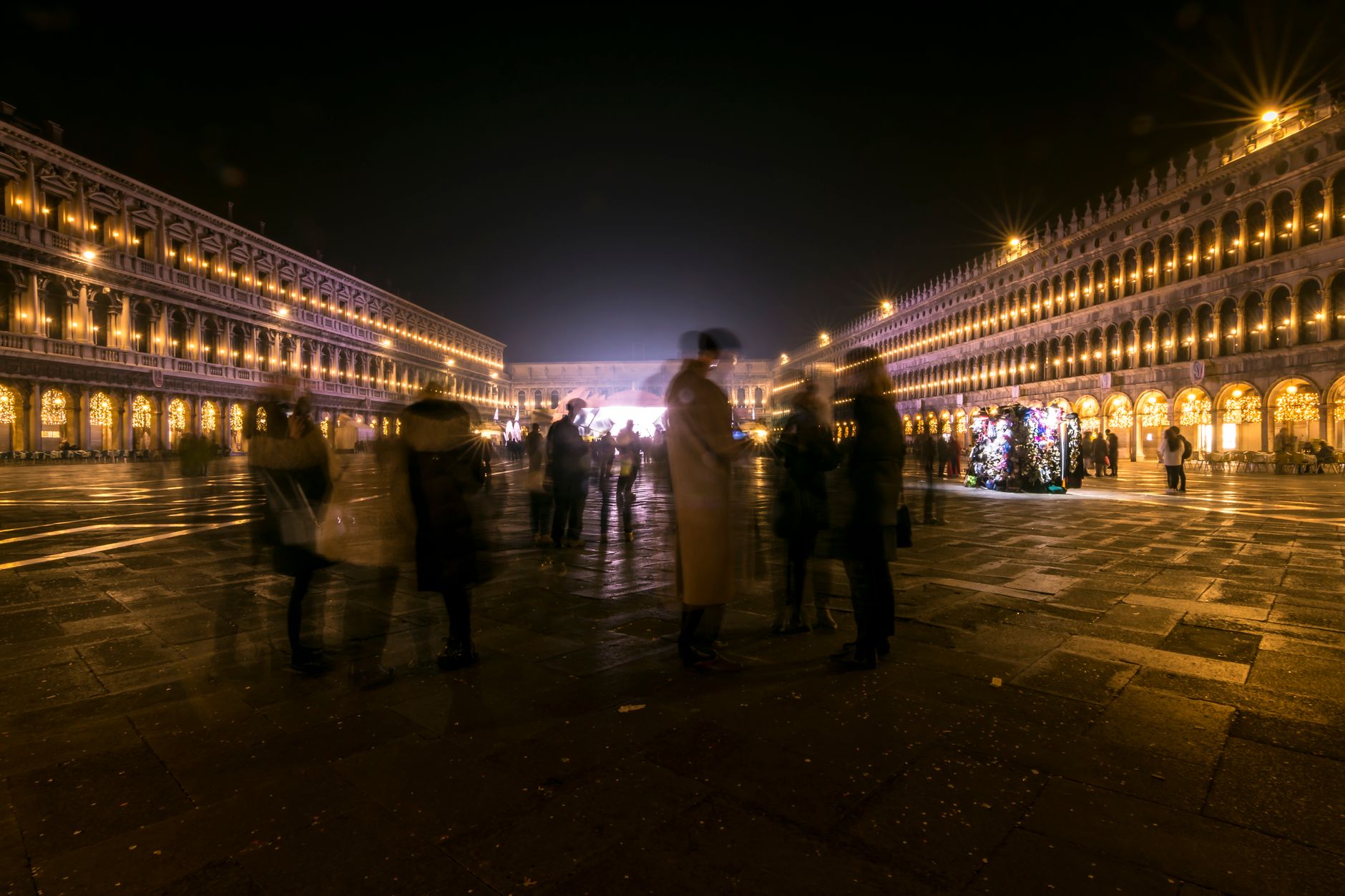
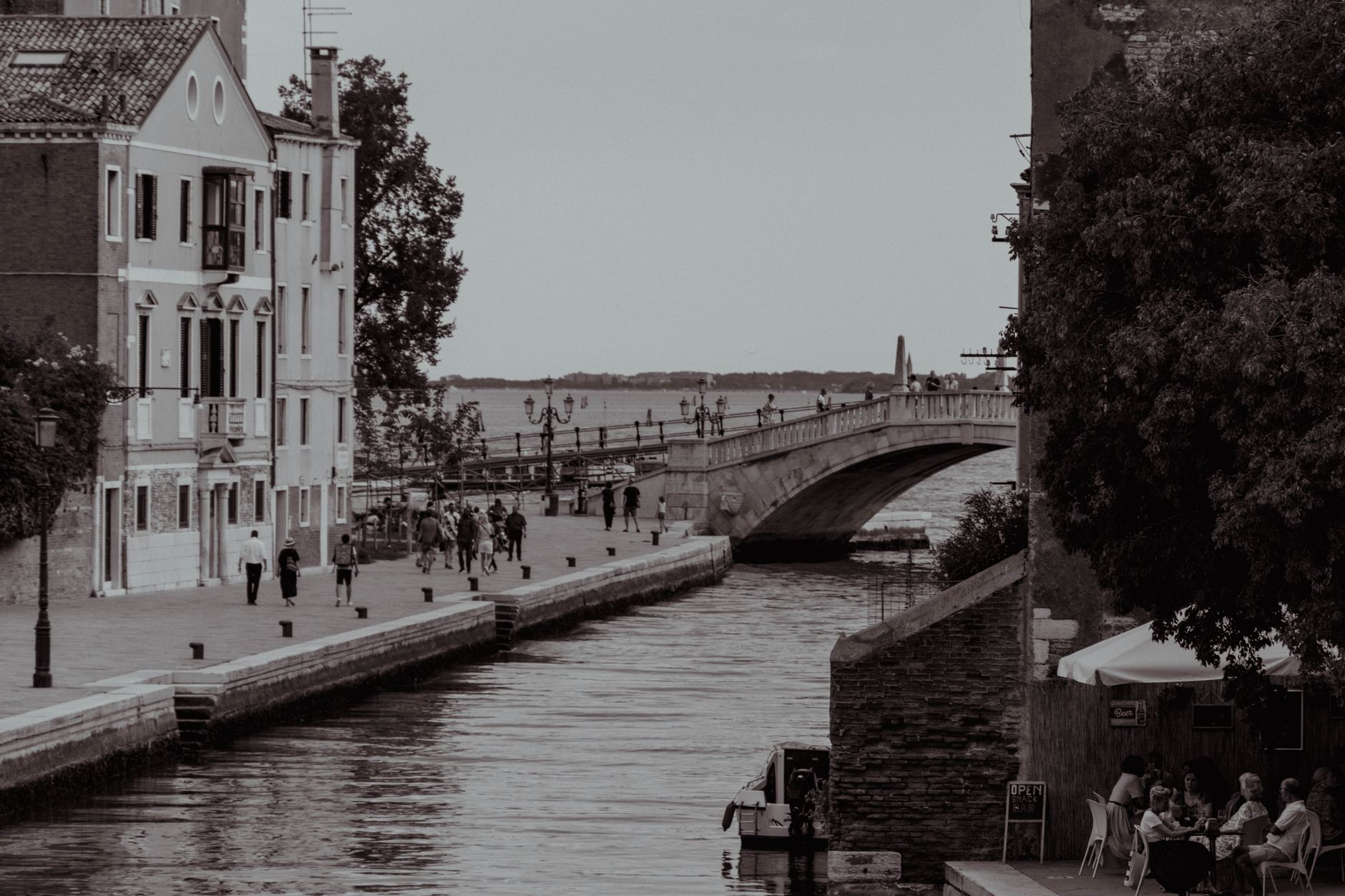
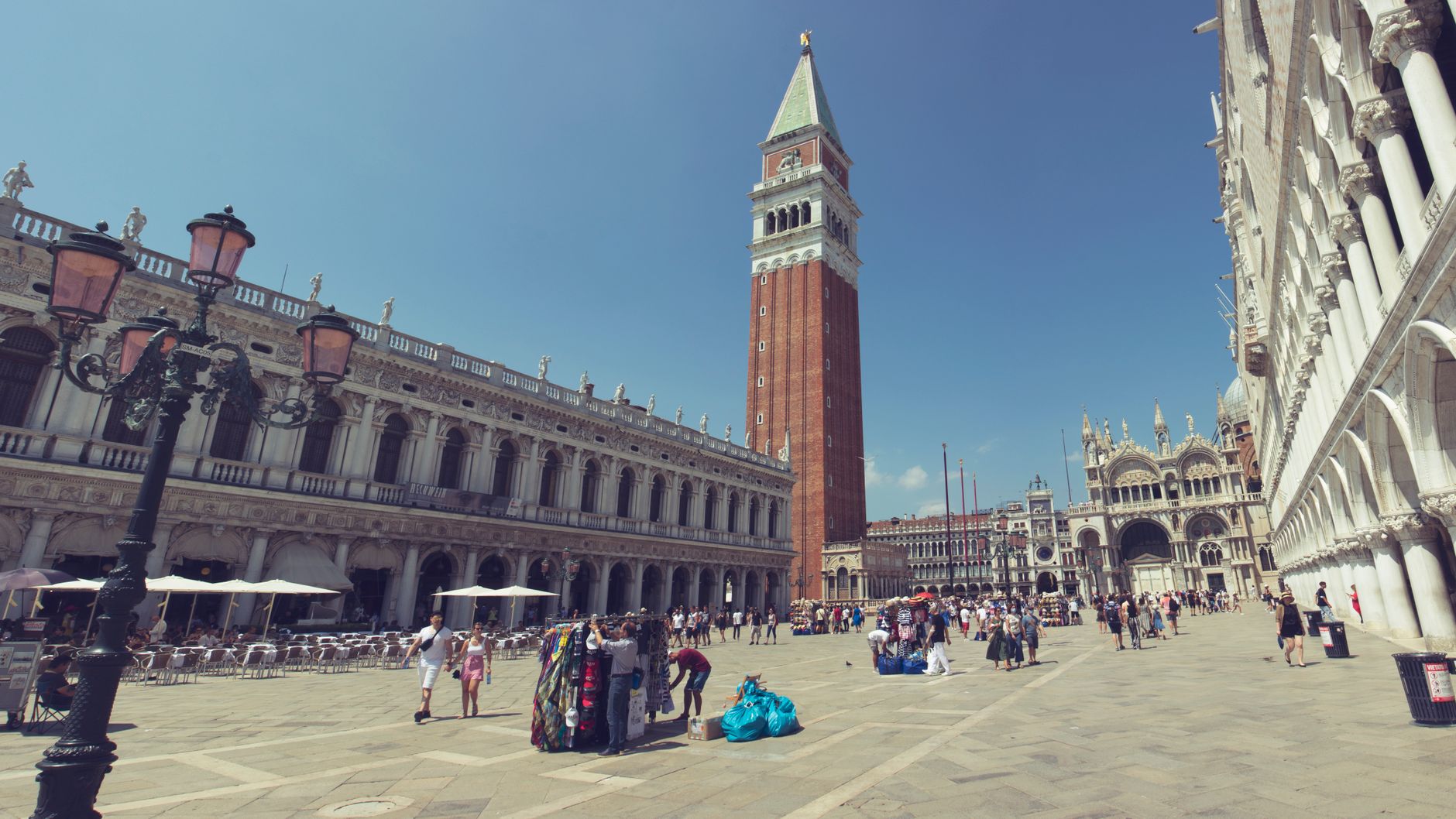
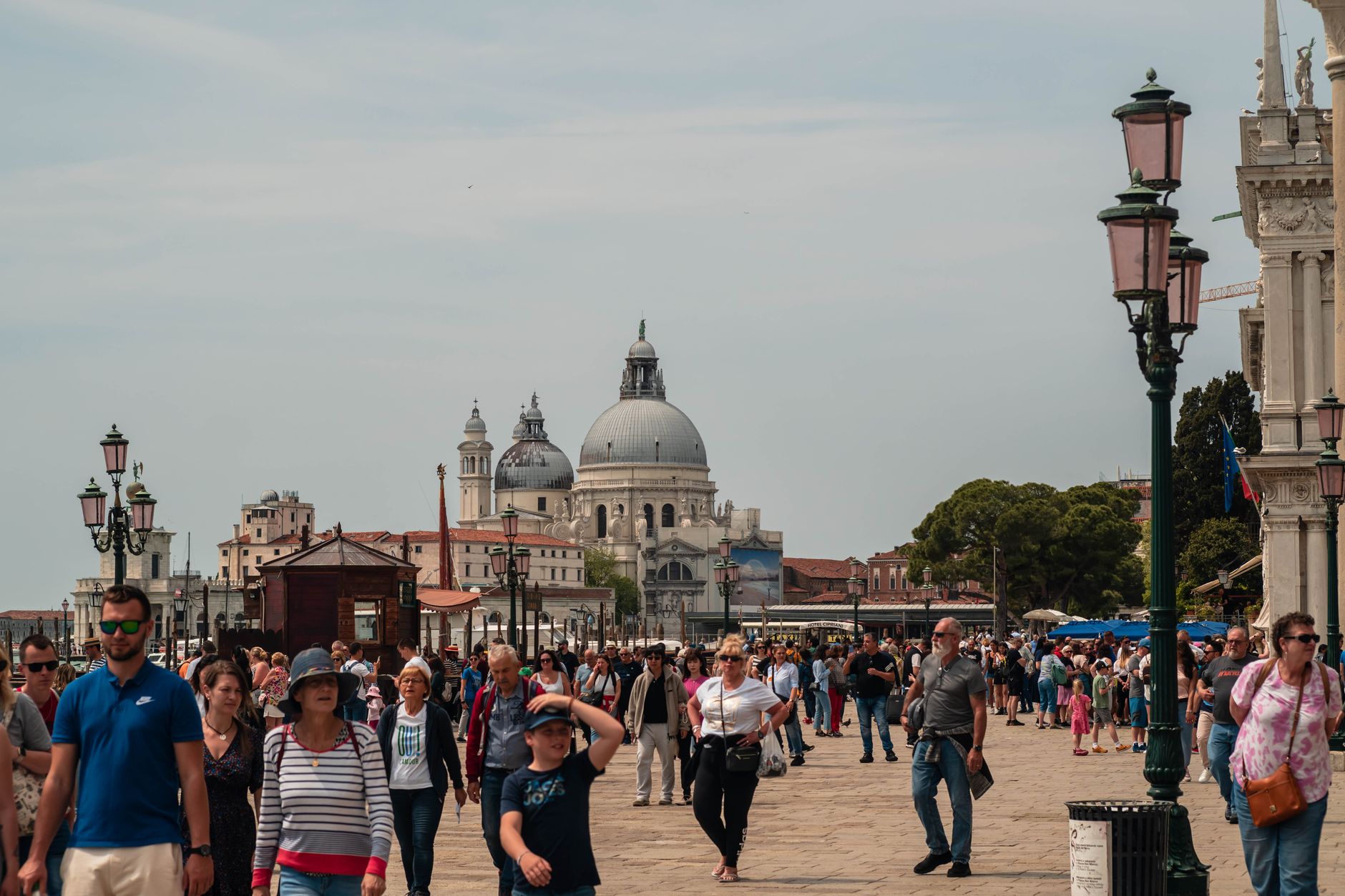
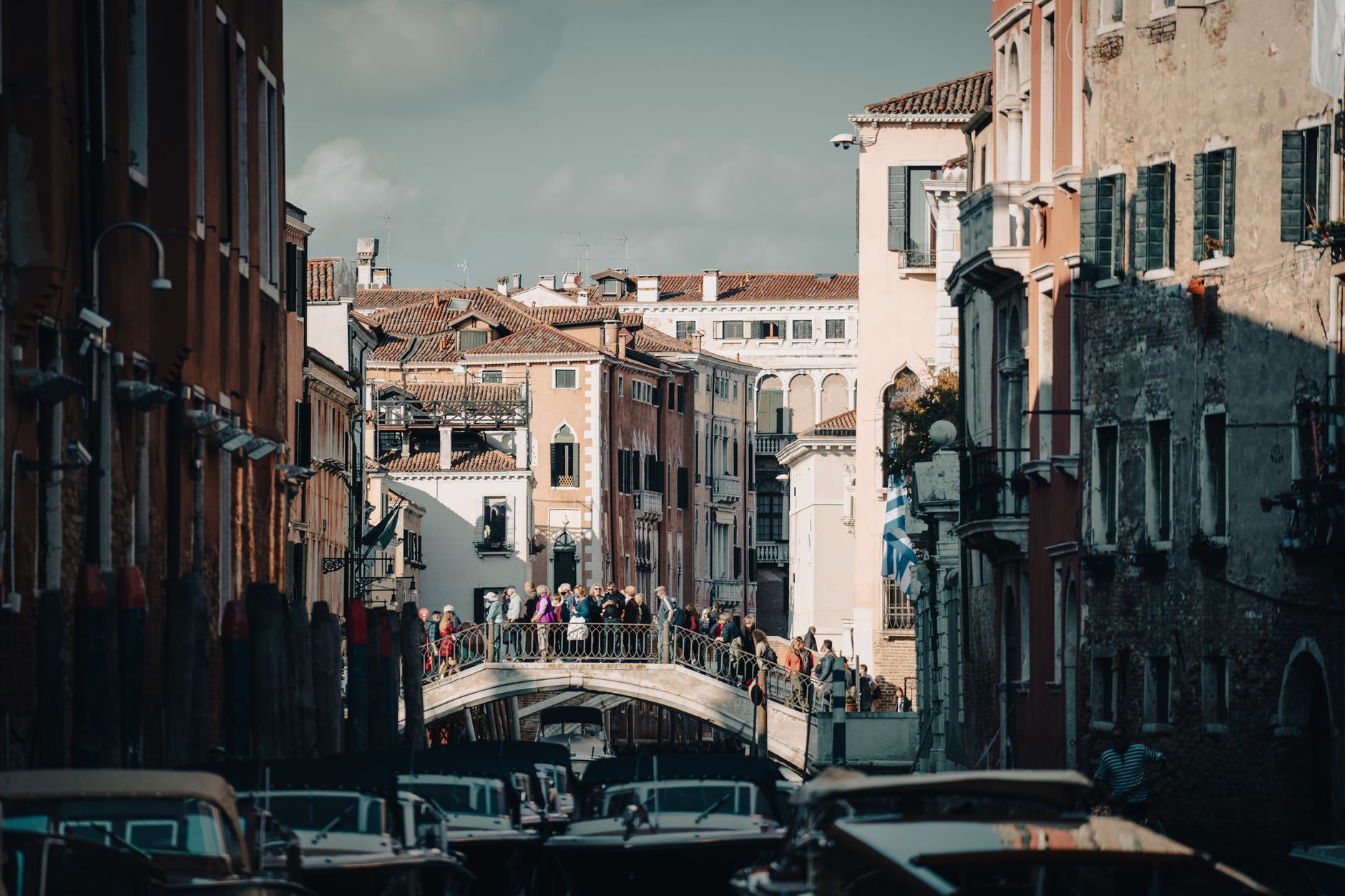
The Veneto is, at its edges, a place of contradictions: the sea-risen city of Venice to the east, the Dolomites rising sharp to the north, and in between a wide plain threaded with rivers and lined with villas that Andrea Palladio scattered across the countryside like a series of architectural arguments. Eight provinces, dozens of cities worth your time, and a history so dense it keeps surfacing underfoot — Roman amphitheatres in Verona, medieval frescoes in Padua, the bones of the old Republic everywhere.

What holds it together is a particular quality of light and a culture that has always moved things — goods, ideas, people — outward into the world. Marco Polo came from here. So did Vivaldi, Titian, and the first commercial microprocessor. The region rewards slow travel and lateral thinking: the train between cities is cheap and fast, and the places between the famous stops are often where the day turns interesting.

Good to know
Regional Trenitalia trains link Venice, Padua, Vicenza and Verona quickly and cheaply — Venice to Padua runs around 30 minutes from €4.10. Spring (April to early June) and early autumn (September to October) offer the best combination of light, temperature and manageable crowds. Summer is hot and Venice in August is its own particular experience.
The story

How Veneto came to be

The earliest settled people here, the Euganei, were absorbed by the ancient Veneti — farmers and traders who built centres at Este, Padua and Adria from around the 13th century BC. Rome arrived in the 3rd century BC and folded the region into its empire. When Rome fell apart, those who fled the chaos on the mainland moved into the lagoon marshes, and from that precarious refuge Venice eventually grew.

The Republic of Venice ran as an independent state from 697 to 1797 — over a thousand years of maritime power and political invention — absorbing Verona in 1404 and Padua in 1405 along the way. Napoleon ended it, ceding the territory to Austria at Campoformio. Veneto joined the Kingdom of Italy only in 1866, and paid heavily during the First World War, when the region became a frontline between Italian and Austrian forces for years.

People & landmarks

Who and what shaped it

People who shaped it

Marco Polo
Merchant traveller from Veneto who became one of history's most famous explorers.
Andrea Palladio
Renaissance architect who designed over forty country houses and major structures across the Veneto region.
Titian
Renaissance painter from Veneto, one of the most influential artists of his era.
Antonio Vivaldi
Baroque composer from Venice, creator of The Four Seasons and other major works.
Livy
Roman historian born in Padua, author of a major history of Rome.
Tintoretto
Renaissance painter from Venice known for dramatic religious and historical scenes.
Bartolomeo Cristofori
Inventor of the piano, born in Padua.
John Cabot
Navigator and explorer from Veneto who sailed for England and reached North America.
Giacomo Casanova
Adventurer and author from Veneto, known for his memoirs and escapades.
Antonio Canova
Neoclassical sculptor from Veneto, one of the most celebrated of his time.
Carlo Scarpa
Influential 20th-century architect who worked predominantly in Venice and the Veneto region.
Roberto Baggio
Footballer from Veneto, one of Italy's greatest players.
Mario Capecchi
Geneticist from Veneto who won the Nobel Prize in Physiology or Medicine.
Federico Faggin
Physicist from Veneto who designed the first commercial microprocessor.

Landmark buildings

Basilica di San Marco
Construction began 1063 in Venice; consecrated 1094 to house the relics of Saint Mark.
Ca' d'Oro (Palazzo Santa Sofia)
Historic Venetian palace built 1428–1430, designed by Giovanni and Bartolomeo Bon.
Doge's Palace
Seat of Venetian government and justice, in use since the 9th century.
Procuratie Vecchie
Venetian residences for public prosecutors, begun by Bartolomeo Bon in 1517 and completed by Jacopo Sansovino in 1538.
Villa La Rotonda (Villa Almerico-Capra)
Renaissance villa designed by Andrea Palladio in 1566 in Vicenza; one of Italy's most important villas.
Basilica Palladiana
Notable Palladian structure in Vicenza designed by Andrea Palladio.
Teatro Olimpico
Palladian theatre in Vicenza, one of Palladio's major works.
Villa Emo
Countryside estate designed by Andrea Palladio, surrounded by spectacular gardens.
Villa Barbaro
Countryside estate designed by Andrea Palladio, surrounded by spectacular gardens.
Practical

Plan your visit

On the map

When to go

Veneto has a mild continental climate: January days average around 6°C, July around 29°C. May, June, September and October are the most comfortable months for moving between cities, with temperatures typically between 19°C and 26°C and long daylight hours.

Right now

28°C
Partly cloudy
Fri
🌦️
30°
24°
Sat
32°
24°
Sun
🌦️
30°
23°
Mon
🌦️
28°
22°
Weather data: Open-Meteo

Background & history adapted from Wikipedia (CC BY-SA) · specs from Wikidata (CC0) · weather from Open-Meteo · map data © OpenStreetMap contributors · photos from Wikimedia Commons / Unsplash with per-image credit. No third-party reviews or social posts reproduced.

Top